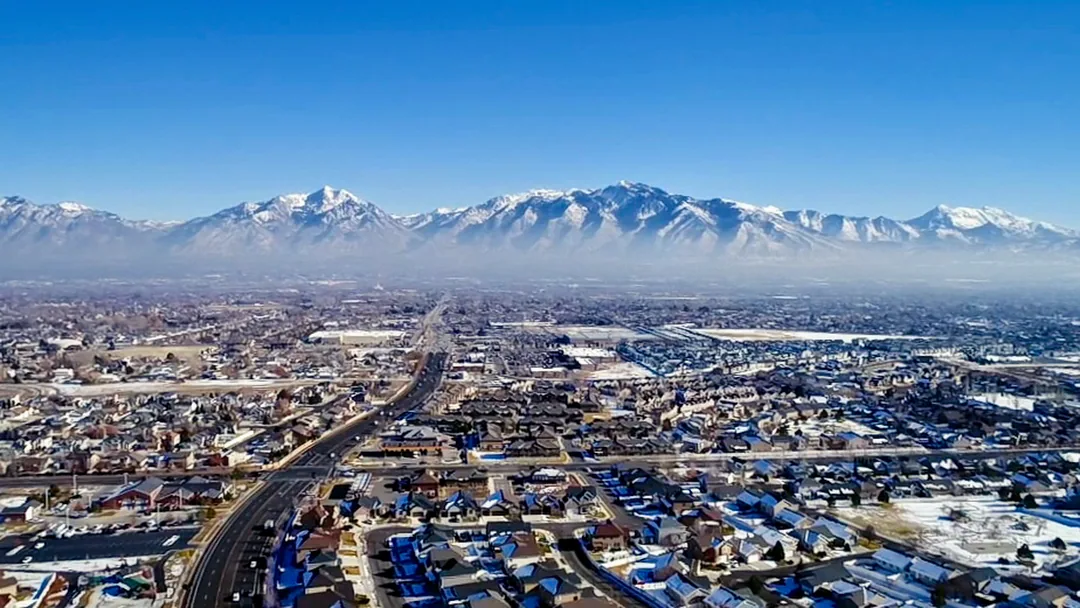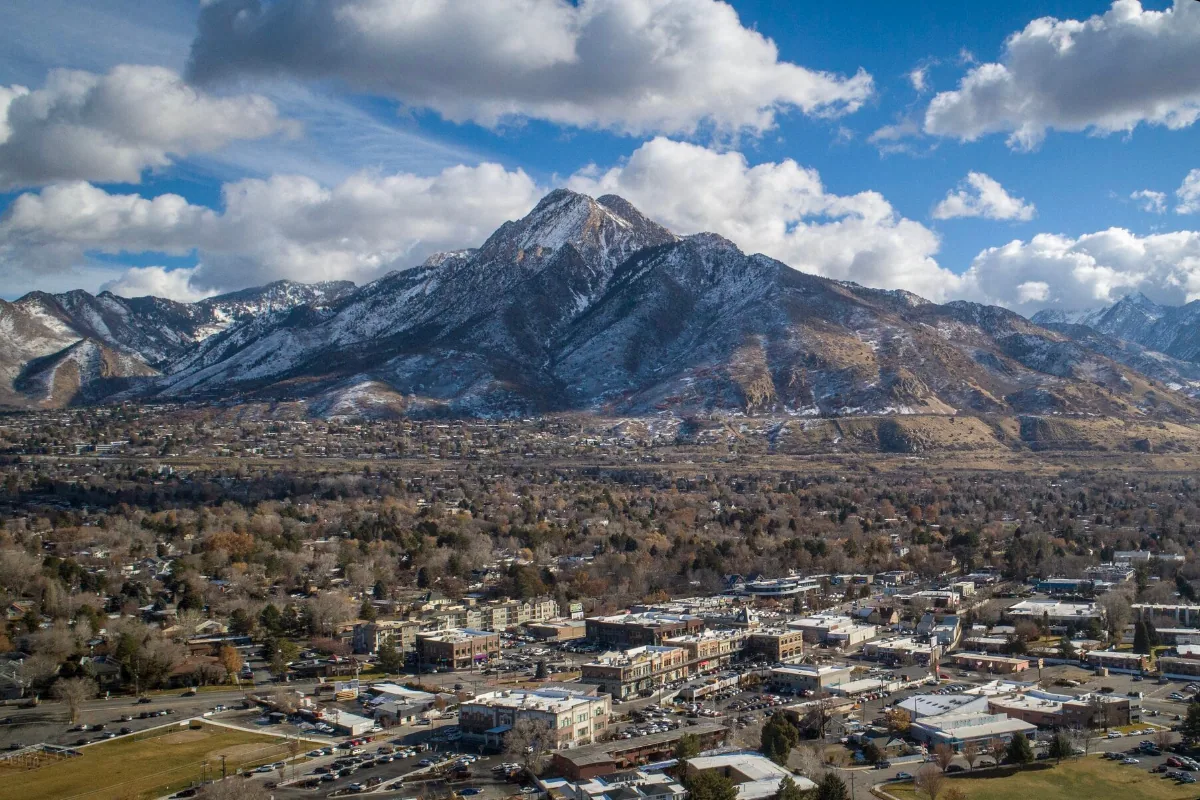
Emergency Commercial Roof Repair in West Valley City, UT

Get around-the-clock commercial roof emergency response in West Valley City. We protect the interior, dry in exposed areas, and define the next repair step.

Get the roof protected

A loose coping cap during a storm can send water into a wall before the roof field shows a clear opening. We first protect people and equipment, then check safe roof access and the likely entry point. In West Valley City, UT, an emergency over a loading floor may need a different access plan than one above offices at Fairbourne Station. We respond around the clock, every day, including holidays.

The first visit stops immediate damage and records what is visible. We may install temporary cover, secure loose material, clear a blocked drain, or isolate an unsafe area. A dry-in limits exposure until conditions allow repair. It does not replace an inspection of concealed moisture, damaged insulation, or a larger failure pattern. We separate emergency protection from permanent work so the owner can approve each step.
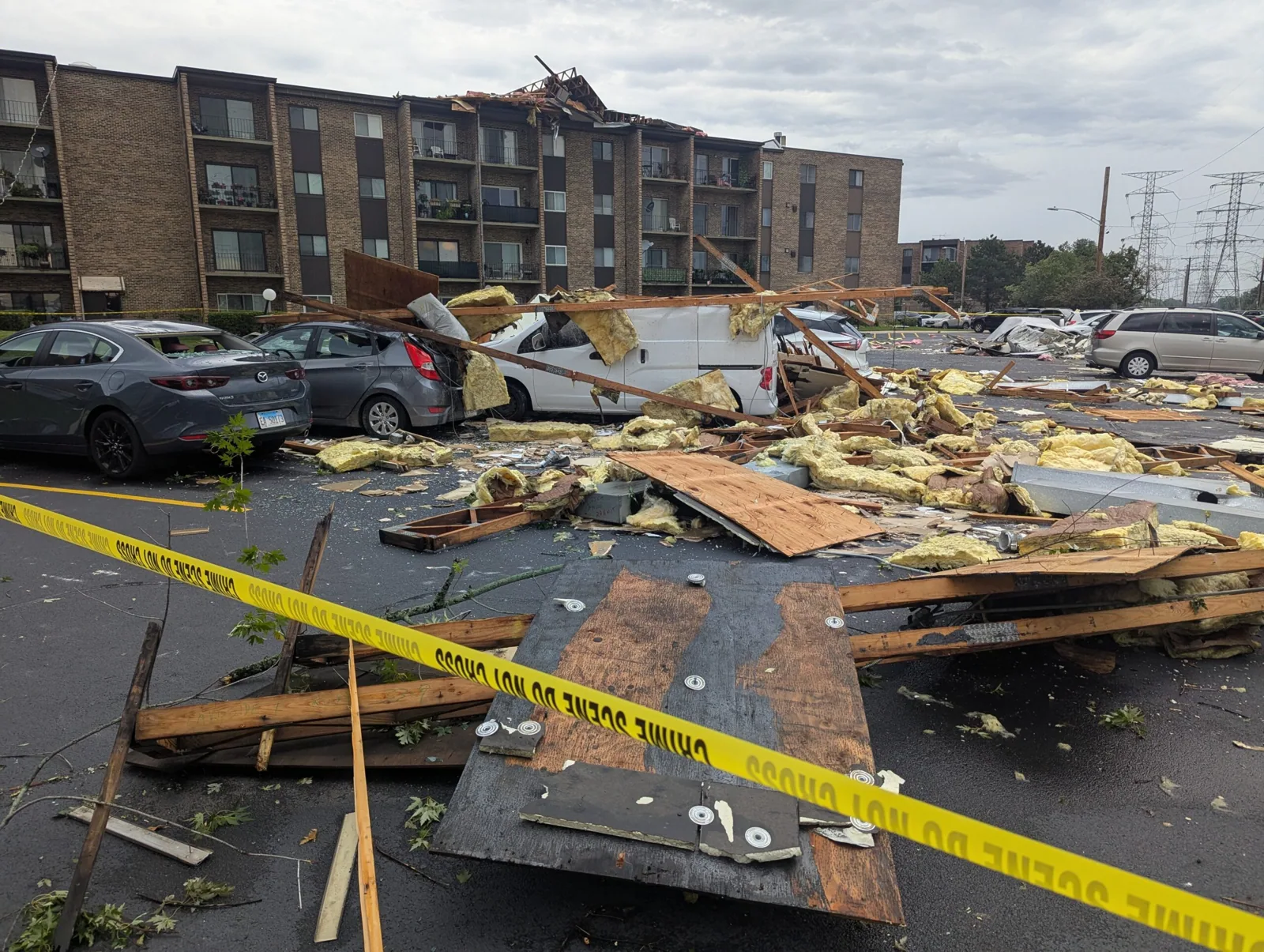
Water near electrical equipment, ceiling systems, or stored goods needs immediate indoor attention. We coordinate with the facility contact to restrict access, move contents where possible, and identify spaces that cannot be interrupted. A sagging ceiling, energized equipment, or unstable roof changes the safe work plan. We do not send a crew onto an unsafe roof to meet a schedule. Interior protection and a controlled entry route come first.

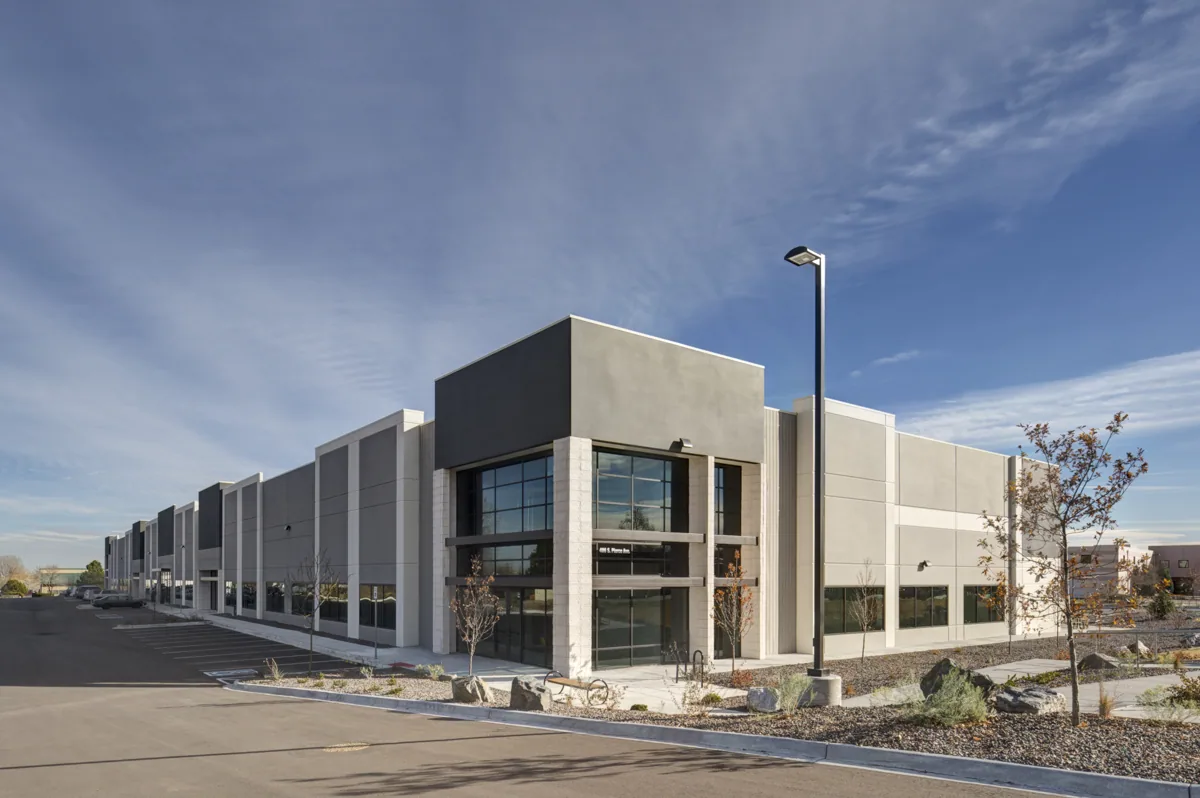
When exterior inspection is safe, we locate water paths, loose metal, open seams, and drainage problems. The city identifies trucking and distribution activity along the northern SR-201 industrial corridor. At a facility there, we confirm truck routes and loading operations before setting ladders, lifts, or staging. The facility contact can help keep the work zone clear while receiving and shipping continue. If access must wait, we explain what protection is in place and what still needs inspection.

Emergency Commercial Roof Repair

Stop water until the repair window

Emergency Commercial Roof Repair

A temporary dry-in needs a secure edge and a route for water to leave the roof. We cover an opening with material suited to the conditions, fasten or weight it safely, and keep drains from becoming trapped under the cover. Loose flashing may need to be secured before a larger patch is possible. We mark the protection and photograph the covered area, so the next visit can find it quickly without disturbing unrelated roof sections.

Temporary materials can move, collect water, or lose adhesion as wind and weather change. We explain how often the condition needs to be checked and which area of the building should be watched indoors. If active leakage continues, we reassess the entry path instead of assuming the first cover solved it. A leak repair visit can follow the temporary response with a closer trace, test cut, and permanent patch plan.

Plan around critical operations

Emergency work may need a lift, temporary shutdown, or access through an occupied space. We identify delivery windows, clearances, tenant entrances, and sensitive inventory before moving materials. A blocked dock or fire lane can create another problem at a distribution site. Office or medical interiors may require quiet, contained access. We sequence the response around building operations as well as the damaged roof area.

West Valley City’s Northwest Opportunity Area includes industrial and vacant parcels north of SR-201, alongside manufacturing, commercial, residential, agricultural, and open-space uses. A storm call can therefore involve very different operations. We confirm use, occupants, and access restrictions before setting a work boundary. At a distribution property, warehouse roof protection can account for inventory and daily movement routes.

Emergency Commercial Roof Repair

Use a safe opening in the weather

Waterproofing products have temperature and moisture limits. Salt Lake City airport normals put the July high at 94.0°F and August at 91.7°F; January and December minimums average below 32°F. These readings offer regional context. Before a permanent patch, coating, or adhesive, we check the roof surface, forecast, and product instructions.

Snow can cover drains and hide an opening’s edge. The station’s annual snowfall normal is 51.9 inches, with 12.70 inches in January. We inspect the roof and clear only what safe access and drainage require. If snow, ice, or wind blocks permanent work, we maintain temporary protection and return when the surface is suitable. The owner gets a defined next step.

Separate immediate work from permanent scope

Emergency protection and permanent repair solve different problems. After conditions settle, we inspect the membrane, flashing, fasteners, drains, and insulation around the affected area. A small puncture on a dry, bonded roof may need a local patch. Failed seams, wet cores, or lifted perimeter metal can require a broader repair. We photograph the new findings and show where the scope would extend before starting work beyond the approved emergency measure.

If damage repeats across a large area, we compare targeted repair with planned commercial roof repair or roof replacement. A repair boundary is based on bond, moisture, and substrate, not only on the visible stain. At a multi-building development such as 201 Mountain View Park, each roof is inspected on its own condition. We do not infer the membrane or damage extent from the building’s use or nearby roofs.

Leave a clear response record

We record the call condition, temporary protection installed, roof details checked, and any interior area affected. Closeout photos show the dry-in edge or completed patch, the nearby drain and flashing, and the condition that remains unresolved. That record helps the property team brief the next shift and gives the follow-up crew a defined starting point. The building contact also gets the access limits or monitoring steps needed before the permanent work is complete.

A roof condition report can carry the emergency findings into the next inspection or capital decision. For a West Valley City property near the North SR-201 corridor, we include any truck or staging restrictions that affect follow-up access. A building near Fairbourne Station may need a pedestrian or tenant route maintained. The report keeps those details tied to the repair, not buried in a call log.

Emergency Commercial Roof Repair

Common questions

Can you respond overnight or on a holiday?

Yes. Emergency roofing response is available at any hour, including weekends and holidays. We start with the active water, interior safety, and roof access conditions. If the surface is unsafe or a permanent repair cannot bond in the current weather, we install or maintain temporary protection and explain when the next inspection or repair can proceed.

What happens during the first emergency visit?

We assess immediate hazards, help protect the affected interior, and inspect the roof when access is safe. The crew looks for openings, loose details, blocked drainage, and visible movement, then installs temporary dry-in or completes a safe local repair as approved. We photograph the work and identify concealed conditions that need a second visit or additional approval.

Is a tarp or dry-in the final repair?

Temporary cover limits exposure but is not automatically a permanent repair. Its attachment, edges, and drainage path need review as weather changes. We mark the protected location and arrange a follow-up inspection to check the membrane, insulation, and details underneath. If water continues, we reassess the path and adjust the protection rather than treating the first cover as conclusive.

What should our staff do while waiting for roof access?

Keep people away from wet ceiling materials and report water near electrical equipment immediately to the responsible facility staff. Protect or move inventory if it can be done safely, place collection containers where needed, and note when and where water appears. Avoid climbing onto a wet roof. Share access limits and the name of the building contact when we coordinate arrival.

How do you price work discovered after the emergency is stabilized?

The initial protection is described separately from repairs found after the roof is opened or conditions improve. We photograph concealed damage, mark the added area, and confirm the revised scope before extending the work. A wet core, failed attachment, or damaged deck can change material and labor. The owner sees the evidence and the added work before it is approved.

Get the roof protected

ServicesRoof SystemsIndustriesProperty TypesService AreasDamage RepairCapabilitiesManufacturersContactAboutRequest a Roof Assessment555-555-5555
Call555-555-5555