Manufacturing Plant Roofing in West Valley City, UT

Repair and maintain manufacturing plant roofs in West Valley City with equipment coordination, moisture checks, and phased work tied to production needs.

Coordinate roofing with plant operations

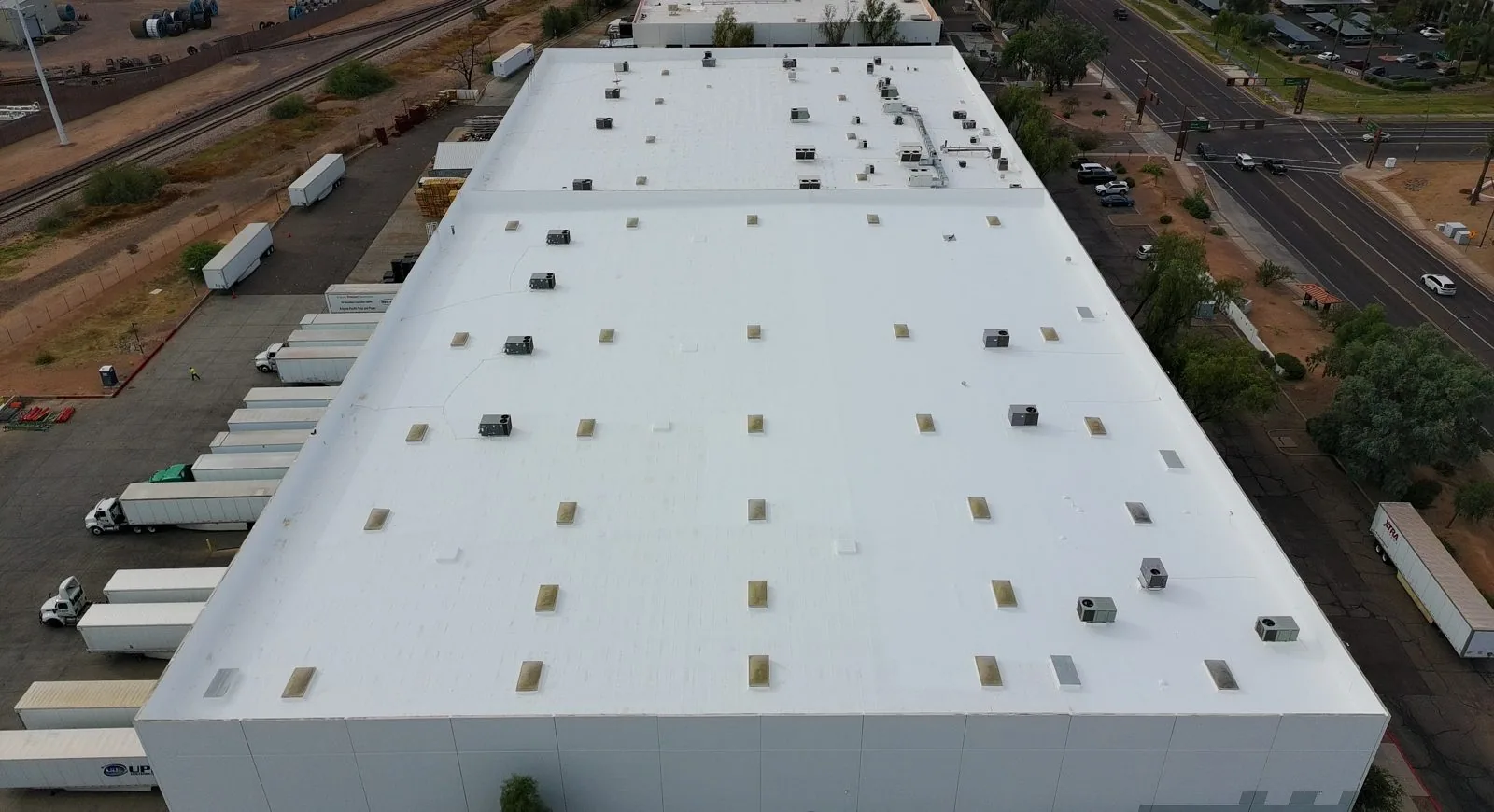
A rust line at an exhaust curb can hide a failed flashing transition beside equipment that cannot shut down without notice. We inspect the curb, nearby seams, and roof substrate, then coordinate the work window with the plant contact. The city’s Southwest Opportunity Area plan identifies manufacturing uses and larger parcels in that part of West Valley City. At each plant, we map the actual roof assembly, exhausts, service paths, and active equipment before setting the repair boundary.

Manufacturing plant roofing must account for process ventilation, utility lines, service routes, and spaces where production cannot pause. We identify which equipment is active, who can approve a shutdown, and where work can be staged. Then we select repair, maintenance, coating, or replacement based on the roof assembly and exposed condition. The scope records the repair boundary and the operations that control schedule, so roof work does not create an avoidable production conflict.
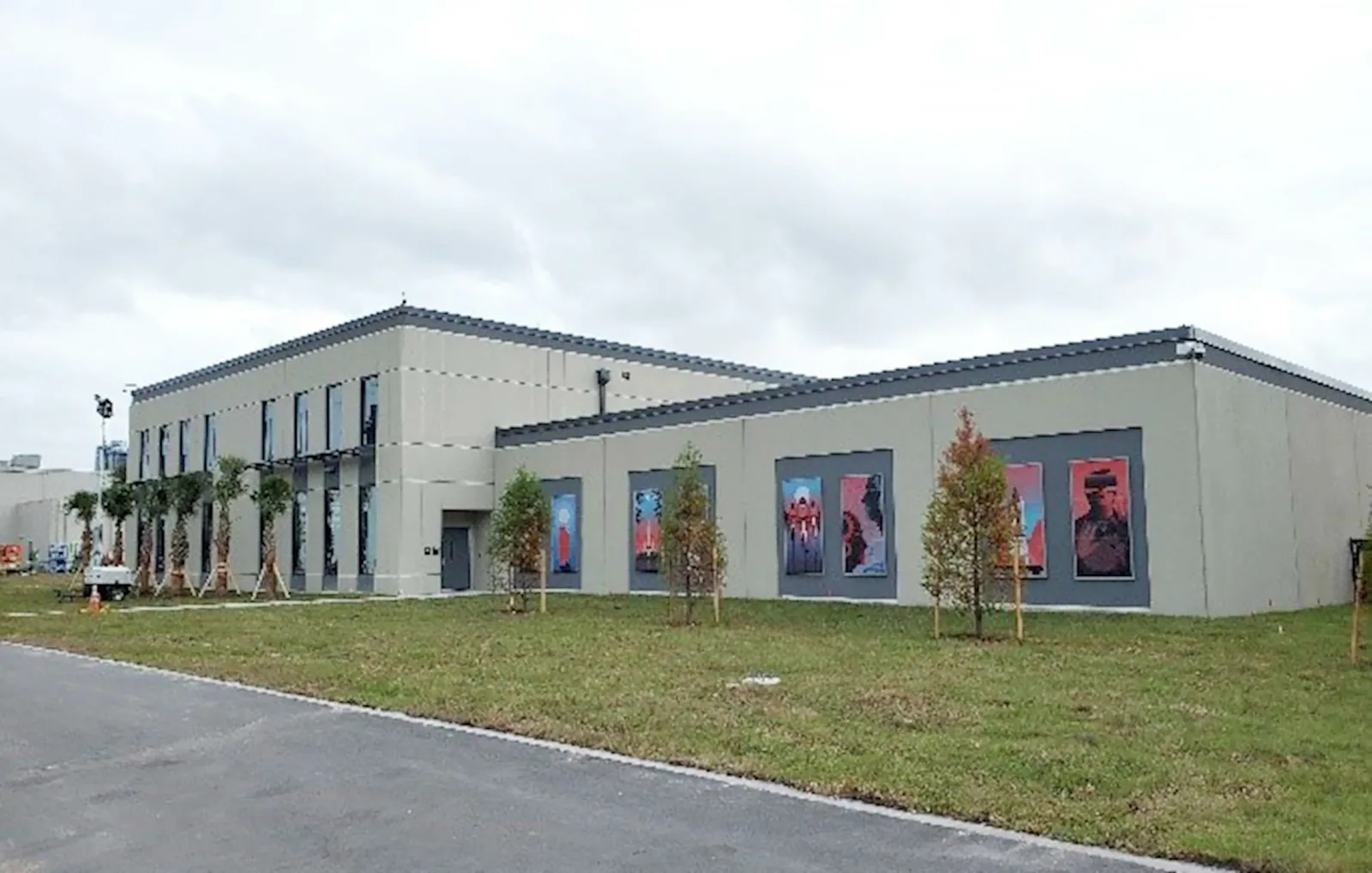
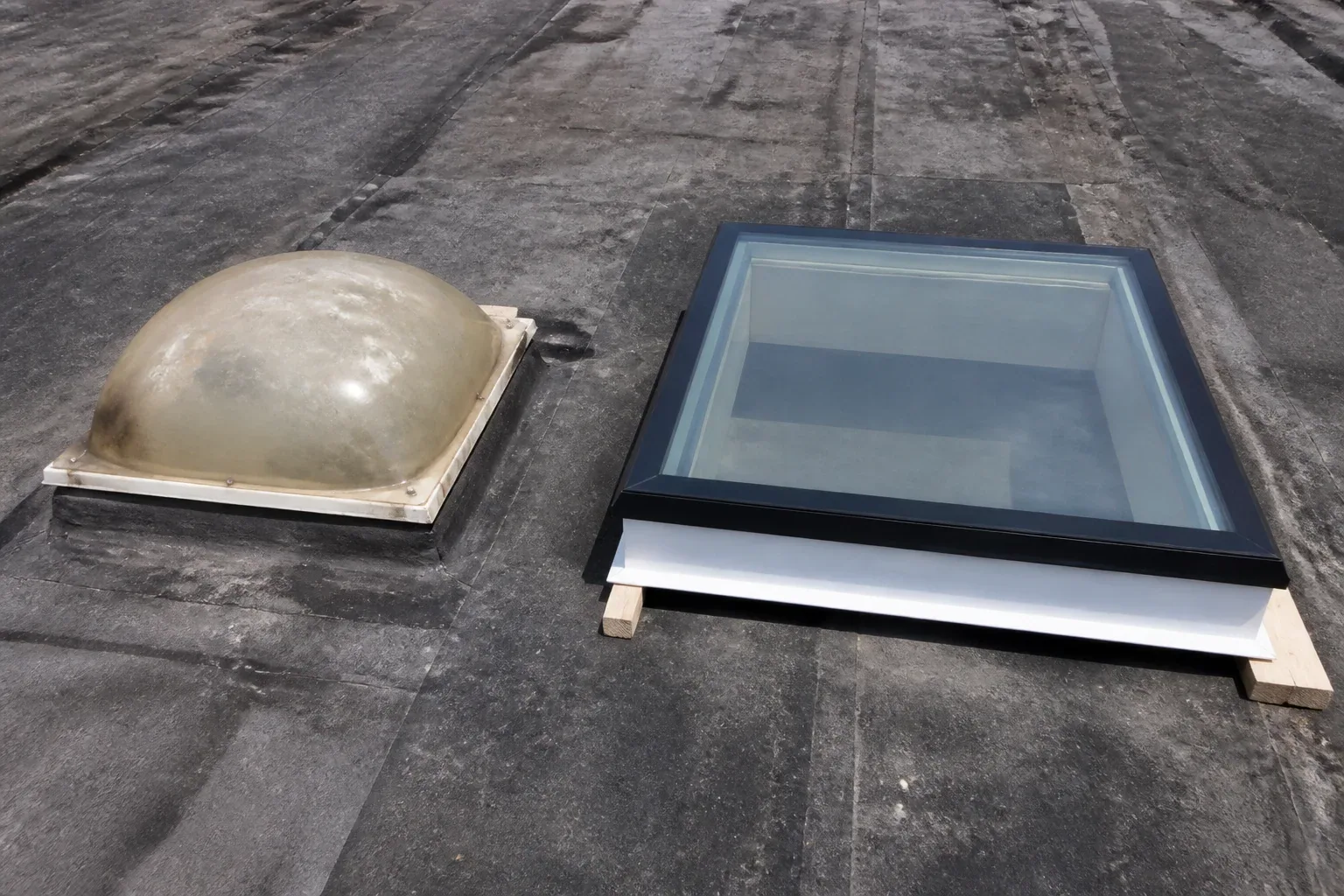
Curbs, ducts, exhausts, conduits, and support frames create roof penetrations that may move or need service. We map each opening in the work area, inspect flashing and attachment, and note the clearances needed by mechanical or electrical staff. If equipment needs to be lifted or isolated, the facility contact coordinates that work before roof removal. The roofing scope covers the agreed membrane and flashing, while trade work remains scheduled with the responsible technician.

West Valley City identifies the northern SR-201 corridor for trucking and distribution, and its economic-development information also lists a planned multi-building logistics park at 201 Mountain View Park. For manufacturing property in the broader industrial network, material delivery and lift staging need site confirmation. A roof curb and equipment support review can address attachment or clearance questions. We keep each roof opening labeled so a repeated detail is not mistaken for the same leak source.

Manufacturing Plant Roofing

Sequence work around active production

Manufacturing Plant Roofing

A roof opening above a process area can affect equipment, stored material, or a controlled work zone. We ask which rooms require interior protection, whether production can be shifted, and what noise or odor limits apply. Roof areas are opened in sections that can be dried in and closed within the planned window. If moisture expands the removal limit, we show the exposed condition and confirm the added work before changing the approved sequence.

At a manufacturing site near the Southwest Opportunity Area, large parcels may offer room for staging, but the property contact confirms the actual routes and restrictions. In a mixed-use setting such as Fairbourne Station, roof work may need additional coordination around offices and public-facing uses. We plan to the building in front of us, not to a district label. A phased roof work plan can limit exposure while the facility stays in operation.

Check what heat and exhaust leave behind

Heat discharge, grease, dust, or process residue can affect roof surfaces near exhaust points. We inspect for softened or degraded membrane, residue that interferes with adhesion, and flashing that has pulled away from the curb. We coordinate with plant staff before cleaning around active exhaust or equipment. If the condition extends below the membrane, a test cut helps establish whether the insulation and cover board can remain.

The airport climate record puts July’s normal daily high at 94.0°F and August’s at 91.7°F for Salt Lake City International Airport. On a plant roof, field readings and the selected product’s requirements set the application window for adhesive, sealant, or coating. A moisture survey may help identify areas for confirmation, while a hands-on inspection checks the penetrations and membrane close to the process equipment.

Manufacturing Plant Roofing

Match repairs to the plant roof assembly

Thermoplastic seams, EPDM laps, modified-bitumen transitions, metal joints, and coating systems need different repair methods. We identify the existing roof and previous repairs, prepare a representative area, and select compatible material. An equipment curb can require counterflashing, a boot, a welded target patch, or a fabricated metal detail depending on its shape and movement. The repair description identifies the opening, the tie-in, and any component that remains outside the roof scope.

Where a plant has repeated failures across several penetrations, another surface patch may not resolve the cause. We compare localized flashing repair with a broader membrane or commercial roof repair scope after checking attachment and moisture. If a large area has wet insulation, we show the removal limit and compare replacement before covering it. A warehouse roof plan may share material choices, but a production building has separate access and shutdown requirements. For food or temperature-controlled production, cold-storage roof work adds its own operating constraints.

Keep drains and service paths clear

Equipment routes can cross low areas where drains, scuppers, and crickets need regular access. We check whether cables, supports, or stored materials block the flow path, then document the drain bowl, strainers, and nearby membrane. If a drain repair is needed, we coordinate around process schedules and protect the area below. A drainage correction is tied to the outlet and roof slope, not solved by adding sealant to the nearest curb.

The Southwest Opportunity Area includes manufacturing uses and existing sand-and-gravel operations. At the affected plant, we confirm the roof assembly and access path before setting scope. A roof-level outlet failure can be handled as a distinct repair; recurring debris or details can be added to a future maintenance visit. We record the outlet condition in the closeout photos.

Leave production with a repair record

Closeout photos identify repaired curbs, seams, drains, and the material transition around each item. We record which equipment remained active, what shutdown or access limits applied, and any area that was not opened for testing. The facilities team can use that record to match a later leak report with the completed roof detail. If a new condition appears, the documented repair boundary shows where the earlier scope stopped.

For multi-building manufacturing operations, we keep each roof and its findings separate. A roof condition record can preserve photos, test locations, and repair priorities by structure. The owner can compare the planned repair with broader capital work when repeated failures or wet insulation appear. We identify the next inspection or test needed, the access window, and any condition that would move a local repair into a larger project.

Manufacturing Plant Roofing

Common questions

Can roof work proceed while production continues?

Often the work can be divided into areas that can be protected and closed within a shift. We need the facility contact to identify process zones, active equipment, shutdown limits, and interior protection needs. If a roof opening cannot be secured during the available window, we adjust the sequence before beginning that area.

How do you handle flashing around exhaust equipment?

We identify the equipment, curb shape, movement, and existing roof material, then prepare a compatible flashing detail. Plant staff coordinate any access or isolation required at the equipment. If the curb or substrate is damaged under the flashing, we photograph the exposed condition and confirm added scope before closing it.

What if a test cut finds wet insulation?

We mark the opening, record the layers, and determine whether the wet material extends beyond the test point. The repair limit may shift to reach dry, stable substrate. We present removal and replacement quantities for approval before extending work past the original scope.

Can you work around overhead process lines and rooftop utilities?

Yes, after the facility identifies clearances, access rules, and which trade controls each system. We protect active lines and coordinate any temporary shutdown or relocation. The roof scope states where the membrane and flashing work ends, while equipment work stays with the responsible service team.

How do you decide between repair and replacement?

We compare the frequency of failures, moisture findings, attachment, roof system, and remaining sound area. A contained defect may support a local repair. Repeated openings or wet material across several sections can justify a broader option. The estimate separates confirmed conditions from areas that still need testing.

Coordinate roofing with plant operations

ServicesRoof SystemsIndustriesProperty TypesService AreasDamage RepairCapabilitiesManufacturersContactAboutRequest a Roof Assessment555-555-5555
Call555-555-5555