Modified Bitumen Roofing in West Valley City, UT

Review modified bitumen repair and replacement in West Valley City with attention to cap sheets, laps, flashings, drainage, and work sequencing.

Set a modified bitumen scope

Bubbles in cap sheet near the outlet call for a bond and moisture check before a patch is priced. We inspect the lap and surrounding layers before deciding how far to open it. In West Valley City, UT, the northern SR-201 corridor serves trucking and distribution, while planned Fairbourne Station includes civic, retail, office, hotel, and multifamily uses. We confirm property access before setting the repair window.

Modified bitumen uses reinforced asphalt sheets made with SBS or APP modifiers. Assemblies may be installed with heat, asphalt, cold adhesive, or self-adhered methods, depending on the product and project. We identify the existing system before choosing a repair. Then we check laps, cap-sheet condition, flashings, and the substrate. If the surface can accept a compatible patch and the base is sound, repair may remain local. Wet layers or repeated failures can change that decision.
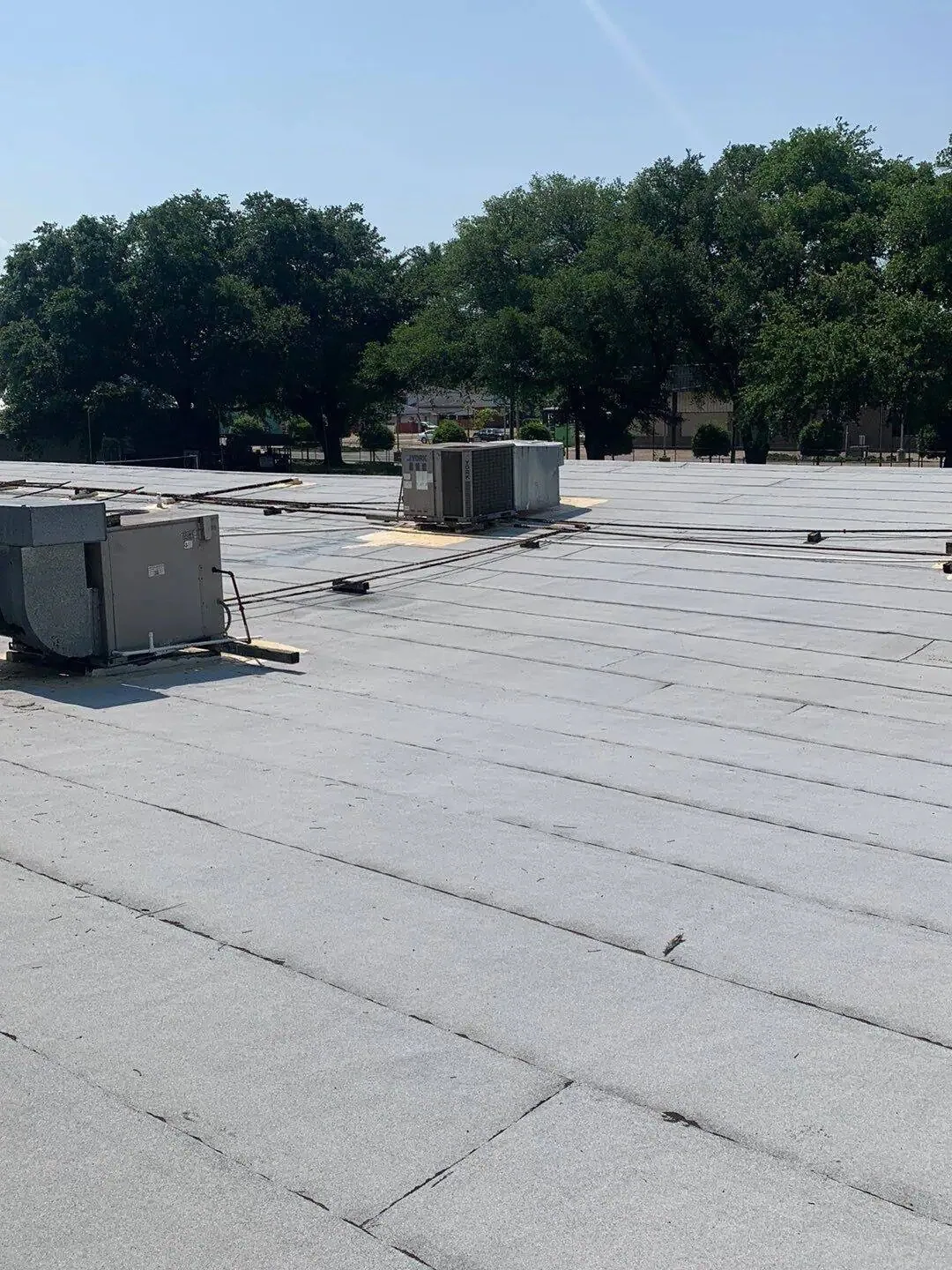
A split in the granulated cap sheet can expose reinforcement or allow water to track beneath a lap. We check how far the split runs and whether the sheet is still attached. Surfacing loss at one spot may call for localized repair. Widespread cracking, wrinkles, or open laps can indicate a broader issue. We mark the visible area and inspect the nearby field before pricing removal.

Modified bitumen laps rely on a continuous bond. We look for fishmouths, cold laps, ridges, and edge separation. A repair method must match the existing sheet and surface. We remove loose granules or debris only as required for the selected detail, then confirm adhesion on a small prepared area. If a seam failure repeats, a seam repair scope can record both the opening and the material tie-in. We photograph the finished lap before applying protective surfacing.

Modified Bitumen Roofing

Check the layers below

Modified Bitumen Roofing

A cap sheet does not show the condition of every layer beneath it. We review the roof history and inspect areas around leaks, drains, and prior repairs. When surface checks leave uncertainty, we open a small test area to inspect the membrane stack, insulation, and deck at that spot. We mark the opening and record moisture or loss of firmness. That evidence sets whether removal can stop locally.

Multiple plies can conceal wet insulation or an unstable base. Adding another sheet does not correct those conditions. We check attachment and whether the deck can support the planned assembly. A built-up roofing system also uses layered construction, but its material and installation details differ. If a replacement is needed, we compare the assembly options against the roof slope, equipment, drainage, and project requirements instead of treating all multi-ply roofs alike.

Rebuild curbs and edges

Modified bitumen turns up at curbs, walls, and pipes through a sequence of base flashing, cap sheet, and metal termination. We inspect the height, corners, and end laps for splits or poor adhesion. A loose counterflashing can let water move behind a sound-looking field. We document each transition and identify whether the repair needs new membrane, metal, or substrate work.

Drain areas need the same close review. A blocked bowl or low sump can hold water against the cap sheet. We clear the opening, inspect the drain flange, and trace the slope toward the outlet. If the deck has settled, membrane replacement alone will not restore positive drainage. We price any tapered insulation or drain correction separately from the field work. A commercial roof repair can cover a confirmed detail without assigning an untested area to the same scope.

Modified Bitumen Roofing

Set the work window

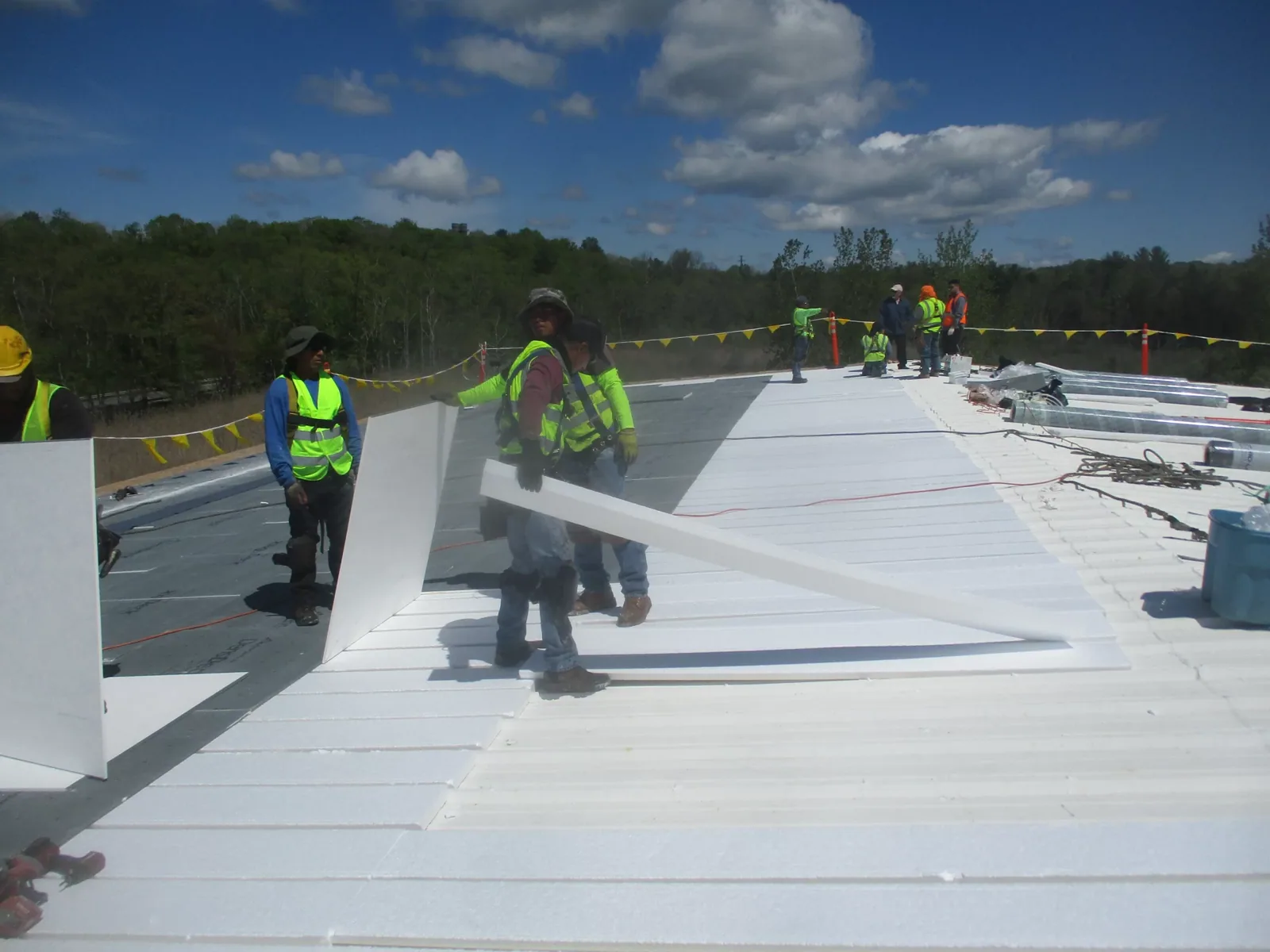
Installation method changes the safety and access plan. Torch work requires fire protection, trained handling, and a watch after application. Cold adhesive and self-adhered sheets have their own temperature and surface requirements. We confirm the selected system, staging area, rooftop equipment, and building occupancy before work starts. The daily section must be small enough to complete the planned tie-ins and temporary protection.

Salt Lake City International Airport's 1991-2020 normal records 51.9 inches of snowfall across the year and 12.70 inches in January. Before handling asphalt, adhesive, or surfacing, we inspect the actual roof and check product conditions. Near North SR-201, truck access can influence deliveries. At Fairbourne Station, shared paths and occupied uses may shape the work area. We confirm the day's access with the site contact.

Compare repair with replacement

Repair pricing follows the defect length, number of transitions, preparation, and access. A small cap-sheet patch is not priced like a tear-off that includes wet insulation or deck work. We show the known quantities and flag areas where a test cut is still needed. If removal reveals additional damage, the crew documents the new condition before the boundary expands. That keeps unverified work out of the base scope.

Replacement may make sense when laps fail across several areas or the surface has lost its bond broadly. We compare removal, new insulation, and detail rebuilding with the cost of repeated repairs. An EPDM system or another assembly may be considered if design, attachment, and building use allow it. For work permitted under the July 2026 transition, Utah Code 15A-2-103 adopts the 2024 IBC and International Energy Conservation Code, subject to state and local amendments. The design team and authority having jurisdiction should confirm which requirements apply before code-related scope is priced.

Keep the repair history clear

Closeout photos should show the cap sheet, lap, flashing, and any area removed. We mark test cuts and identify where new insulation or deck work was installed. If the work stops at a boundary, that line belongs in the record. A later leak can then be compared with the actual repair instead of assuming the full roof received the same treatment.

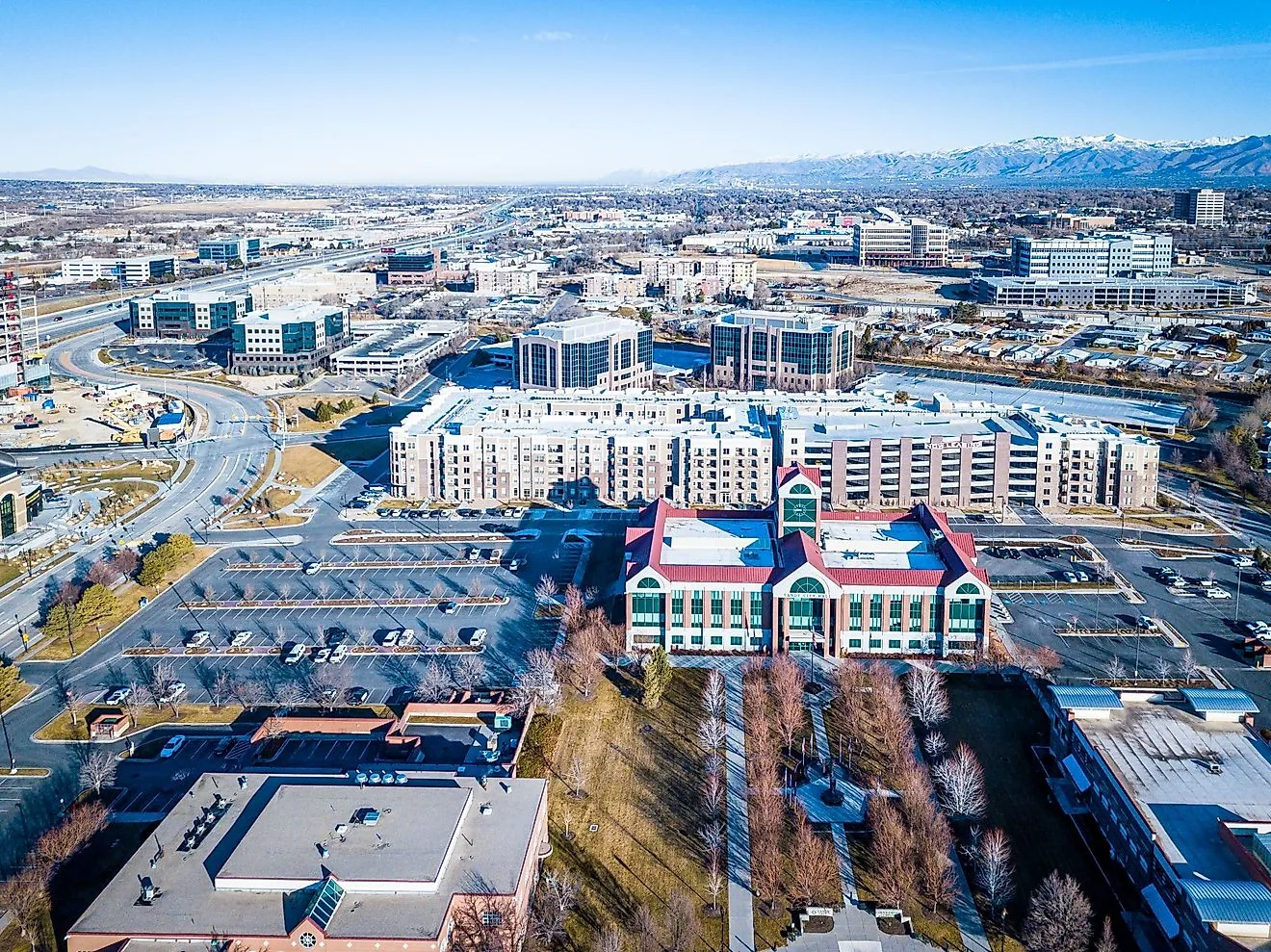
Fairbourne Station is planned as a transit-oriented district with civic, retail, office, hotel, and multifamily uses. For a roof visit in the district, the building contact confirms actual occupied areas and access routes. The northern SR-201 corridor supports trucking and distribution activity, which can affect delivery timing. A condition report can organize those observations by section and detail. We leave the owner with photos, locations, and the next inspection or repair question.

Modified Bitumen Roofing

Common questions

How do you choose between an SBS and APP repair material?

We identify the existing sheet and follow its product requirements. The modifier alone does not determine the repair; surfacing, reinforcement, installation method, and condition also matter. We prepare a small area and confirm the selected material bonds before continuing. If the membrane cannot accept a reliable tie-in, we price a wider replacement detail instead.

Can modified bitumen be patched without opening the roof?

A surface patch can work when the defect is isolated and the material below remains sound. We inspect the cap sheet and lap, then use a test cut if moisture or attachment changes the scope. If damp insulation or a weak deck is present, that material must be addressed within the approved boundary. The patch limit follows the evidence.

What does torch-applied work require at an occupied building?

We review combustibles, penetrations, equipment, access, and the fire-watch plan before torch use. The site contact identifies restrictions and interior sensitivities. Work proceeds in controlled sections with protection and a watch after application. If the property cannot support the required fire controls, we consider another compatible installation method or revise the schedule.

When should a modified bitumen roof be replaced?

Broadly failed laps, repeated leaks, widespread cracking, or wet insulation can make continued patching poor value. We map the defects and test representative areas before comparing repair with removal. The proposal names which finding changes the decision and which areas remain unverified. That gives the owner a clear basis for the next capital step.

How do snow and temperature affect the repair schedule?

The roof must be clear, dry enough for the repair method, and within the material limits. The Salt Lake City International Airport station has a 51.9-inch annual snowfall normal and a 12.70-inch January mean. We check actual surface conditions at the property. Snow removal, access, and forecast can shift the start time. We agree on a safe open-roof limit before removing cap sheet or insulation.

Set a modified bitumen scope

ServicesRoof SystemsIndustriesProperty TypesService AreasDamage RepairCapabilitiesManufacturersContactAboutRequest a Roof Assessment555-555-5555
Call555-555-5555