Commercial Roof Leak Repair in West Valley City, UT

Trace roof leaks in West Valley City, inspect nearby seams and flashing, then repair to sound material while protecting the occupied space below.

Trace the active leak

A wet ceiling tile under a rooftop curb can point to a seam several feet away. We trace the water path before opening the roof, then inspect the curb flashing, nearby laps, fasteners, and drain route. The first repair boundary depends on what is wet and what remains bonded. In West Valley City, UT, a leak over an active distribution floor needs a safe interior work zone and an access window that does not block loading.

We repair active leaks on low-slope and metal commercial roofs. The work can involve membrane, flashing, seams, drains, or penetrations, depending on where water enters and how it travels below the surface. A visible stain is recorded as an interior symptom, not assumed to be the entry point. We identify what is confirmed, what needs a test cut, and when the roof should be protected before a full repair can be completed.
Active water comes first. We identify the affected room, move contents where possible, place temporary collection or protection, and keep people away from unsafe ceiling materials. The facility contact helps us locate electrical equipment, sensitive inventory, and operating areas that cannot be interrupted. If the roof is unsafe to access in current conditions, we secure the interior and plan an exterior visit as soon as it can be done safely.

Emergency leak response is available around the clock, including nights, weekends, and holidays. A temporary dry-in can limit additional water entry while conditions are assessed, but it is not automatically the permanent repair. We mark the temporary material and return to inspect the roof when the surface and weather allow. For urgent conditions, emergency roof repair can coordinate protection, access, and the next repair step.

Commercial Roof Leak Repair

Follow the water path

Commercial Roof Leak Repair

Water can travel along insulation joints, deck flutes, seams, or steel framing before it appears indoors. We compare the stain location with roof penetrations, wall transitions, open laps, drain bowls, and areas of ponding. A controlled water test may help when it can be performed without adding risk to the interior. We test one area at a time and allow for travel time before deciding whether that detail caused the leak.

Fairbourne Station includes office, hotel, medical-office, retail, multifamily, and public-space uses. Those spaces can have different interior sensitivities and access rules, so we plan with the building contact. A roof inspection can extend beyond the reported area when nearby details show similar movement or failed bonds. We document the path checked and the evidence behind the repair.

Repair to sound material

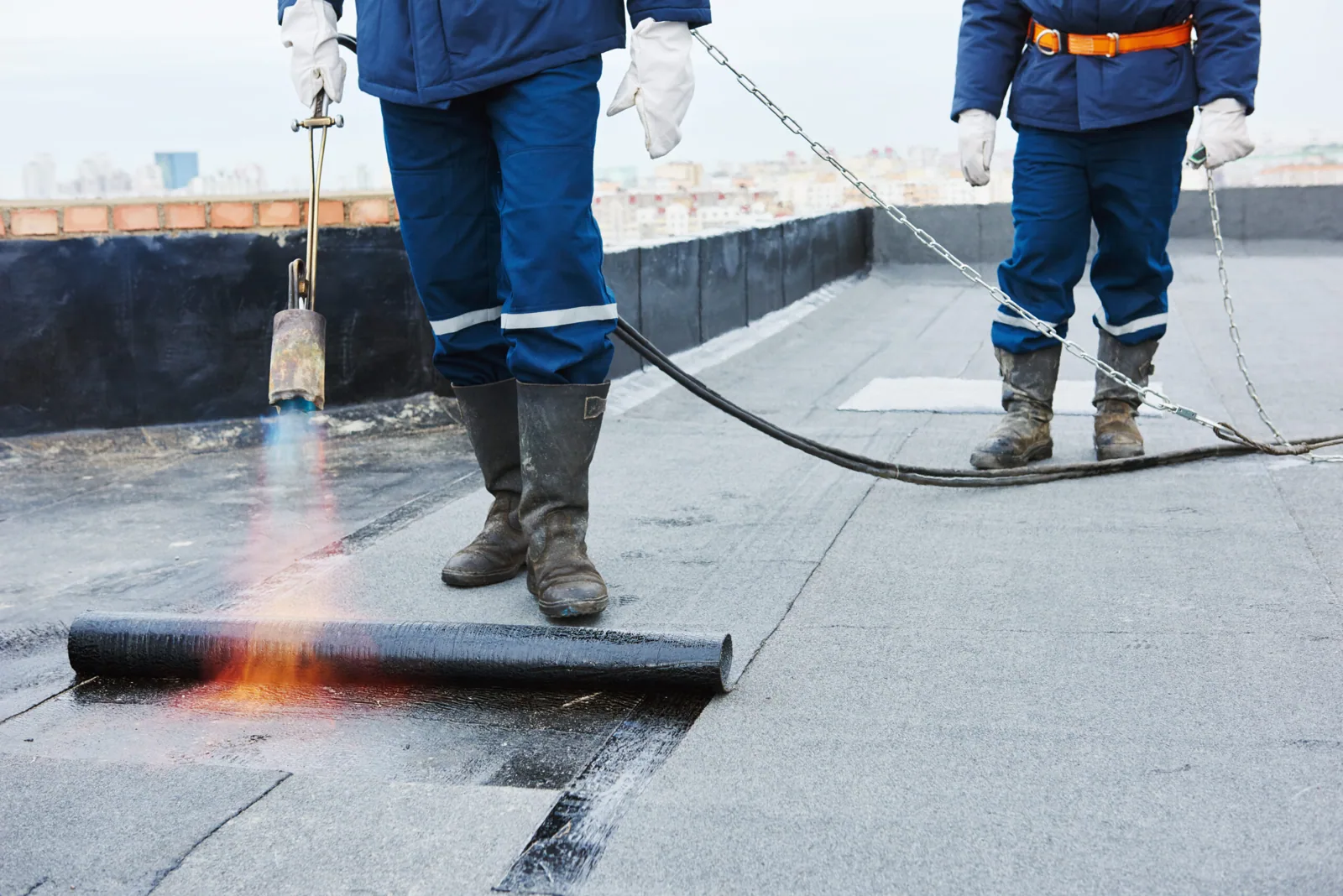
A patch only holds if its edges bond to prepared, stable material. We remove failed sealant or loose membrane as needed, clean and dry the surface, then install a compatible patch or flashing detail. Wet insulation is removed when the scope calls for it, and the repair must reach a dry, sound boundary. If water follows an open wall transition or lap, a flashing repair or seam repair may need a separate detail. We show any expanded limit before proceeding.

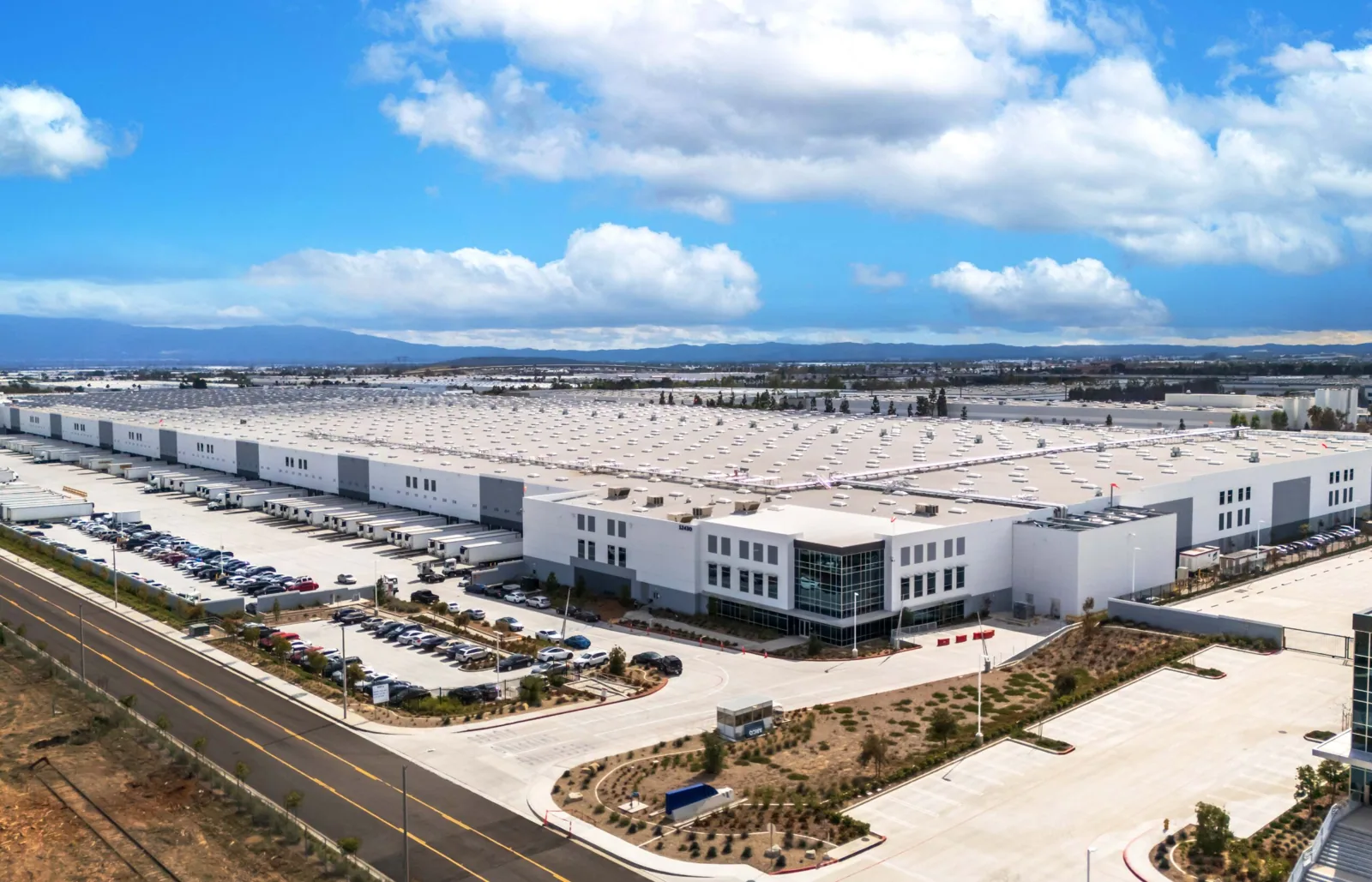
At a northern SR-201 distribution building, roof access may share space with loading and equipment routes. We plan staging and fall protection around the operation below. The corridor serves trucking and distribution businesses. A business use does not tell us the membrane type, age, attachment, or moisture extent. We verify the assembly before selecting materials and coordinate the access window with the facility contact.

Commercial Roof Leak Repair

Coordinate access and operations

Leak repairs often cross more than one trade. HVAC staff may need to shut down equipment, an electrician may need to protect a circuit, and a tenant may need a route kept clear. We identify those needs before opening the roof and agree on who can approve a scope change. If water reaches a ceiling system, we record the interior area separately from the exterior detail. That keeps the repair focused while preserving a clear record for building management.

West Valley City business parks may group office, light-industrial, research, and support uses. In a mixed-use property, we confirm the room, lift, and staging constraints with the site contact. Work near a busy building can require a small staging footprint and a defined access path. We select tools and repair materials that fit the roof and operating conditions, and we communicate when odor, noise, or temporary equipment shutdown is possible. For multi-tenant properties, a property manager can help coordinate keys, roof access, and interior notice with each affected occupant.

Choose conditions that support the fix

A repair may fail if the surface is wet, frozen, or outside the product temperature range. Normal July highs at the Salt Lake City International Airport station reach 94.0 degrees Fahrenheit, and August highs reach 91.7. Station minimums fall below freezing in January and December. Those normals help us choose a season for the visit. We check roof temperature and forecast before cleaning, welding, or applying adhesive.

Precipitation and snowfall also affect temporary protection. The airport station’s annual normal snowfall is 51.9 inches, with a January mean of 12.70 inches. We keep drains open, protect exposed areas, and mark temporary cover for review if a later dry window is needed.

Record the repair and remaining risk

We photograph the suspected entry point, the repair preparation, completed detail, and interior area where water appeared. The closeout notes whether insulation was removed, what adjacent roof conditions were checked, and any part of the investigation that remains incomplete. Those facts help a later inspection distinguish a new leak from movement at the original repair. A roof condition report can maintain that record with locations, photos, and recommended follow-up.

If leak calls repeat at the same field seam or along several curbs, another isolated patch may not be the most useful next step. We compare the failure pattern with the membrane bond, drainage, and moisture findings, then price a broader planned roof repair or replacement if the evidence supports it. The owner receives the repair boundary and the next decision point. We leave temporary protection identified so facility staff know what still needs attention.

Commercial Roof Leak Repair

Common questions

Why is the ceiling leak away from the roof opening?

Water can move beneath the membrane along insulation joints, deck flutes, framing, or a sloped surface before it reaches the ceiling. We compare the interior stain with curbs, wall transitions, seams, drains, and other roof details. A controlled test or test cut may be needed to confirm the path. We mark what was verified before choosing the repair point.

Can you stop a leak before the permanent repair is ready?

Temporary dry-in is useful when active water needs to be controlled before a lasting repair can be installed. We protect the interior, cover the exposed roof area as conditions allow, and identify the temporary work for follow-up. Permanent repair timing depends on safe access, a dry surface, and materials that can bond within their required limits.

Do you remove insulation around a leak?

We first determine whether insulation is wet or damaged and how far the condition extends. A small dry boundary may allow a local patch, while a wet core can require removal and replacement before the membrane is closed. We include confirmed work in the scope and document concealed damage as it is exposed, so the owner can approve any extension.

What information helps you respond to a leak call?

Share the room or area affected, when water appeared, whether it is still active, roof access limits, and any sensitive equipment or inventory nearby. Photos of the interior symptom help us prepare, but they do not replace roof inspection. We use the details to plan interior protection, access, and the right tools for tracing the exterior path.

How do you know the repair stopped the leak?

We inspect the completed repair and record the detail, but a later rain or controlled test may be needed to confirm performance when water has been traveling through the assembly. We note the date, conditions, and what was checked. If moisture returns, we follow the mapped path to the next likely transition rather than widening the patch without evidence.

Trace the active leak

ServicesRoof SystemsIndustriesProperty TypesService AreasDamage RepairCapabilitiesManufacturersContactAboutRequest a Roof Assessment555-555-5555
Call555-555-5555