Commercial Roof Flashing Repair in West Valley City, UT

Repair failed commercial roof flashing in West Valley City, UT. We inspect curbs, walls, penetrations, and terminations before setting the repair boundary.

Inspect the failed roof transition

A split at a curb corner can admit water even when the field membrane still looks flat. The transition is the issue: flashing has to move from the roof surface onto a wall, pipe, equipment base, or edge without leaving a gap. We check the detail, attachment, and adjoining material before choosing a repair. In West Valley City, UT, the condition of the layers under that transition determines whether the work can remain at the flashing.

Sealant over a loose boot may hide an opening for a short time, but it does not rebuild the connection. We remove failed material within the approved limit, inspect the substrate, and tie new flashing into sound membrane and wall detail. If the curb has shifted or insulation is wet, the repair boundary changes. Photos show the starting condition, the prepared surface, and the finished tie-in.
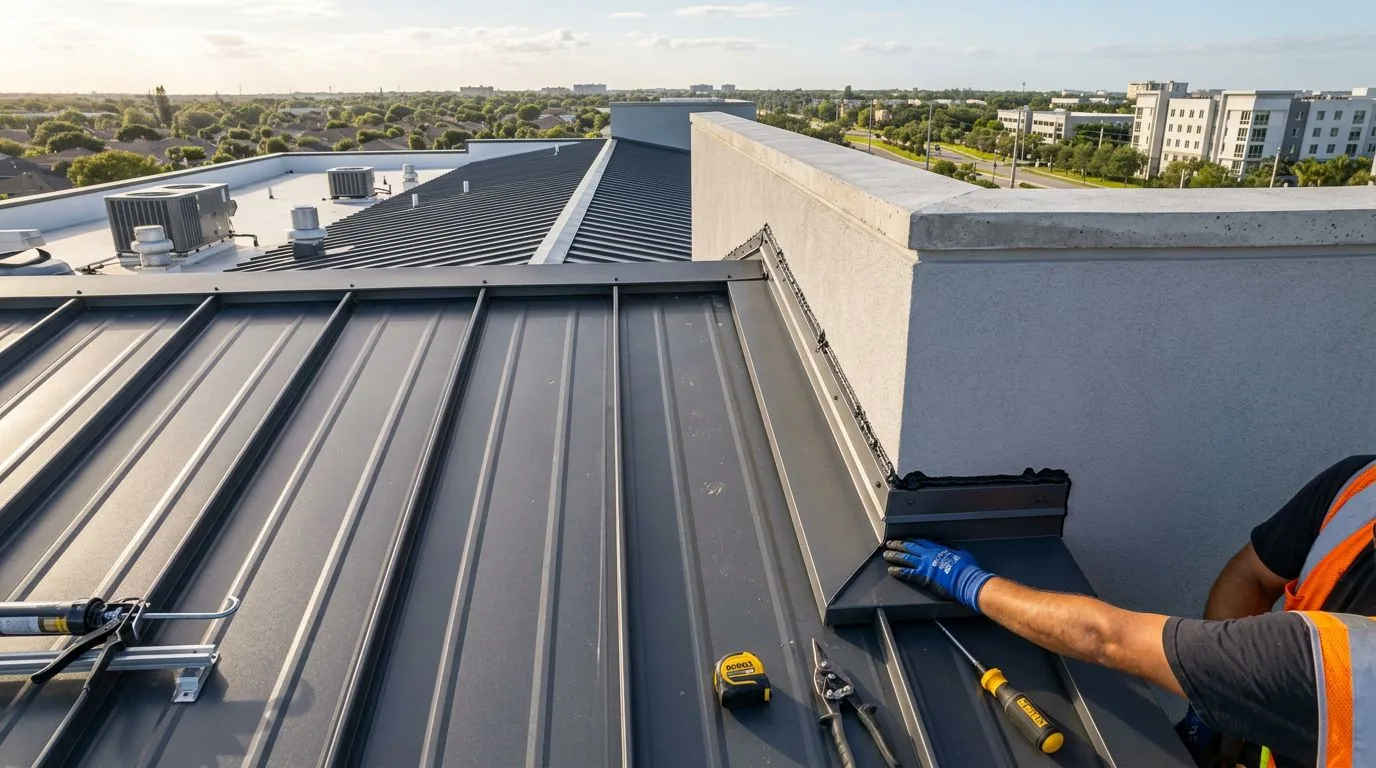
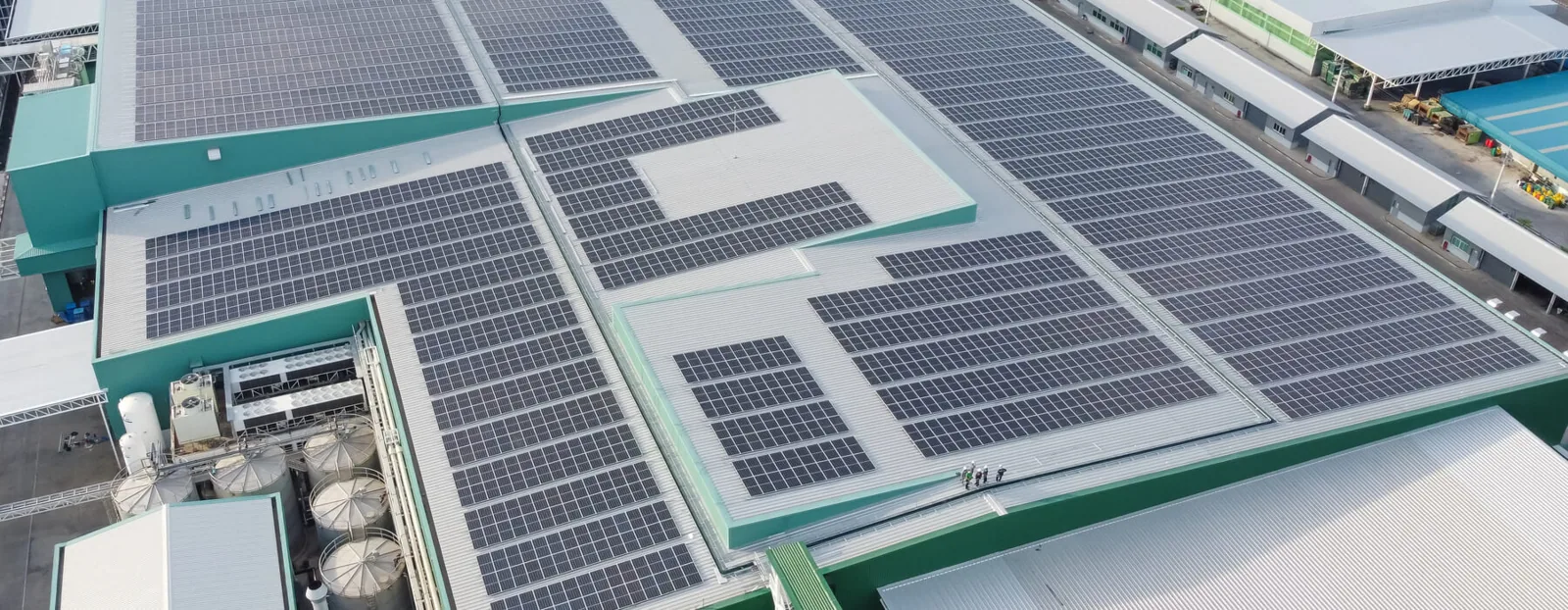
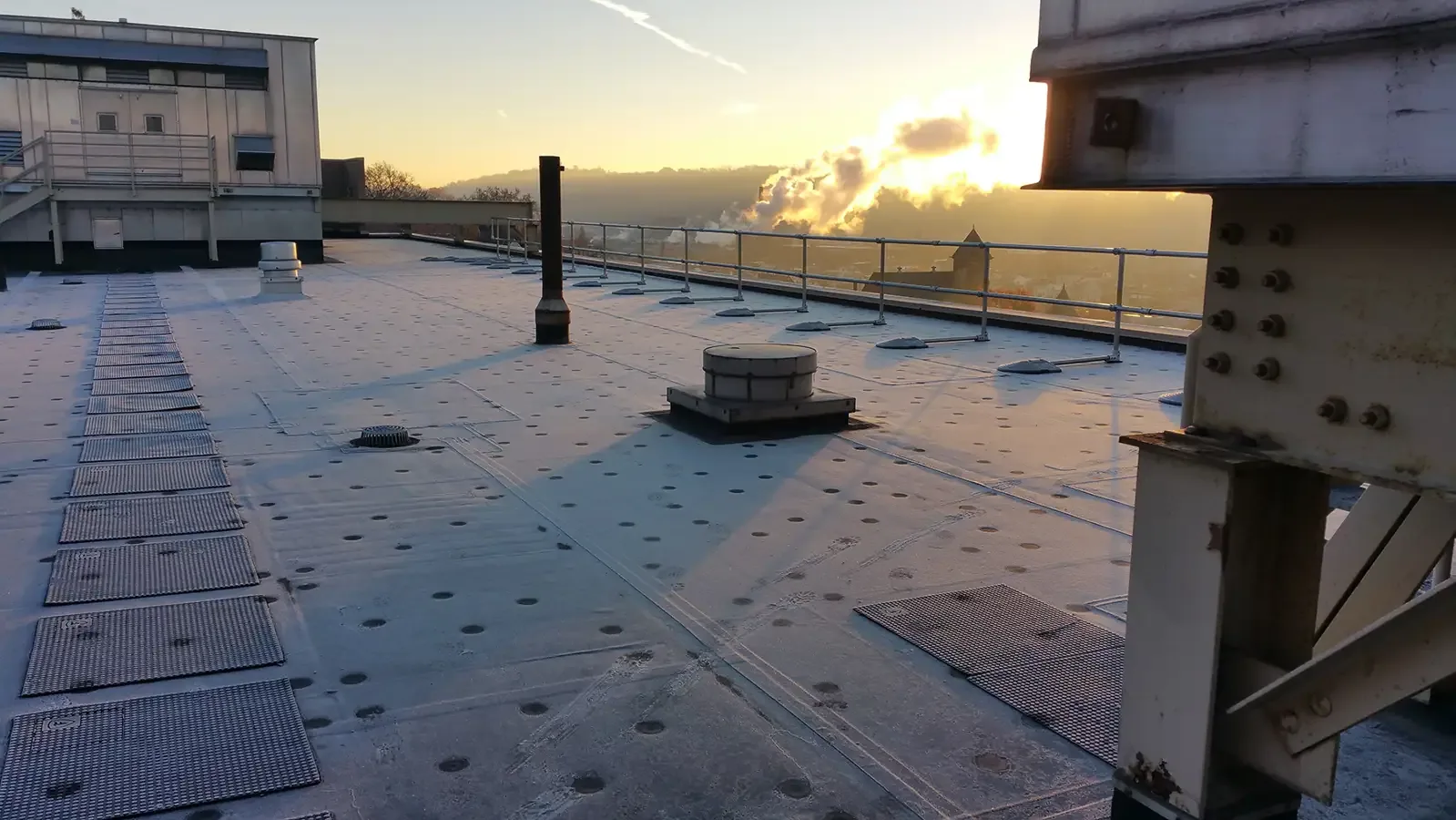
Water can enter at a curb corner, pipe boot, wall termination, expansion joint, skylight, or equipment support. We check the flashing height, attachment, laps, counterflashing, sealant, and adjacent membrane. Rust, movement, open laps, or a soft substrate may show that the visible crack is only part of the failure. The repair must connect to stable material and leave a clear termination at the edge of the work.

Fairbourne Station is a mixed-use district with office, retail, hotel, civic, and multifamily uses. In an occupied property nearby, a flashing repair may require lift access and interior protection while the area below remains in use. The contact confirms where equipment can be staged and when the roof zone is available. A commercial roof inspection can also check nearby curbs and penetrations so the repair does not miss a second failed transition.

Commercial Roof Flashing Repair

Match the leak report to the roof detail

Commercial Roof Flashing Repair

A ceiling mark can sit far from the flashing opening that admitted water. We compare the report with roof slope, wall position, drain locations, and membrane seams. Water can travel beneath the cover board or follow a deck flute before appearing indoors. If the leak path is unclear, we record likely entry points and recommend a test only where it can resolve a scope decision.

River Trail Station Area is one of West Valley City's transit opportunity districts, where higher-intensity development is directed toward stations and major arterials. That broad district context can make access coordination important, but it does not reveal a roof’s assembly. For a property near River Trail Station Area, we verify the actual route and roof detail with the site contact. A wind damage roof repair may also need perimeter flashing review after metal or membrane has moved.

Remove failed flashing without widening the opening

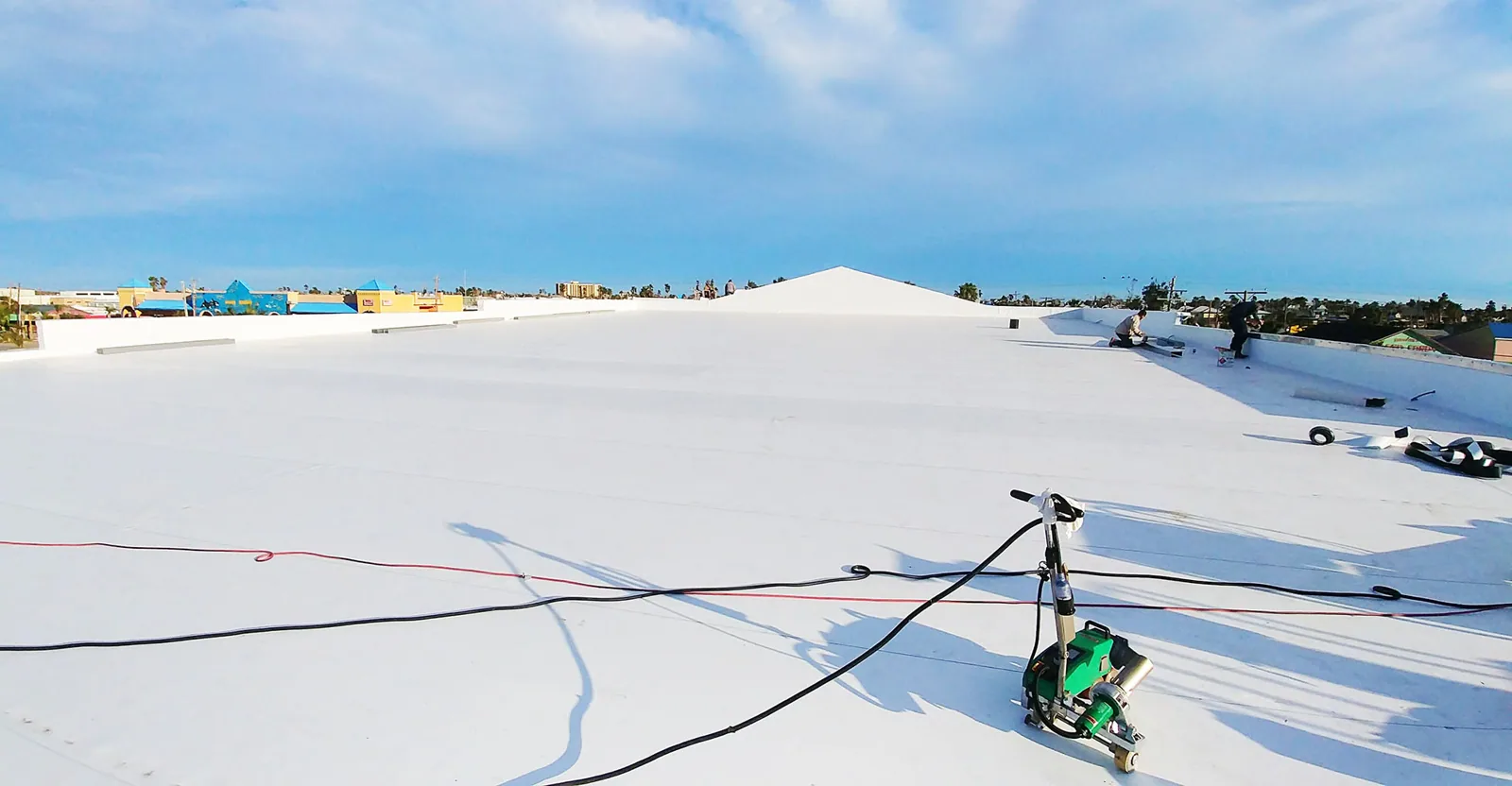
Once the defect is confirmed, we remove loose membrane, brittle sealant, or detached metal only within the approved area. The exposed surface is cleaned and checked for moisture, corrosion, and stable attachment. New flashing is formed to the curb or wall and integrated with the existing roof system. The work ends at a defined limit, with laps and terminations left visible for inspection before surrounding finishes are restored.

Penetrations have different movement and shape requirements. A plumbing vent boot does not use the same detail as a large HVAC curb or parapet. We select a compatible repair material and confirm that the base, corners, and upper termination can remain serviceable. A skylight and penetration flashing repair can rebuild a failed boot or curb transition. If the seam next to it is also open, seam failure repair may be needed to complete the water barrier.

Commercial Roof Flashing Repair

Check flashing after hot and cold cycles

Sealants, boots, and metal edges respond differently as temperatures change. A brittle sealant bead can crack, while a loose metal flange may move at the fasteners. We examine adhesion, flexibility, and the surface beneath before adding material. Salt Lake City International Airport's winter normals fall below freezing in January and December. Summer daily highs there average ninety-four degrees in July and ninety-one point seven in August. We read the roof surface and substrate before choosing the repair window.

A repair has to bond to a clean, dry surface and remain compatible with the existing membrane. If the substrate is wet, the detail should not be sealed over before the affected layer is addressed. We document the conditions that determine whether the repair can proceed during the visit or needs a dry-out and return trip. When flashing is part of a larger membrane restoration, roof coating restoration can be considered only where the assembly and detail are suitable.

Set the repair boundary and access window

Cost and timing change with flashing length, curb size, metal condition, access height, substrate repair, and the number of transitions included. We identify the units or wall runs in scope and list any location not inspected. If equipment must be isolated or moved, the responsible trade sets that window. The roofing crew can then rebuild the detail without blocking a service route or exposing the interior longer than the approved work period.

Water active inside may require temporary protection before permanent flashing material can be installed. We document that temporary limit and arrange the return after the surface is ready. For repeated leaks or transitions across a broad roof area, a commercial roof replacement may be compared with targeted repairs. The decision rests on the surrounding membrane, insulation, and deck, not on one damaged curb alone.

Photograph the completed transition

Closeout photos should show each repaired corner, lap, base, and upper termination. We record whether counterflashing or equipment access remains open for another trade. If test cuts exposed wet material or the work stopped at sound substrate, the record identifies that boundary. Facilities staff can compare the completed detail with later leak reports and see what area was actually corrected.

3500 South and Redwood Road are major arterials in West Valley City. Near the 3500 South Corridor, staging and access vary by property, so the closeout includes the roof-zone reference used by the crew. A roof condition report can preserve photos and open items for future maintenance. The next inspection can focus on the repaired flashing and nearby penetrations.

Commercial Roof Flashing Repair

Common questions

Can you seal over cracked roof flashing?

Only if the existing detail is stable, clean, dry, and compatible with the repair material. Loose metal, open laps, or wet substrate need more than a surface bead. We remove failed material within the approved boundary, rebuild the transition, and photograph the tie-in before closing the area.

How do you find which flashing is causing an interior leak?

We compare the interior report with roof slopes, penetrations, curbs, wall edges, and nearby seams. Water can travel under the roof surface, so the ceiling mark is a clue rather than a repair location. If needed, an approved test cut can verify whether insulation beneath the suspected area is wet.

Does a flashing repair include rooftop equipment work?

The roofing scope covers membrane and flashing transitions. A facility trade handles equipment shutdown, disconnection, or movement. We coordinate the roof work around that release and identify any access or support condition that remains outside the authorized scope.

When does failed flashing require a larger roof repair?

A larger scope may be needed when moisture extends into insulation, the curb or wall substrate is damaged, or adjacent seams have also opened. We show the exposed condition and the added boundary before continuing. Sound material around a single transition can often keep the repair local.

What photos do you provide after flashing work?

We record the original defect, prepared area, rebuilt base and corners, and the upper termination. The closeout also details any test cut, trade hold, or inaccessible detail. Those references help facilities staff identify the repaired transition if water appears again.

Inspect the failed roof transition

ServicesRoof SystemsIndustriesProperty TypesService AreasDamage RepairCapabilitiesManufacturersContactAboutRequest a Roof Assessment555-555-5555
Call555-555-5555