Commercial Roof Inspections in West Valley City, UT

Get a hands-on commercial roof inspection in West Valley City with documented conditions, repair priorities, access notes, and a clear next-step plan.

Schedule a roof condition review

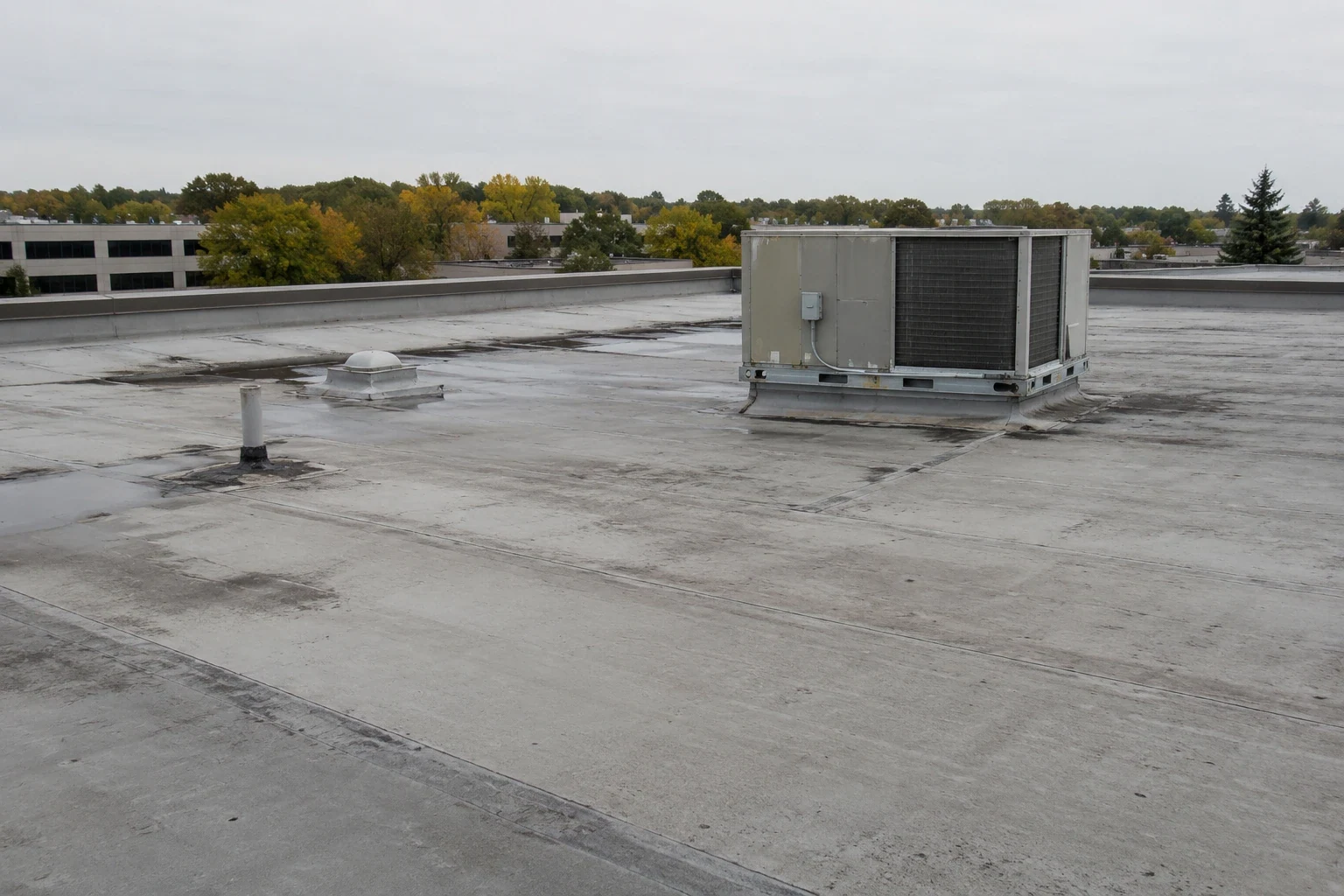
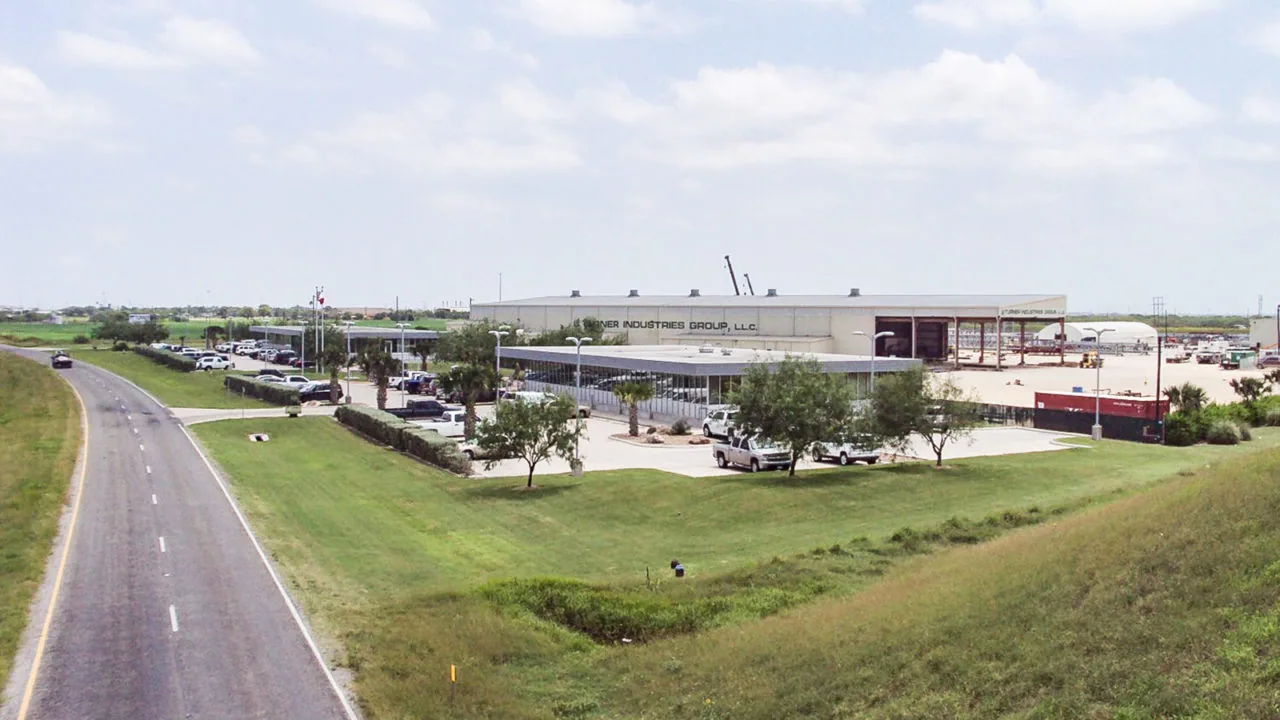
A roof can look dry from the parking lot while a loose termination or wet insulation develops out of view. Our commercial roof inspection starts with access, roof history, and the areas your team watches. In West Valley City, UT, a roof at mixed-use Fairbourne Station has different occupant needs than a broad industrial roof near the North SR-201 corridor. We walk where safe, document what we can verify, and separate observations from recommendations.

The inspection reviews visible conditions unless you approve test cuts. We check the membrane or panels, seams, flashings, penetrations, drains, edge metal, and transitions. We ask where leaks appeared, what repairs were made, and which spaces cannot be interrupted. That history helps trace patterns without treating a ceiling stain as proof of one defect. Findings are tied to roof areas so your team can act.
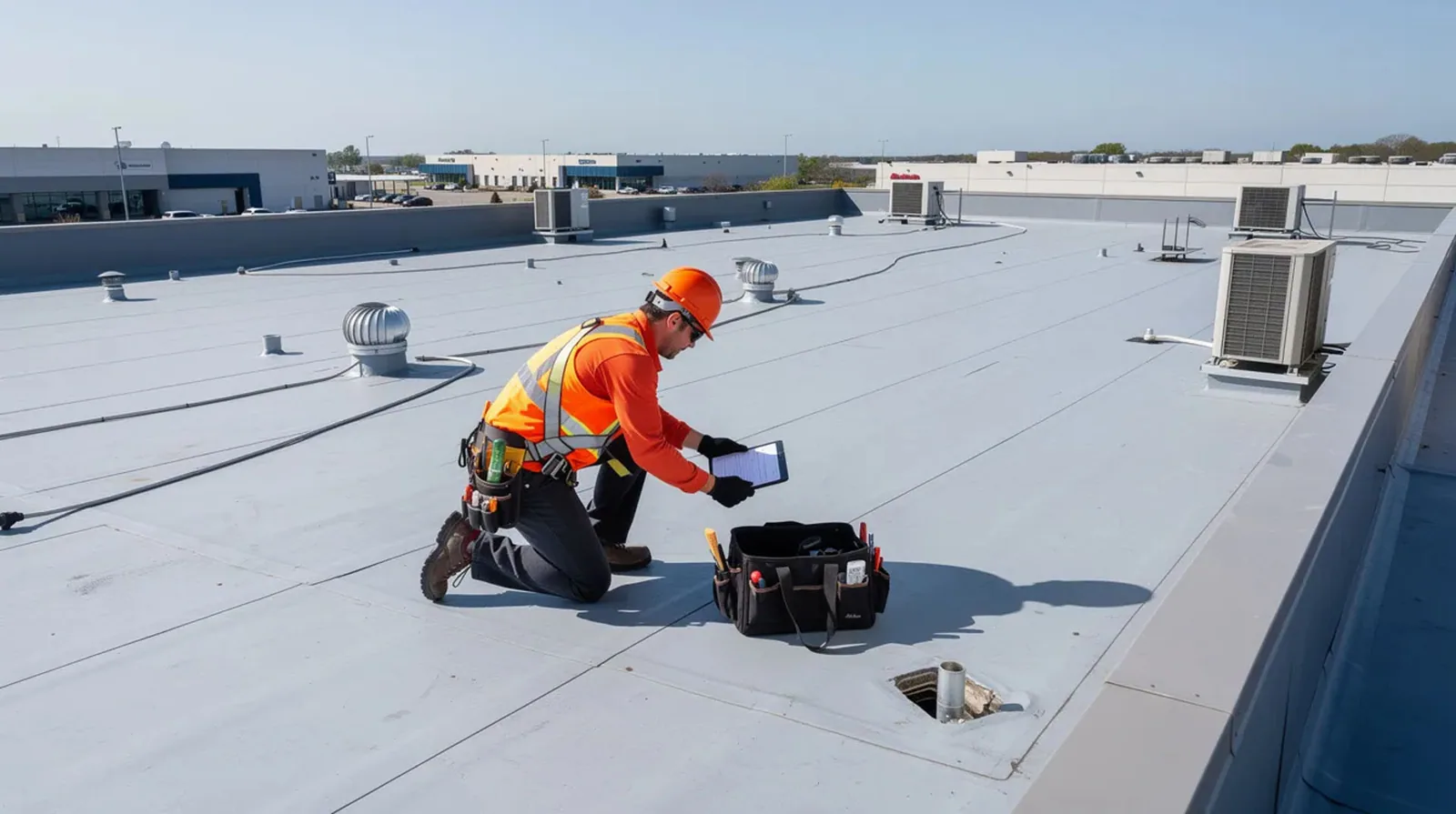
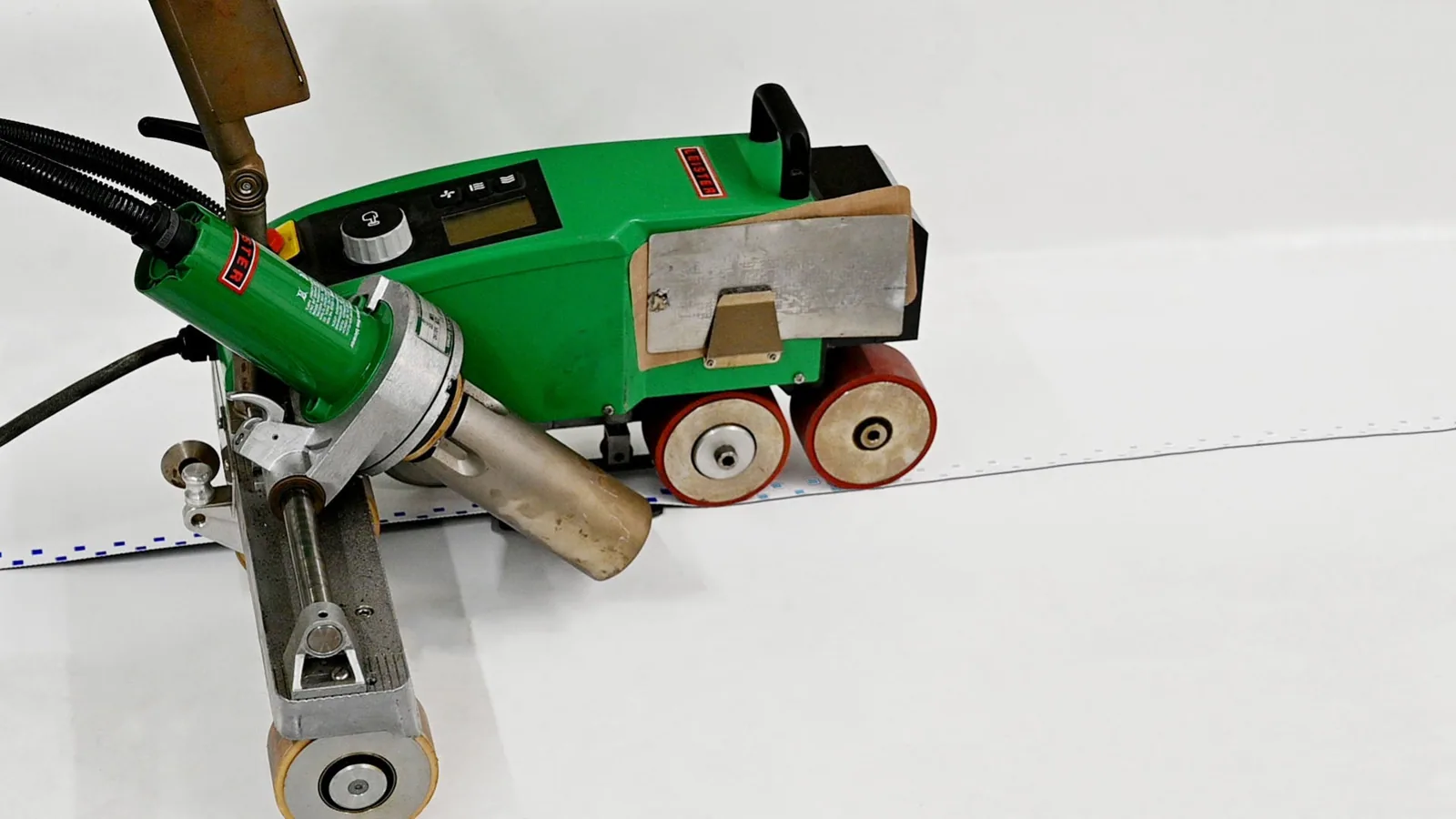
Before climbing, we confirm the address, roof sections, access point, fall-protection needs, and tenant or equipment restrictions. On a property with connected wings, we identify which areas are included and accessible. A visit may not cover a fenced platform, steep transition, or section blocked by active work. We record those limits instead of implying unseen surfaces were checked.

We review plans, prior service notes, warranty records, and leak locations you provide. They guide the walk but do not replace field observations. If the roof has several systems or additions, we note material and elevation changes. The defined scope can be compared with later visits. For recurring portfolio work, roof condition reports can organize observations by building and section.

Commercial Roof Inspections

Check the details where water can enter

Commercial Roof Inspections

We follow water paths from high areas toward drains and edges. At seams, we look for open laps, wrinkles, lost bond, punctures, and lifted repairs. Around curbs, pipes, and penetrations, we check flashing height, sealant, counterflashing, and movement. Perimeters and wall transitions matter because a failed termination can route water behind the assembly without a large opening in the field membrane.

Drain bowls, strainers, scuppers, gutters, and low points are checked for blockage or wear. We look for standing water, debris lines, and signs of slow drainage. A wet area is documented by location and apparent extent, not labeled a structural issue without evidence. Where safe, we examine accessible underside conditions or interior reports to connect roof observations with building impact. If a leak needs tracing, commercial leak repair can follow.

Describe what is visible without guessing

Inspection notes should distinguish a confirmed defect from a condition that needs testing. We identify the roof type when it is apparent, describe the condition of visible components, and mark where access or coverings limit the view. A discolored patch may reflect an old repair; it does not establish that moisture remains underneath. A soft area, open seam, or failed edge detail may justify a closer look, but the report states what was seen and what evidence would resolve uncertainty.

Utah’s building-code adoption changes on July 1, 2026, when the statewide code set moves to the 2024 International Building Code and International Energy Conservation Code with state and local amendments. An inspection can document existing conditions and flag questions for a project team. It is not a code-compliance certification or a permit review. When planned work raises code questions, we identify the issue for confirmation with the appropriate design professional or authority having jurisdiction.

Commercial Roof Inspections

Read seasonal exposure in context

Weather history can guide inspection timing, but the roof determines what needs checking. The Salt Lake City International Airport station’s normal highs are 94.0°F in July and 91.7°F in August; January and December normal minimums fall below freezing. We inspect the roof surface, exposed seams, and repair materials before setting a work window.

Snow can hide drains and low spots until it moves or melts. The same station’s 1991 to 2020 annual snowfall normal is 51.9 inches, including a 12.70-inch January mean. We note the inspection date and any visibility limits from snow or ice. Fairbourne Station is planned for civic, retail, office, hotel, and multifamily uses. Near the northern industrial corridor, we confirm the property’s lift access and delivery route before arrival.

Turn observations into ranked next steps

We organize findings by urgency and by the work needed to confirm them. Active water entry, a loose perimeter component, or a drain obstruction may call for prompt attention. Aging surfacing, isolated sealant wear, or a repair with no sign of current failure may be monitored or grouped into planned maintenance. Recommendations identify the affected area, the evidence observed, and the next action, so the owner can distinguish an immediate repair from a budget item.

When several roof areas are involved, we can separate them into repair packages that match access and operating constraints. A local repair may be enough where the surrounding material remains sound; broader deterioration may call for a scoped comparison with planned roof repair or commercial roof replacement. For large facilities, drone roof imaging may help document expansive or difficult-to-reach sections, but it does not replace close review of roof details.

Receive a usable inspection record

The closeout record includes the inspected roof sections, access limits, visible conditions, and photographs keyed to locations. We identify any areas not reached and note if snow, equipment, or active work obscured the view. A useful report gives the facilities team enough detail to find the condition again without making unsupported assumptions about concealed layers. If the inspection supports a repair, the next scope can identify the boundary, access needs, and sequencing.

For a warehouse or distribution operation, warehouse roof planning can account for loading access and interior inventory. A building in the North SR-201 industrial corridor may need inspection timing coordinated with shipping activity. At Fairbourne Station, tenant routes and shared-space access may shape the visit. We keep those practical notes with the condition record so the next action can be scheduled on real building constraints.

Commercial Roof Inspections

Common questions

What does a commercial roof inspection include?

We review accessible roof areas, visible membrane or panel condition, seams, flashings, penetrations, drainage components, edges, and transitions. The report describes observed conditions and identifies any areas that could not be reached. If a finding needs destructive testing or specialized measurement, we explain that separately so it is not confused with the visual inspection.

Will the inspection find every hidden leak?

A visual walk can locate many roof defects, but it cannot confirm concealed moisture everywhere. We compare leak history with visible conditions and identify where a test cut or moisture survey would help. If water appears indoors but no opening is visible, we record that uncertainty and recommend the next diagnostic step rather than assigning a cause without evidence.

Can you inspect several buildings in one visit?

Yes, if the buildings and roof areas can be accessed safely within the scheduled window. We agree on the included addresses or sections before arrival and note any roof that is inaccessible or outside the scope. For a campus or distribution property, a site contact can help coordinate escorts, lifts, loading activity, and tenant access.

Do you provide a repair estimate with the inspection?

When the visible condition supports a defined repair, we can outline the repair area and next scope. A concealed defect, wet insulation, or a detail that needs opening may require additional investigation before pricing the permanent work. The inspection record keeps confirmed observations separate from follow-up assumptions, so the owner can approve the right next step.

What inspection schedule fits our roof?

The interval depends on roof condition, drainage, warranty requirements, prior leak activity, and the building’s exposure. Many owners plan routine reviews and add a visit after severe weather or a repair. We can recommend a schedule after seeing the roof and its records, while avoiding a fixed interval that ignores system condition or manufacturer requirements.

Schedule a roof condition review

ServicesRoof SystemsIndustriesProperty TypesService AreasDamage RepairCapabilitiesManufacturersContactAboutRequest a Roof Assessment555-555-5555
Call555-555-5555