Commercial Roofing for Manufacturers in West Valley City, UT

Plan manufacturing roof repairs in West Valley City around production access, equipment, drains, and phased work with a clear field-based scope.

Set the plant roof work window

A loose termination above an active production line can turn a small roof repair into a shutdown question. We inspect the edge, membrane attachment, and interior exposure before setting a work limit. In West Valley City, UT, manufacturers may operate in several industrial settings with different loading and equipment needs. We map the affected zone, confirm who controls nearby systems, and keep the repair boundary tied to what the roof shows.

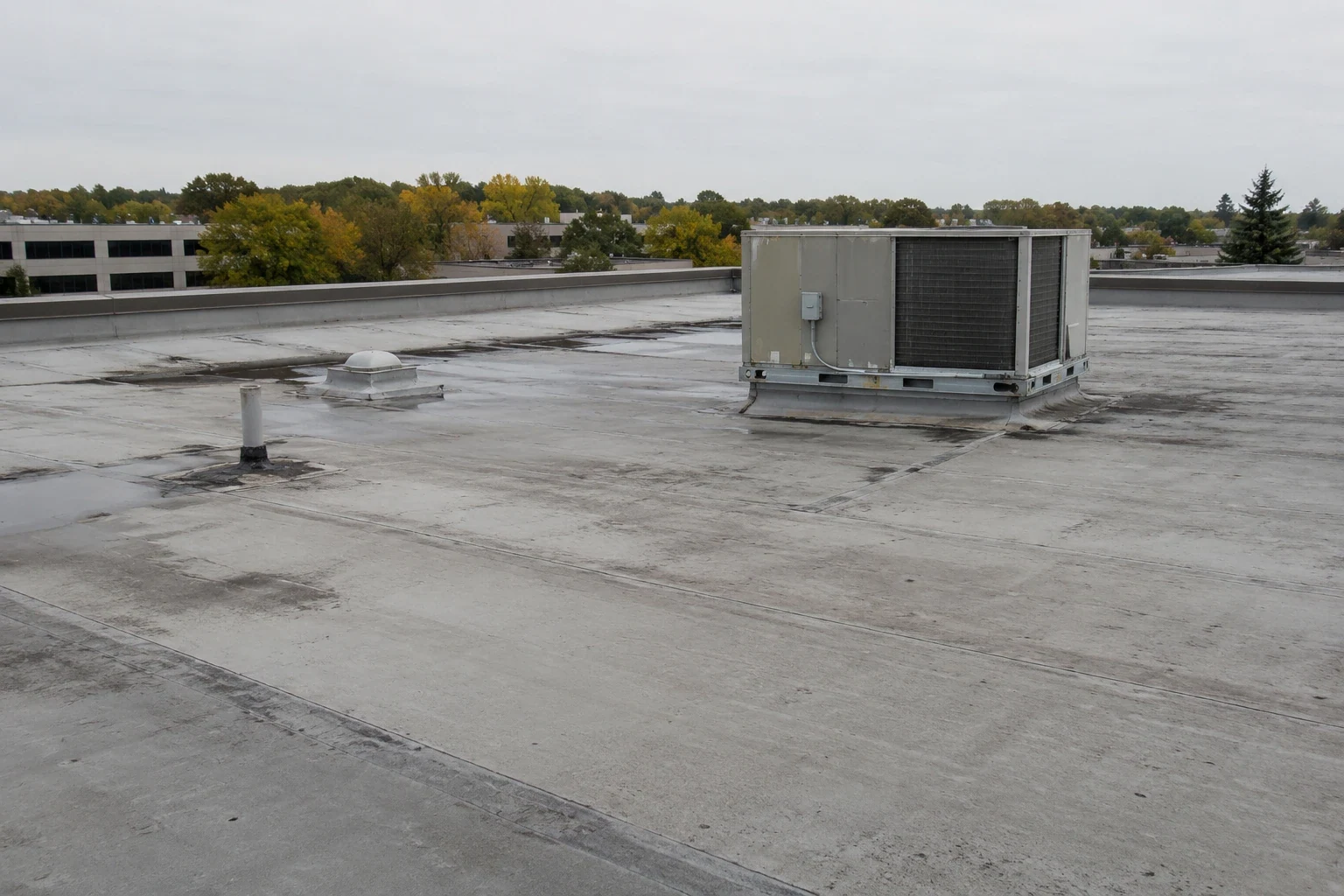
Plant roofs carry pipes, exhausts, air handlers, and other service paths that can complicate leak tracing. We compare the reported interior area with seams, curbs, and drains, then use a test cut if hidden moisture would change the scope. A commercial roof inspection can show which work can proceed while production continues and which opening needs a planned hold.
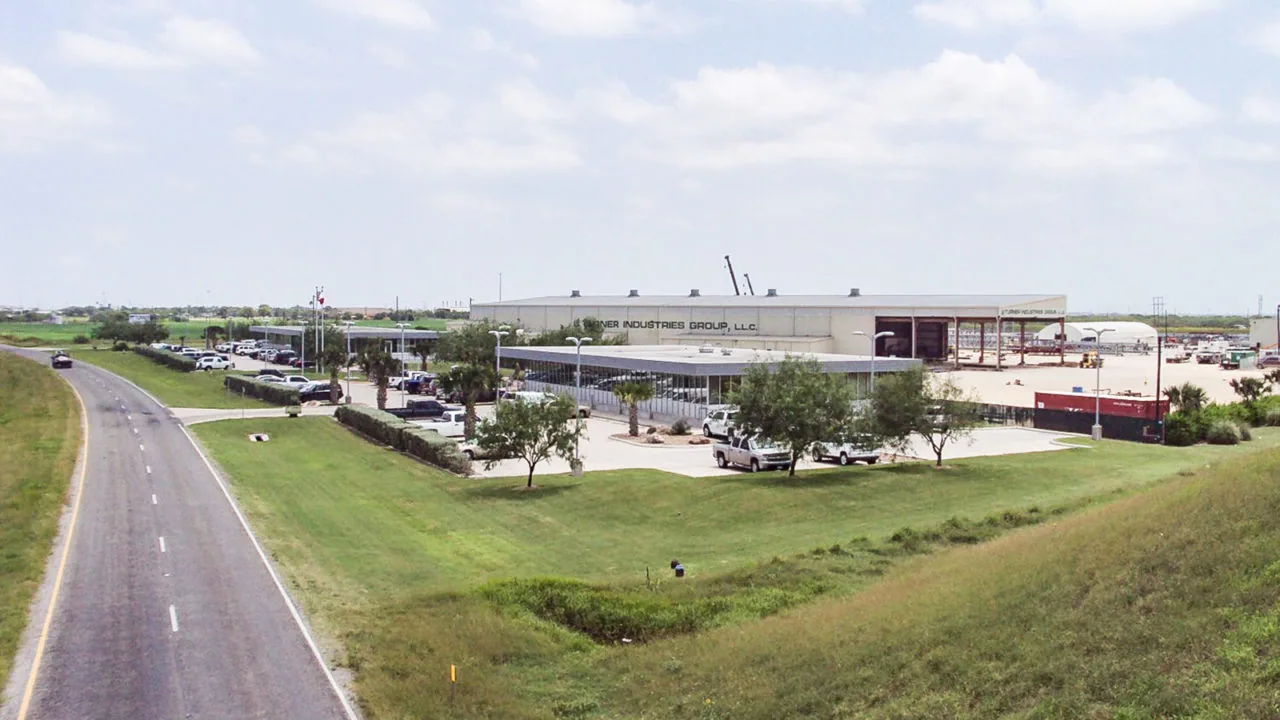
A lift near an outbound dock can compete with forklift paths and truck turning space. We identify those routes before setting material staging or a crane. The plant contact confirms when deliveries arrive, which fire lanes must stay clear, and whether a short equipment interruption is possible. We set the ground barrier and roof limit together so crews do not open more area than they can secure during the shift.

West Valley City’s northern SR-201 corridor includes trucking and distribution businesses and light-industrial development. That setting can affect material transport to manufacturing properties, but each plant decides its actual receiving sequence. We verify gate access, loading hours, and disposal routes at the site. A logistics roof coordination plan addresses similar freight constraints, while the manufacturing scope also accounts for process equipment and production schedules.

Manufacturers

Trace leaks at equipment transitions

Manufacturers

Conduit racks, exhausts, and heavy rooftop units interrupt the membrane field. We check curb corners, support bases, flashing seams, and nearby fasteners for movement or open laps. Water can travel below an attached sheet before it appears inside. A soft area near a machine may require a test cut to confirm whether insulation is wet. We map the finding and keep the repair boundary outside the equipment footprint unless evidence supports a wider opening.

Some units cannot stop during a production cycle. We identify which equipment can remain active and coordinate a shutdown only where removal requires it. The roofing scope covers the curb, flashing, and membrane connection; the mechanical trade handles disconnection and restart. A support and curb repair can be planned with that handoff. The daily closeout records the unit, roof zone, and temporary protection in place.

Check drainage before covering a repair

Debris from roof work can migrate toward a drain and slow discharge. We inspect the bowl, clamping ring, strainer, low field, and overflow path before closing a section. If the insulation is soft, we test the area before covering it. A new membrane over a trapped wet core does not remove the underlying defect. We record drainage corrections separately from field membrane and any deck repair discovered after removal.

City planning describes the Southwest Opportunity Area as having major manufacturing uses alongside changing land and future use designations. That area context makes phased access and material movement relevant to some industrial projects, though it does not identify a specific roof condition. A Southwest Opportunity Area site walk still needs a building-level review. For larger roof sections, a manufacturing plant roofing scope can mark drains, equipment, and work limits by zone.

Manufacturers

Select repairs that fit the existing assembly

Manufacturing buildings may use different roof systems across additions or production areas. We identify the existing membrane, insulation, deck, and attachment before choosing a patch, recover, coating, or replacement. A repair needs compatible materials and a sound substrate. If moisture crosses several seams or attachment has failed broadly, a small surface repair can leave the condition under the roof in place.

Cost depends on test cuts, insulation removal, equipment access, drain adjustments, edge details, and how much production must pause. We separate field work from shutdown support and temporary protection. If concealed conditions emerge, the estimate identifies the approval point before the crew expands the scope. A replacement comparison can distinguish removal, deck review, and new assembly cost from a recover option on a stable base.

Plan for warm and snowy seasons

At the Salt Lake City International Airport station, the normal July daily maximum is 94.0°F and the August normal is 91.7°F. Those normals frame seasonal material planning. At each plant, we inspect the membrane and substrate and measure surface temperature before selecting adhesive or coating work. On an active plant, the work limit also has to account for equipment, exhaust paths, and the area that can be protected before the next shift.

The airport station’s 1991 to 2020 normal is 51.9 inches of annual snowfall, including a 12.70-inch January mean. We use those figures to schedule seasonal drain and perimeter checks, then inspect the assembly and coordinate access around production. A scheduled maintenance visit can capture these conditions before they force an unplanned closure.

Leave operations a marked handoff

Closeout should state which roof zones were repaired, what materials went in, and whether a test cut changed the boundary. Photos document drains, seams, curbs, and edges before lifts leave. We list equipment shutdowns and any unresolved condition separately. The facilities team can then compare the next leak report with the actual repair area. A roof condition record can retain those findings with follow-up items.

North of SR-201, the city’s Northwest Opportunity Area includes industrial and vacant parcels; manufacturing and other uses occur in the wider area. For an operator with several facilities, one marked record per property prevents a local repair from becoming a portfolio-wide assumption. A managed-building roof register can organize those separate findings, while the plant’s own production and safety rules set the next access window.

Manufacturers

Common questions

Can a manufacturing roof be repaired while production runs?

Often, separate roof zones can be sequenced while nearby operations continue. We identify equipment that must remain active, routes that cannot be blocked, and the area that can be protected each shift. If the repair requires a shutdown, the plant contact sets the access window before the roof is opened.

How do you locate a roof leak above machinery?

We compare the interior report with curbs, seams, penetrations, and drains above the area. Water may travel below the membrane before showing inside. A test cut can confirm wet insulation and move the repair boundary. We record the location so the plant can coordinate production and equipment access around the work.

What changes the cost of a plant roof repair?

Insulation removal, equipment coordination, lift reach, drain work, and production restrictions affect the scope. We separate confirmed field repairs from shutdown support and concealed conditions. If removal reveals a damaged deck, the estimate gives management an approval point before the work continues.

Should drains be checked during reroofing?

Yes. We inspect the bowl, ring, low area, and overflow route before covering the field. A blocked or low drain can leave water against new seams. We list drainage corrections separately so the owner can see what is included with the membrane work and what remains open.

What should maintenance receive after roof work?

Keep a marked roof plan, photos, material details, drain findings, and the list of deferred conditions. We note equipment affected and where the crew stopped each day. That gives facilities a baseline for later repairs and helps operations plan access without reopening the same question.

Set the plant roof work window

ServicesRoof SystemsIndustriesProperty TypesService AreasDamage RepairCapabilitiesManufacturersContactAboutRequest a Roof Assessment555-555-5555
Call555-555-5555