Commercial Roof Repair in West Valley City, UT

Repair roof seams, flashing, membrane damage, and drains in West Valley City. We mark the work limit and document conditions before starting.

Define the repair boundary

A lifted termination bar can let water travel behind a wall flashing long before the membrane field looks worn. We inspect the nearby seam, fasteners, substrate, and interior signs before choosing a repair. The scope may stay at one detail or extend to the next bonded area. For a West Valley City, UT building near the northern SR-201 industrial corridor, that boundary also needs to fit truck access, roof entry, and the work hours the operation can give us.

We repair low-slope and metal commercial roofs, including seams, flashings, penetrations, drains, edge metal, and isolated membrane damage. The repair method follows the existing roof and the failure mode. A patch on an unprepared surface can peel; sealant over a moving joint may split again. We show what the inspection found, what the repair corrects, and what condition could require a larger scope.
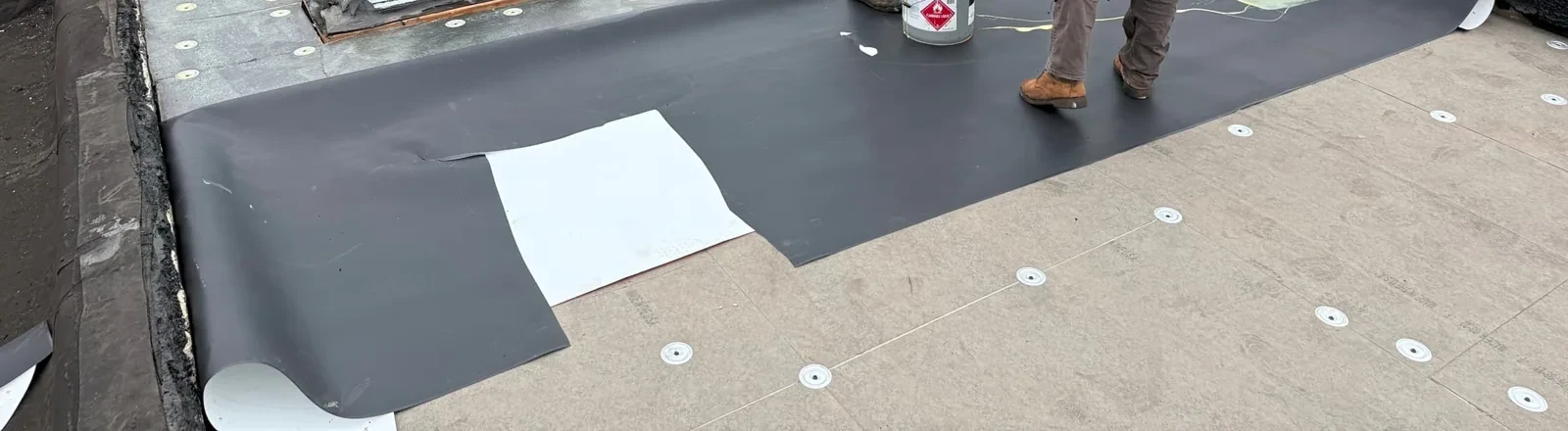
A darkened lap, loose corner, or cracked sealant line helps narrow the search, but the failure can extend past what is visible. We check seams by hand, test the bond at nearby patches, and follow water paths to drains and wall transitions. Soft insulation or a wet core changes the repair boundary. We mark that area for a test cut or removal instead of sealing over a condition that needs to dry or be replaced.

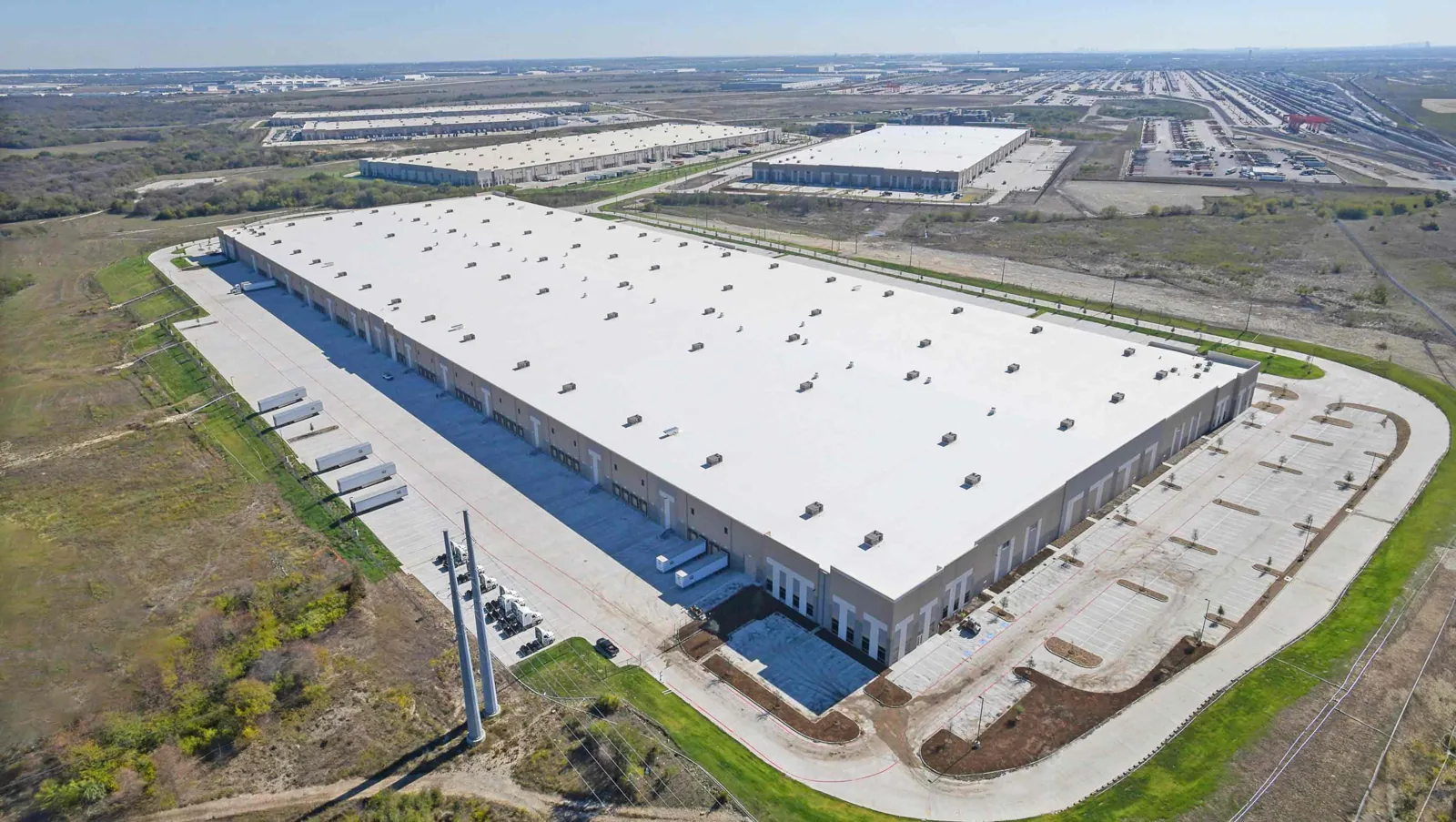
West Valley City planning describes commercial transportation and distribution activity along the northern SR-201 edge, with light-industrial uses extending toward 2700 South. For buildings in this area, rooftop work must account for operating equipment, loading schedules, and service routes. We identify those limits while mapping the repair so lifts and materials do not obstruct the shipping pattern. An active leak trace may be needed first if water is still entering the building.

Commercial Roof Repair

Keep the repair limit visible

Commercial Roof Repair

We start with the smallest area that can be prepared and bonded correctly. Loose membrane is cut back to sound material, wet insulation is removed where included, and transitions are cleaned before new flashing or patch material goes down. The edge of the repair should land on stable substrate with enough room for the required lap. If moisture spreads beneath the field, the proposed patch needs to move until the remaining roof is dry and secure.

A marked sketch ties the field condition to the work description. It identifies the defect, the surrounding area checked, and any test location that informs the decision. If the repair grows during removal, we pause at a safe boundary and show the newly exposed condition before adding labor or material. This keeps a small repair from quietly becoming a broad replacement. For a larger pattern of failed seams, compare it with roof replacement before approving repeated patches.

Match materials to the roof

A patch must work with the existing membrane, not just cover it. We confirm whether the roof is TPO, PVC, EPDM, modified bitumen, built-up, coating, or metal, then select compatible repair materials and preparation. Thermoplastic seams may need cleaning and heat-welded reinforcement; EPDM repairs depend on sound surface preparation and compatible adhesive or flashing. Metal joints need movement and fastening conditions considered before adding sealant or cover material.

For a coating assembly, we check adhesion, existing layers, and whether the repair area can be brought back to a continuous surface. A coating does not correct wet insulation or loose metal. Where a small repair is not enough, a flashing repair or seam-failure repair may need distinct detailing. The city describes business parks as mixes of office and light-industrial facilities, so the roof type can change from one building to its neighbor. We verify each assembly on site.

Commercial Roof Repair

Protect occupied operations

Repair work can affect the space below through noise, odors, vibration, or temporary equipment shutdowns. We coordinate access with the property contact and identify sensitive areas before opening the roof. At an office or medical building, a small interior protection zone may be important. At a warehouse, the question may be whether a lift or material cart can cross the loading area. Those details shape the repair sequence and the time needed to close each opening.

The 201 Mountain View Park is described by West Valley City as a planned industrial and logistics development with multiple distribution buildings. That broader use context makes staging and truck circulation relevant to repair planning without assuming any particular roof condition. We confirm the actual building layout, place materials safely, and keep drains open during work. For a property that cannot pause operations, occupied-building roof work is planned in smaller areas with clear closeout points.

Choose a safe repair window

Weather and roof temperature affect cleaning, welding, adhesive, and sealant work. Salt Lake City International Airport’s climate record puts the typical July daily high at 94°F and August’s at 91.7°F. Normal overnight minima drop below 32°F in January and December. We check roof surface and product requirements before setting the application window.

Snow also changes access and repair priorities. The Salt Lake City International Airport station’s 1991-2020 snowfall normals are 51.9 inches annually and 12.70 inches in January. We inspect drains, scuppers, and edge transitions before setting winter repair timing. We clear only what is needed for safe inspection and repair, protect the work area, and confirm that water can reach the drain bowl before we leave.

Make the repair record useful

After the repair, we photograph the prepared surface, installed patch, seams, terminations, and nearby drainage details. The closeout record notes what was repaired and whether any surrounding condition remains outside the approved scope. A roof condition report can track recurring repairs by location and help the owner plan capital work.

If several similar repairs appear across the field, we compare age, attachment, seam condition, and moisture findings before recommending more patches. A recover option may fit when the existing roof is dry, secure, and within code limits; widespread wet insulation may instead point toward replacement. For work near the North SR-201 corridor, we keep the next access window tied to facility operations and record any staging limits for follow-up visits.

Commercial Roof Repair

Common questions

What roof problems can you repair without replacing the whole system?

Isolated open seams, punctures, flashing failures, loose edge metal, and small areas of damaged insulation can often be repaired when the surrounding roof is sound. We check bond, moisture, and substrate before setting the limit. If failure repeats or wet insulation continues beyond a local area, we price the larger correction.

Will you use the same material that is already on the roof?

The repair material must be compatible with the existing assembly and suited to the failure. We identify the membrane or metal system, prepare the surface, and select a patch, flashing, weld, or sealant that can bond under the site conditions. If the roof type is unclear, a test area or additional inspection may be needed before we set the material list.

How do you price a repair when the damage may extend underneath?

We price the visible work and identify likely concealed conditions separately. Test cuts or removal can reveal wet insulation, deck damage, or failed attachment that cannot be measured from the surface. If new damage appears, we stop at a safe boundary, photograph it, and confirm the additional work before moving forward. The owner can see where the original scope ended.

Can roof repair be scheduled around a warehouse operation?

Yes, the access window, loading routes, and equipment clearances determine the sequence. We coordinate where materials are staged, how crews reach the roof, and when noise or shutdowns may occur. In the northern SR-201 corridor, truck activity can make those choices especially important.

What do you check after a patch is installed?

We inspect the bond, lap width, edge condition, terminations, and nearby drainage. Closeout photos show the repaired detail and record any adjacent condition that remains. If water still enters after the repair, we return to the mapped path and test the next likely transition rather than placing another patch without a new inspection.

Define the repair boundary

ServicesRoof SystemsIndustriesProperty TypesService AreasDamage RepairCapabilitiesManufacturersContactAboutRequest a Roof Assessment555-555-5555
Call555-555-5555