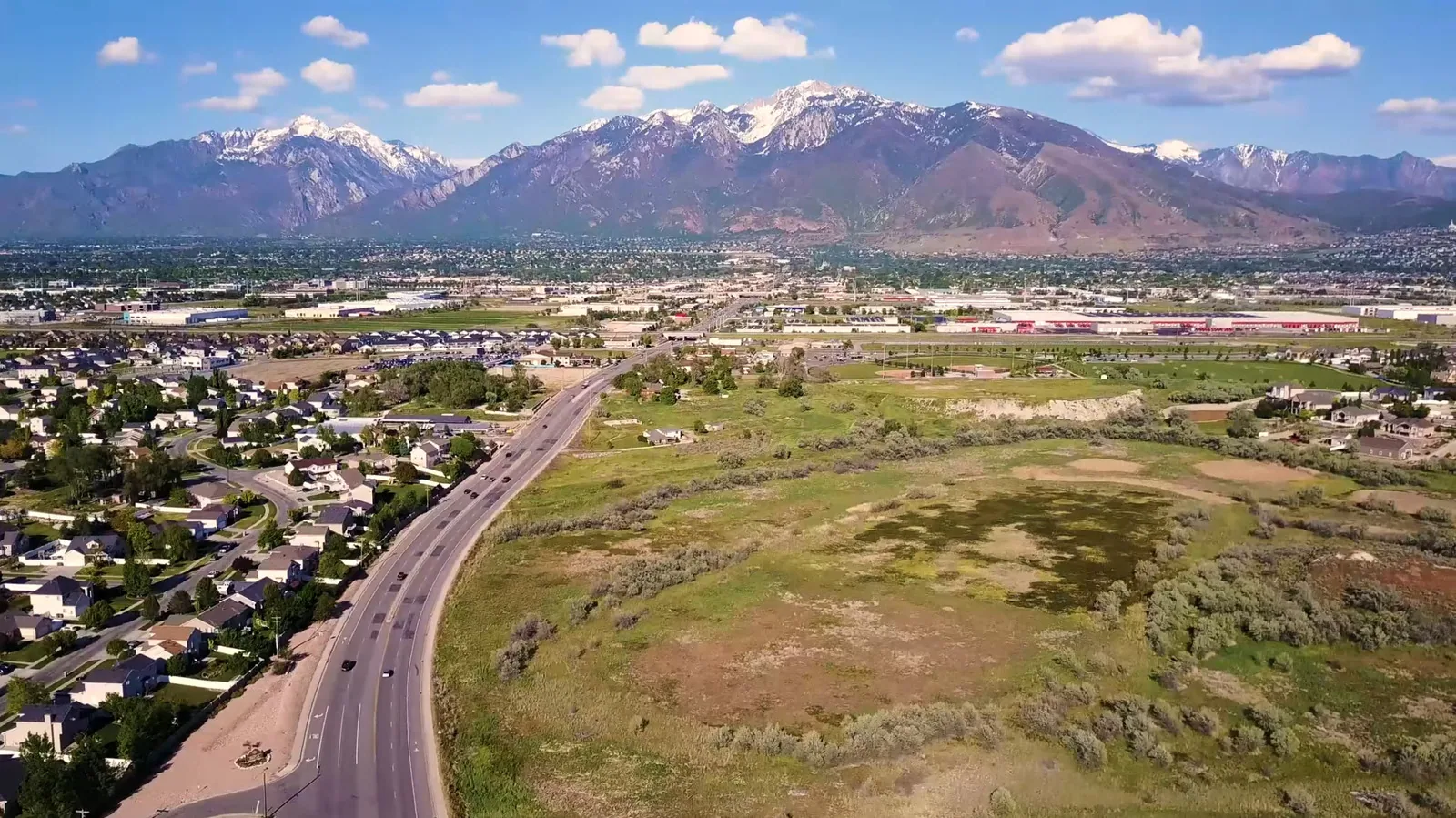
Commercial Roofing for School Districts in West Valley City, UT

Coordinate school district roof repairs in West Valley City by campus, access window, drainage, and classroom impact with a documented scope.

Set the campus roofing window

A test cut over a classroom can decide whether a district prices one repair or opens a larger roof section. We first map the leak area, inspect nearby flashing and drains, and check what supports the membrane. In West Valley City, UT, a district may manage campuses with separate schedules, additions, and access rules. We keep each finding tied to its building, then set the work limit around the school calendar.

District staff need to know which rooms, entrances, and roof zones are affected. Our inspection record connects photos and test locations to those areas. A commercial roof inspection can separate urgent repair from maintenance and help facilities compare the next phase without treating every campus as one assembly.
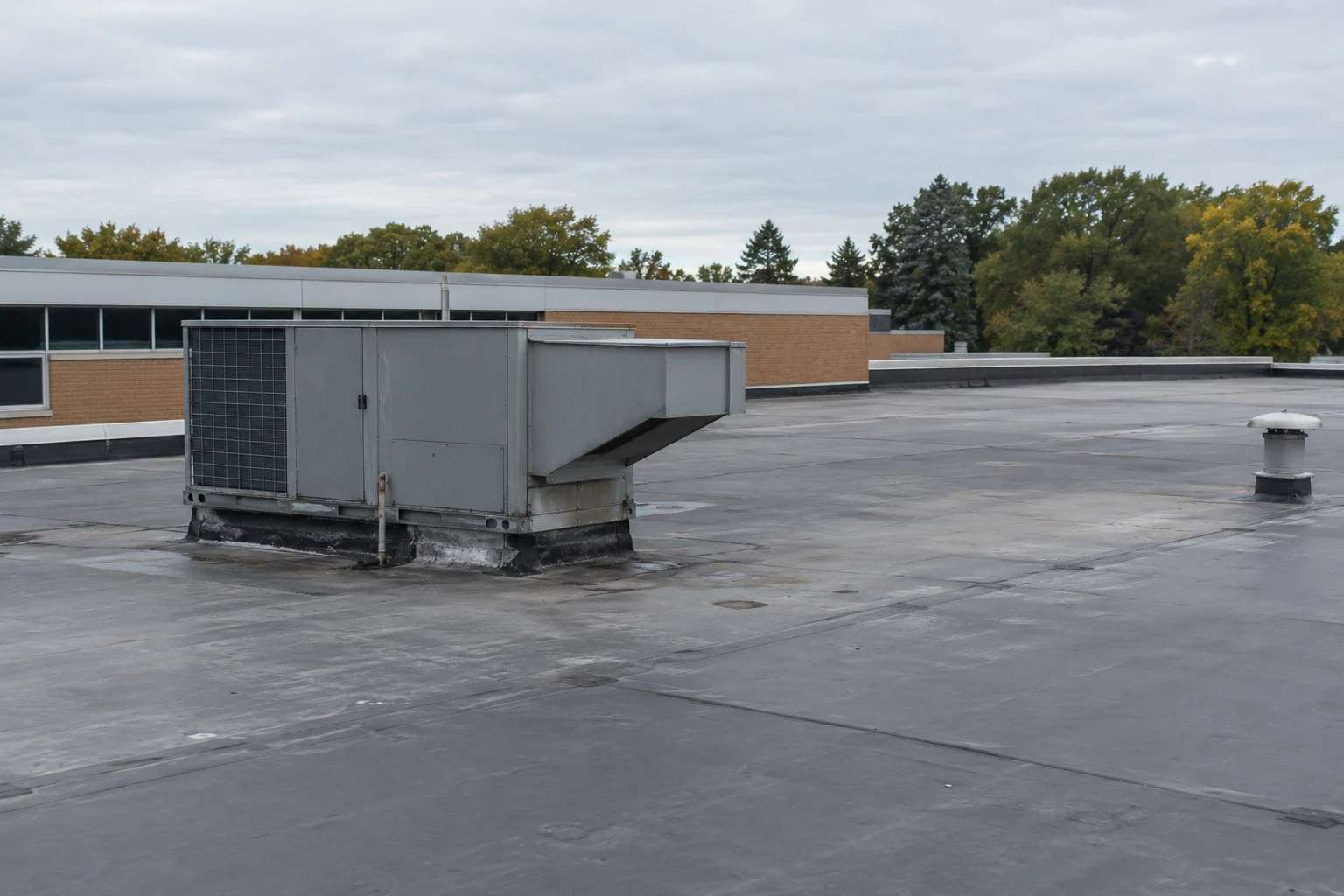
Different buildings can have different membranes, decks, insulation, and repair histories. We label each campus and roof section before comparing conditions. A stain in one classroom does not set the repair limit for the gym or administrative wing. We inspect seams, curbs, drains, and transitions where additions meet older roof areas. Test cuts answer whether moisture is limited or extends beyond the visible defect.

Business parks in West Valley City are laid out for offices, light industry, research operations, and their supporting services. School roofs have their own classroom, kitchen, and gym constraints, so we record findings by campus and building. For buildings managed with a municipal portfolio, a property-management roof register can preserve each campus as a separate asset.

A useful campus roof map distinguishes the original field from later additions, low transitions, and rooftop equipment zones. We compare the reported room with the roof section above it, then check nearby drains and wall connections before assigning quantities. If two wings meet at a change in height or membrane, that transition gets its own photo and condition note. District staff can then compare work by building without carrying one roof assumption into another.

School Districts

Set work windows around students

School Districts

Arrival, dismissal, deliveries, and after-school activities can change when a lift may operate. We confirm those windows with facilities before bringing materials through a campus. The plan marks student routes, fire lanes, and entrances below the active roof area. If a noisy repair sits above occupied rooms, we can set a different shift or isolate another zone first. Each phase ends inside a secured dry-in limit.

3500 South is a major arterial, and its transit corridor links employment and activity centers. For a school near 3500 South, we verify the approach, staging area, and pedestrian path with facilities before placing lifts or dumpsters.

Protect rooms below open roof areas

Before removing material, we identify sensitive rooms, ceiling equipment, and areas where water intrusion would disrupt instruction. We install temporary protection below the work zone and agree on the day’s stop point. If a test cut finds wet insulation, the crew secures the opening while facilities reviews the added limit. A broad repair does not proceed on assumption alone. The district sees what is confirmed before approving more removal.

Some school roofs include exhaust, skylight, and mechanical penetrations near interior spaces that need continuous service. We coordinate each unit with the maintenance team and the trade responsible for it. The roof scope names the flashing and membrane connection, while the equipment handoff stays clear. A phased occupied-building plan can show the sequence, noise limits, and access holds that keep a classroom wing usable.

School Districts

Check drains before seasonal work

Hot roof surfaces can change adhesive handling and the length of an exposed work period. At the airport station, July's normal maximum is 94.0°F and August's is 91.7°F. We use those seasonal figures to plan, then check the actual roof before work. We measure roof-surface and substrate conditions before application, then check them against the installation instructions to set the school work window.

Snowfall normals at Salt Lake City International Airport total 51.9 inches for the year, with January accounting for a 12.70-inch monthly mean. Before winter access becomes limited, we inspect campus drains, bowls, scuppers, low points, and perimeter metal. A drain and scupper repair can be scoped before a new assembly covers existing details. We also keep temporary water paths open while each campus section is under construction.

Before the roof is covered by new material, we check that each bowl and overflow path remains open. A strainer can look clear while sediment or damaged membrane restricts the connection below it. We note the sump condition, clamping ring, and any low area that holds water after the outlet is cleared. If the deck or insulation appears compressed, that condition is separated from routine drain cleaning and reviewed for a larger correction.

Compare repair and capital options

Repair cost depends on roof layers, wet insulation, drain work, access, equipment coordination, and how much of the school must be isolated. We list confirmed work by campus and mark concealed conditions as unpriced until opened. If several wings show the same seam failure, a larger phase may cost less disruption than separate emergency visits. The scope explains which finding changes that comparison.

Fairbourne Station is planned for office, hotel, medical-office, multifamily, retail, and civic uses. For a school roof visit near the district, we confirm the campus entrance, staff route, and staging limits with facilities. A replacement program can phase removal around school breaks, while a public-agency roofing review can clarify approval steps when facilities coordinate with municipal owners.

Keep campus records ready for review

Closeout should identify the building, roof zone, work completed, test cuts, materials, and conditions left open. We label photos so facility staff can find the curb, drain, or seam on the roof plan. Any follow-up inspection remains attached to the correct campus. A roof condition report can keep these records with maintenance tasks and future budget requests.

The Green Line, UTA Intermodal Hub, and 3500 South transit corridor link West Valley City employment and activity centers. For district operations, we confirm each campus gate, bell schedule, and material route with facilities before work begins.

School Districts

Common questions

Can roof work happen during the school year?

It can when the active zone, room below, access route, and noise window are planned in advance. We map the daily dry-in boundary and coordinate work with facilities. If a classroom or entrance cannot stay protected during a phase, we set that area for a different window.

How do you compare roof needs across several campuses?

We use a consistent record for each campus and preserve its system, photos, test results, leak history, and access limits. The district can compare priority and cost drivers without assuming the buildings have the same condition. A roof map keeps findings tied to the correct wing or facility.

What happens if a test cut finds wet insulation?

We mark the location and confirm how far moisture extends before expanding removal. The opening is secured while the district reviews the added scope. If the wet area remains local, the repair boundary stays compact. Wider moisture becomes a separate approval decision with its own cost and schedule effect.

How do you protect classrooms below a repair?

We identify the room and ceiling condition before opening the roof, then set interior protection and a secure stop point. The facilities contact receives the daily boundary and any change found during removal. If a condition threatens the agreed limit, the crew closes the opening and reviews the next step.

What should a district retain after reroofing?

Keep campus plans, roof-zone photos, materials, drain findings, approvals, and deferred items together. We note which rooms or entrances were affected and when the area returned to service. That record helps district staff plan maintenance without repeating the same site investigation.

Set the campus roofing window

ServicesRoof SystemsIndustriesProperty TypesService AreasDamage RepairCapabilitiesManufacturersContactAboutRequest a Roof Assessment555-555-5555
Call555-555-5555