Commercial Roofing for Logistics and 3PL Operators in West Valley City, UT

Coordinate warehouse and logistics roof repairs in West Valley City around dock schedules, drainage, equipment, and delivery access.

Set the roof window around dispatch

A split seam above a dock lane can threaten inventory handling before the leak reaches the floor. We trace the water path, check the insulation, and mark the repair boundary before a lift blocks a loading position. In West Valley City, UT, logistics operators work within a market where trucking and distribution are concentrated near SR-201. The facility’s dock schedule still decides when crews and materials can move.

A third-party logistics roof may serve receiving, storage, sorting, and office areas under one assembly. We identify the affected zone and compare it with drains, curbs, and nearby seams. A commercial roof inspection can separate a local puncture from a wet field that needs removal. The scope should show where work ends and what would trigger a wider opening.
Trailer queues, forklift paths, and crane access can compete for the same yard space. We map the delivery route and lift position before setting barriers or scheduling disposal. The operations lead confirms which dock stays active and whether a short closure is possible. A work zone should not force vehicles through an unplanned turn or place roof debris across a freight path. The ground plan and roof limit move together.

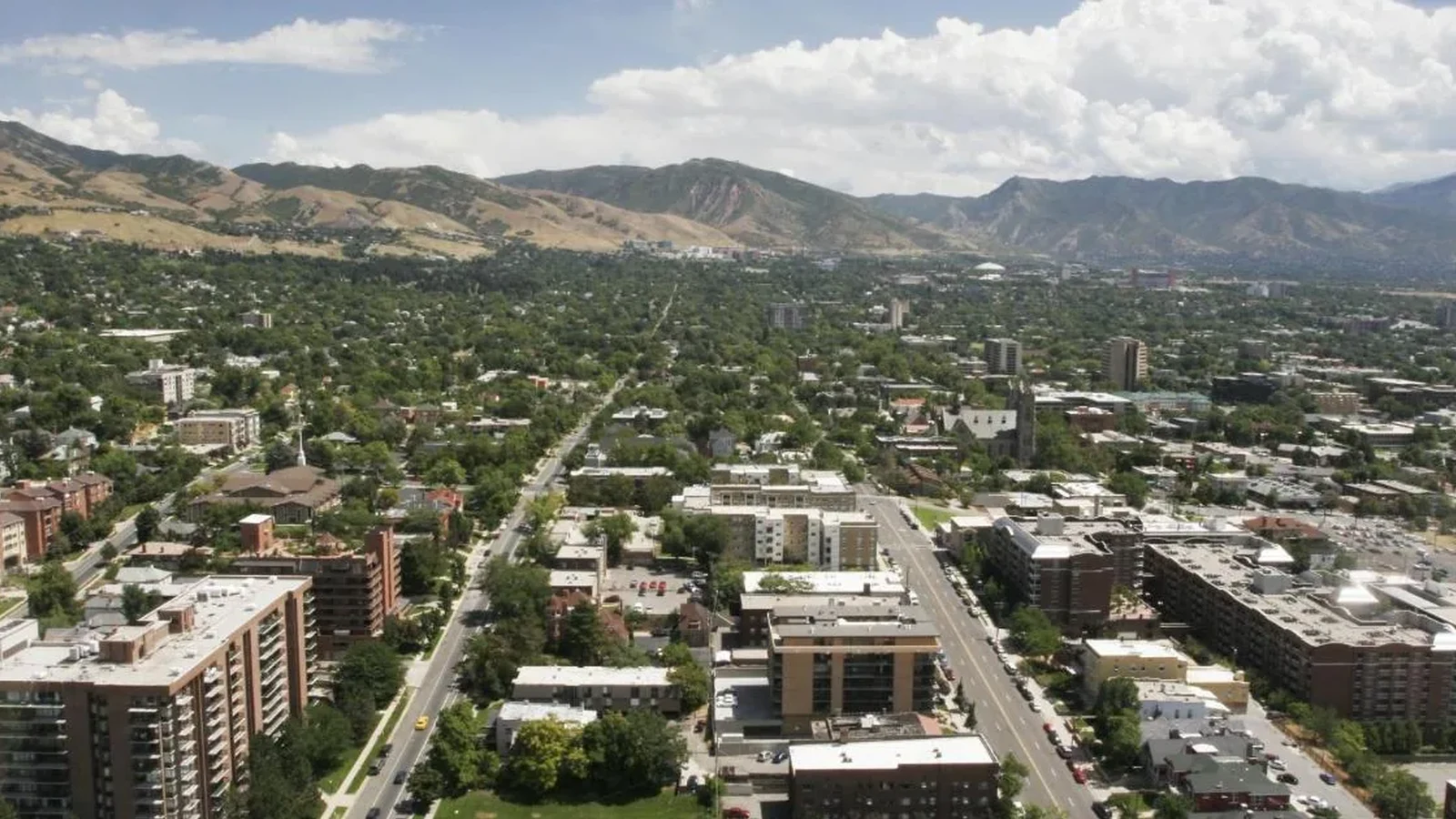
Trucking and distribution businesses operate along the northern SR-201 corridor. West Valley City industrial destinations connect to SR-201 through the Bangerter Highway and I-215 network. These routes help set approach and delivery timing; gate width, turning space, staging, and shift changes are confirmed with the facility. A northern SR-201 access plan can frame those route details before the walk.

Logistics and 3PL Operators

Map leak reports to roof zones

Logistics and 3PL Operators

A stain near a pick aisle may sit below a seam, penetration, roof drain, or curb beyond the visible drip. We compare the interior report with roof slope and details before cutting. If a meter indicates possible moisture, a test cut confirms the insulation condition. We mark the opening and the nearest sound boundary. That gives the operations team a repair limit it can compare with inventory and equipment locations.

West Valley City's distribution and manufacturing concentration includes 201 Mountain View Park, a planned logistics and industrial development spanning multiple buildings. We inspect each facility’s membrane, insulation, equipment, and access before setting a roof scope. A manufacturing roof work plan can address production equipment, while a logistics scope also tracks dock sequencing and cargo movement.

Check the details around equipment

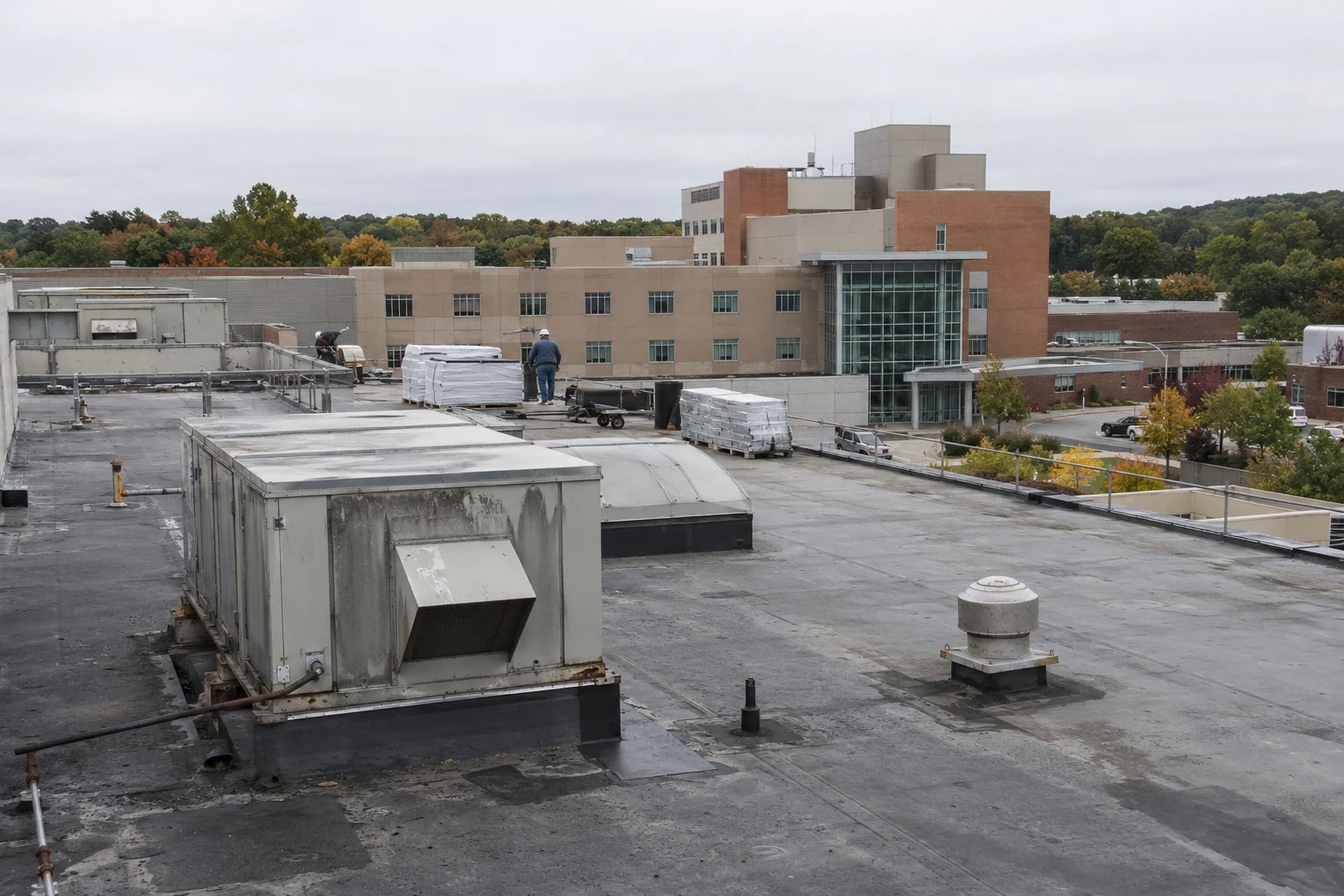
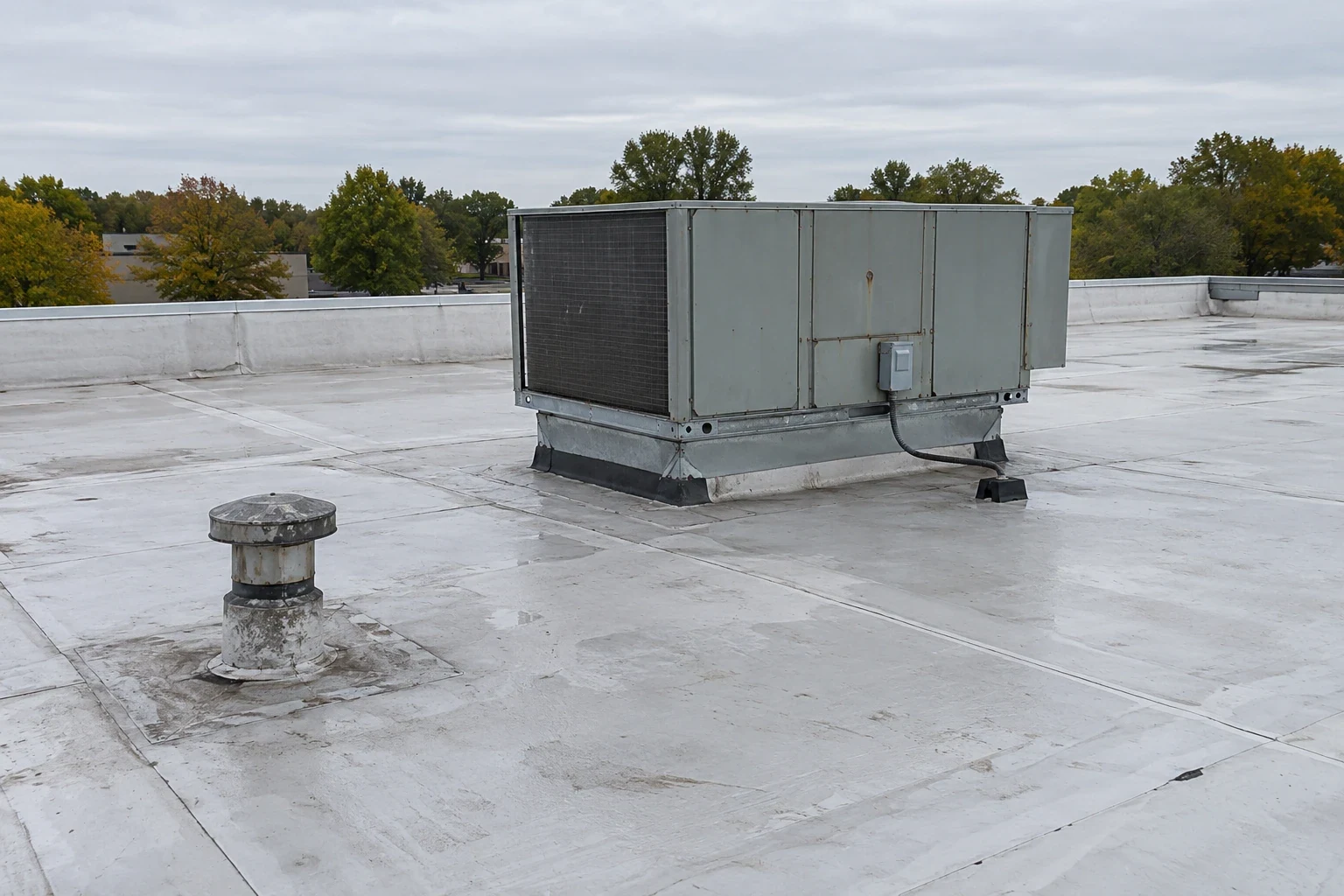
Rooftop exhaust, HVAC curbs, conduit supports, and vents interrupt the membrane and give water several entry points. We inspect curb corners, pipe boots, laps, fasteners, and drain rings around the reported zone. A loose flashing edge may need to be reset before the field membrane is patched. If wet insulation extends under equipment, we coordinate the unit work and agree on the opening before removal.

Warehouse drains need room to discharge while repairs are underway. We check the bowl, strainer, low area, and overflow route before covering a section. Debris from tear-off can stop flow if the drain is left open. A drain and scupper repair can address the outlet and its membrane connection. For a larger operating building, distribution-center roof planning can record drain locations alongside rack, dock, and equipment zones.

Logistics and 3PL Operators

Keep roof work outside cargo exposure

A compromised seam above a high-value storage zone needs prompt protection, but broad removal can expose more area than the crew can secure. We set the daily tear-off limit and identify interior protection below it. If a test cut shows that moisture has spread, we pause at the marked edge and review the added work with the facility contact. The inventory team can then decide whether an aisle or storage bay needs temporary controls.

At Salt Lake City International Airport, August's daily-high normal is 91.7°F. The July figure is 94.0°F in the same 1991-2020 record. We check actual membrane and substrate temperatures at the roof before applying materials. Heat can change handling time and the amount of roof that can be finished in a shift. We record the secured edge and closeout photos before returning the bay to ordinary use.

Price access and roof work separately

Roof cost depends on the number of layers, wet insulation, curb count, drain work, lift reach, disposal, and how much loading access must be reserved. We list those drivers by zone. If removal may uncover deck damage, the estimate shows an approval point rather than treating it as known work. That lets operations compare a repair with replacement while keeping the dock schedule tied to actual scope.

In West Valley City, the Green Line, UTA Intermodal Hub, and 3500 South are transit connections to employment and activity centers. Those transit links can inform staff access planning across the area. At the facility, the shift handoff and receiving window determine work timing. A replacement sequence can show removal phases, dry-in limits, and when each dock-side roof zone returns to service. The schedule includes who confirms the ground route before each lift.

Leave dispatch and maintenance a record

Closeout should list completed roof zones, repaired seams, drain condition, material changes, and any area deferred. Photos show the curb, seam, and edge after the repair. We mark where the test cut ended and whether the insulation below was dry. A roof condition record can keep the findings with future maintenance tasks and give dispatch a clear map of the completed work.

North of the market, SR-201 and its connecting routes serve industrial sites, while the 3500 South transit corridor links activity centers elsewhere in the city. Different locations create different access routes, but the roof record stays tied to the building inspected. For a property manager overseeing multiple logistics buildings, a managed-property roof register can group records without merging defects. The operations lead gets open items and the next decision in plain terms.

Logistics and 3PL Operators

Common questions

Can roof work be scheduled without stopping dock operations?

Often, a lift and work zone can be placed around active doors if the facility confirms truck routes and shift timing. We identify the dock that must remain clear and any short closure needed for material handling. The daily plan keeps the open roof area inside the boundary the crew can protect.

How do you locate a leak above stored goods?

We compare the reported aisle or bay with roof seams, drains, penetrations, and the membrane slope. A test cut can confirm wet insulation and show whether material removal is needed. We coordinate temporary interior protection with operations before opening the roof above sensitive cargo.

What does a logistics roof estimate need to separate?

Show membrane work, insulation removal, drain correction, equipment coordination, access, and disposal by zone. We mark concealed deck conditions as pending until exposed. The facility can then compare confirmed repair costs with a broader project without treating all dock areas as equally affected.

Why check the drain before a warehouse reroof?

A slow outlet or low bowl can leave water against new seams and complicate each work phase. We inspect the drain, overflow, and surrounding insulation before covering the field. Any needed correction appears as its own line so the owner can see how it affects water control and schedule.

What information should dispatch receive after a repair?

Give dispatch the work zone, any route change, and the time the dock area returned to normal use. We document repaired seams, drains, and equipment details with photos and a marked plan. Open follow-up items remain listed for the next maintenance handoff.

Set the roof window around dispatch

ServicesRoof SystemsIndustriesProperty TypesService AreasDamage RepairCapabilitiesManufacturersContactAboutRequest a Roof Assessment555-555-5555
Call555-555-5555