Distribution Center Roofing in West Valley City, UT

Maintain and repair distribution center roofs in West Valley City with coordinated access, drainage review, phased repairs, and clear closeout records.

Plan roofing for a distribution facility

A roof seam above a conveyor route can leak into the work area long before water reaches a floor drain. We map the interior symptom to roof details, check the membrane and penetrations, and set a repair boundary that can be closed within the operating window. West Valley City, UT identifies the northern SR-201 corridor for trucking and distribution activity. A planned multi-building logistics development such as 201 Mountain View Park adds another reason to keep each roof and its access plan distinct.

Distribution-center roofing has to work with receiving schedules, trailers, rooftop equipment, and inventory that cannot be moved at short notice. We coordinate staging and interior protection before opening a roof section. The work may be a drain correction, seam repair, phased recover, or replacement, depending on moisture and attachment. We document what was observed and what needs a test cut so the facility team can choose work based on the actual assembly.
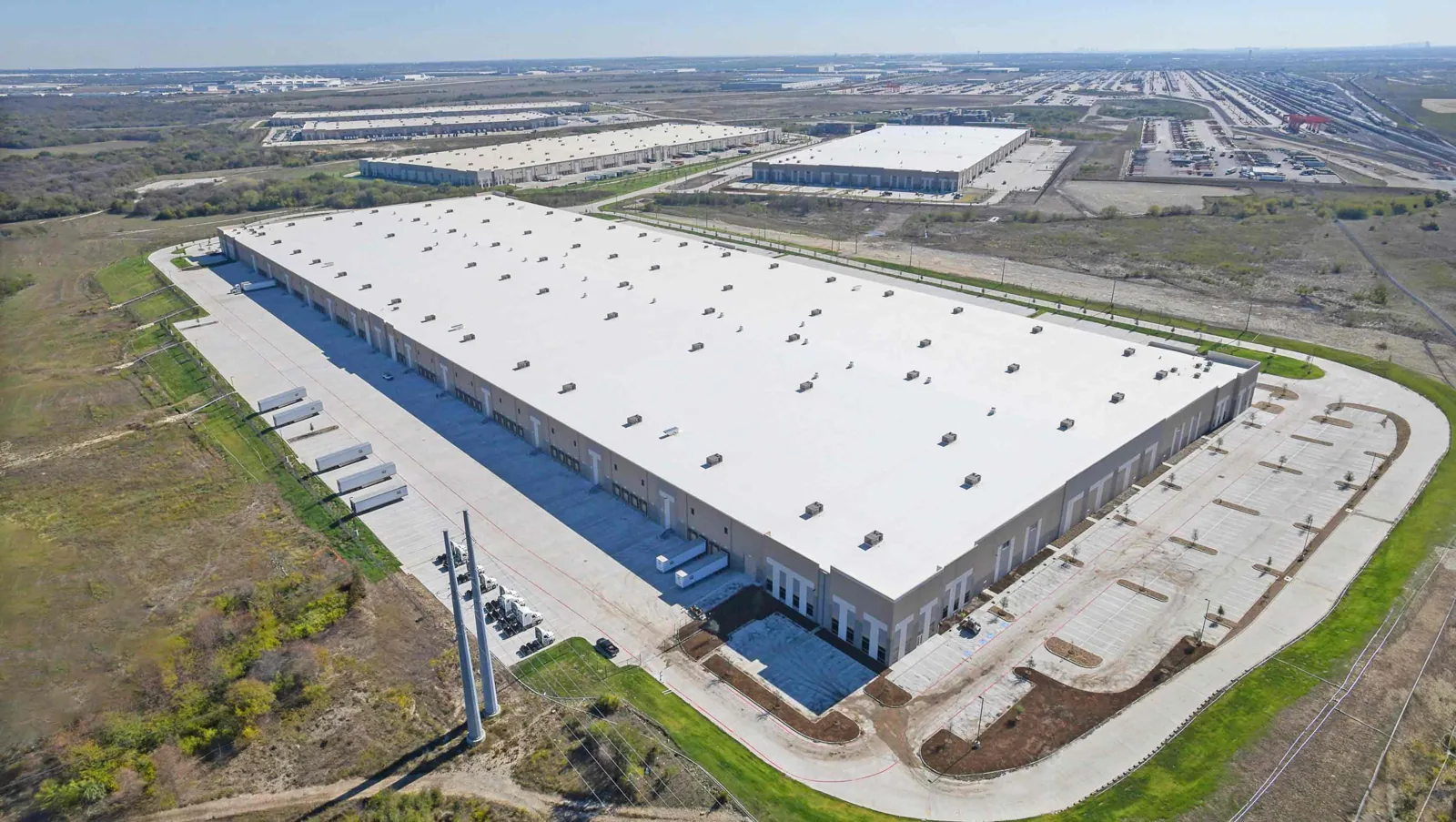
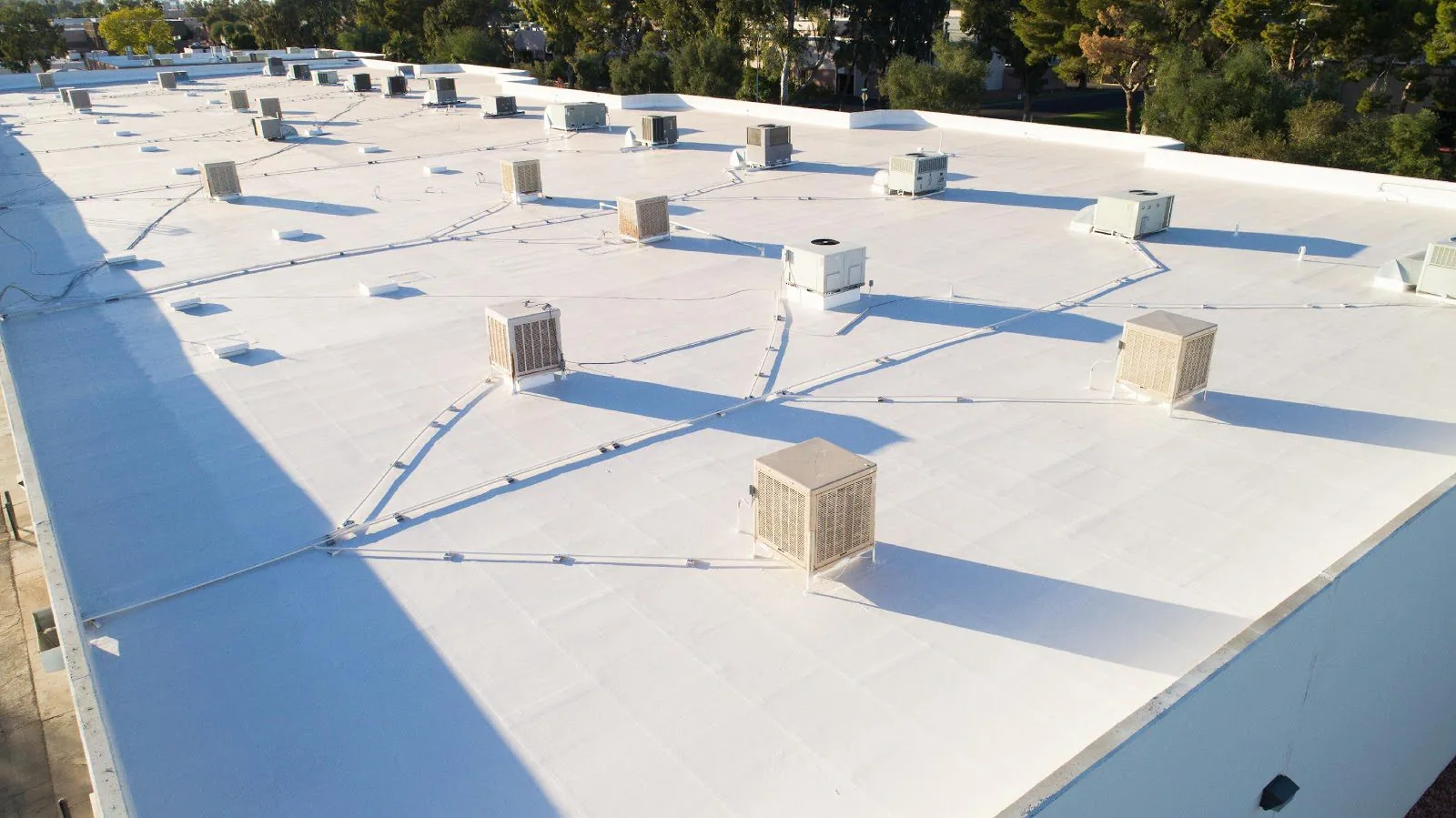
Trailer circulation, yard gates, and dock appointments can change where a lift can be set. We ask the facility contact which routes must remain clear, where materials can be unloaded, and which doors cannot be blocked. The roof sequence is planned by section so an open edge can be closed before the next area begins. If a shutdown or escort is needed, we identify the access window before confirming the schedule.

West Valley City’s plan names SR-201, Bangerter Highway, and I-215 as routes serving its industrial areas. These corridors help frame arrival planning, while the building manager confirms on-site traffic rules. For work in the North SR-201 industrial corridor, we identify the staging footprint and the dock or yard that needs to stay available. The sequence can shift if the site’s dispatch schedule changes.

Distribution Center Roofing

Map roof sections and shared systems

Distribution Center Roofing

A large roof may have separate drains, expansion joints, equipment zones, additions, and membrane types. We divide the surface into sections and label the systems, transitions, and visible repair history before pricing. That map keeps a finding on one roof area from becoming a blanket recommendation for every building. Where plans are missing, we verify accessible edges and roof details in the field and note areas that remain out of view.

201 Mountain View Park is described as a planned multi-building industrial and logistics park. For that kind of development, the roofing plan should keep observations and costs tied to each structure. A roof inspection can establish the current condition by section, while roof condition records can preserve the mapped findings for later work. We confirm actual building use and assembly before applying any recommendation to a second roof.

Keep water moving across long roof runs

Long drainage paths can collect debris far from the drain. We inspect strainers, bowls, scuppers, crickets, and low areas, then trace the flow path across each section. An outlet can be clear while the surrounding slope holds water. We check whether the issue is blockage, a failed drain detail, a settled area, or a transition that interrupts flow. If movement suggests structural deflection, we document it for engineering review before proposing a taper.

Distribution operations can continue below while the roof is being checked, so we coordinate access above conveyors, sortation equipment, and stored goods. We can sequence outlet repairs before membrane work if drainage must be restored first. A drain and scupper repair addresses a damaged component or a roof-level restriction. If the leak follows a seam or penetration, leak tracing can identify the entry detail before a larger section is opened.

Distribution Center Roofing

Protect operations during phased roofing

Work on an active distribution roof can be divided by building, elevation, or operational zone. We set a daily open area that can be dried in and closed before the shift ends. Materials are staged to avoid blocking roof hatches, fire lanes, or service routes. The facility contact identifies sensitive equipment and areas where noise or vibration needs notice. That sequence helps keep the scope moving without leaving more roof exposed than the crew can secure.

West Valley City’s Northwest Opportunity Area spans industrial and vacant parcels north of SR-201, with manufacturing, commercial, residential, agricultural, and open-space uses elsewhere in the district. That broader area context is useful for arrival and staging decisions, but each site has its own property rules. For active work, occupied-building roof sequencing can break repairs into protected areas. A large warehouse within the warehouse roofing category may also need a separate inventory protection plan.

Compare repairs with a roof-wide option

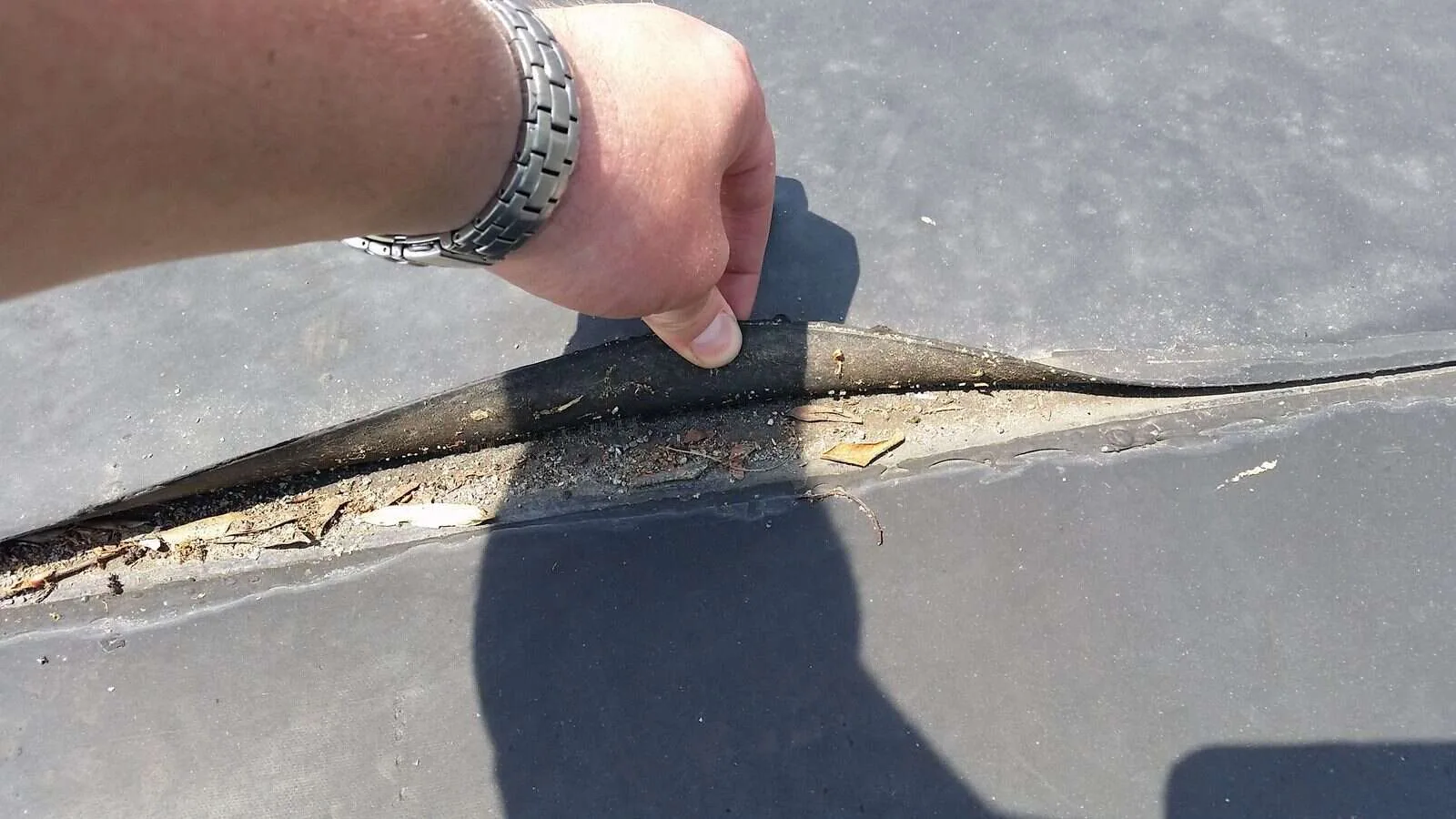
A local seam failure can be repaired if the surrounding membrane is bonded and insulation is dry. Repeating failures, wet cores across several sections, or widespread attachment loss can point to a broader correction. We use test cuts and removal to confirm concealed layers before setting replacement quantities. The owner receives a repair option and a larger alternative with the evidence that separates them, including tear-off limits, dry-in needs, and areas that can remain in service.

Roof system and building use affect cost and schedule. The city plan describes business parks as planned groupings of office, light-industrial, research, and support facilities, so the property portfolio may include different assemblies and operating needs. A preventive maintenance plan can address debris and minor details between projects. For temperature-controlled operations, cold-storage roof work needs added coordination around the interior environment and building operations.

Give the next shift a usable roof record

Closeout photos identify the roof section, repair boundary, finished details, and any condition that remains open. We note temporary protection, equipment shutdowns, and access limits that affect follow-up. A map of the work helps dispatch and maintenance staff find a repair without relying on a general note. If a test cut exposed wet insulation, the record identifies the exact location and the layers observed there.

For a facility near the Northwest Opportunity Area, we include the staging or truck route limits needed for another visit. Work at a planned site such as 201 Mountain View Park can be coordinated building by building, with separate closeout photos for each roof. The owner receives the next check and the evidence behind it, so a new leak report can be compared with completed work.

Distribution Center Roofing

Common questions

Can a distribution center stay open during roof work?

Work can often be phased to preserve key areas, but the access window, loading routes, and interior risks need confirmation. We identify the section that can be opened and closed each day and coordinate any equipment shutdown or tenant notice. If the roof cannot be protected safely during active operations, we change the sequence before starting.

How do you inspect several roofs at one logistics property?

We label each building and roof section, record system differences, and map drains, repairs, and access limits separately. A condition found on one building is not assigned to another without inspection. This gives the owner a building-level repair list and avoids one broad price based on incomplete roof information.

What happens if moisture is found under the membrane?

We mark the test or removal location, photograph the wet core and adjacent layers, and show how far the confirmed condition extends. The repair boundary may move if additional material is wet. Added removal or replacement is presented for approval before the crew continues outside the authorized area.

Can you plan work around a tight loading schedule?

Yes. The site contact can identify truck circulation, gate windows, dock appointments, and clear areas for staging. We set the arrival and work sequence to fit those limits, then keep the open roof area small enough to close within the agreed window. A changed dispatch schedule can be worked into a revised access plan.

When is replacement better than repeated repairs?

Repeated seam failures, widespread wet insulation, or deteriorated attachment can make isolated patches a poor use of the repair budget. We compare repair boundaries across roof sections and use test cuts where needed. The estimate shows what can be repaired, what needs removal, and which conditions support a broader replacement option.

Plan roofing for a distribution facility

ServicesRoof SystemsIndustriesProperty TypesService AreasDamage RepairCapabilitiesManufacturersContactAboutRequest a Roof Assessment555-555-5555
Call555-555-5555