Commercial Roof Condition Reports in West Valley City, UT

Get a West Valley City roof report with location-tagged photos, observed defects, test results, repair priorities, and conditions that remain unconfirmed.

Get a roof report tied to the building

A photo of a water mark without a roof location cannot show what failed or where a repair should stop. We inspect the membrane, edges, drains, and penetrations, then link each finding to a roof section and the interior report. In West Valley City, UT, access can differ between industrial properties along northern SR-201 and occupied buildings near Fairbourne Station. The report records those limits along with the roof condition.

A useful condition report separates what we saw from what still needs testing. It shows photos, location notes, observed damage, recommended action, and any area that could not be reached. If a test cut exposes wet insulation, the report identifies that point and the layers found. We do not extend the conclusion to a roof section that was not opened or inspected.
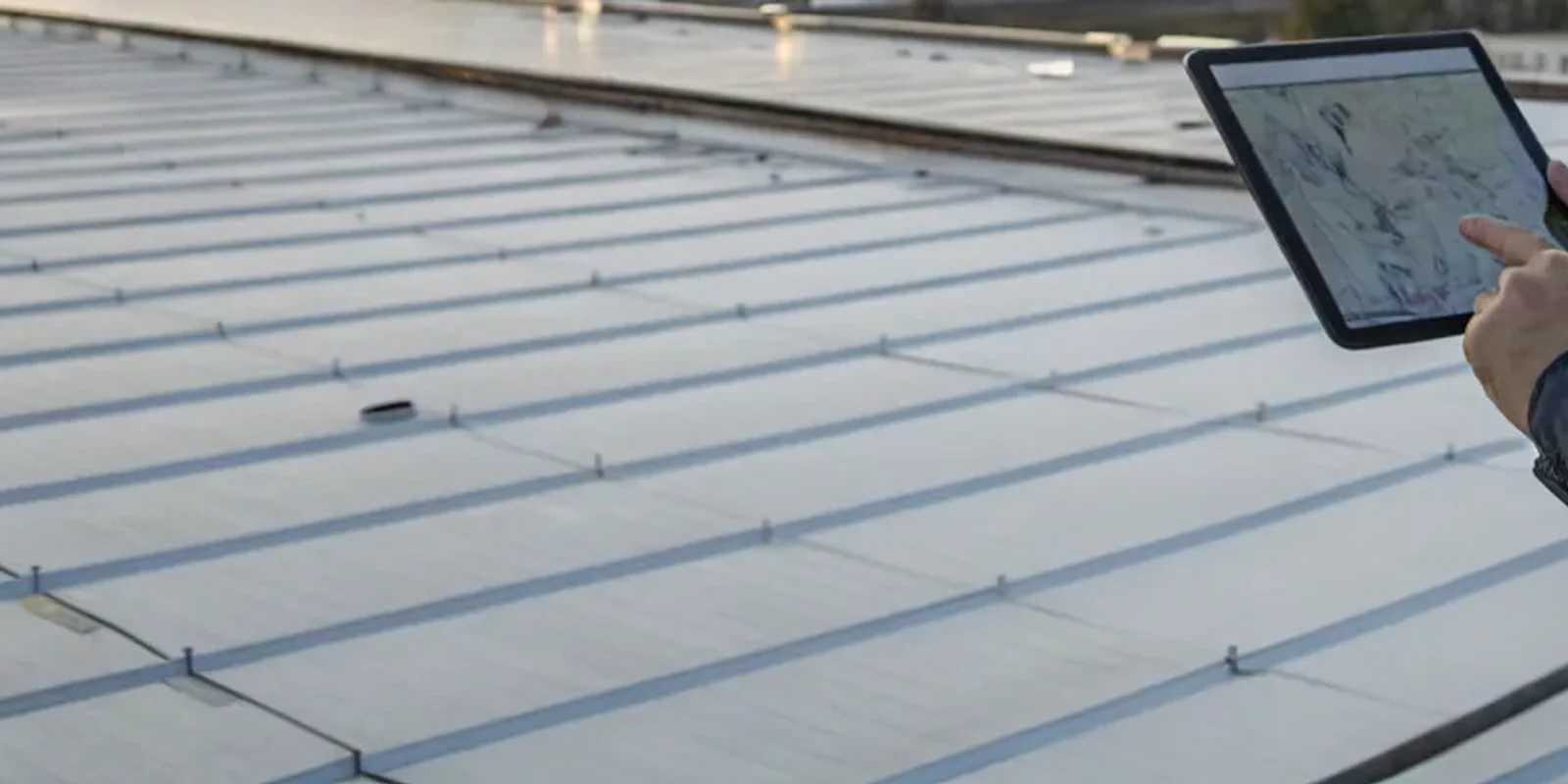
A close-up of a split seam is more useful when it can be found again. We label the roof area, nearby drain or curb, direction of view, and the defect visible in the image. Wider photos show how that detail relates to the building section. The owner can compare the next inspection without relying on a loose folder of pictures or a description that omits the location.

We note whether a photo shows a surface condition, a test opening, or completed repair. That distinction matters when the membrane hides insulation or deck conditions. If no access was available above a tenant or secure room, the report marks that boundary rather than implying full coverage. A roof inventory can keep image references attached to each building, and capital planning can use those findings to compare current repair with future replacement.

Commercial Roof Condition Reports

Separate visible defects from test results

Commercial Roof Condition Reports

An open lap, loose termination, blocked drain, or cracked flashing can be recorded from what is visible. Hidden moisture requires a different level of confirmation. We identify where a test cut or approved measurement would answer a scope question, then record the result if that work is authorized. The report distinguishes a suspected area from material that was actually exposed and found wet.

At a building near the North SR-201 industrial corridor, loading activity may restrict roof access or the time a lift can occupy a route. We note the approved access window and any section not reached. A hands-on roof inspection can map field observations, while an infrared survey can help select areas for direct testing. Neither replaces a test cut when the layer condition determines removal limits.

Rank recommendations by the condition found

Active water, impaired drainage, loose metal, and exposed insulation usually need a different response from surface wear without an open water path. We state the observed issue, the repair that would address it, and what could change the boundary. If the defect is localized, the report can recommend a contained repair. If test results show wet layers beyond it, the recommendation can move toward larger removal or replacement.

The Salt Lake City International Airport station’s 1991 to 2020 normal annual precipitation is 15.52 inches. That record can help frame drainage review timing, while the report gives priority to roof conditions and access limits observed at the property. A drain and scupper repair can be recommended when an outlet or sump is the confirmed issue.

Commercial Roof Condition Reports

Make the report useful for the next approval

A report should help an owner decide whether to authorize a repair, ask for testing, or compare replacement. We identify the scope edge, access assumptions, and areas that remain unconfirmed. Repair quantities are separated from possible concealed work. If removal could reveal a soft deck or wet core, the report states how that finding would change the work and price rather than presenting it as known.

Utah’s 2024 IBC and IECC adoption takes effect on July 1, 2026, under section 15A-2-103 and alongside state and local amendments. Project requirements depend on the scope and reviewing authority. The report can list code review as an item for the design or permit process without selecting an assembly in advance. A transaction roof survey can add acquisition-focused findings when an owner is evaluating a property.

Record the access conditions that shaped the visit

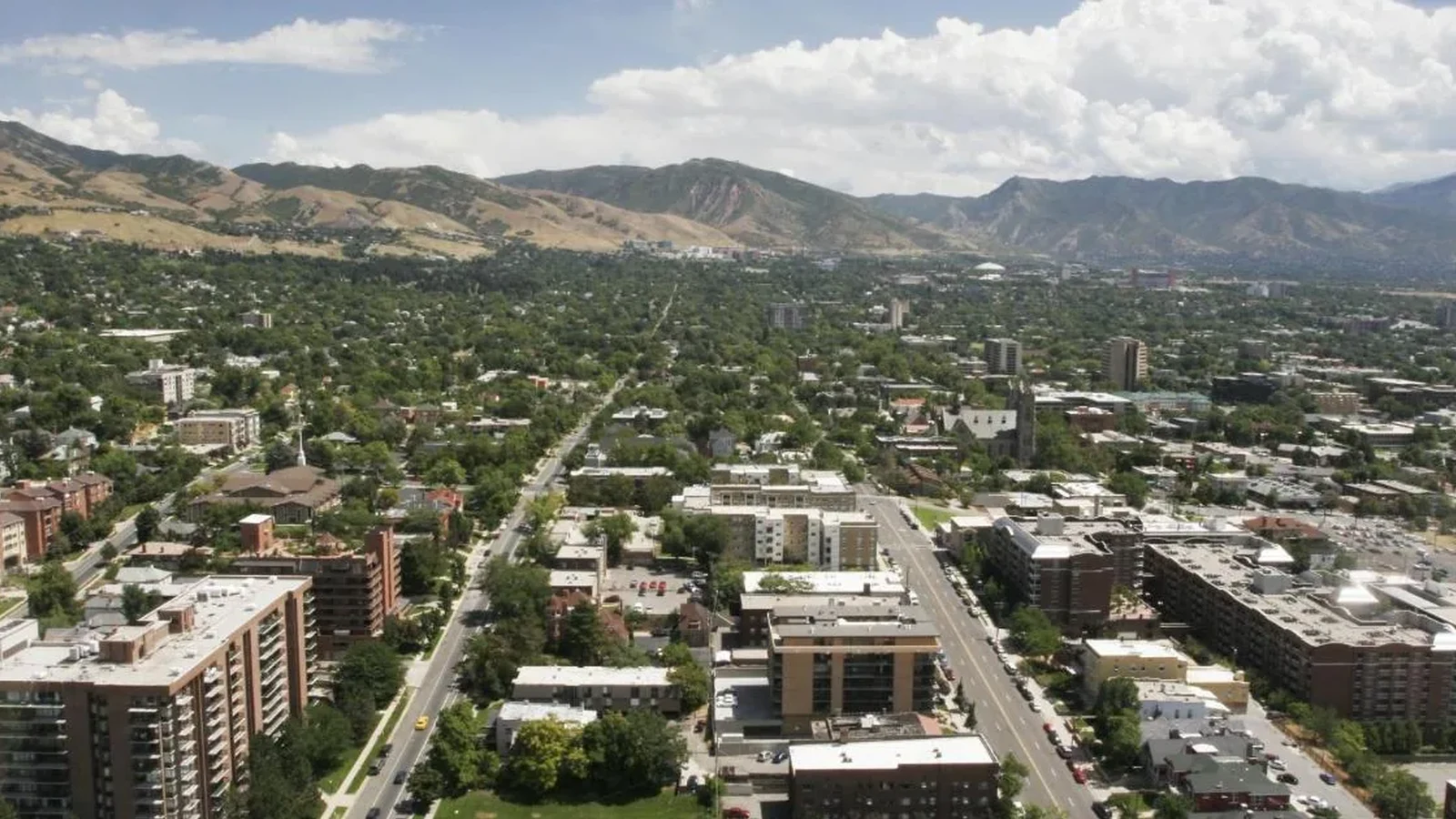
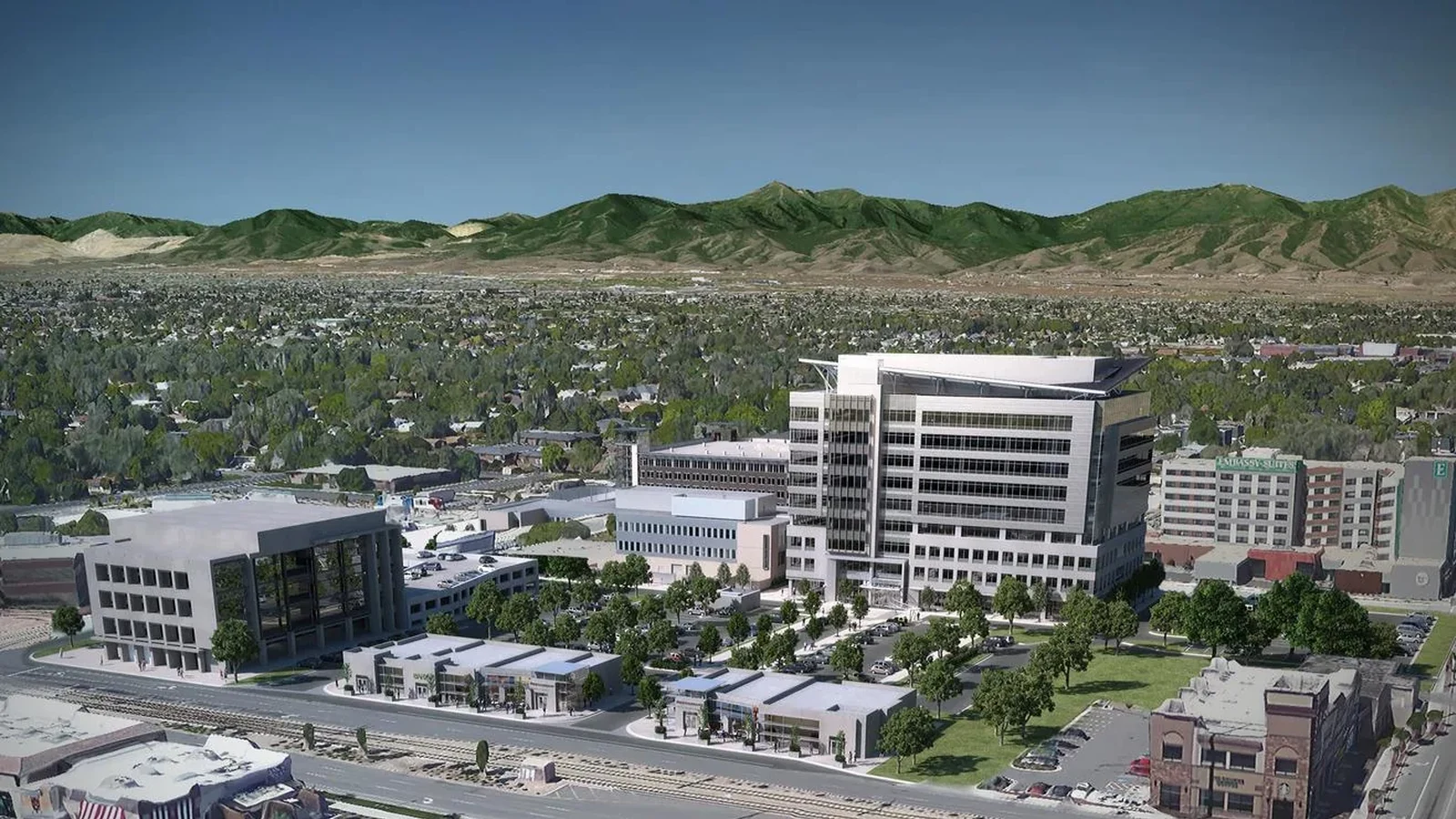
The Fairbourne plan includes a civic component and a mix of shops, offices, hotels, and multifamily homes. A roof visit near that area may need to account for shared pedestrian movement or occupied entries. We identify the actual access restriction and how it limited inspection. The district context does not establish what is on a specific roof; the report stays tied to the building and conditions examined.

The same report can record staging and loading limits near industrial routes. We list the gate, lift position, escort, or time window that affected coverage. A visit near Fairbourne Station may use a different setup from a property near the North SR-201 corridor. The owner can then schedule follow-up with the right contact and know which area needs access before the next review.

Keep the report current after repairs

After corrective work, we add closeout photos and identify the material installed, the repair boundary, and any remaining item. If a test opening changed the scope, the report notes the exposed layers and approved limit. A report from before repair should not be mistaken for the roof's present condition. The record needs a date and clear separation between inspected findings and later work.

Facilities staff can use the report to match a later stain with the original area or locate a nearby repair. We identify a follow-up check when a seam, drain, or temporary protection point warrants attention. A multi-site roof review can preserve separate reports for several buildings while giving the owner a common view of unresolved priorities. The next decision remains grounded in the section inspected.

Commercial Roof Condition Reports

Common questions

What should a commercial roof condition report show?

It should identify each inspected roof section, visible defects, photos, access limits, test locations, and recommended next action. We label suspected conditions separately from material confirmed by an opening. The report also notes exclusions and the evidence that would change the repair boundary, so an owner can review both current work and unresolved questions.

Can photos show whether insulation is wet?

A surface photo cannot confirm a concealed core. We can identify a suspect area and use an approved test cut or suitable measurement when that result affects scope. The report records the exposed layer and exact location. Areas not opened remain described as unconfirmed instead of being assigned the same finding.

Do you report areas that could not be accessed?

Yes. We identify the roof section, access restriction, and whether the limitation affects the recommendation. A tenant, locked hatch, equipment condition, or weather may prevent a view. The report states what was reached and what needs another visit, so the reader does not mistake a partial inspection for a complete one.

Can the report support a replacement budget?

It can show the observed condition, test results, repair history, and the boundary used for a replacement comparison. We separate known quantities from concealed conditions that need removal to confirm. The owner can use those details to review a near-term repair or plan a broader project without assuming every roof area has the same condition.

How do you update a report after work is approved?

We add the completed repair, closeout photos, materials, and any changed limit to the building record. If removal revealed a different condition, the update ties that finding to its test location and approval. The revised file distinguishes the initial observation from the work completed and any item that remains open for later review.

Get a roof report tied to the building

ServicesRoof SystemsIndustriesProperty TypesService AreasDamage RepairCapabilitiesManufacturersContactAboutRequest a Roof Assessment555-555-5555
Call555-555-5555