Cold Storage and Freezer Roofing in West Valley City, UT

Maintain and repair cold-storage roofs in West Valley City with condensation checks, vapor control, phased access, and documented membrane details.

Inspect the cold-storage roof assembly

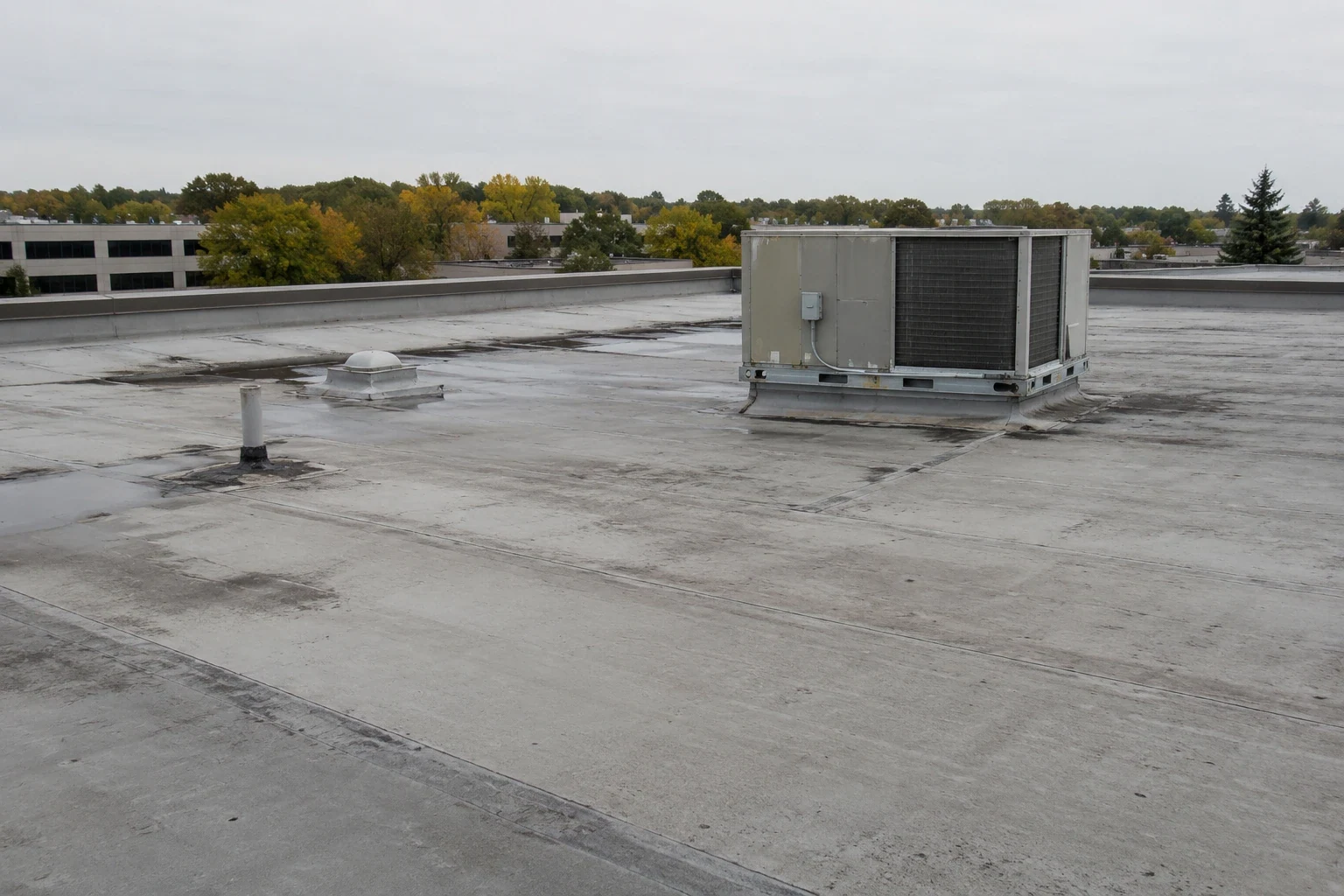
A wet streak at a freezer-room curb can come from a roof opening, a failed seal, or condensation at a temperature transition. We inspect the curb, membrane, vapor-control details, and nearby roof layers before choosing a repair. In West Valley City, UT, cold-storage work may sit within the distribution network along northern SR-201 or near a planned logistics development such as 201 Mountain View Park. We coordinate with facility staff to protect temperature-controlled operations while the roof condition is checked.

Cold-storage roofs need careful transitions at penetrations, walls, equipment, and any change between conditioned spaces. Warm, moist air entering a roof assembly can condense on colder surfaces, while a failed membrane can admit water from above. Those paths require different corrections. We identify what can be confirmed, test where hidden layers are in question, and set a dry-in limit that can be closed within the approved work window.
A stain near a freezer wall does not identify which side of the assembly is wet. We compare the location with membrane seams, curb flashing, wall transitions, vapor-control layers, and operating conditions reported by the facility. We look for a clear water path, signs of air leakage, and changes in the insulation or substrate. If the evidence is incomplete, we mark the uncertainty and select a test that can distinguish a roof leak from interior condensation.

A test cut can show whether insulation or cover board is wet at a selected point. We document the layers and close the opening with compatible materials after approval. One test location does not define the condition of every roof section, so the map identifies exactly where confirmation occurred. A moisture survey can help prioritize areas for testing, while a leak repair evaluation traces active water to a roof detail.

Cold Storage and Freezer Roofing

Protect continuity at walls and openings

Cold Storage and Freezer Roofing

Insulation, vapor-control layers, and membrane transitions have to connect at curbs, parapets, wall panels, and service openings. A gap at one transition can let humid air reach a cold surface inside the assembly. We inspect the curb height, flashing attachment, wall tie-in, and nearby penetrations, then coordinate any interior-side work with the facility team. The repair scope identifies which layer is being restored and where access is needed on each side of the roof.

Additional insulation changes the roof height and can leave curbs or drains too low if transitions are not planned first. We measure available heights, check door or equipment clearances, and confirm the drain and scupper elevations before proposing added layers. For a broader insulation and cover-board project, we map existing layers and test where moisture is suspected. The estimate separates confirmed removal from areas that remain concealed.

Plan inspection when surfaces are safe

Ice near a drain can block flow and hide the membrane detail below it. The station’s January normal includes 20.6 days at or below 32°F; December records 7.9 days at that threshold. These readings offer regional seasonal context. We inspect the actual roof for ice, frozen outlets, and safe access, then schedule permanent flashing or adhesive work within the material requirements.

Snow can conceal a failed seam or the edge of a temporary repair. The station’s annual snowfall normal is 51.9 inches, with a 12.70-inch mean in January. We record any area that could not be seen and return when the surface is accessible. A cold-storage building also needs its interior temperature and operating schedule considered before a shutdown or roof opening. A snow and ice roof assessment can focus on damage around outlets and transitions.

Cold Storage and Freezer Roofing

Work around temperature-controlled operations

A roof opening above chilled or frozen product needs an agreed interior protection plan. We ask which room is below the work, whether inventory can move, and who can authorize a process interruption. The opening is kept to the area that can be dried in and closed within the shift. If removal reveals wet insulation or a wider vapor-control failure, we document the condition and confirm the revised work before extending the boundary.

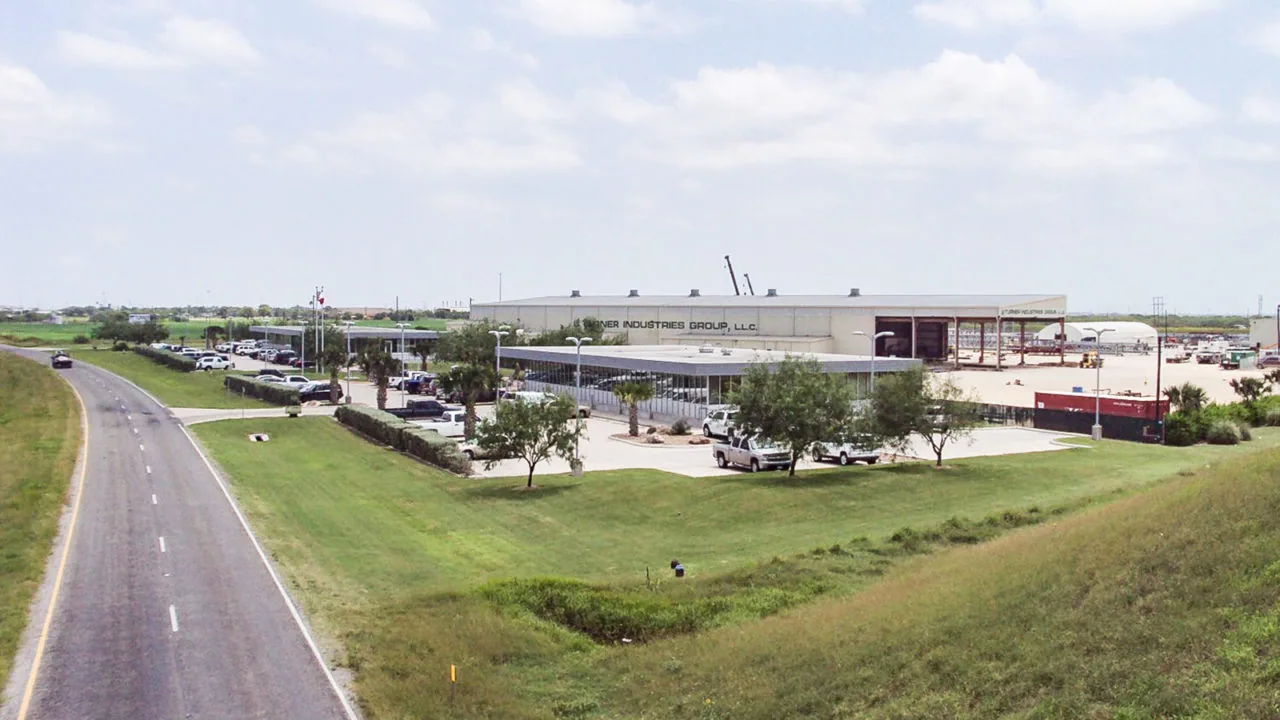
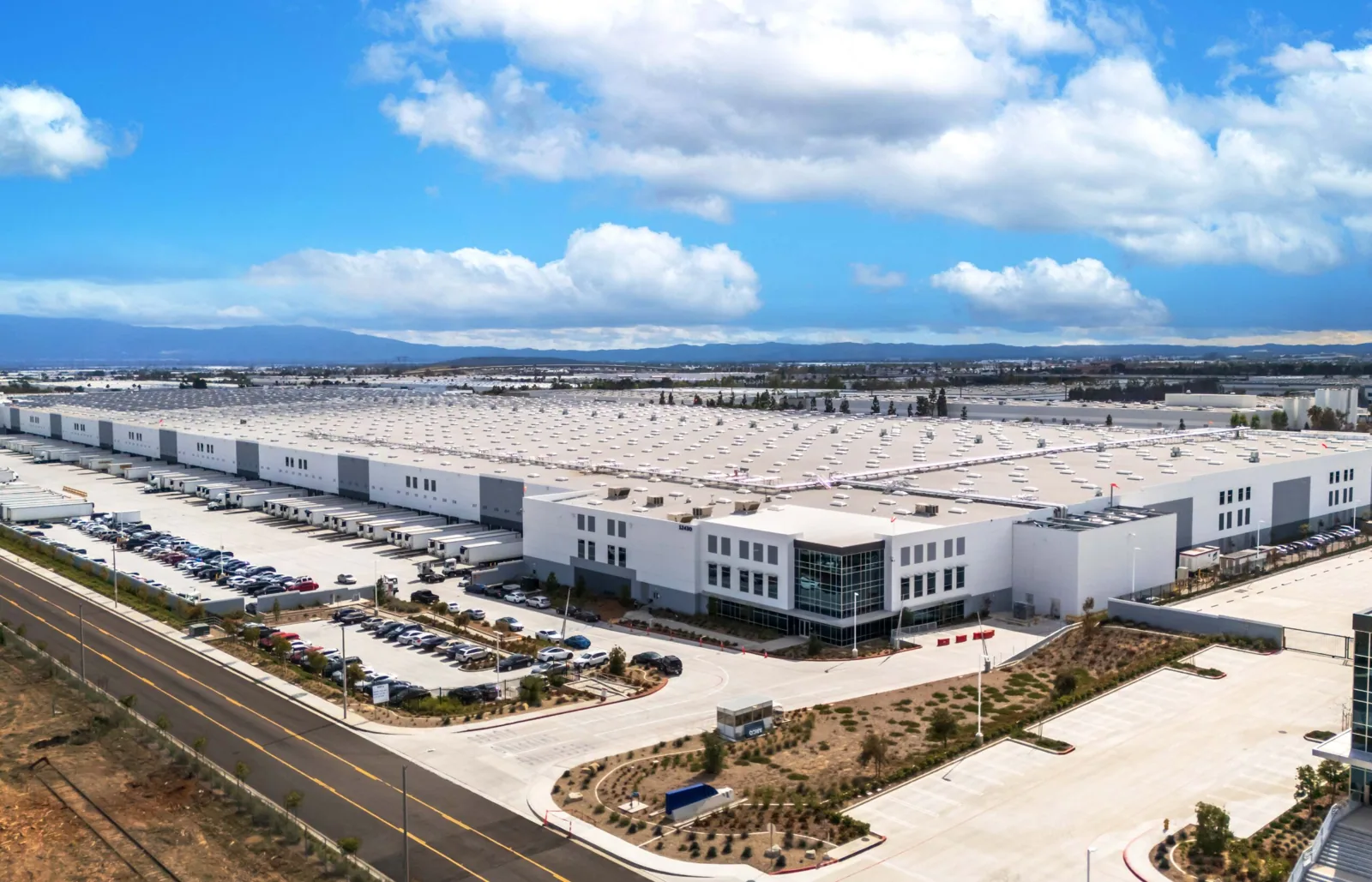
West Valley City describes trucking and distribution activity along northern SR-201, and its Northwest Opportunity Area plan includes industrial and vacant parcels north of that route. For a facility in that broader industrial setting, dock circulation and trailer access may affect lift or material staging. We coordinate with the site contact before arrival. A distribution center roofing plan can address multi-building logistics, while warehouse roof work can account for stored inventory and loading paths.

Choose repair or replacement from test results

A local flashing repair may work when the membrane remains bonded and insulation is dry outside the defect. Repeated condensation damage, wet layers across several sections, or failed attachment can call for a broader reconstruction. We use field observations and test cuts to define what must be removed. If the condition is limited, a repair avoids disturbing sound material. If the assembly is compromised, we compare the repair boundary with replacement and show the tear-off and dry-in sequence.

Cold-storage operations can make interior access and temperature continuity part of the schedule. We plan each roof section, work window, and temporary protection limit with facility staff. Materials must suit the existing roof and the expected exposure at each detail. A commercial roof repair can close a confirmed leak path; broader assembly failure may call for replacement. We identify the evidence behind either recommendation before pricing hidden work as known.

Track repairs by room and roof section

Closeout should connect the roof repair to the room or operating zone below. We record the roof section, test locations, insulation or vapor-control layers exposed, and the membrane detail completed. Photos show the repair boundary and any areas not opened. The facility team can compare a later interior condition with the roof location and determine whether the same path has returned or a new detail needs inspection.

The Southwest Opportunity Area includes manufacturing uses and larger parcels, while 201 Mountain View Park is planned as a multi-building logistics development. Those local contexts make building-by-building records useful for projects with separate roofs and operating zones. A roof condition report can preserve those details, and a visit near the Northwest Opportunity Area can include the access details needed for follow-up. Each recommendation remains tied to the tested or observed area.

Cold Storage and Freezer Roofing

Common questions

How can you tell whether moisture is from a roof leak or condensation?

We compare the wet area with roof openings and flashing, then review the interior-side conditions and temperature transitions reported by the facility. A test cut may be needed to inspect the layers. The findings identify what is confirmed and what needs more testing before the repair boundary is set.

Can you open a roof above an active freezer room?

We coordinate the work window and protection plan with the facility contact before opening the assembly. The roof section is limited to what can be dried in and closed safely within the approved window. If product movement or a process interruption is needed, the site team sets that step before work begins.

Does infrared show exactly how much insulation is wet?

Infrared patterns can help identify areas for confirmation, but a test cut or another direct method may be needed to verify the layers. We map each tested location and limit the finding to what was exposed. Additional points may be appropriate if the roof assemblies or conditions change across the building.

Will adding insulation fix condensation?

Added insulation alone may not correct a gap in vapor control or an air path into a cold layer. We inspect the transitions, existing assembly, and wet areas before proposing additional material. The scope addresses the confirmed path and checks roof heights at drains, curbs, and walls.

What changes the repair limit after a test cut?

Wet insulation, damaged cover board, or a failed vapor transition can move the boundary beyond the first opening. We photograph the exposed condition, measure the added area, and confirm scope before continuing. The owner sees which work is confirmed and what remains outside the tested locations.

Inspect the cold-storage roof assembly

ServicesRoof SystemsIndustriesProperty TypesService AreasDamage RepairCapabilitiesManufacturersContactAboutRequest a Roof Assessment555-555-5555
Call555-555-5555