Data Center Roofing in West Valley City, UT

Plan data center roof inspections and repairs in West Valley City with equipment coordination, leak control, phased access, and clear condition records.

Plan roofing around critical systems

A leak above an electrical room can demand a faster response than a similar stain in an unoccupied storage area. We locate roof details over sensitive spaces, coordinate with facility staff, and set a repair boundary that can be closed safely. In West Valley City, UT, business parks are intended to bring office space, light industry, research, and support services into planned groupings. Fairbourne Station is planned for civic, retail, office, hotel, medical-office, and multifamily uses. We confirm the actual site rules and room below before opening the roof.

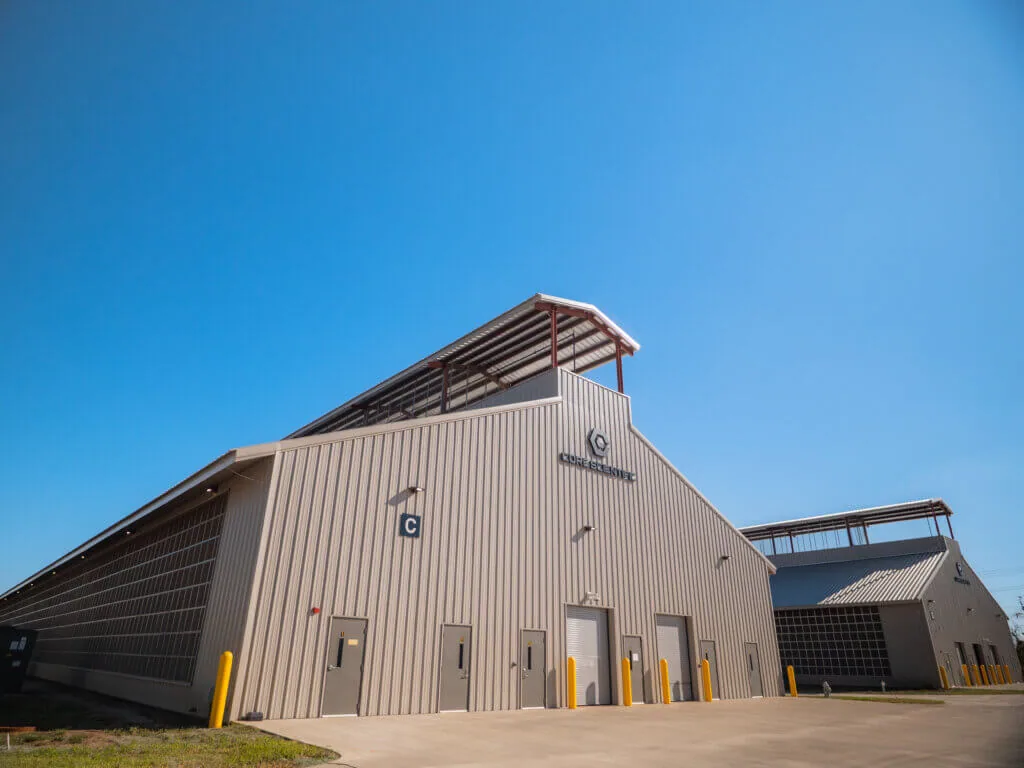
Data center roofing work must account for rooftop cooling equipment, cabling routes, backup systems, and restricted access. We do not assume that equipment can be shut down or moved. The facility contact identifies the service route and any operation that cannot pause. We inspect membrane, penetrations, drains, and attachment, then propose a repair or maintenance scope that protects the interior and keeps active systems in view. If a site also has storage space, warehouse roof work needs its own inventory and loading plan.
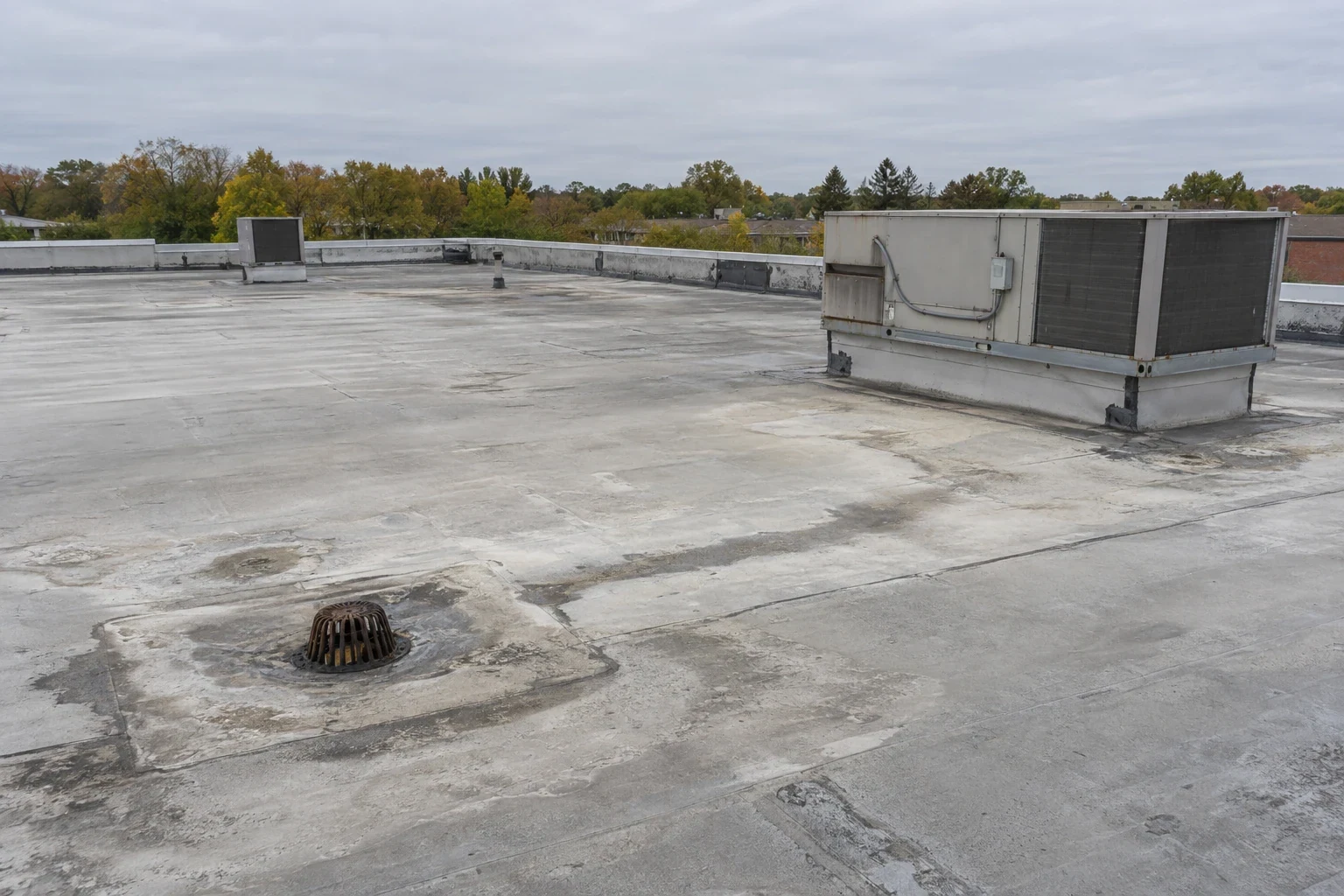
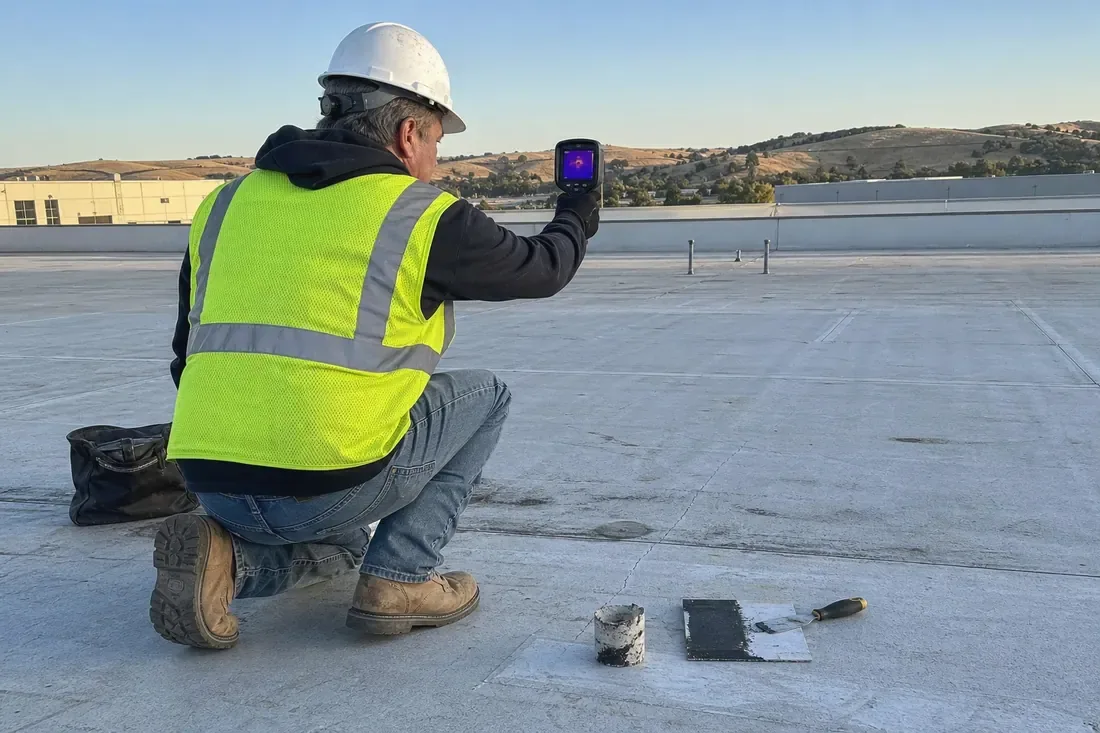
Before a roof walk, we ask which rooms contain critical equipment, where water has appeared, and which areas have restricted access. The facility team can map roof zones to electrical, cooling, battery, or network spaces without sharing details beyond the work area. We label the roof sections and identify nearby drains, curbs, and seams so the repair plan connects an exterior observation with the room it could affect.

For a new leak report, we protect the interior and trace water to a likely entry point before cutting the membrane. Water may travel along insulation joints or deck flutes, so the visible stain is one location reference rather than a confirmed source. A hands-on roof inspection can document the surrounding assembly. If water is active, emergency roof protection can limit exposure while the permanent scope is developed.

Data Center Roofing

Protect cooling curbs and utility openings

Data Center Roofing

Cooling units, exhausts, conduits, and cable penetrations interrupt the membrane and can be difficult to access around. We inspect curb flashing, boots, support attachment, and the membrane at each transition. If a mechanical or electrical trade needs to move equipment, the facility contact coordinates that work before roofing begins. We set the roof scope at the flashing and deck interface, then note any trade handoff needed to restore service access.

A failed curb corner can admit water beneath the field without damaging the unit itself. We check the surrounding substrate and test for moisture before closing the detail. If a test cut is needed, we identify the location and repair plan in advance. A curb and support inspection can address attachment questions; penetration flashing is restored after equipment access is cleared.

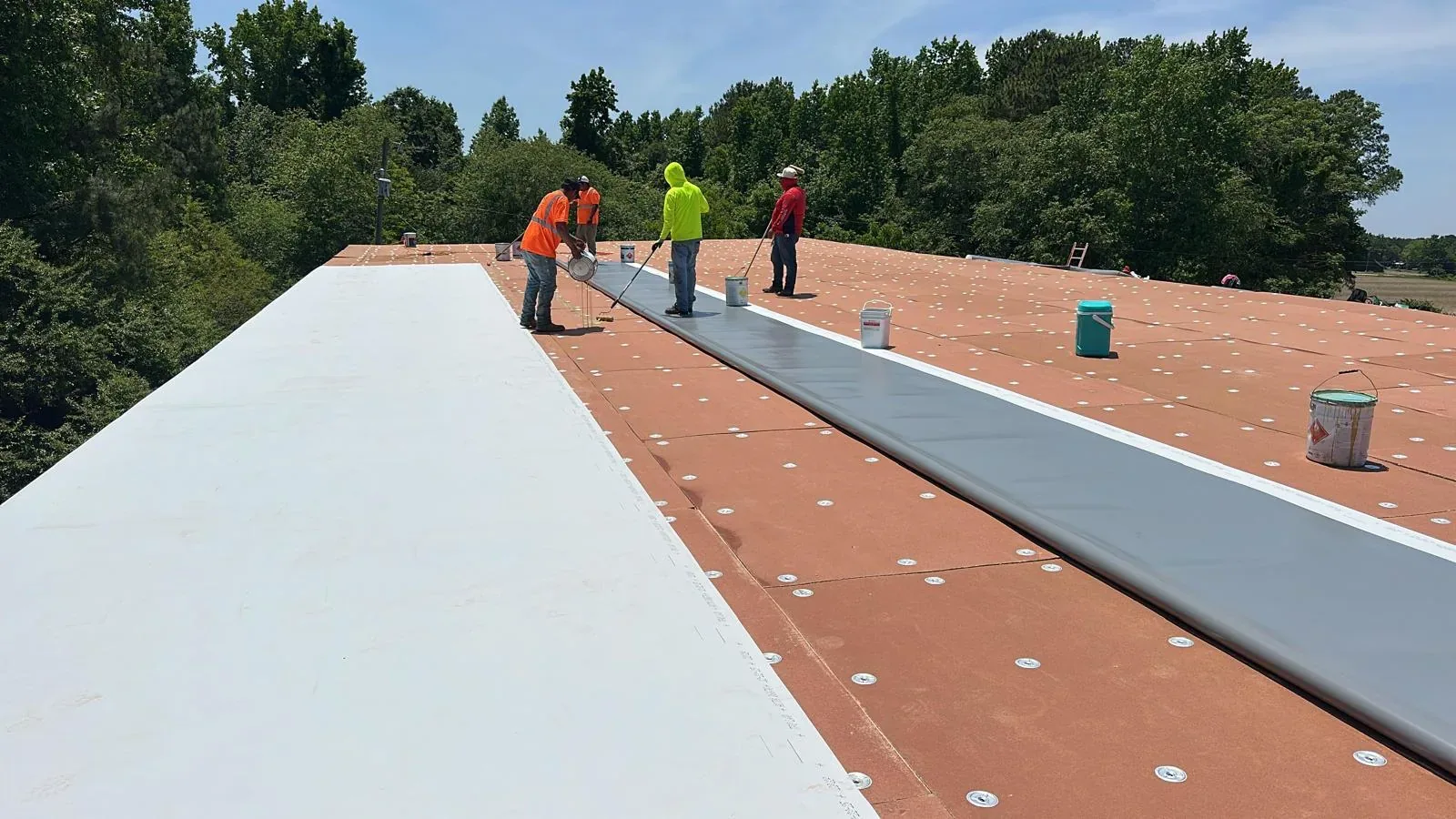
Schedule materials for the roof surface

Roof temperature affects welding, adhesive, and sealant work. Salt Lake City International Airport station normals put the July daily high at 94.0°F and August at 91.7°F. We check actual roof-surface temperature and product limits before application. A warm roof over a sensitive interior also needs a work window that fits facility operations and any equipment restrictions.

Winter conditions can block drains or make access unsafe. At the Salt Lake City International Airport station, January averages 20.6 days and December 7.9 days with minimum temperatures at or below 32°F. We inspect the building roof for ice and snow before deciding which details can be reached. If a permanent repair cannot bond under current conditions, we use temporary protection where suitable and return when the surface and work area allow the specified material to perform.

Data Center Roofing

Keep the work area contained

A small roof opening can still require a controlled route, a spotter, or an escort. We agree on access, staging, fall protection, and communication before moving tools or materials. If the building has several roof zones, we work within the approved area and close it before shifting to another. The facility contact can identify alarms or service routes that roofing activity must avoid, and we record any limit that affects the inspection.

Trucking and distribution uses occupy the northern SR-201 industrial corridor, with SR-201, Bangerter Highway, and I-215 serving industrial access. For a facility in that area, the site contact confirms the gate, parking, and delivery rules. Near the North SR-201 industrial corridor, we coordinate deliveries and staging with the building team. We do not block service access needed by other trades.

Choose the smallest sound repair boundary

An isolated puncture or failed curb can be repaired when the nearby membrane is bonded and insulation is dry. Repeated seam failures, wet cores, or loose attachment may require a broader repair or replacement. We verify roof material, test the affected area where needed, and mark the edge that reaches sound substrate. If removal reveals more damage, we photograph it and confirm the added scope before extending the opening.

Data center roofs can combine different membrane systems, additions, and rooftop equipment zones. We inspect each section rather than assume the same defect appears across the entire building. A commercial roof repair can address a confirmed area; replacement planning may be appropriate where the assembly is broadly compromised. For a related office building roof, the same membrane details still need a site-specific access and equipment plan.

Document the repair without exposing operations

Closeout photos show roof details and work limits, not sensitive interior systems. We label the roof section, record the repair material, and note conditions that were not opened or tested. The facilities team receives the access notes and any monitoring step for the room below. If equipment remained in service, the record states how roofing work was sequenced around it without including unnecessary operational information.

For a facility near Fairbourne Station or the North SR-201 industrial corridor, arrival and access restrictions can be attached to the roof record for the next visit. A roof condition report can preserve photos and priorities, while planned maintenance can recheck drains and penetrations on a set schedule. The record keeps future work tied to the observed roof condition and approved access limits.

Data Center Roofing

Common questions

Can you work above a live data center?

We coordinate with the facility team to identify access restrictions, sensitive rooms, cooling equipment, and any operation that cannot pause. Roofing work is planned by section and limited to what can be protected and closed in the agreed window. The facility decides which service routes and escorts are required.

How do you handle a leak above electrical or cooling equipment?

We first coordinate interior safety and report the affected room to the facility contact. When roof access is safe, we inspect nearby curbs, seams, and drains to trace a likely entry path. If water is active, temporary protection can be installed before permanent repair details are confirmed.

Can rooftop cooling units stay online during flashing repair?

Often they can, but the mechanical team must confirm service access and shutdown limits. We inspect the curb and flashing, then coordinate if equipment movement is required. The scope keeps roofing work separate from mechanical work and identifies the point where each trade needs access.

What if a roof leak is not visible from above?

We compare the interior location with roof drains, penetrations, seams, and transitions, then check possible water paths through the assembly. A test cut or moisture survey may be needed if the source remains concealed. The report marks what was confirmed and where the next test should occur.

What roof information can be included in the closeout?

We document the roof section, repair detail, test location, photos, and any access or monitoring limit. The record focuses on roofing conditions and avoids unnecessary operational details. The facilities team can use it to schedule follow-up work and match a later report with the repaired area.

Plan roofing around critical systems

ServicesRoof SystemsIndustriesProperty TypesService AreasDamage RepairCapabilitiesManufacturersContactAboutRequest a Roof Assessment555-555-5555
Call555-555-5555