
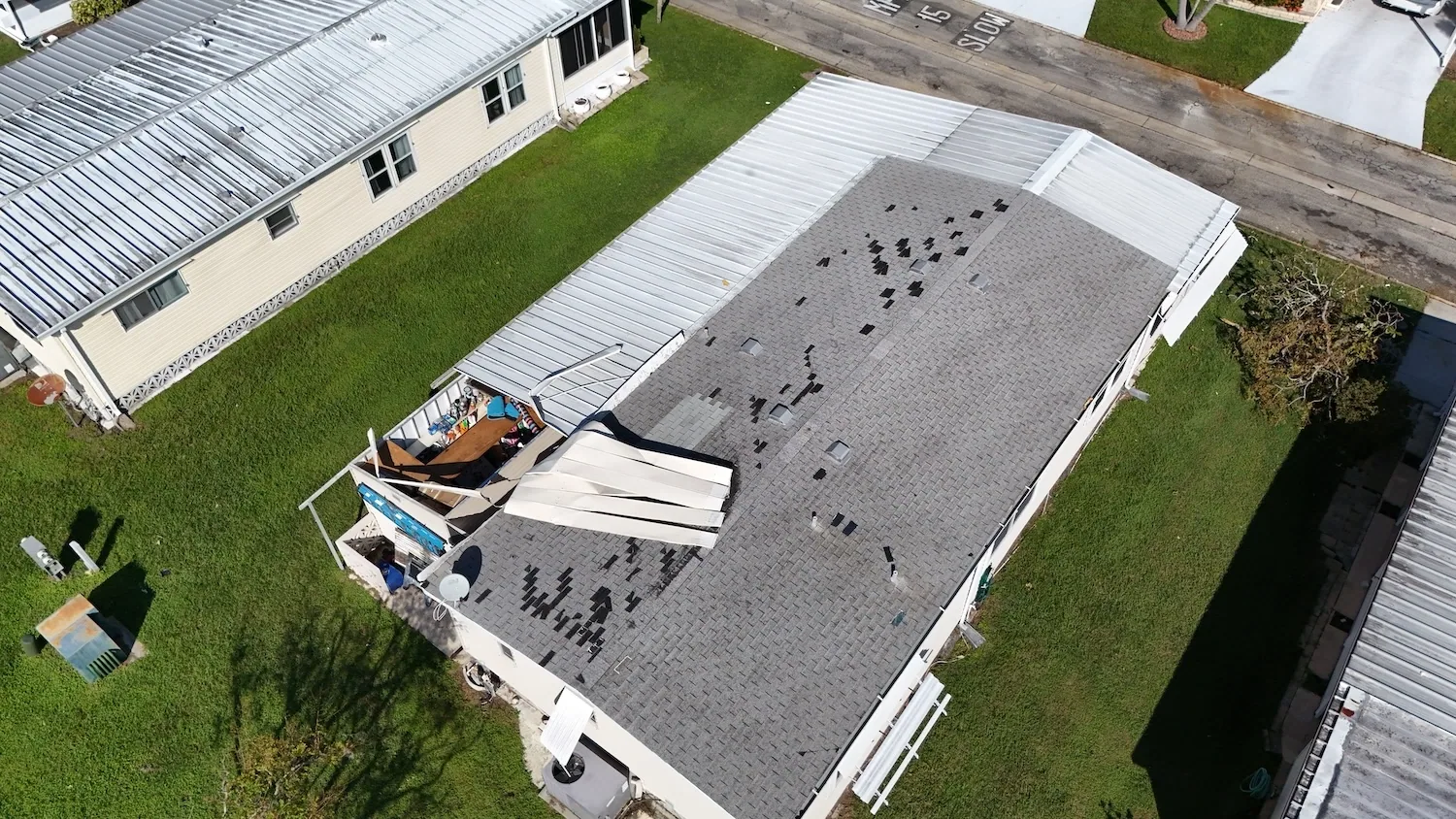
Repair wind-lifted seams, edge metal, and rooftop details in West Valley City, UT. We document damage, set a dry-in limit, and plan permanent work.
Roof Damage Repair
Commercial roof damage repair in West Valley City, UT. Document the opening, test concealed layers when needed, and set a safe dry-in boundary.
Browse Roof Damage Repair
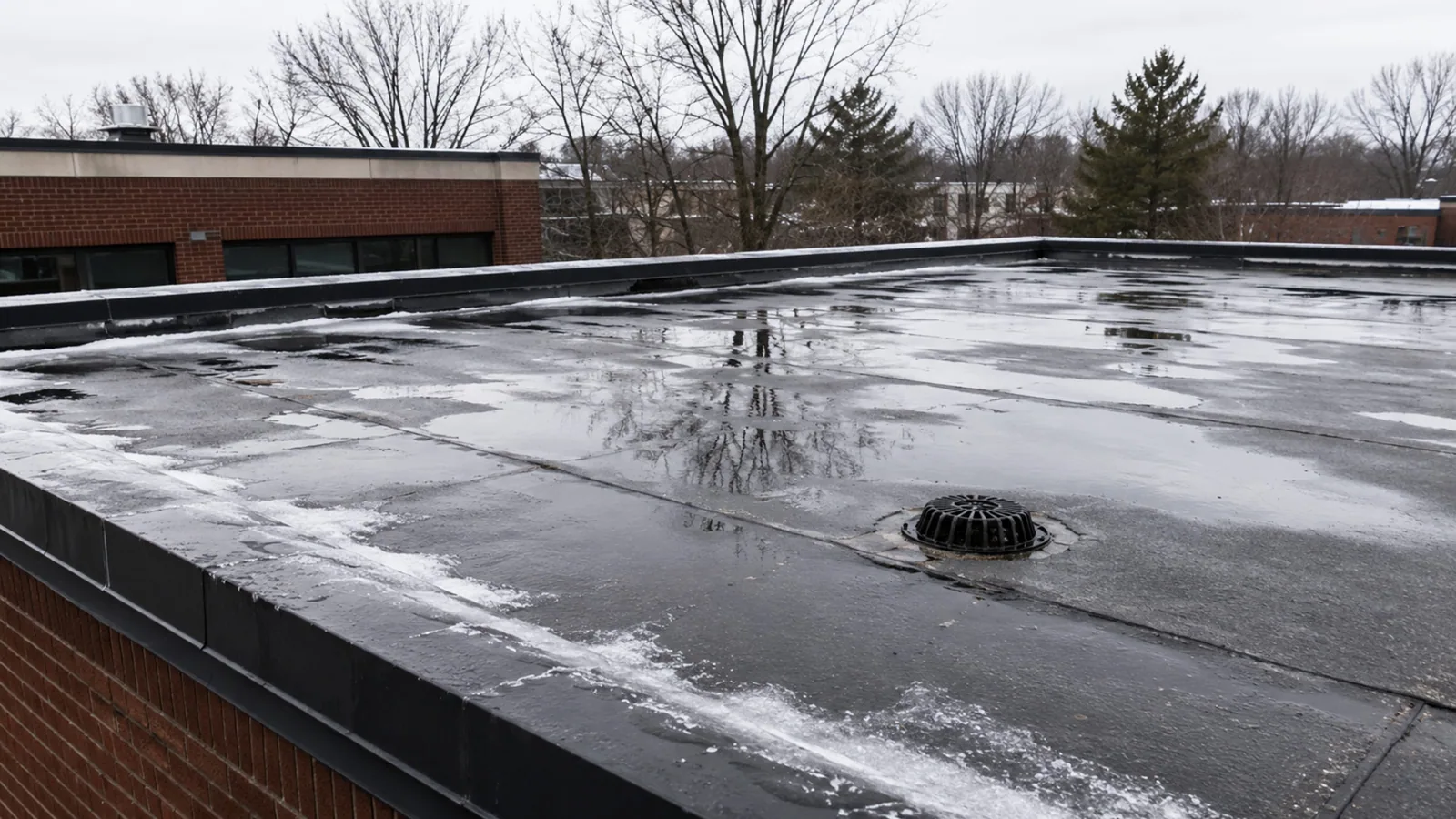
Ponding Water Roof Repair
Correct ponding water on commercial roofs in West Valley City, UT. We check drainage, membrane, insulation, and deck before setting repair limits.
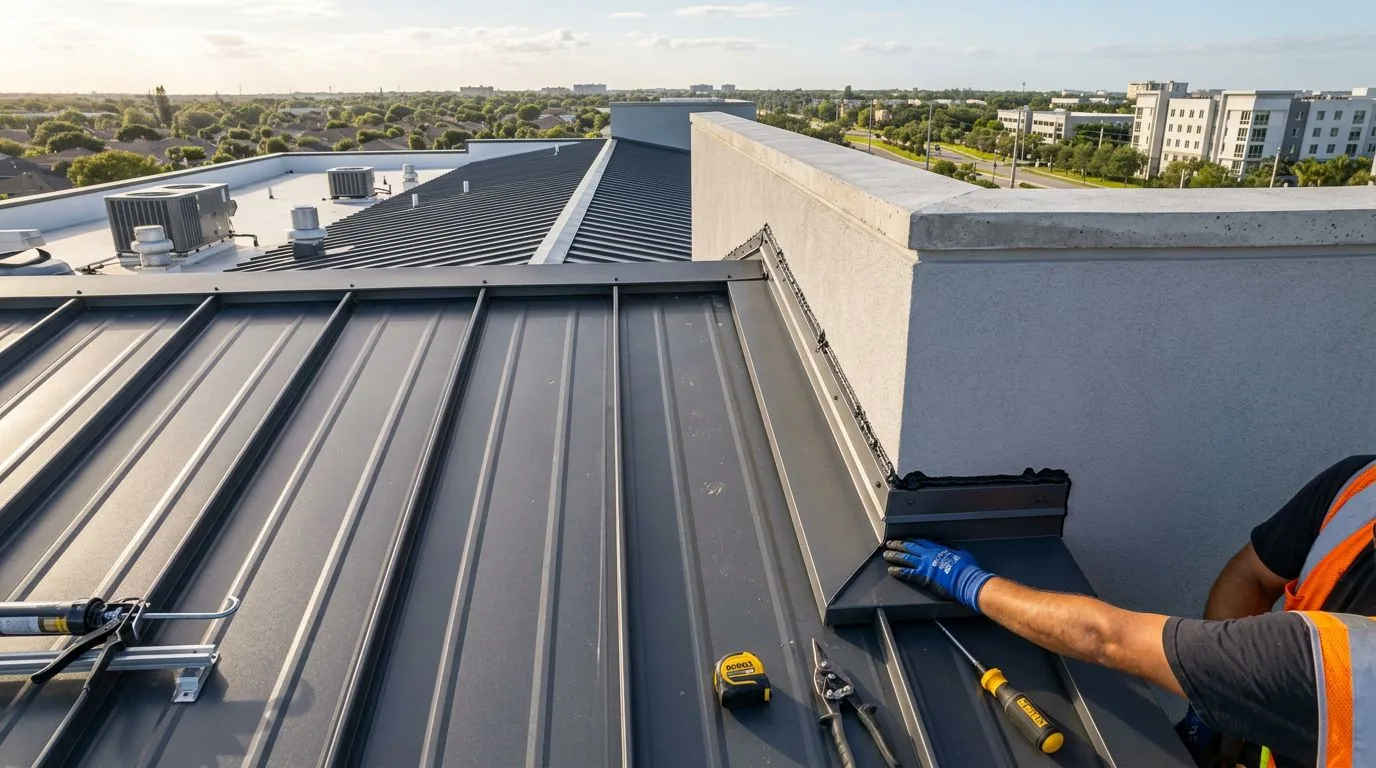
Commercial Roof Flashing Repair
Repair failed commercial roof flashing in West Valley City, UT. We inspect curbs, walls, penetrations, and terminations before setting the repair boundary.
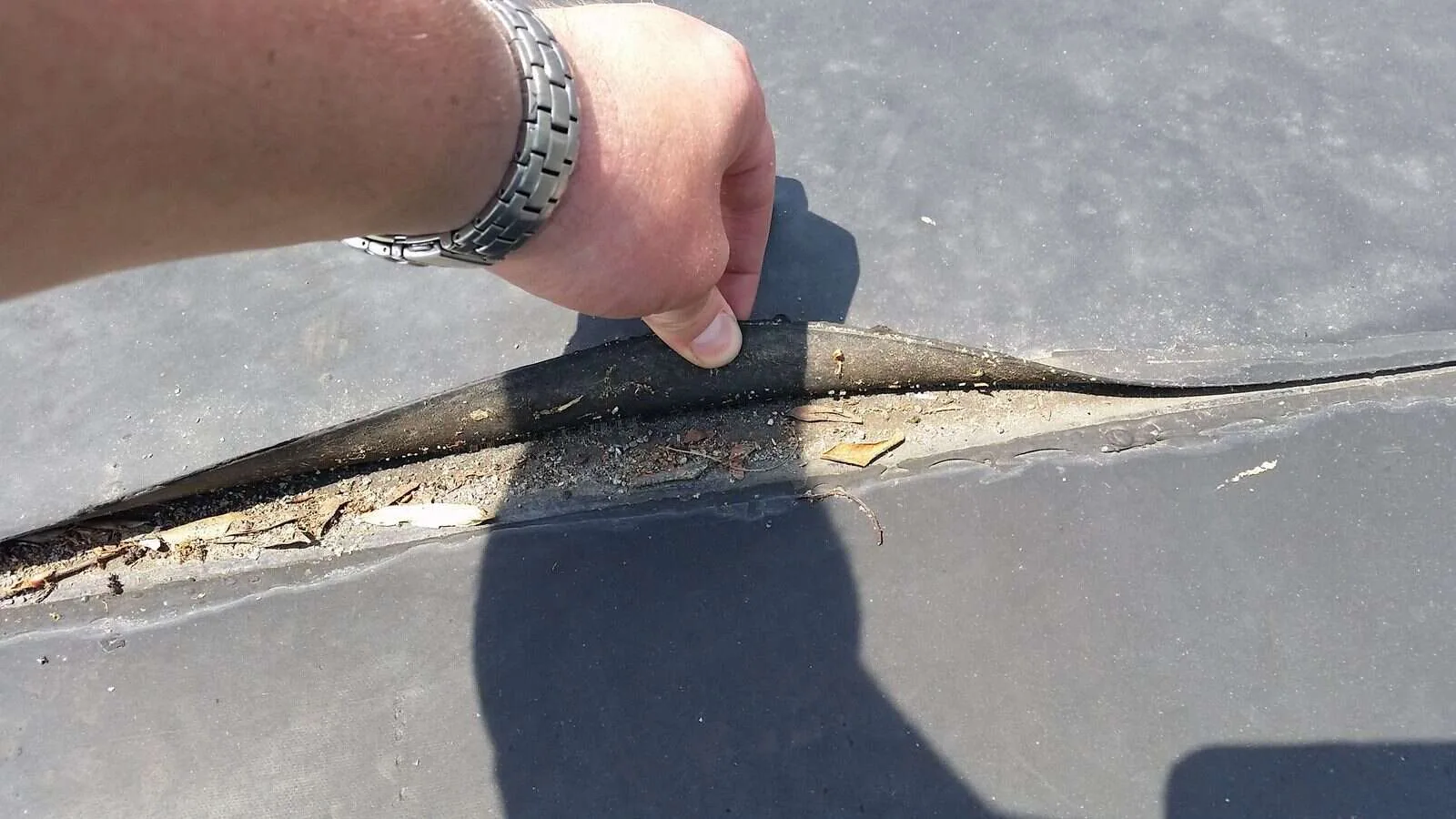
Commercial Roof Seam Failure Repair
Repair split or open commercial roof seams in West Valley City, UT. We inspect the lap, substrate, and nearby details before defining the repair area.
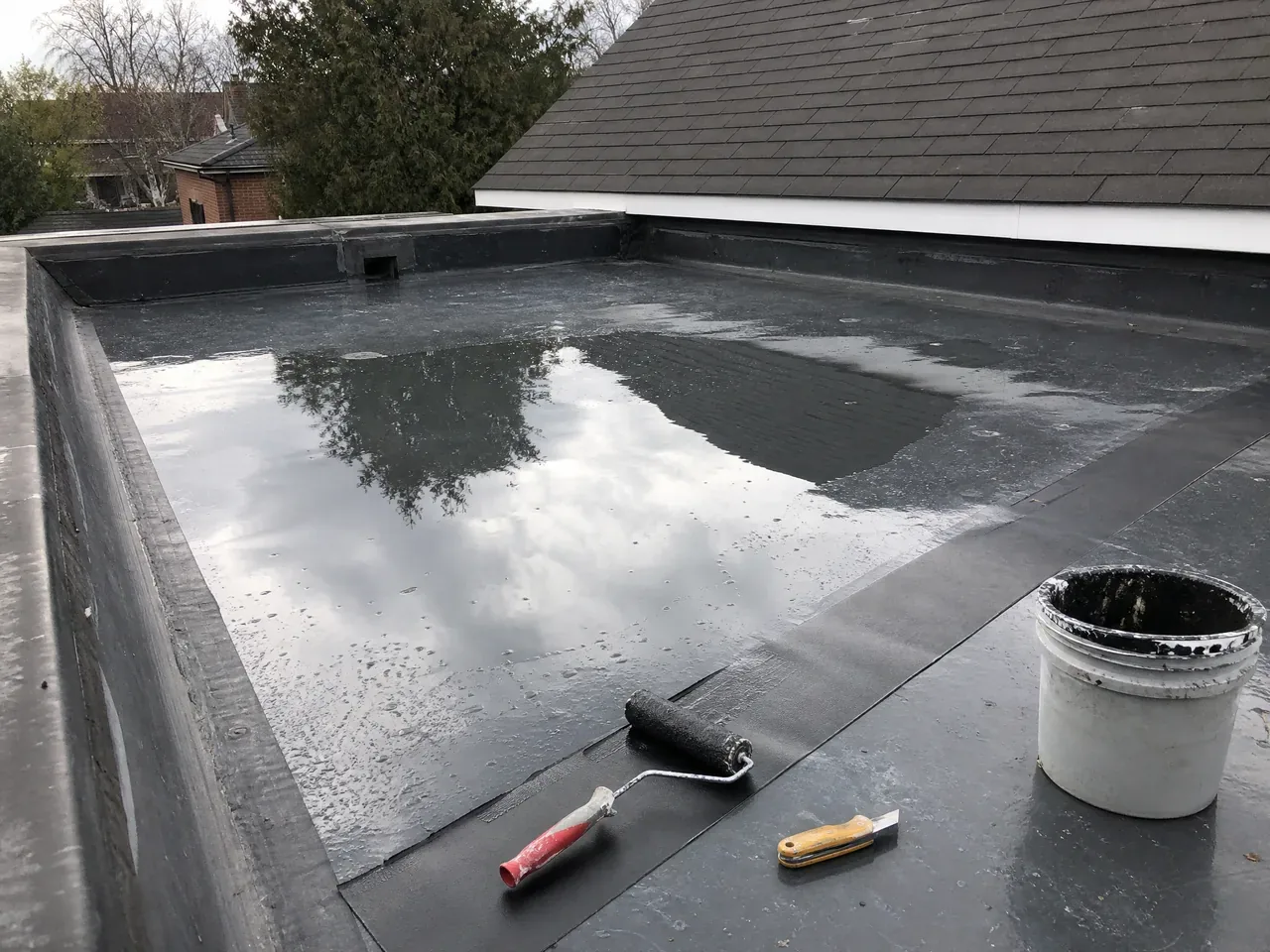
Commercial Roof Membrane Puncture Repair
Repair punctures and foot-traffic damage on commercial roofs in West Valley City, UT. We inspect the substrate and tie-in before setting scope.
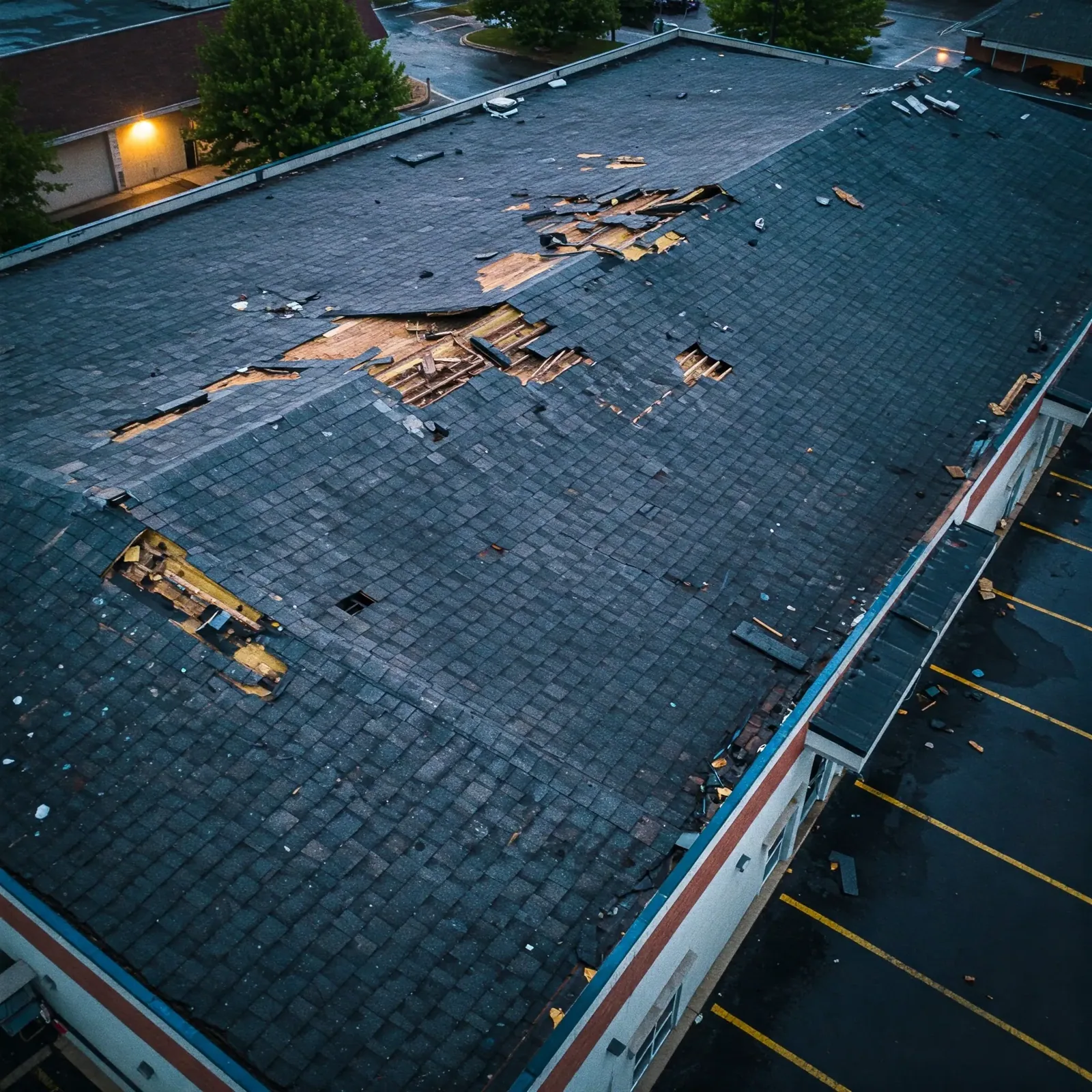
Commercial Fire Damage Roof Repair
Repair commercial roof damage after a fire in West Valley City, UT. We secure openings, inspect the assembly, and document removal and replacement limits.
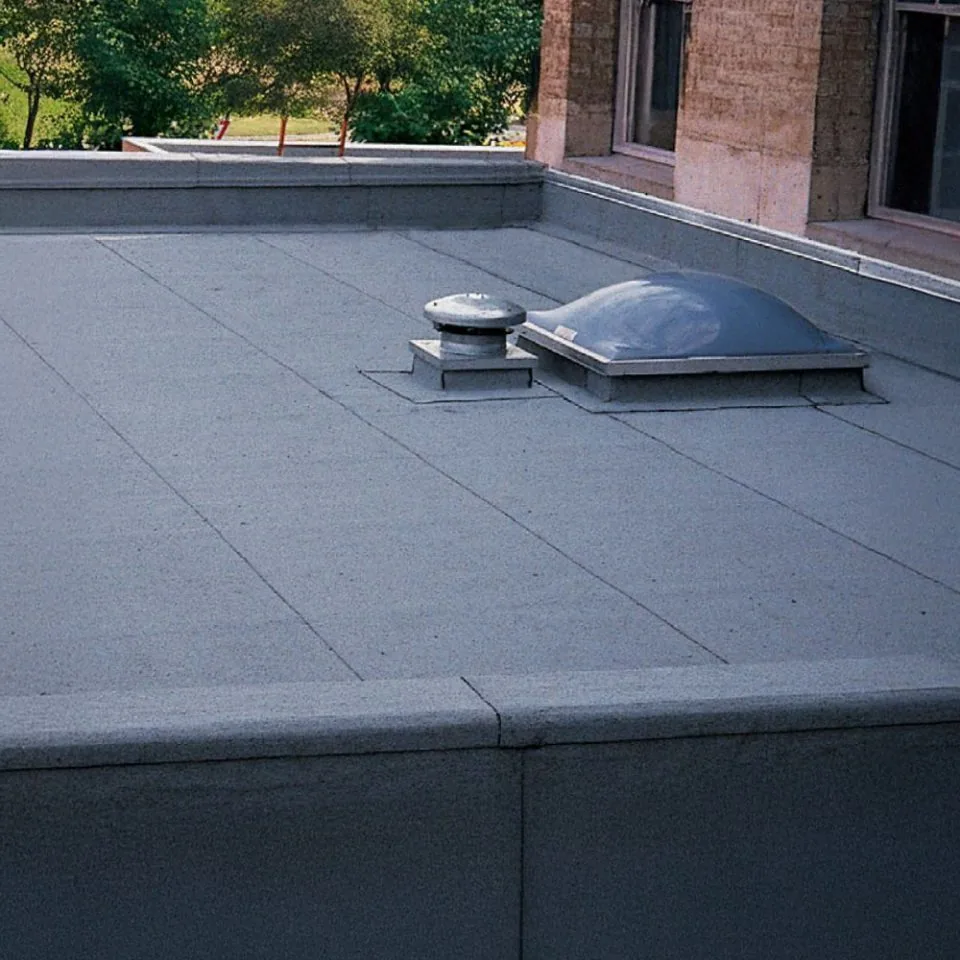
Commercial Snow and Ice Roof Damage Repair
Repair commercial roof damage from snow and ice in West Valley City, UT. We check drains, seams, flashing, and insulation before defining the work area.
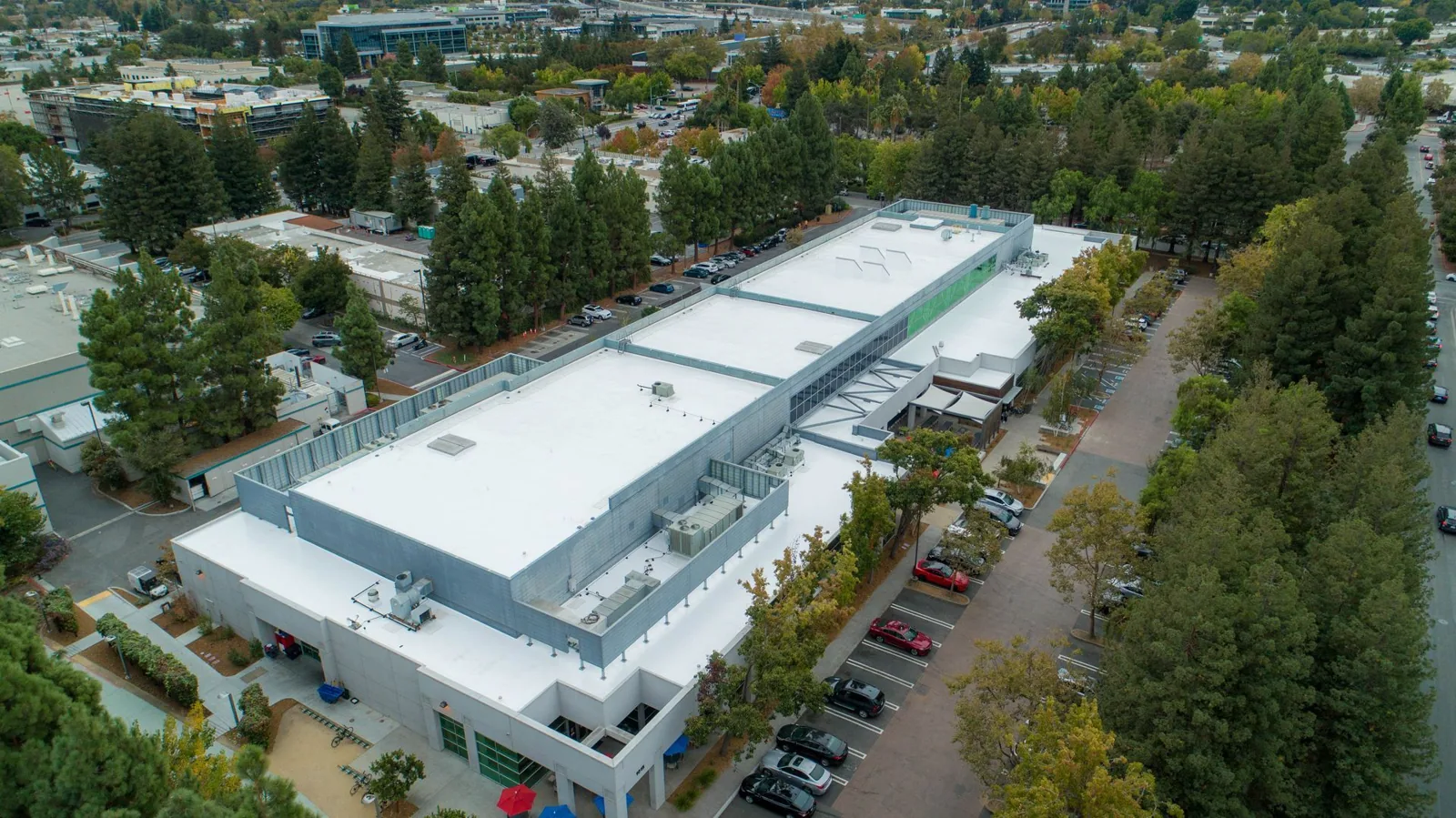
Heat and UV Roof Damage Repair
Repair heat and UV damage to commercial roofs in West Valley City, UT. We inspect membrane, seams, flashing, and insulation before choosing a system.
Document and scope the roof damage
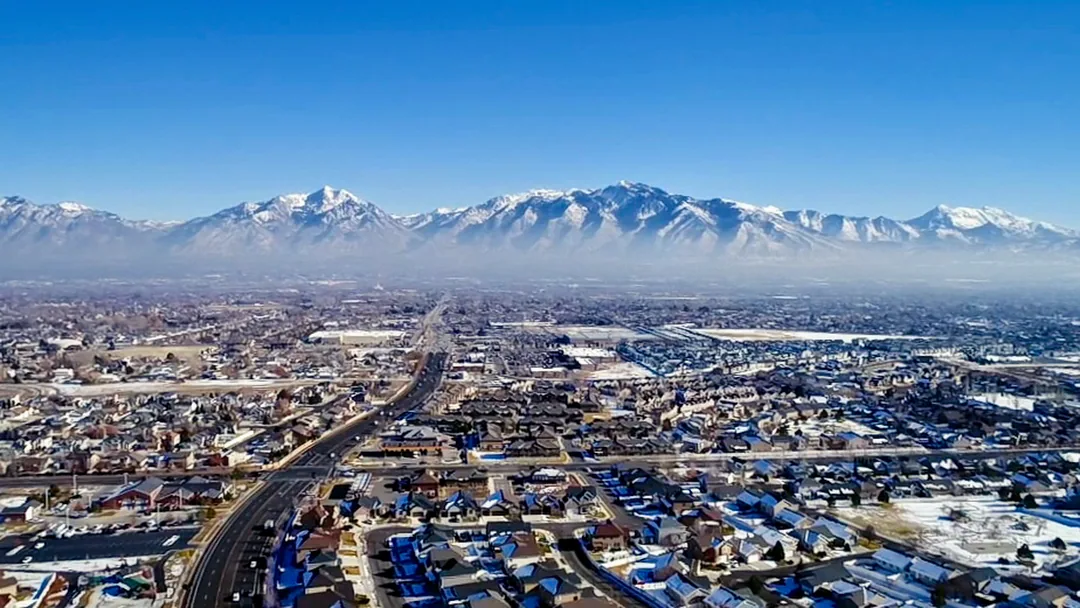
A puncture beside a curb can admit water below a membrane even when the hole looks small. We inspect the opening, flashing, substrate, and nearby seams before defining removal limits. The repair needs a dry, sound surface for its tie-in. If moisture has spread beneath the sheet, we document what testing or removal is needed before pricing more work.
The transportation plan recognizes 3500 South as a major arterial and locates industrial distribution activity near the north side of SR-201. These locations identify a broad local setting, not the cause of damage at a building. We tie each repair to the roof zone, reported event, and actual field evidence.
Protect the opening, then inspect the assembly
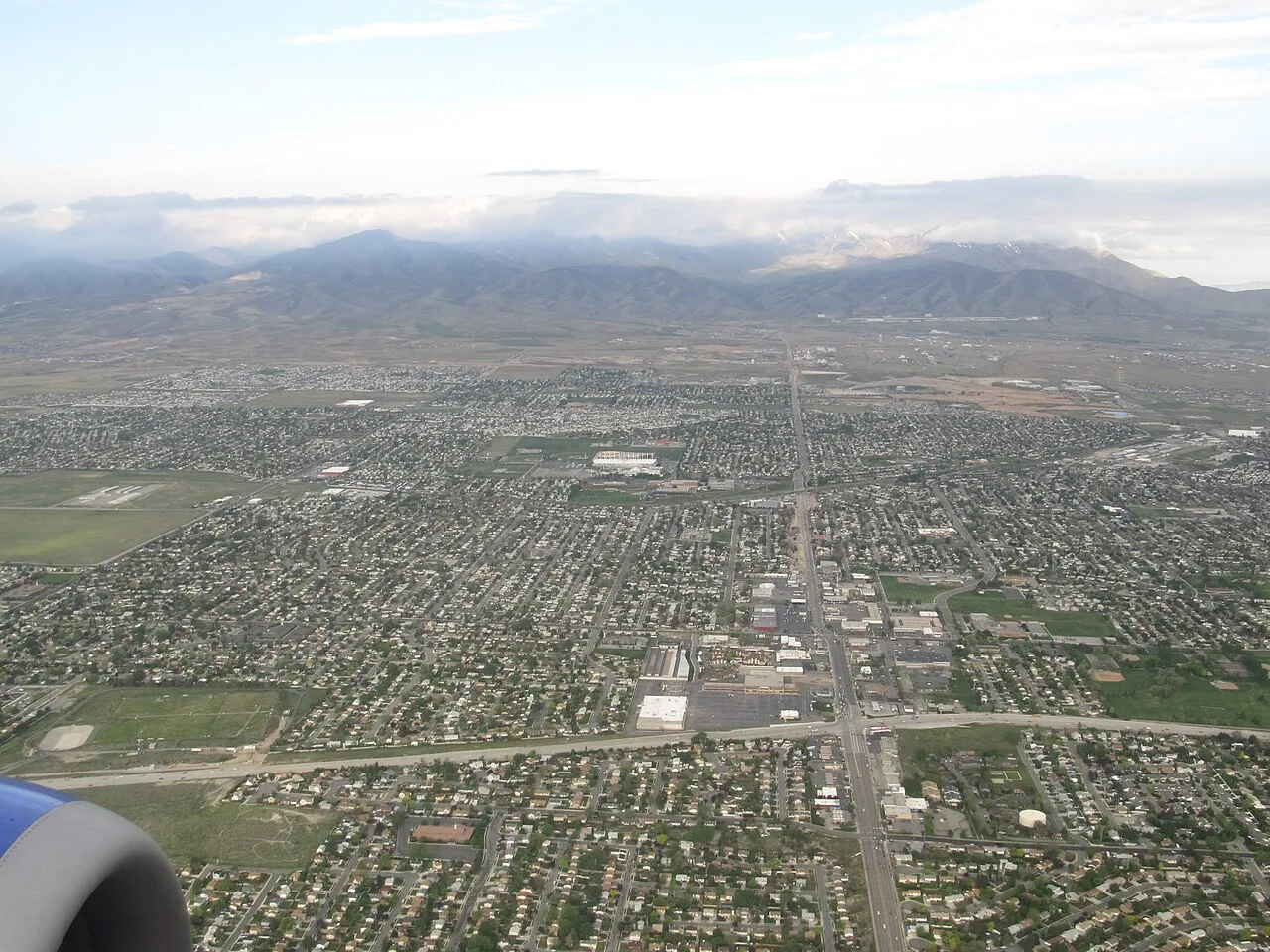
When water is entering, temporary protection can reduce exposure while a permanent scope is prepared. We record the opening, identify areas below to protect, and plan access before moving material. The inspection checks laps, fasteners, edge metal, curbs, drains, and visible insulation. Wind damage repair and membrane-puncture repair both start from a documented repair boundary.
If insurance documentation is required, photos and measured observations should match the roof condition. We keep the claim record distinct from the repair recommendation and note any condition that has not been opened.
Trace water at drains, seams, and flashings
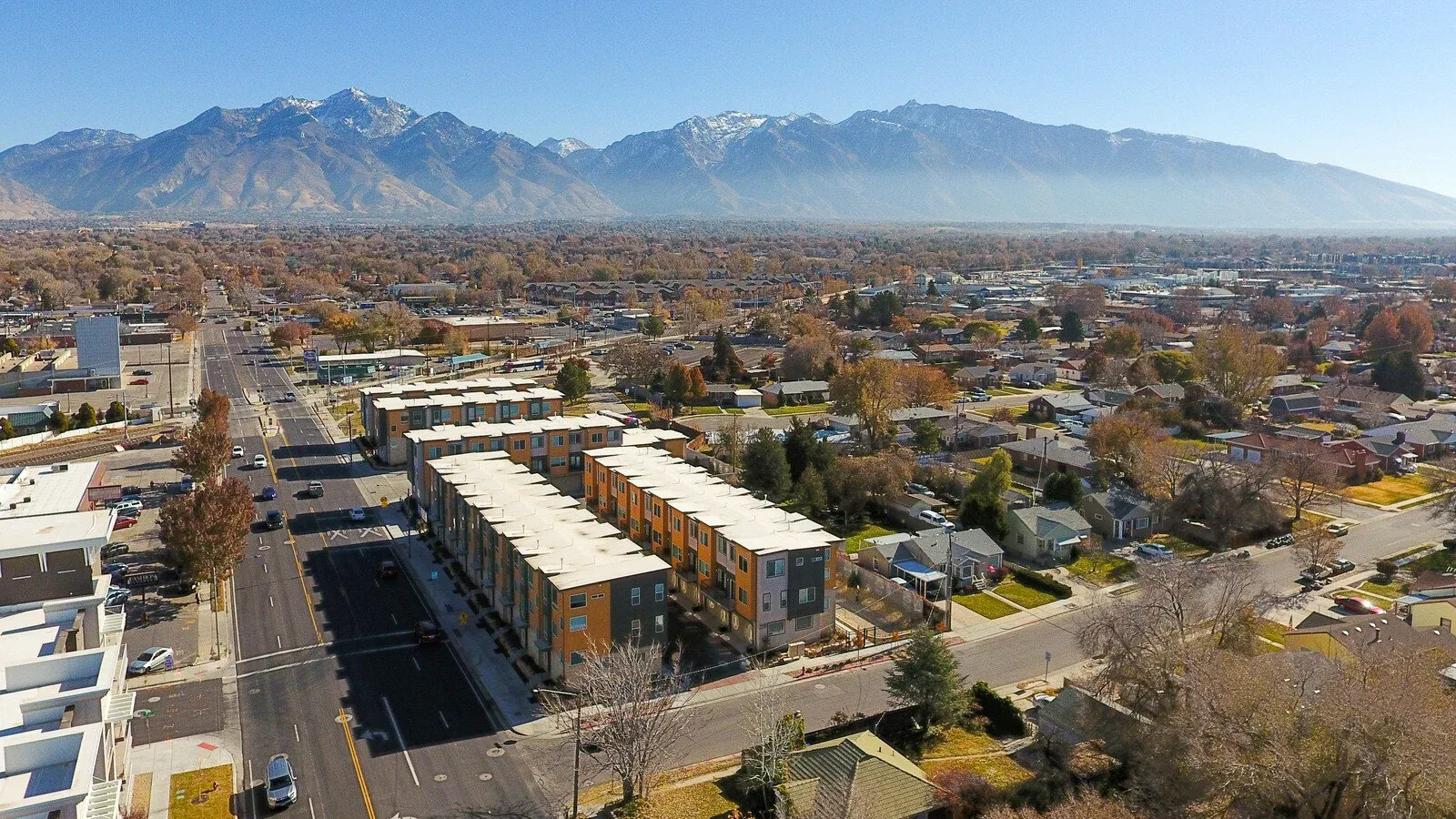
Snowmelt or rain can remain at a low point when the drain is blocked or the roof surface has settled. For the airport station, January's normal snowfall is 12.70 inches; the 1991-2020 annual snowfall normal is 51.9 inches. We inspect drainage, ice, and safe access before choosing a correction.
A clear outlet with a persistent pool may need ponding-water repair. A split at a lap may call for seam repair. At a wall or curb, flashing-failure repair can address the transition after the substrate is checked. Each scope names the affected detail and nearby material included.
Check surface conditions before rebuilding
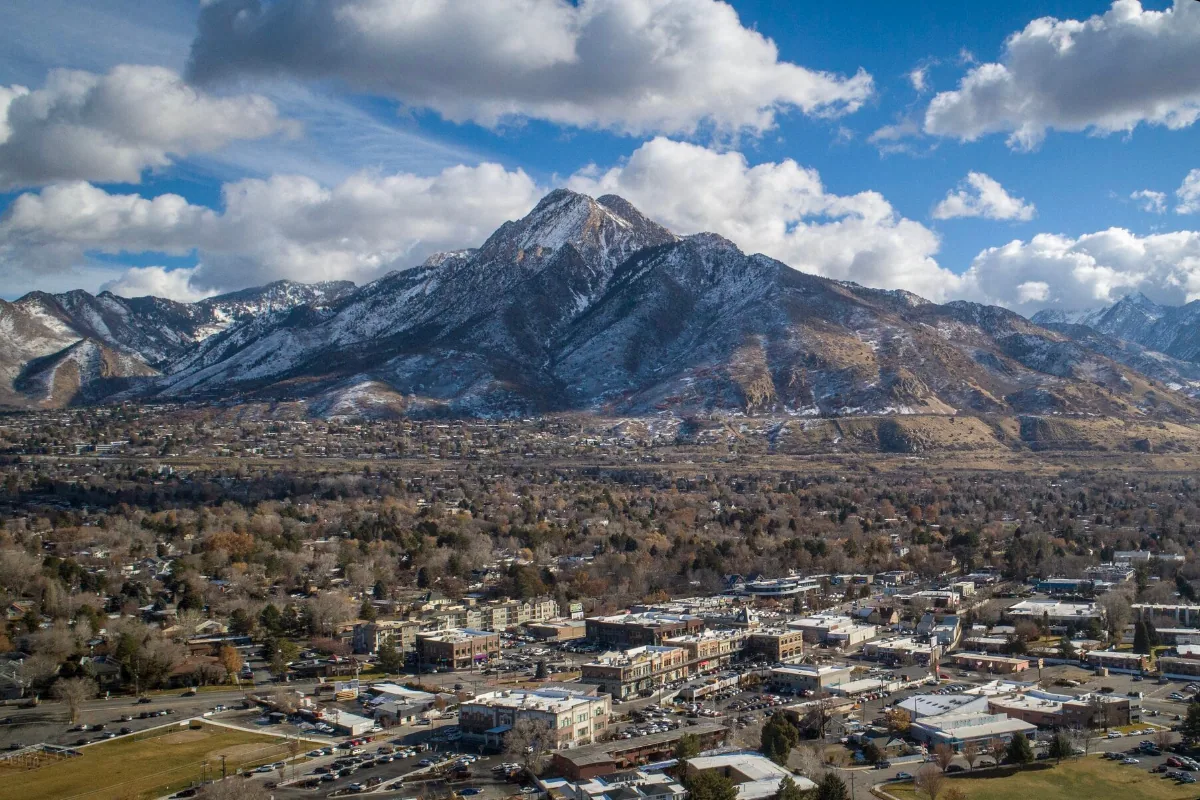
Repair materials need appropriate temperature, dry substrate, and a compatible tie-in. The airport station's normal daily high is 94.0°F in July, and normal winter minimums fall below freezing. Those figures are regional context. We check the actual roof before applying sealant or adhesive and schedule removal around a reliable dry-in period.
Fire or heat damage may affect layers below the membrane, even if the visible area is limited. Fire-damage repair and heat and UV repair begin with inspection of the affected material. Snow and ice damage repair also requires safe access and a check for blocked drainage.
Record what changed and what remains open
Price depends on damage area, removal depth, flashing geometry, access, protection below, and disposal. We define quantities that inspection confirms, then state how approval and review proceed if tear-off uncovers wet insulation or a compromised deck. Closeout photos show the opening, repaired detail, and tie-in. The record also names inaccessible areas or work held for another trade.
A repair file can help a property team compare a future report with the affected zone. If damage repeats near a loading area or another roof edge, a new inspection should check that location independently. The next decision can then be a narrow repair, a section replacement, or further testing, based on evidence rather than assumption.
Common questions
Can a temporary repair become the permanent scope?
Temporary protection can limit entry, but we inspect the membrane, flashing, and substrate before recommending permanent work. The final scope identifies the material removed and the connection rebuilt.
Do snowfall normals describe conditions at my roof?
No. The normals come from Salt Lake City International Airport station records. We use them as regional seasonal context and check actual snow, ice, drainage, and access at the property.
When should damaged membrane be opened?
Opening is considered when moisture, soft material, or a recurring leak could change the repair limit. We identify a test spot and restore the area after documenting the layers found.
What details are included in a damage repair record?
We record the location, photos, repair material, test results, and any area outside the approved work. If a trade release or weather hold affected completion, that is noted for the next inspection.
Share the affected roof zone, damage report, access limits, and decision date. We will inspect the opening and surrounding assembly, protect the work area, and separate confirmed repairs from testing or concealed conditions.
Request a Roof Assessment