Ponding Water Roof Repair in West Valley City, UT

Correct ponding water on commercial roofs in West Valley City, UT. We check drainage, membrane, insulation, and deck before setting repair limits.

Find the cause of ponding water

A shallow pool that remains after surrounding roof areas dry can point to a blocked drain, compressed insulation, or a low section in the deck. The repair depends on which layer holds the water path. We measure and map the pond, inspect the outlet and membrane, then determine whether the correction is local or requires a broader drainage change. In West Valley City, UT, the scope should separate the visible pool from concealed conditions beneath it.

Water adds weight and can keep seams, coatings, and flashing under repeated exposure. It can also hide a puncture or leave debris against a drain bowl. We photograph the ponding area and compare it with roof slopes, outlets, curbs, and previous repairs. A blocked outlet may need cleaning and detail work; a recurring low spot may need tapered insulation or a different repair plan. We verify the cause before pricing either one.
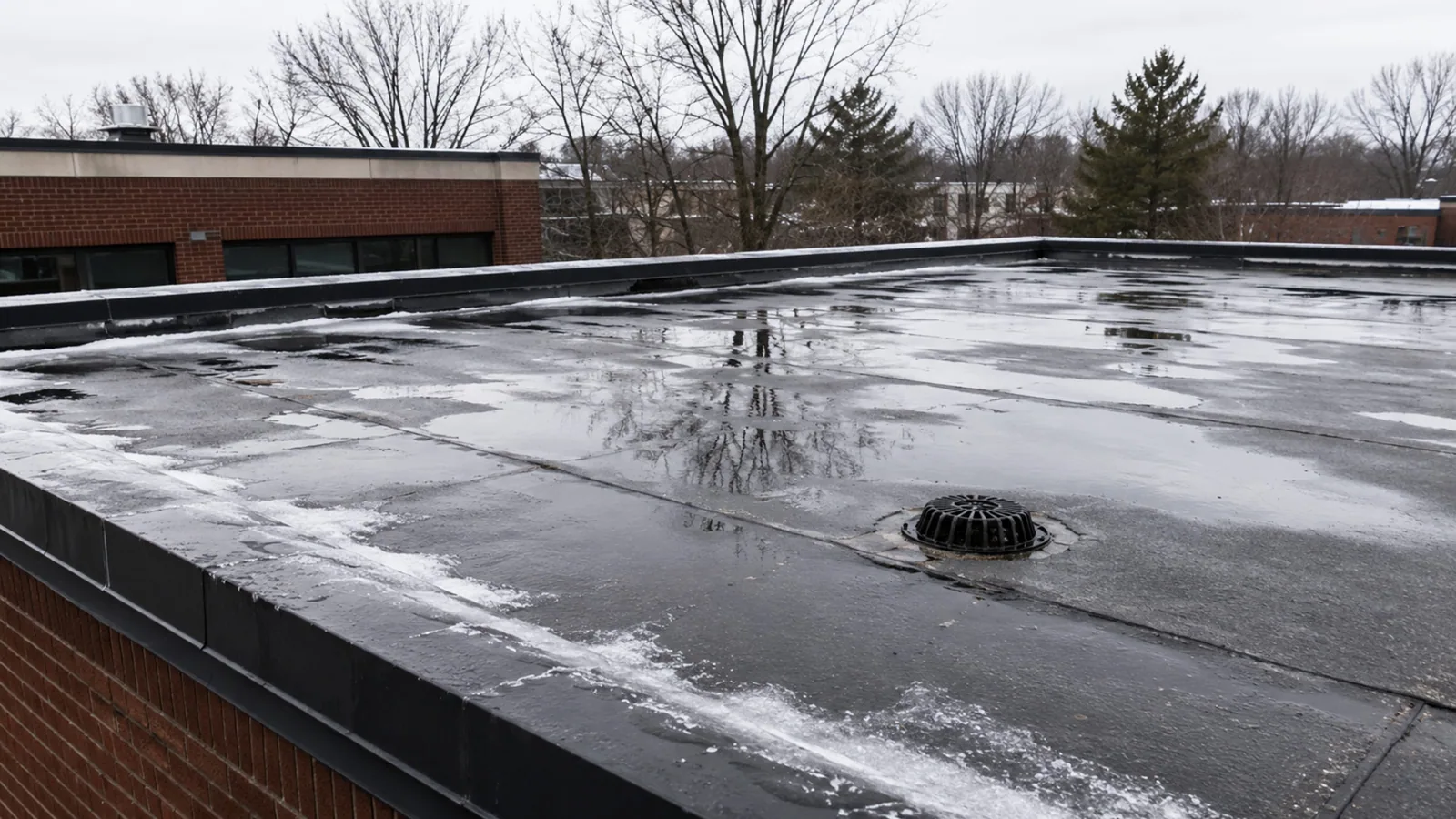
A drain bowl packed with leaves or loose material can hold water even where the roof has enough fall. We clear only the debris included in the approved scope, then check the bowl, clamping ring, strainer, and membrane connection. Scuppers and overflow paths also need review. If the outlet is damaged or the pipe connection is not accessible, we document that limit and coordinate the next inspection rather than covering an unresolved drainage issue.

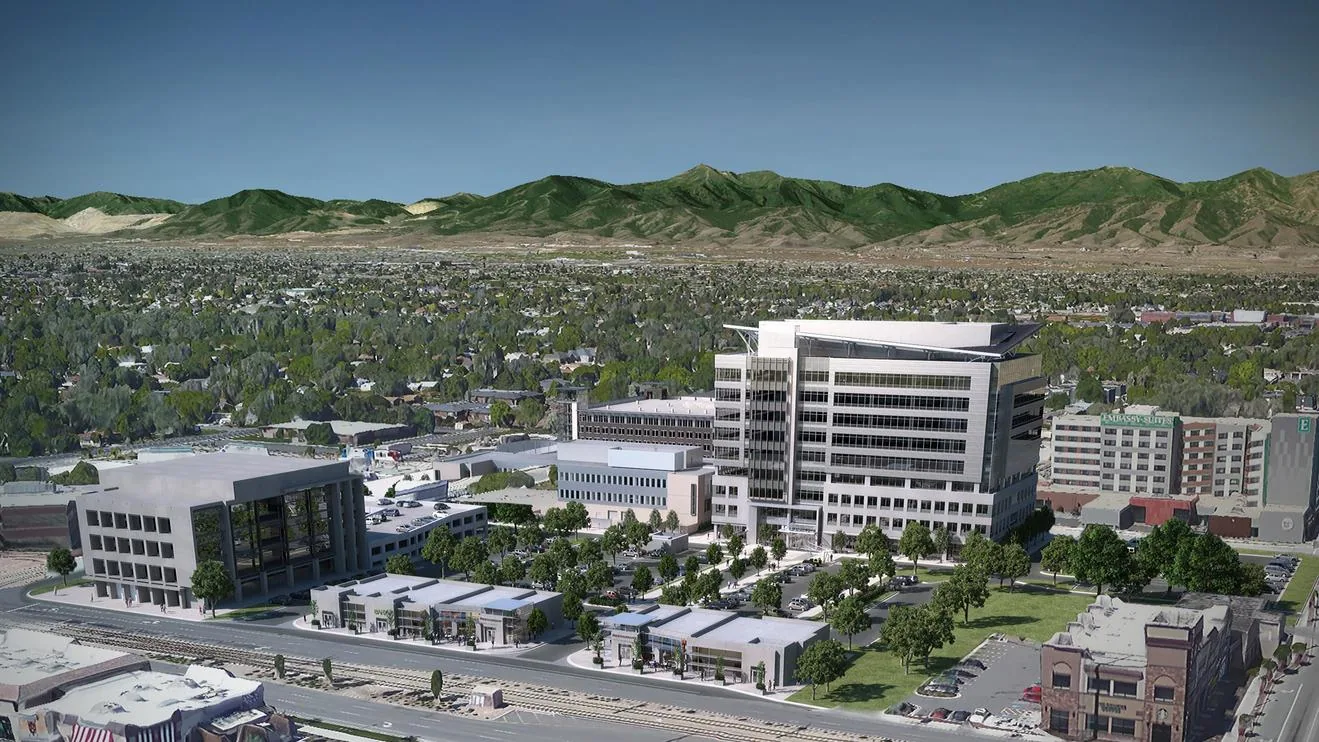
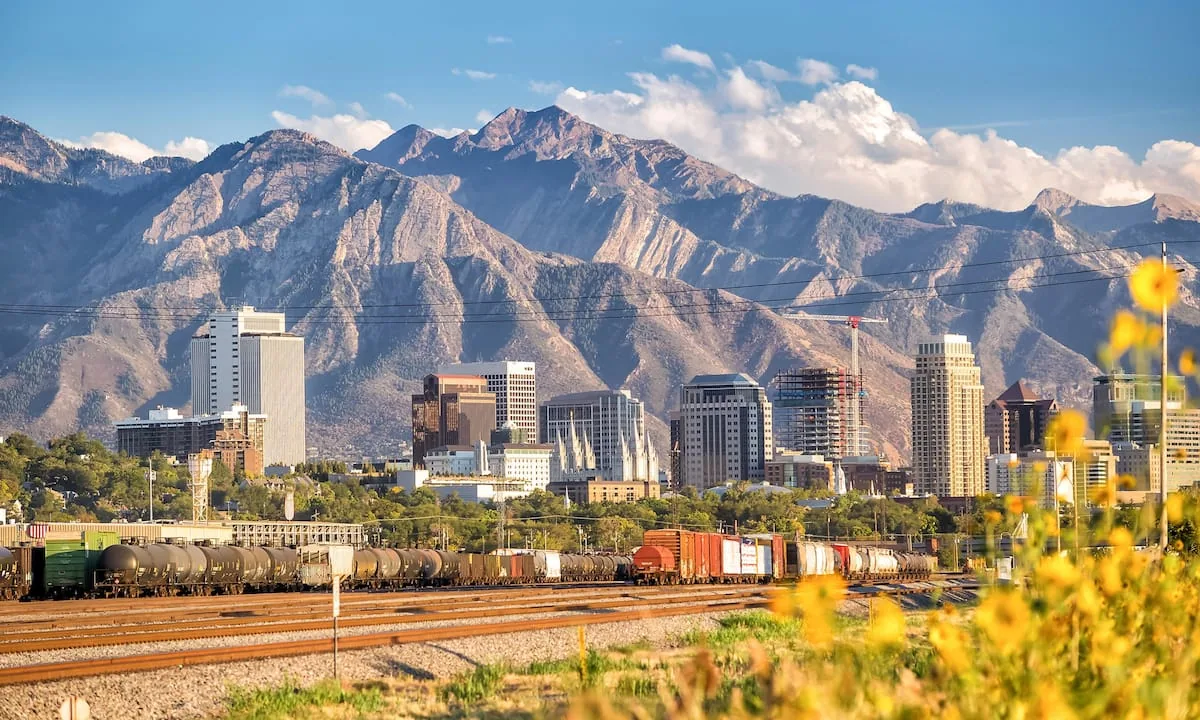
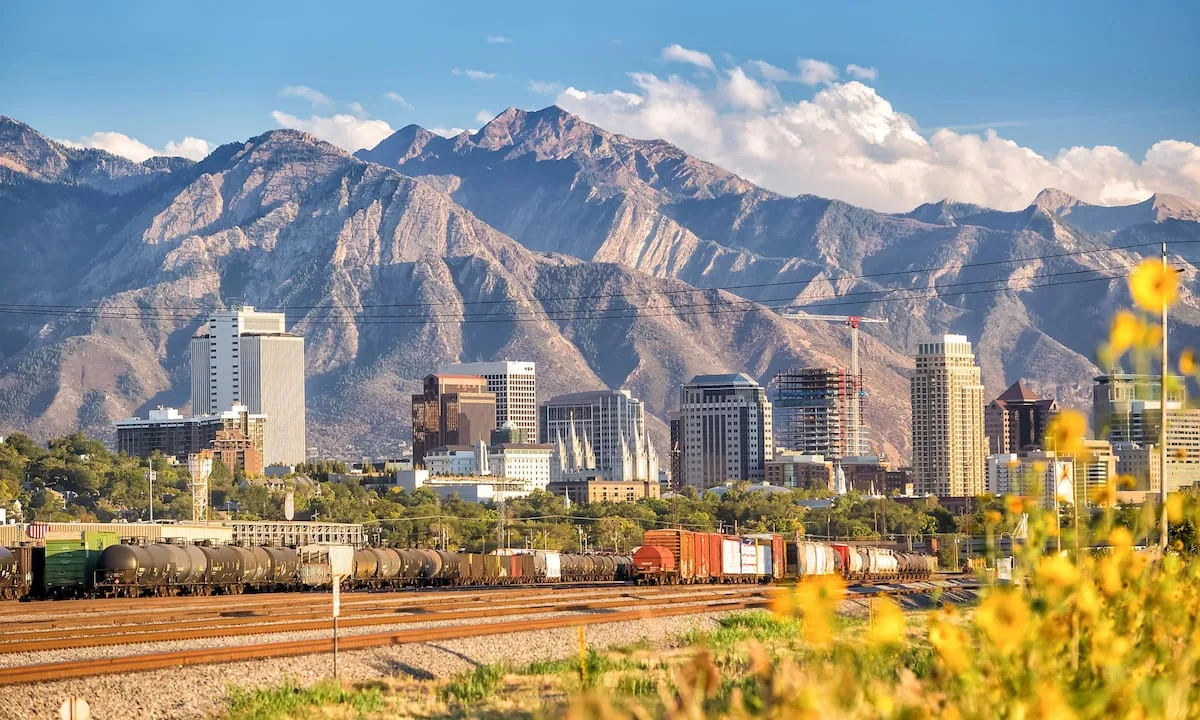
West Valley City’s major-street plan identifies 3500 South as an arterial and an opportunity area for redevelopment. Commercial properties along that route may have different access and delivery constraints than a roof in the northern SR-201 industrial corridor, where trucking and distribution uses are planned. We set the roof work window with the property contact and keep the inspection focused on actual drains, slopes, and safe access at the building.

Ponding Water Roof Repair

Map where water sits and how it moves

Ponding Water Roof Repair

A pond should be marked by its boundary, depth, and relation to the nearest drain, scupper, wall, and rooftop equipment. We note whether the water spans a seam or collects behind a curb. A photo taken right after rain can show where runoff slows, while a later visit helps distinguish temporary wetting from water that remains. That record gives the repair crew a defined area and lets the owner compare conditions after the correction.

The Salt Lake City International Airport station’s 1991-2020 normal annual precipitation is 15.52 inches. At the building, we check whether the roof has a drainage path that clears water after storms. A commercial roof inspection can map low spots, drain conditions, and nearby details. Repeated water at a seam may also require roof seam repair after the surface is dry. A puncture at the low point may need membrane puncture repair as well.

Test insulation before adding new slope

Compressed or wet insulation can leave a low area that will not disappear after a drain is cleared. We check the membrane for soft spots, openings, ridges, and trapped water. If concealed layers are uncertain, an approved test cut can show whether insulation or cover board is wet. We photograph the opening and restore it with a compatible detail. The test shows the layers at that location, so broader removal needs separate evidence.

Added tapered insulation can improve drainage when the deck and underlying structure are suitable for the planned assembly. We verify elevations, drain height, curb clearances, and edge conditions before recommending that work. If movement or deflection appears to be structural, a qualified design professional should evaluate capacity and slope. A roof insulation and cover-board repair can address damaged layers, while drain and scupper work corrects outlet details.

Ponding Water Roof Repair

Choose a correction that reaches the cause

When an outlet is clear and the membrane is intact, a localized drainage correction may be enough. If water sits because insulation is compressed, the affected layers may need removal and replacement. A widespread low area, repeated ponding at several drains, or damaged substrate can change the work from spot repair to a larger reroof plan. We list the reason for each option and what field condition would move the boundary further.

Water that persists through cold periods can stress open laps and flashing. January normals at the Salt Lake City airport include 20.6 days with temperatures reaching 32°F or lower. For a roof at the 3500 South Corridor, that station context supports checking drain bowls and seams before winter work, without treating its temperature count as a measurement at the property. A recover is only an option when the assembly and drainage support it.

Keep the roof dry while correcting low areas

Drainage work can require removing wet layers, rebuilding a local plane, resetting a drain detail, or tying new material into the existing roof. We define the open area, dry-in line, and inspection point before cutting. If weather or hidden damage changes the repair boundary, we secure the opening and review the additional work with the owner. Materials, lift access, and drain shutdowns also need to be coordinated with building operations.

For a roof above active storage or office space, protection below should be set before demolition. We can phase work by drain basin or roof section so nearby areas remain available. commercial roof replacement may be the better scope if multiple drainage zones have wet insulation or failed membrane. For active water entry, emergency roof response can protect the interior while a permanent drainage correction is prepared.

Record the ponding correction

Closeout should show the drain or low area before work, the layers removed, the new slope or outlet detail, and the completed membrane tie-in. We identify any pond that remains outside the repaired zone and any test location that was not opened. If the owner is comparing future conditions, use the same reference points and visit timing. That makes a changed ponding pattern easier to assess than a single after-the-fact image.

Selected parcels along 3500 South carry mixed commercial and residential designations in the city’s land-use plan. The street’s changing property uses do not establish roof assembly or drainage condition, so we keep each record tied to the inspected building. A roof condition report can preserve pond maps, photos, and remaining priorities. Follow-up maintenance can recheck drain bowls before debris blocks the outlet again.

Ponding Water Roof Repair

Common questions

How long can standing water remain before you recommend a repair?

The first check is the roof’s drainage design and the time since rainfall, not a single universal hour count. We map where water remains, measure the area, and check whether an outlet or low section is responsible. If water persists or crosses a seam, we inspect the layers and define the repair from those findings.

Will clearing the drain fix every ponding problem?

No. Debris can block an otherwise functional outlet, but compressed insulation, deck slope, or a raised drain can also hold water. We inspect the bowl and surrounding roof plane before calling the issue resolved. If the low point remains, the correction may need to address the surface below the membrane.

Can you add tapered insulation over a ponding area?

Taper can redirect runoff when the existing deck and assembly support the added layer. We verify elevations, drain height, edge transitions, and equipment clearances first. Wet insulation or a soft substrate may need removal instead, and structural movement calls for review by a qualified design professional.

What if water is trapped under the membrane?

An approved test cut can expose the insulation and cover board at a selected point. We document what is wet and restore the opening after inspection. If the moisture extends beyond that test, additional removal requires its own approval and revised quantity before the work proceeds.

How do you confirm that the drainage repair worked?

The closeout records the corrected outlet or slope, completed tie-in, and reference points for a follow-up visit. We can compare those points after a later rain and note any water that remains. The record also identifies nearby roof areas that were not changed or tested.

Find the cause of ponding water

ServicesRoof SystemsIndustriesProperty TypesService AreasDamage RepairCapabilitiesManufacturersContactAboutRequest a Roof Assessment555-555-5555
Call555-555-5555