Commercial Roof Services for Real Estate Investors in West Valley City, UT

Evaluate commercial roof condition for West Valley City acquisitions and portfolios with marked findings, repair boundaries, and phased budget options.

Set the roof review around your decision date

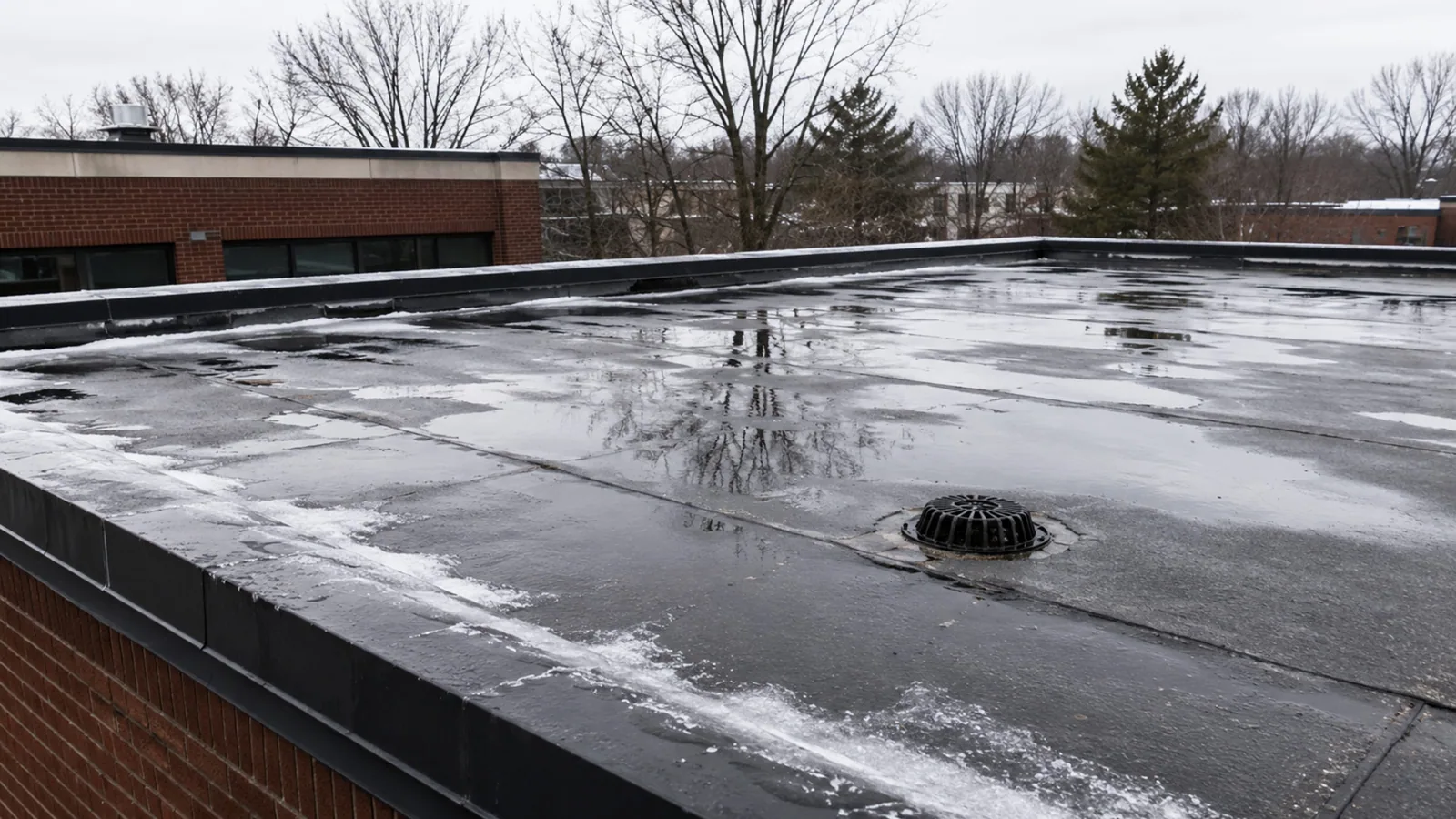
A test cut beside a parapet can change a roof reserve before the acquisition closes. We inspect the membrane, insulation, flashing, and deck where reported leaks or soft areas create uncertainty. In West Valley City, UT, an investor may evaluate office, retail, or industrial properties with different access and repair needs. We separate observed condition from projected work, then show which finding moves the near-term budget.

A roof summary should support a decision, not assign a blanket rating without evidence. We map each roof zone, photograph defects, and distinguish a bounded repair from work that depends on removal. A commercial roof due-diligence survey can help ownership compare current exposure with the repair limit and next inspection question.
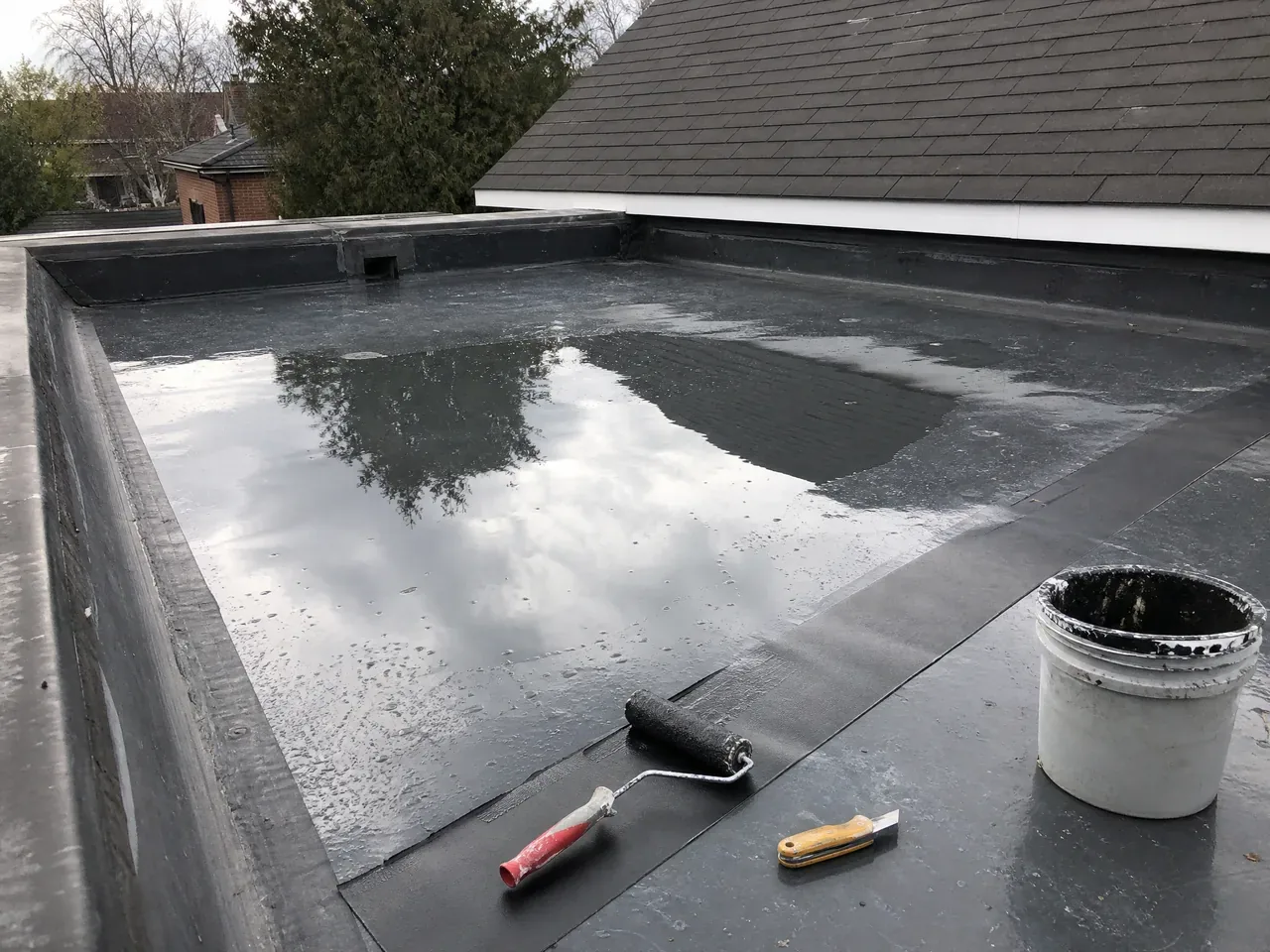
A seller’s roof history can identify leak areas, but it cannot show what remains under an intact membrane. We compare records with field conditions at drains, seams, curbs, and terminations. Where moisture or attachment is unclear, a test cut can reveal the insulation and deck. The report marks the test location and the limit it supports. Any concealed area outside that opening stays an open budget question.

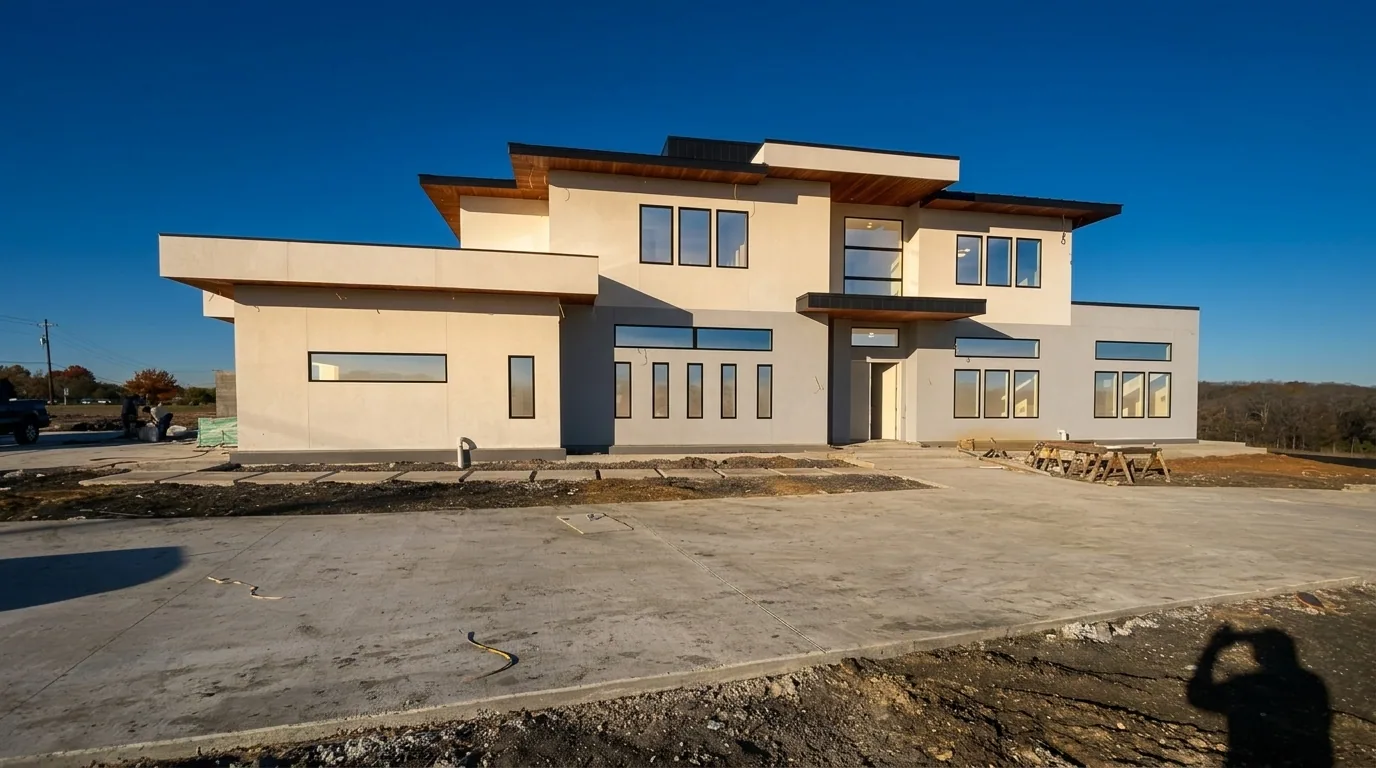
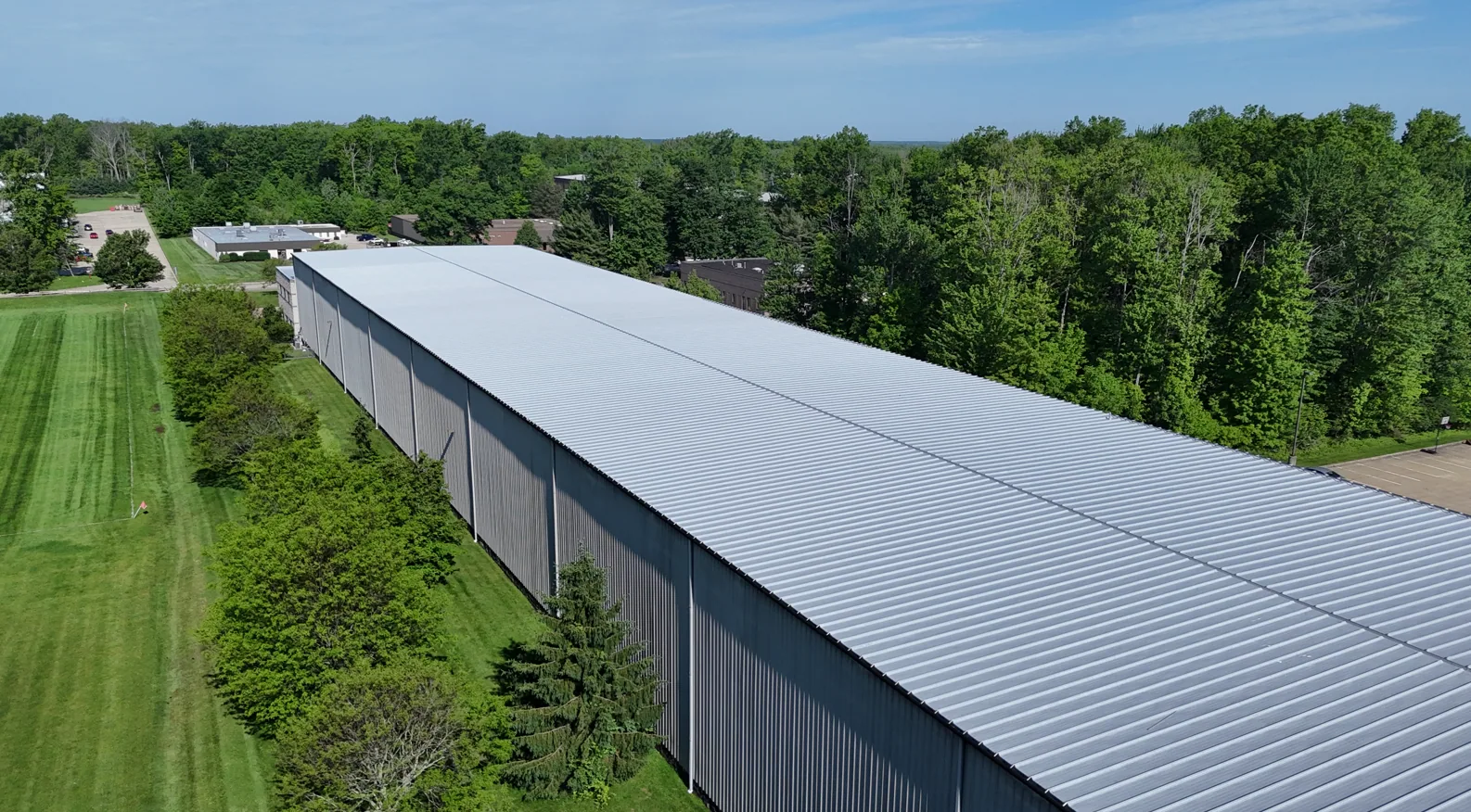
West Valley City business parks bring offices and light-industrial facilities together with research centers and support services. That mix can bring different roof assemblies into one investment portfolio. We evaluate each property by construction and observed condition rather than assuming all roofs share the same remaining life. A property-management roof register can carry confirmed findings from acquisition into operations.

Commercial Roof Services for Real Estate Investors

Separate known repairs from allowances

Commercial Roof Services for Real Estate Investors

Cost exposure depends on the roof layers, wet insulation, attachment, edge metals, equipment curbs, lift reach, and active access restrictions. We price confirmed repairs by zone. Removal that may uncover deck damage remains a defined allowance or approval point. That distinction lets an investor compare immediate work with reserve planning without treating a possible condition as a known defect.

Fairbourne Station's planned mix includes retail, office, hotel, multifamily, medical-office, plaza, and park uses. That mixed-use setting illustrates the range of asset operations within West Valley City, while each building still needs its own roof survey. If a property has a time-sensitive leak, a contained repair scope may reduce immediate exposure. If several sections show wet insulation or seam failure, we compare those findings with a planned replacement phase.

Compare buildings without blending risk

Portfolio reporting works when every roof uses the same field labels and keeps its own observations. We record the system, leak record, drainage, repair history, and unresolved test locations for each building. A problem in one asset does not become a condition rating for the others. When ownership prioritizes work, the report shows which decisions depend on active leakage, moisture extent, or access.

Trucking and distribution uses are concentrated along West Valley City's northern SR-201 corridor, with light-industrial development extending to about 2700 South. We use the corridor as a delivery reference, then verify the acquired property's roof condition and site access before setting scope. A North SR-201 property review still needs a building-level walk and marked roof plan.

Commercial Roof Services for Real Estate Investors

Use climate context in timing decisions

At the Salt Lake City International Airport station, July's normal daily high reaches 94.0°F and August's reaches 91.7°F. We measure membrane and substrate temperatures at the property before application; those readings and the product limit set the shift's protected work area.

At that station, January normal snowfall is 12.70 inches within an annual total of 51.9 inches. We schedule drain and perimeter reviews around that seasonal pattern, then inspect each acquired building's low points and metal details. The maintenance plan can assign those checks before a leak changes the capital priority.

Stage work around tenants and cash flow

A repair sequence can affect tenant entrances, deliveries, equipment service, and interior operations. We map lifts, debris routes, and each day’s open roof limit before mobilization. If removal reveals damaged decking, work pauses at a secure boundary while ownership reviews the added scope. This gives the asset manager a decision point before cost or occupied-area impacts expand.

West Valley City connects the TRAX Green Line, the UTA Intermodal Hub, and 3500 South transit corridor with employment and activity centers. Those links frame how workers and service activity move through the market. At a property, however, the roof hatch, loading lane, and tenant schedule control staging. A phased reroof plan can coordinate those constraints with the expected cash and construction sequence. The owner can set a release point after each roof zone is closed and photographed. We record any test results that affect the next section before shifting lifts or materials. A final walk confirms drains, edges, and temporary protections are clear. If a tenant entrance or loading lane changes during the project, the daily plan records the updated route. That keeps schedule changes visible against the approved scope.

Keep the roof decision traceable

We provide the marked plan, inspection photos, test results, repair limits, and any item not confirmed until removal. The record distinguishes current defects from maintenance recommendations. That is useful when a property changes hands or a reserve plan is revisited. A roof capital plan can connect the condition map to timing and phase choices without converting uncertainty into a promise.

For a portfolio acquisition, one roof may need a near-term patch while another is ready for a scheduled replacement. We state the evidence for both options and identify what would change the recommendation. A health-system roof review has its own access and continuity concerns, while the investor still needs the same clear separation of observed defects, open questions, and priced work. The next inspection can begin from the record instead of starting from memory. We flag any roof area that could not be inspected before closing, so the buyer can carry the open question into the reserve and access plan.

Commercial Roof Services for Real Estate Investors

Common questions

What roof evidence matters before acquiring a commercial property?

We inspect membrane seams, drains, curbs, edges, insulation, and accessible deck conditions, then compare the findings with leak and repair records. Test cuts address concealed moisture or attachment questions. The report marks the evidence and identifies what remains unconfirmed until removal.

How should an investor budget for concealed roof damage?

Separate the confirmed repair from work that depends on opening the assembly. We mark the initial boundary and describe what a test cut or removal could reveal. That gives ownership an approval point and keeps a potential deck or insulation condition from reading as completed scope.

Can portfolio roofs be compared with one report format?

A consistent field record helps, provided each building retains its own system, photos, defects, and access limits. We keep reserve discussions tied to tested repair boundaries and site-specific allowances. We use common labels across assets but do not transfer one roof’s condition to another. That makes prioritization easier without flattening important differences.

When should an investor choose replacement over repair?

Repeated leakage across several areas, wet insulation beyond isolated openings, or broad attachment failure may support a larger project. We compare those conditions with repair history and scope the removal limit. Ownership gets the basis for each option, along with the schedule and access factors that change its cost.

Can roofing work be phased after closing?

Yes, when the roof can be divided into secure daily limits and the building’s operating needs are known. We identify active leak repairs, planned phases, and conditions that need monitoring. Each phase has a protected edge and a documented closeout before the next area opens.

Set the roof review around your decision date

ServicesRoof SystemsIndustriesProperty TypesService AreasDamage RepairCapabilitiesManufacturersContactAboutRequest a Roof Assessment555-555-5555
Call555-555-5555