Commercial Roof Maintenance in West Valley City, UT

Plan commercial roof maintenance in West Valley City with drain checks, detail repairs, photos, and a clear schedule for occupied and industrial buildings.

Set a roof maintenance visit

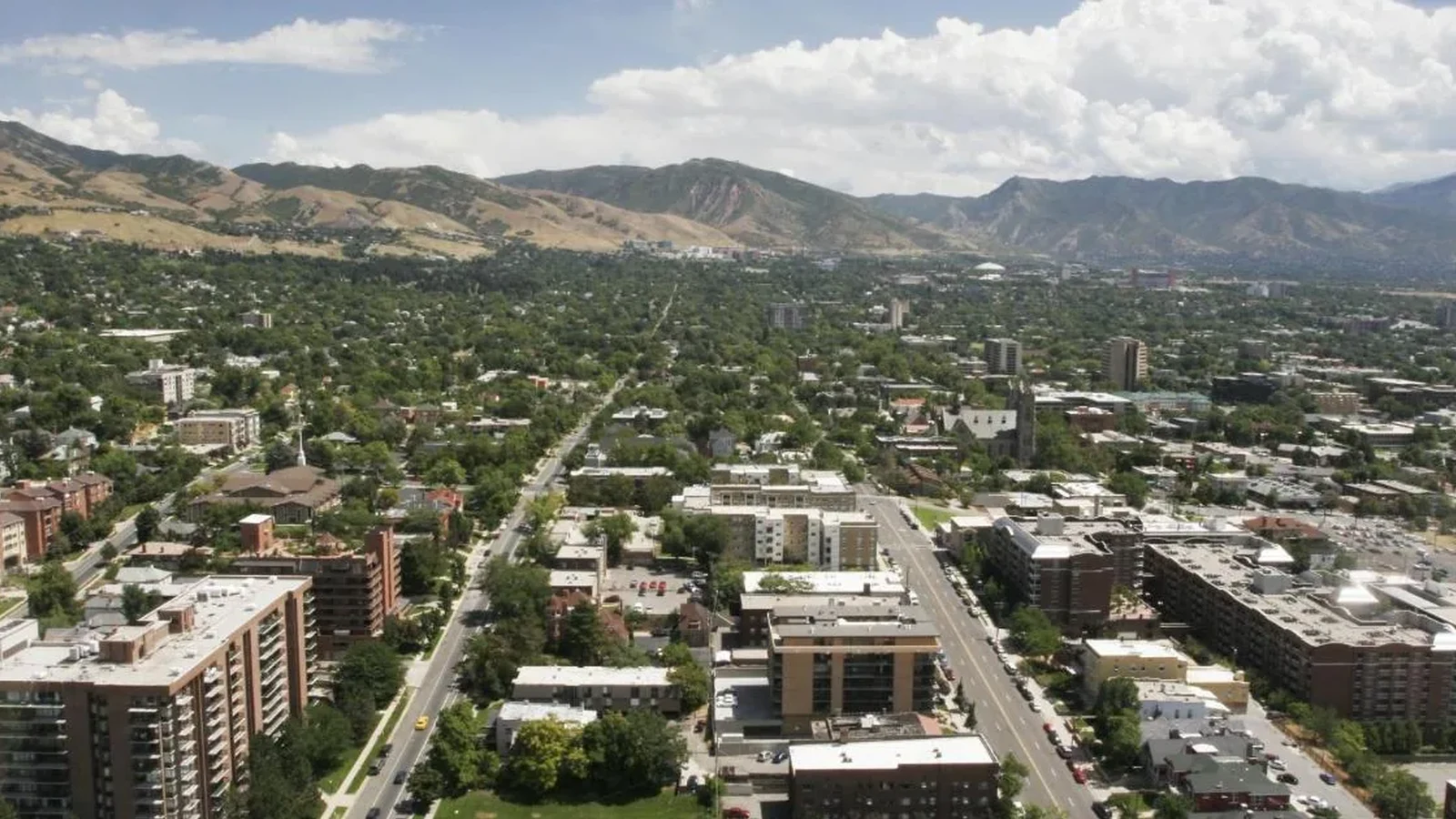
A drain bowl partly covered by leaves can turn a routine rain into standing water at a seam. Preventive maintenance checks that small condition before it expands into a repair boundary. In West Valley City, UT, a distribution property near the northern SR-201 corridor may need access coordinated with loading. Fairbourne Station is planned as a mix of civic, retail, office, hotel, and multifamily uses; for a property there, we confirm occupied areas and shared access with its contact. We set the work window and record roof conditions that need follow-up.

A maintenance visit is a field check with defined tasks, not a promise that every hidden condition is known. We clear debris where safe, check drainage, review flashings and seams, and note visible wear or movement. We also compare current findings with prior repairs when records are available. The owner can separate items to correct now from items to monitor or budget. That makes the next repair decision easier to price and schedule.
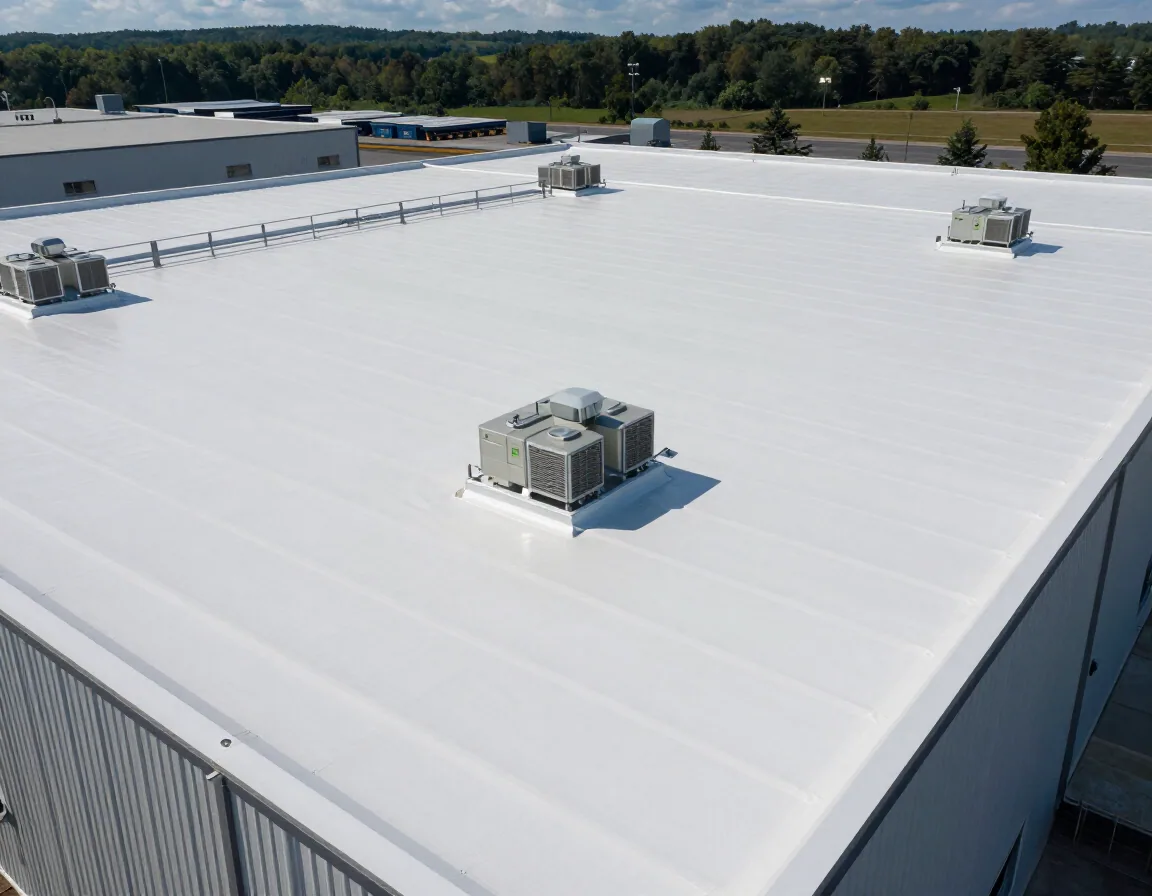
Roof area, access limits, equipment, and occupied spaces shape a useful maintenance visit. We confirm which buildings and roof sections are included, where the crew can stage, and whether an escort or shutdown is needed. On a distribution roof, the loading route and rooftop equipment clearances matter. At an office or hotel, the access route may pass shared or tenant areas. We agree on those details before arrival so the inspection time is spent on the roof.

The task list can include a walk of the membrane, seams, perimeter, penetrations, drains, scuppers, and gutters. We also note loose debris, abandoned materials, and repairs that may need a closer look. A commercial roof inspection can expand the review when a condition needs more detailed documentation. For a recurring program, roof condition reports can keep each visit tied to the same building and roof area.

Commercial Roof Maintenance

Keep water moving to the outlets

Commercial Roof Maintenance

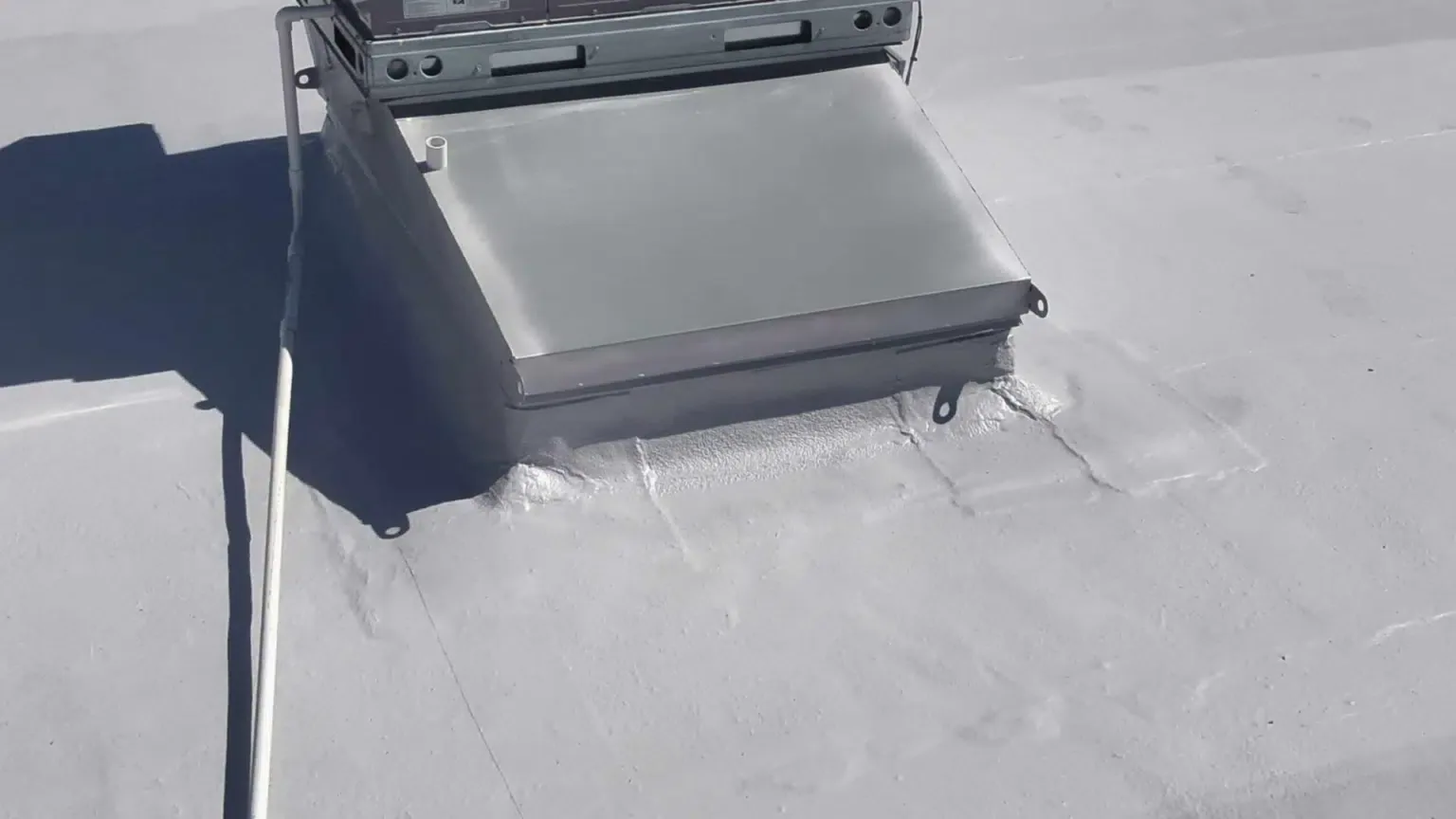
A drain strainer can be clear at the top while material below it slows the flow. We check the bowl, strainer, nearby low points, scuppers, and visible outlet conditions, then remove accessible debris without disturbing the roof assembly. We look for sediment lines, recurring ponding, displaced crickets, and water marks around curbs. If a drain or leader needs plumbing work, we identify that handoff instead of masking the restriction with surface sealant.

The Salt Lake City International Airport station’s 1991-2020 snowfall normal is 51.9 inches annually, including a 12.70-inch January mean. Snow and melt can obscure the drain bowl or carry debris into a low point. We schedule checks when roof access is safe, record what could not be seen, and return to blocked areas when conditions allow. A specific drain and scupper repair can address damaged components or a drainage correction beyond routine clearing.

Catch movement at seams and edges

An open lap, loose termination bar, or cracked sealant bead can let water work beneath the field. We check repaired seams and flashing transitions for bond, edge lift, fastener movement, and deterioration at penetrations. A small defect can stay local when nearby material is dry and stable. If the substrate feels soft or a wet core appears, we mark the area for testing instead of adding a patch over uncertain layers. The repair limit follows the condition we can support.

Light-industrial and distribution properties are concentrated along West Valley City's northern SR-201 corridor. At a site with active truck movement, we plan lift placement and roof entry to keep loading access available. We note any work window that limits a second visit, then group compatible repairs so the facility does not need repeated interruptions. If a defect needs correction, planned roof repair can carry the marked boundary into a separate scope.

Commercial Roof Maintenance

Choose checks that fit the season

Cold days can make a brittle sealant bead or frozen drain harder to assess. The Salt Lake City International Airport station averages 20.6 January days and 7.9 December days with minimum temperatures at or below 32 degrees Fahrenheit. We check roof-surface temperature and access conditions before setting the day's work window. We prioritize drainage, exposed edges, and details where movement could open a water path.

Warm-season checks can focus on surface wear, flashing adhesion, and repairs that have lifted or cracked. For a roof visit near Fairbourne Station, we confirm quiet-access periods and tenant routes with the building contact, then keep work contained to the agreed zone. For a roof visit in the area, we confirm quiet-access and tenant-routing needs with the building contact and keep work contained. For a warehouse, warehouse roof maintenance can account for inventory and dock operations, while Fairbourne Station roof work can be scheduled around shared access.

Rank repairs before they spread

Maintenance findings need a clear priority. Active leakage, a blocked drain, loose metal, or an open seam may need prompt correction. Surface wear without an active path may be monitored at the next visit. We identify the visible defect, the nearby condition checked, and the consequence if the item remains open. If additional testing is needed, we say what would change the decision, such as a test cut to check insulation or removal to expose the deck.

Cost and timing depend on access, roof material, preparation, moisture, and the repair boundary. Grouping nearby items can reduce repeated setup, but work that requires different materials or access conditions may need a separate visit. We can compare a repair with coating restoration when the existing assembly is sound, or with replacement when the conditions support a broader option. We state the evidence behind each path instead of treating all wear as the same problem.

Leave a record for the next visit

Photos should show where a condition sits and what changed after work. We label roof sections, photograph drains and details, and record repairs completed, limits observed, and any area not reached. The next visit can compare those observations instead of relying on a general note that the roof was checked. The record also helps facility staff connect a roof item with a leak report or an interior area they are monitoring.

For a property near the North SR-201 industrial corridor, we can note truck access or staging restrictions that affect follow-up. A storm damage assessment can add a focused visit after a significant weather event. The maintenance plan remains useful when it identifies the next action, the person coordinating access, and the condition that would move a monitored item into repair.

Commercial Roof Maintenance

Common questions

What should a roof maintenance visit cover?

We check accessible roof areas, drainage points, seams, flashings, penetrations, perimeter metal, and prior repairs. The task list is set for the roof system and known issues. We record areas that could not be reached, remove accessible debris where safe, and identify findings that need repair or testing rather than folding them into a generic maintenance note.

Can you handle maintenance across several buildings?

Yes, when we agree on the buildings, roof sections, access, and operating windows in advance. Each roof receives its own observations and photos so a condition at one building is not assumed to apply to another. A property contact can help arrange escorts, loading access, or tenant notice for the visit.

What happens if you find wet insulation?

We map the location and recommend a test cut or removal where needed to confirm the affected layers. A wet core can move the repair boundary and change material, disposal, and dry-in needs. We show the exposed condition and confirm added scope before extending beyond the authorized maintenance work.

Does a maintenance plan include repairs?

Routine tasks and corrective repairs are identified separately. The visit may include minor work that is defined in the agreed scope, while a broader seam, flashing, or wet-insulation repair may need its own approval. We describe each finding, its location, and the work needed so the owner can choose what to address now.

How do you decide which items need attention first?

Active water entry, restricted drainage, loose components, and details that can expose the assembly usually need earlier review. We also consider access and whether a delay would make dry-in or interior protection harder. Each recommendation includes the observed condition and what additional evidence would change the priority or repair limit.

Set a roof maintenance visit

ServicesRoof SystemsIndustriesProperty TypesService AreasDamage RepairCapabilitiesManufacturersContactAboutRequest a Roof Assessment555-555-5555
Call555-555-5555