Storm Damage Roof Repair in West Valley City, UT

Assess storm-related roof damage in West Valley City, protect exposed areas, document findings, and set a repair boundary for the building owner.

Document the storm damage

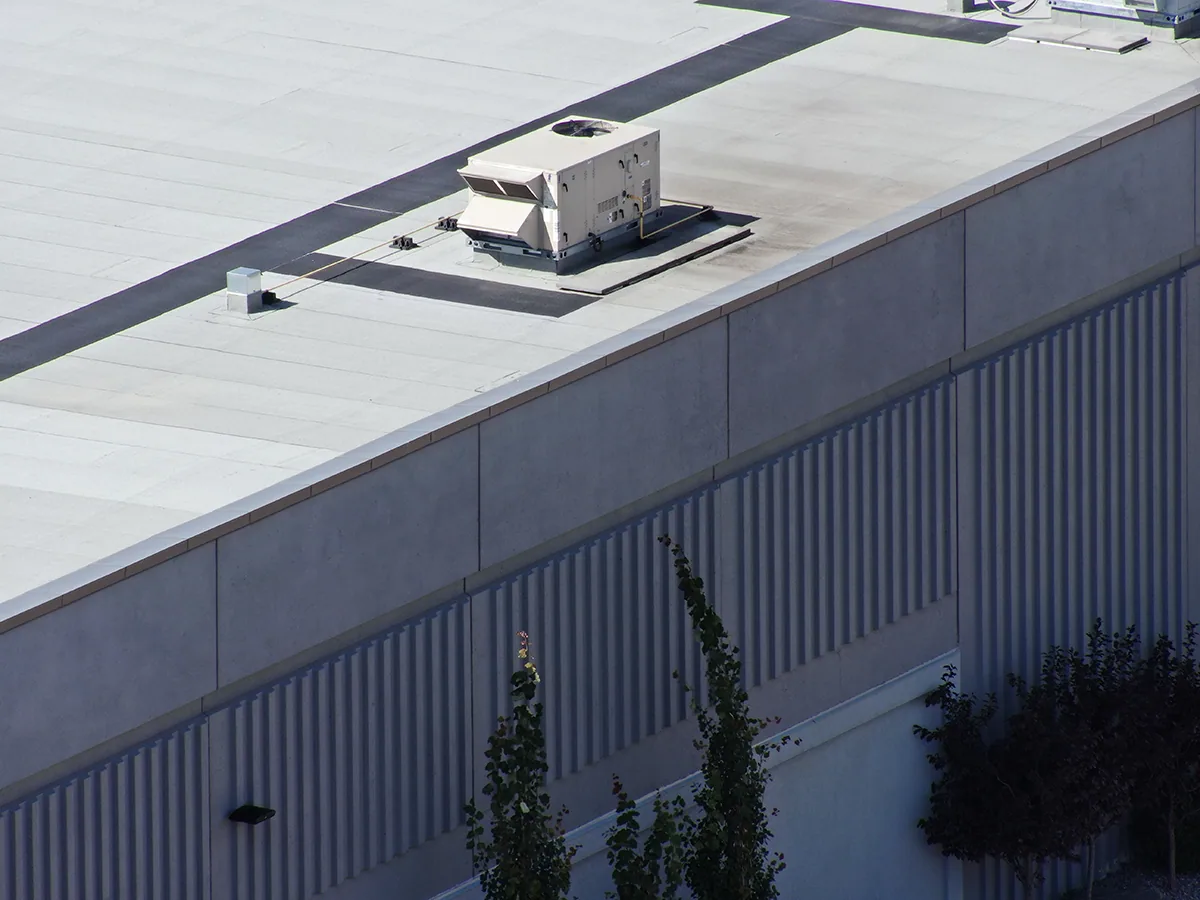
A loose coping cover can pull back far enough to expose the wall transition before the roof field shows a tear. After a storm, we check the perimeter, seams, penetrations, drains, and interior reports to find what changed. In West Valley City, UT, a distribution roof near SR-201 may need a clear loading route during inspection, while a Fairbourne Station building may need access coordinated through occupied shared areas. We protect active openings and document the visible damage before pricing permanent work.

Storm response starts with safety and a clear scope. We inspect accessible roof areas, compare damage with existing wear, and mark any place where material is loose or water is entering. Temporary cover can limit exposure while the permanent detail is prepared. The first visit does not authorize unrelated replacement or concealed repairs. If removal exposes additional damage, we show the new condition and confirm the added work before extending the repair boundary.
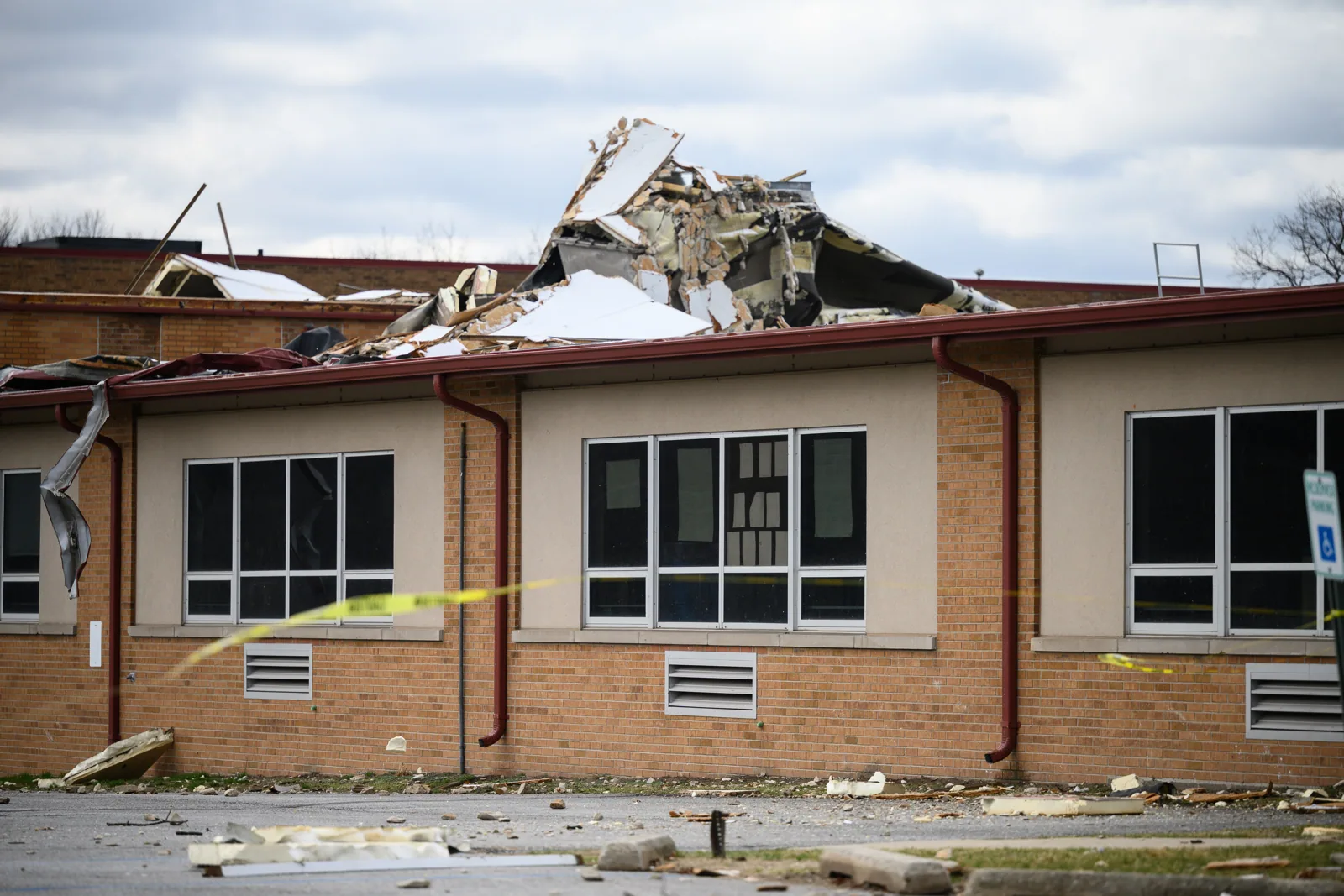
Water entering an occupied space can damage ceiling systems, equipment, and stored goods. We coordinate with the facility contact to protect the interior, restrict unsafe areas, and identify any electrical or access hazard. A roof inspection waits if the surface, weather, or access route is unsafe. Emergency response is available at any hour, including weekends and holidays, so the building can be triaged when conditions require immediate attention.

When roof access is safe, we locate displaced metal, punctures, open laps, damaged flashings, and blocked drainage. A temporary dry-in is secured with an edge that can resist movement and leave water a path to the drain. We photograph its location and tell the facility contact what to watch inside. If water continues, we return to reassess the entry path rather than assume the cover settled the issue. Emergency roof protection can limit damage while a lasting repair is planned.

Storm Damage Roof Repair

Separate new impact from existing wear

Storm Damage Roof Repair

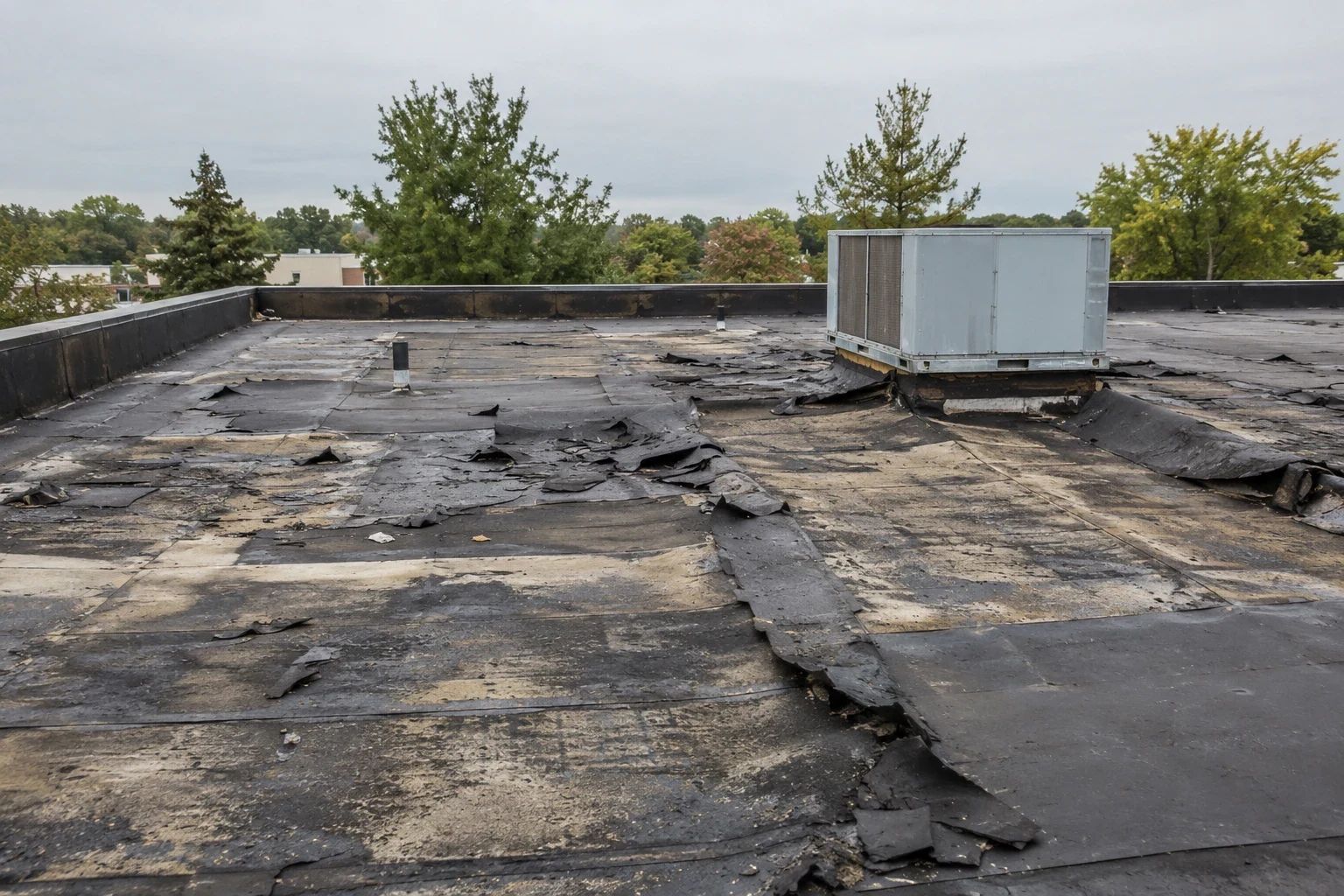
A fresh crease, displaced cap, puncture, or torn flashing may point to storm impact. Older sealant failure, widespread surface wear, or an open seam can have another cause. We photograph each condition, note its location, and compare it with nearby details and any prior service record you provide. That distinction matters when the repair request is limited to recent damage. We describe what the roof shows without assigning a cause that the field evidence cannot support.

We walk from the reported area to related transitions and drainage points. A low spot with debris can increase water exposure, while a loose edge can allow wind-driven water beneath the assembly. Roof geometry and surface conditions affect how far damage may extend. If a membrane is lifted, we check whether the bond remains sound beyond the damaged edge. A commercial roof inspection can document conditions beyond the immediate area when the owner needs a broader baseline.

Check winter damage at the drainage path

Snow can hide a puncture, block an outlet, or weigh on a roof area before the underlying detail is visible. For 1991-2020, January snowfall at Salt Lake City International Airport averaged 12.70 inches, and the annual normal reached 51.9 inches. We check the roof for snow cover, ice, ponding, and safe access before deciding what can be inspected or repaired on the first visit.

January has 20.6 days at or below 32°F in the airport station normal; December averages 7.9 such days. Freeze-thaw movement can stress sealant, flashing, and already loose details. We note whether ice prevented access to an edge or drain and return when the surface can be examined safely. A snow and ice damage review may be appropriate when a building shows blocked drainage, displaced components, or water entry after melt.

Storm Damage Roof Repair

Set a repair boundary from field evidence

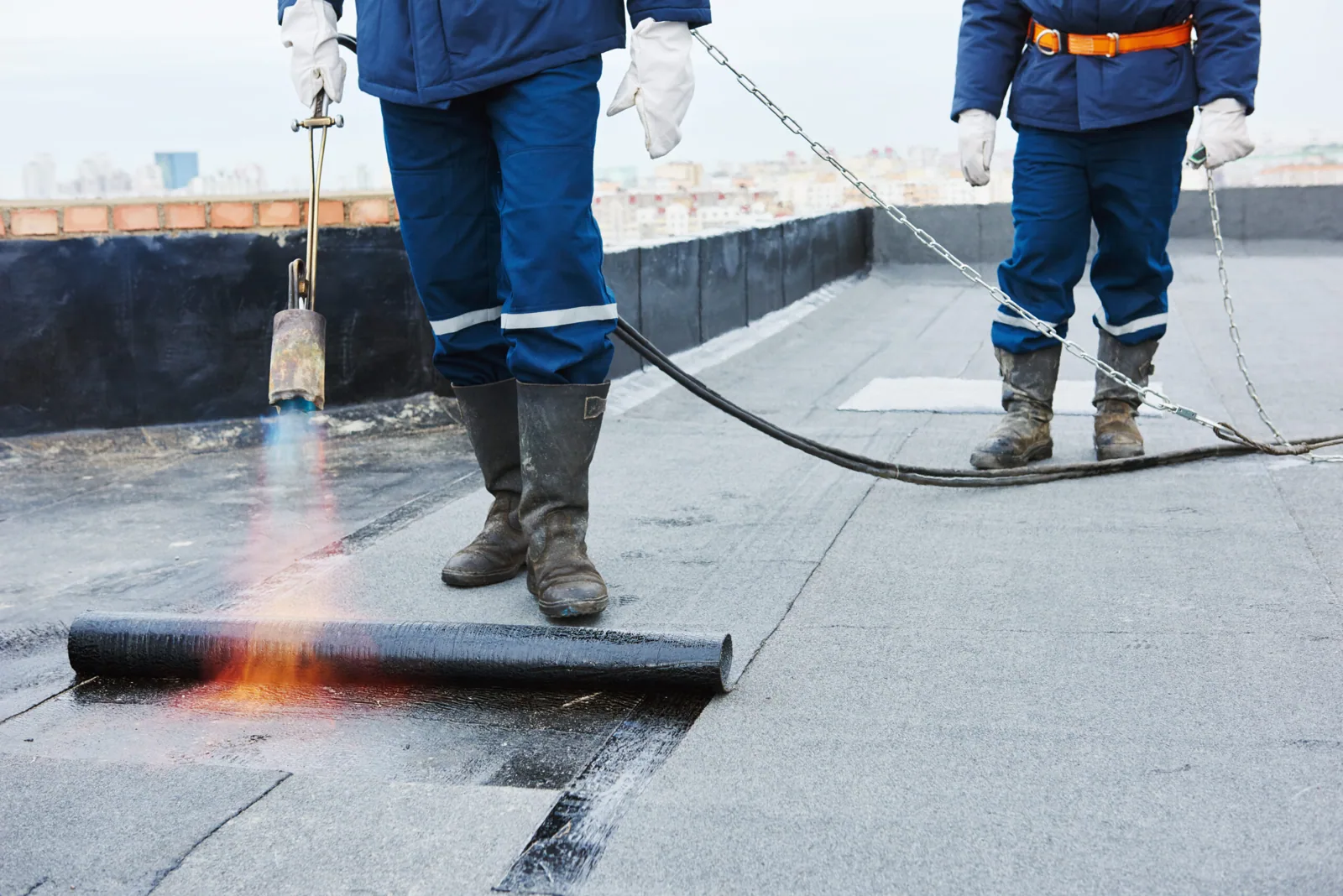
A permanent repair starts after the damaged material is exposed and the substrate is checked. We remove loose or torn components as scoped, dry the surface, and prepare a stable edge for the patch or replacement detail. If the wet area continues under the membrane, a test cut can show whether insulation or cover board must be removed. The repair boundary moves only when the opened area proves that more material is damaged than the surface view showed.

Cost and timing depend on roof type, access, preparation, materials, and how much of the assembly is affected. A contained puncture may allow a local repair, while a failed seam or perimeter run may need a longer detail. We compare the findings with planned commercial roof repair or replacement when damage reaches a wider portion of the roof. The owner sees the new evidence before approving a larger scope.

Plan access around the property

West Valley City uses SR-201, Bangerter Highway, and I-215 to serve industrial areas, including the northern corridor’s trucking and distribution activity. That access context helps us plan arrival and staging with a property contact; loading lanes and fire access still need to be confirmed at the building. We identify where ladders, lifts, and materials can be placed without interfering with daily movement or an active repair crew.

Fairbourne Station includes civic, retail, office, hotel, and multifamily uses. A repair there may need quiet access, tenant notice, or a protected pedestrian route. We confirm the building rules because access can differ by property. For a distribution center roof, we can coordinate the repair sequence with dock activity. At Fairbourne Station, the access window may instead depend on shared building operations.

Document what was repaired and what remains

The closeout record includes the affected roof section, visible damage, temporary protection, completed repair, and conditions left outside the approved work. Photos show preparation and the finished detail so the owner can identify the repair boundary later. If a test cut or removal exposed wet material, we include the location and the layer observed. Items not inspected because of snow, equipment, or access limits are listed as follow-up rather than implied complete.

Storm-related repairs can affect future maintenance priorities. We can add the findings to a roof condition report and note areas that should be checked after the next weather window. For a building near the North SR-201 corridor, we record any truck or staging restriction that shaped the visit. The record gives the facilities team a clear next action if a new stain or loose detail appears.

Storm Damage Roof Repair

Common questions

What should we protect before the roof is inspected?

Keep people away from sagging ceiling materials and report water near electrical equipment to facility staff. Move inventory only when it is safe, and note where water appears and whether it is still active. Avoid roof access until the surface and route are checked. We use those details to plan interior protection and the first safe exterior inspection.

Can you tell whether storm damage caused a leak?

We compare visible changes with the leak path, nearby details, and any prior repair record. A fresh opening or displaced flashing can support a connection, while older deterioration may need separate treatment. The report describes the evidence and any uncertainty so the owner can decide whether a test or additional opening is needed.

Will you install temporary cover before permanent work?

Yes, when a safe attachment and drainage path can be established. We secure the exposed area, mark where protection was installed, and give the building contact a monitoring step. Temporary dry-in limits exposure while permanent materials or suitable roof conditions are arranged; it is scoped separately from later concealed repairs.

What if the damage extends after tear-off begins?

We stop at a stable edge, photograph the newly exposed layers, and show how the repair boundary changes. Wet insulation, loose attachment, or deck damage can add labor and material. The owner approves the added scope before we continue beyond the authorized area, and the opening is protected while that decision is made.

Can repairs be coordinated with an open distribution operation?

A facility contact can identify dock schedules, truck routes, roof access, and any area that must stay clear. We plan staging and the work sequence to preserve those routes where possible. If conditions require a shutdown or temporary restriction, we identify it before work starts and coordinate the affected window with the building team.

Document the storm damage

ServicesRoof SystemsIndustriesProperty TypesService AreasDamage RepairCapabilitiesManufacturersContactAboutRequest a Roof Assessment555-555-5555
Call555-555-5555