Commercial Roofing in North SR-201 Industrial Corridor, West Valley City, UT

Plan commercial roofing in West Valley City's North SR-201 corridor with loading access, drainage checks, repair limits, and phased roof protection.

Set a roof work window along SR-201

A loose membrane edge near a loading area can leave insulation wet before water reaches stored goods or a work aisle. We trace the entry point, inspect drains and penetrations, and mark the repair limit before a lift blocks service access. West Valley City identifies the northern SR-201 edge for trucking and distribution businesses. Roofing work in this industrial corridor starts with the roof condition and the freight route together.

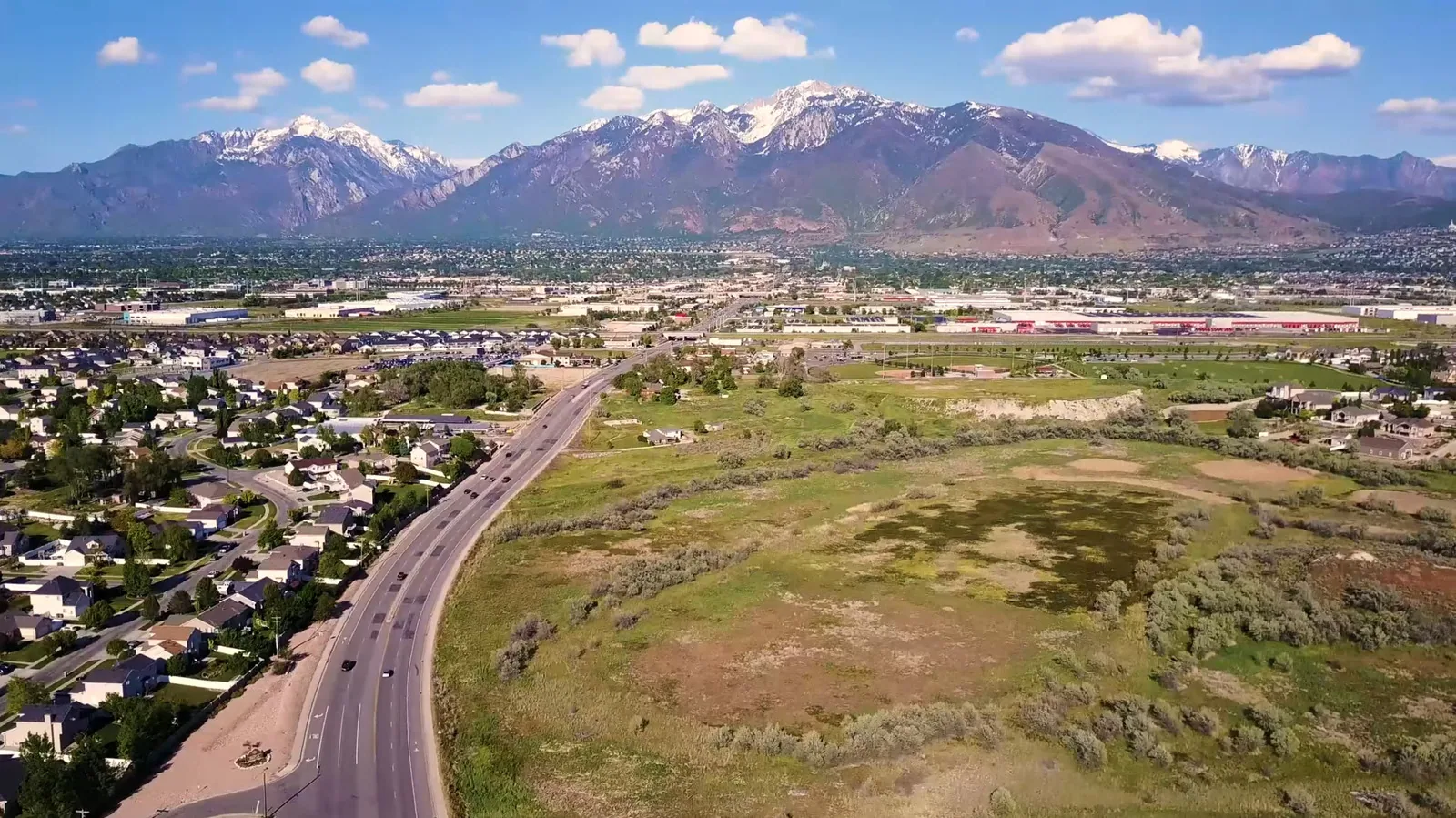
The city plan describes light-industrial development between SR-201 and roughly 2700 South. It also identifies SR-201, Bangerter Highway, I-215, and frontage roads as access routes for the northern industrial area. Those routes help plan delivery timing, but gate width and turning space control the actual lift and material route. A commercial roof inspection can map the roof zone before mobilization.
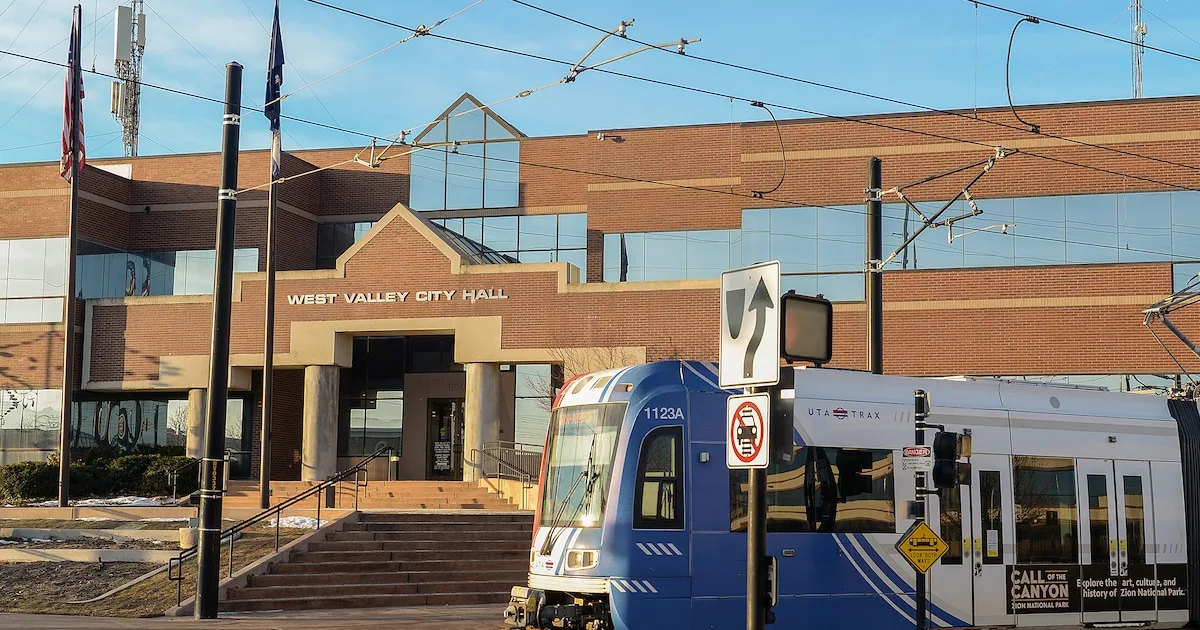
Trailer movement, material delivery, and crane setup can compete for yard space. We confirm the site gate, receiving schedule, and lift location before setting barriers. The operations lead identifies any dock that must stay available and where debris can leave the property. A ground plan should keep trucks clear of workers and equipment. The daily roof opening remains within the area that can be secured before the next shift. We log the agreed lift position and route.

SR-201 and its connecting frontage roads serve the corridor, with Bangerter Highway and I-215 included in the city’s industrial access network. We use that context to schedule material arrivals and check alternate routes with the property contact. We do not assume every site uses the same entrance. A Northwest Opportunity Area access plan has a broader district context, while this corridor page focuses on freight movement and the roof condition at each property.

North SR-201 Industrial Corridor

Trace leaks across the roof field

North SR-201 Industrial Corridor

A ceiling stain may appear below a seam, drain, curb, or penetration several feet away. We compare the report with the roof slope and inspect each nearby transition. When inspection suggests trapped moisture beneath the sheet, an approved opening can show whether the insulation must come out. We mark the opening and the nearest sound substrate. The repair boundary follows that evidence, not the shape of the interior mark.

Distribution work can place equipment, exhausts, and roof penetrations in areas that also need service access. We inspect curb corners, pipe boots, fasteners, and old patches before selecting a repair. A curb and support repair can address the flashing interface. If wet insulation extends beyond the opening, removal and replacement remain a separate scope for review. Photos tie the tested area to the roof plan.

Check drains and perimeter metal

Loose debris from roof maintenance or construction can settle in a drain bowl and slow flow. We check the strainer, ring, outlet, overflow route, and nearby insulation before patching. A low area may have settled or lost slope, so clearing the outlet alone may not solve the condition. We record ponding and test soft spots before choosing whether the work stays at the drain or extends into the field.

At the perimeter, wind exposure can work fasteners or loosen edge metal if attachment has failed. We inspect the termination, coping, and membrane tie-in where the roof meets a wall. A drain and scupper repair can be paired with edge work when both details are in the approved area. The scope lists each repair separately so the owner can see what protects drainage and what secures the boundary.

North SR-201 Industrial Corridor

Plan work for warm and snowy periods

The Salt Lake City airport station's 1991-2020 record places August's average daily high at 91.7°F; July is warmer at 94°F. We check membrane temperature and substrate before applying materials. Shade, wind, dew, and the area that can be secured before crews leave also affect the work window. Product limits and the exposed area that can be dried in set the work window for each shift.

The station’s monthly January snowfall average is 12.70 inches; summed across the year, its normal is 51.9 inches. We use that seasonal pattern when planning drain, low-point, and perimeter checks. The building’s own condition still determines repair priority. We record blocked outlets, loose metal, and wet insulation on the roof plan. A scheduled maintenance inspection can capture these items before they affect loading or interior operations.

Compare a patch with a broader reroof

A localized puncture or failed lap may be repaired when adjacent membrane is attached and the insulation is dry. Multiple wet cores, seam failure across several zones, or a compromised deck can move the tear-off limit. We show the evidence and price confirmed work by location. If removal may reveal more damage, the estimate identifies the hold point before opening another section.

Cost also changes with lift reach, truck access, disposal, equipment coordination, and hours when docks can be restricted. We separate those items from field membrane. A replacement scope can compare tear-off, deck review, and daily dry-in with another local repair. A distribution-center roof assessment can map loading zones, drains, and penetrations before the owner selects the sequence.

Record the work by roof zone

Closeout identifies repaired seams, drains, curbs, and perimeter details, along with materials and photos. We mark the test cut and note whether insulation was dry or removed. Any area left outside the approved scope stays on the open-item list. That gives maintenance staff a baseline when another leak appears and allows operations to see when the service area returned to normal use.

West Valley City also lists 4100 South as a major arterial and places the Southwest Opportunity Area generally south of that road and west of 6400 West. That neighboring area has a different planning boundary and access context. A 4100 South corridor roof review should remain a separate site plan. The same is true for each North SR-201 property: the corridor describes the service area, while the building survey sets its own repair boundary.

North SR-201 Industrial Corridor

Common questions

How do you plan roofing work around active truck traffic?

We check gate access, turning space, loading hours, lift position, and the route for debris. The facility contact identifies which dock or lane must stay open. We then set the roof opening and ground barriers around that window, keeping the daily work limit inside the area the crew can protect.

Does the SR-201 corridor description identify a roof system?

No. The city’s planning facts describe trucking, distribution, light-industrial development, and transportation access. We inspect the property to identify its membrane, deck, drainage, and repair history. The roof assembly and observed condition determine the scope.

What should be checked after a roof leak near a loading bay?

Compare the interior report with seams, drains, curbs, and penetrations above the area. We test insulation if moisture may extend below the membrane and mark the sound boundary. The plan also records any lift or dock restriction needed to complete the repair.

Can a repair be completed without closing the entire yard?

Often, the work can be staged in one part of the site while other routes remain available. We confirm lift reach and truck circulation with the site lead. Any temporary closure is limited to the time and area needed for material handling, with a protected roof limit each shift.

When should an owner compare repair with replacement?

Widespread wet insulation, repeated seam failures, or a damaged deck may support a larger scope. We map those findings and separate them from isolated details that can remain under repair. The estimate compares removal, access, and dry-in requirements before the owner selects a path.

Set a roof work window along SR-201

ServicesRoof SystemsIndustriesProperty TypesService AreasDamage RepairCapabilitiesManufacturersContactAboutRequest a Roof Assessment555-555-5555
Call555-555-5555