Commercial Roof Service for Property Managers in West Valley City, UT

Coordinate commercial roof inspections and repairs for managed properties in West Valley City, with clear scopes, access plans, and closeout records.

Set the next roof decision

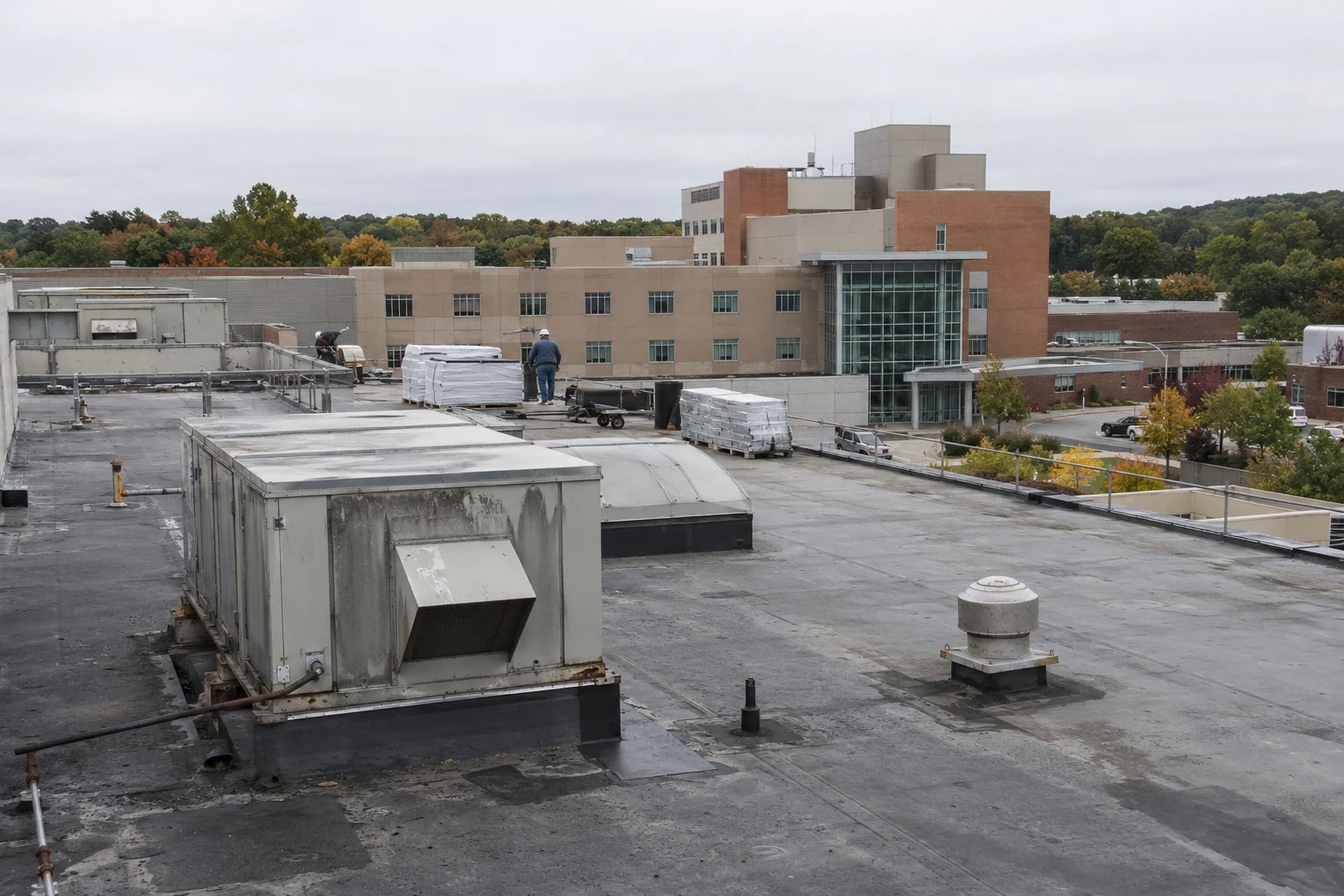
A wet core beside a drain changes the repair limit before a property manager approves a patch. We map the affected roof zone, check what remains attached, and separate visible work from concealed conditions. In West Valley City, UT, portfolios may include offices, light industrial buildings, and service uses with different access windows. One site walk cannot set every building’s scope. We record each roof on its own terms.

Management needs a clear choice, not a list of defects without consequence. We connect photos and test cuts to the decision: repair now, plan a larger phase, or inspect another area. A commercial roof inspection can set that baseline. Each report identifies the roof zone, active leak, and condition that would move the work boundary.
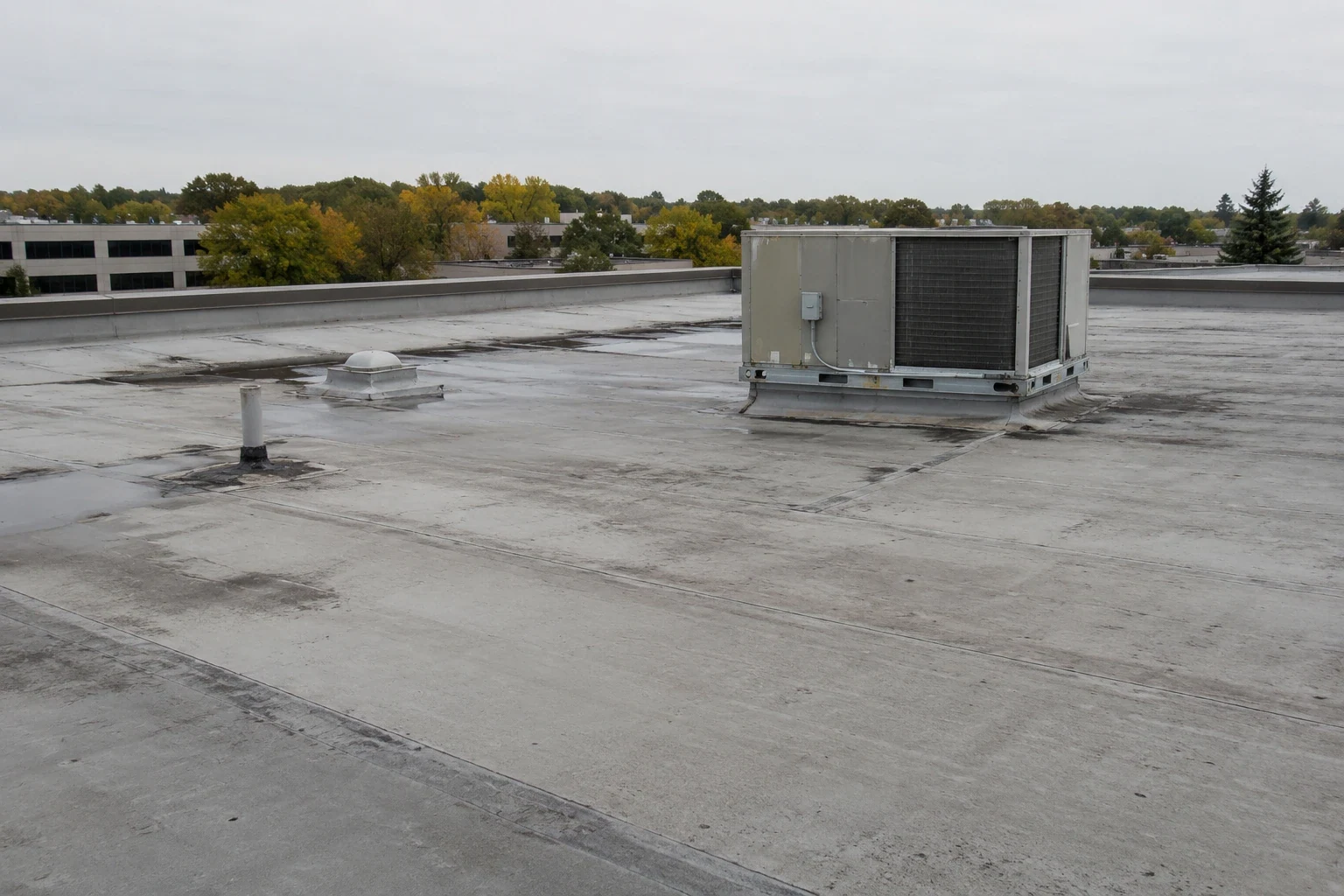
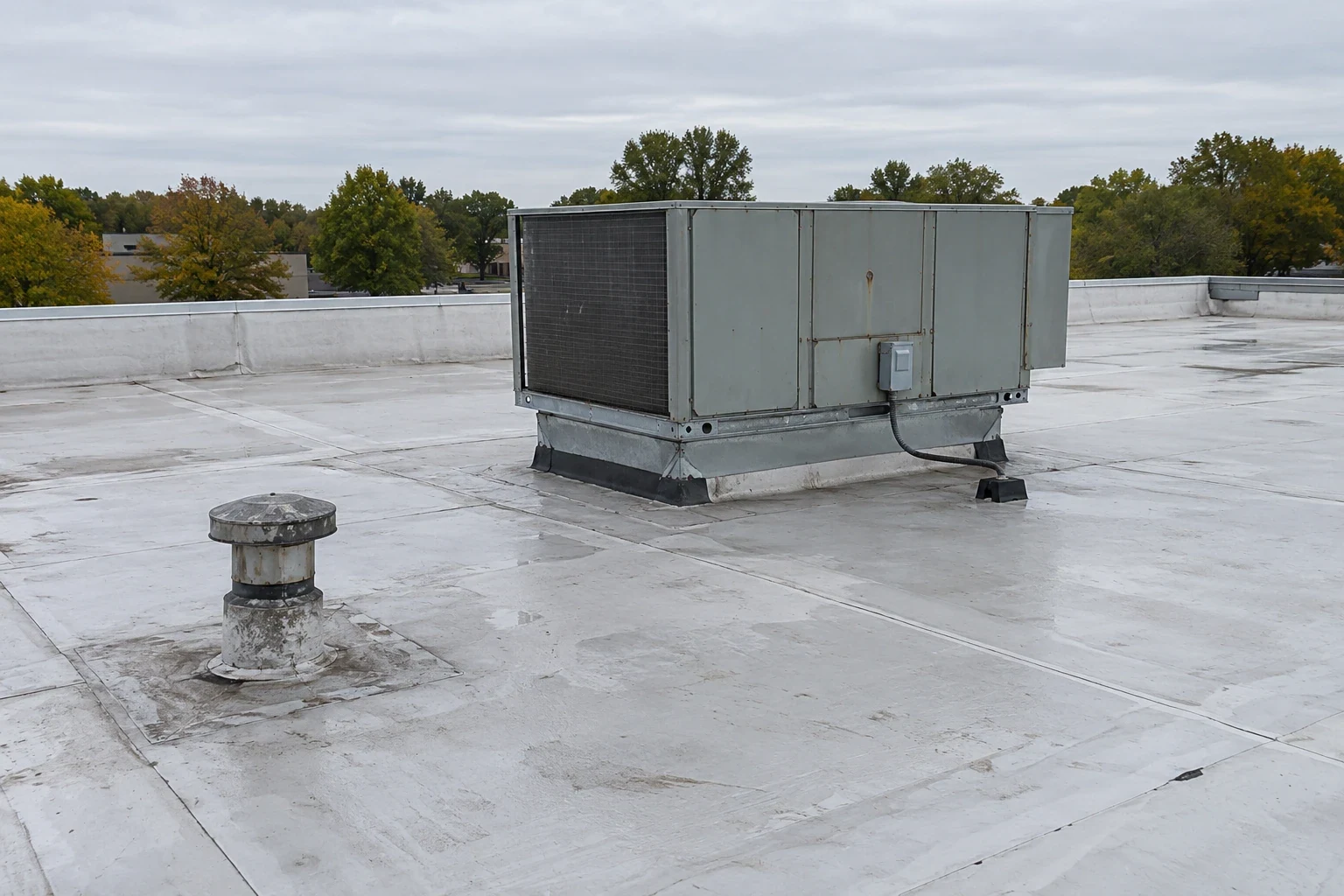
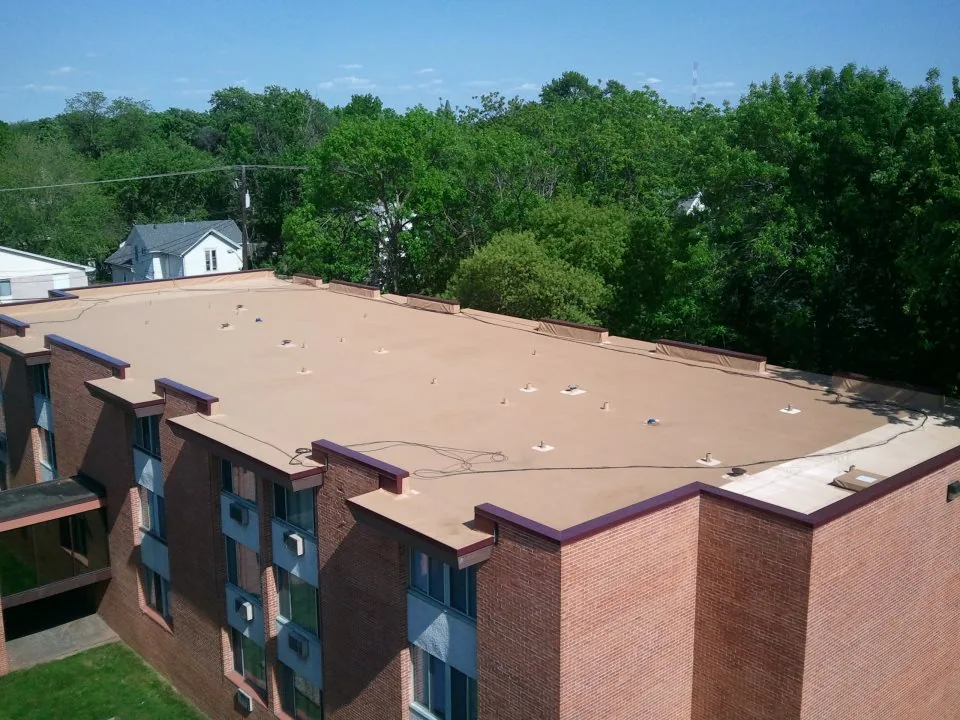
A property register can mix single buildings, separate additions, and roofs with different membranes. We label the building and roof section before comparing repair needs. The same recurring leak at two sites may have different causes: one open curb, one wet insulation field, or one blocked drain. We keep those findings separate so a repair decision at one address does not become an assumption for the rest of the portfolio.

The city’s business-park definition combines office and light-industrial sites with research centers and supporting services. A manager overseeing those uses may need one intake process across different building operations. The roof record should still distinguish assemblies, access rules, and tenant needs. A condition report for each building can carry marked photos and open items into the next budget review. For a health property, a healthcare roof record can keep clinical access needs visible.

Commercial Roof Service for Property Managers

Set the repair boundary before approval

Commercial Roof Service for Property Managers

An interior leak report gives us a starting location, not a repair limit. We inspect the nearest seam, penetration, drain bowl, and edge transition. If the roof feels soft or a meter reading points below the membrane, a test cut can confirm whether insulation is wet. We mark where sound substrate begins. That lets management approve known work while keeping concealed removal visible as a separate condition.

North of West Valley City, the SR-201 corridor includes trucking and distribution uses, with light industrial development extending toward 2700 South. For a managed property in that area, truck paths and lift locations can affect the work window. We check the building entrance and loading schedule before mobilizing. A North SR-201 access plan can inform the route conversation; the roof walk sets the actual staging point.

Coordinate work with building use

A rooftop unit shutdown may affect one tenant while a drain repair affects another area. We identify the equipment, rooms below, and access route before opening the membrane. The manager can align notices with the daily work zone and explain when a service lane or entrance must remain clear. If a trade needs to move equipment, the roofing scope names the roof transition and the other party’s handoff.

At Fairbourne Station, the city plan identifies civic, retail, office, hotel, and multifamily development in a transit-oriented district. That mix places several building uses in one district. For a roof project there, we confirm entrances, tenant routes, and access windows with the building contact during the site walk. Occupied-building roof phasing can keep daily protection and tenant access inside a defined sequence.

Commercial Roof Service for Property Managers

Compare cost and timing by phase

Cost changes with roof layers, insulation removal, curb height, drain work, lift reach, and the number of active zones. We separate repair labor from access and weather protection so the manager can compare scopes. Where removal may reveal deck damage, the estimate identifies an approval point. This prevents an unpriced condition from being treated as completed work or hidden inside a single allowance.

The Salt Lake City International Airport station records July and August normal daily highs of 94.0 and 91.7 degrees Fahrenheit. Those regional readings frame the season; roof surface and substrate conditions determine the installation window. At the airport station, snowfall averages 12.70 inches in January; the 1991 to 2020 annual normal is 51.9 inches. We inspect actual drains and edges before scheduling winter work. A replacement phase plan can show how removal and dry-in limits affect tenant access and timing.

Keep short-term repairs tied to the plan

A repair can buy time when the membrane around the defect remains bonded and dry. If wet cores, failing seams, or repeated curb leaks extend across several zones, the next dollar may belong in a broader project. We document the evidence behind that change and list the areas still worth monitoring. Management can then compare an immediate patch with a planned replacement phase using the same roof map.

Fairbourne’s station-area plan combines lodging, offices, multifamily homes, a medical office, public space, and a plaza. That varied use makes phased access a practical planning issue across different asset types. A property manager can compare the findings with a real estate portfolio roof review when ownership needs a capital view. For sites with several locations, a multi-site roof program can keep repair status and deferred work visible across the register.

Give ownership a useful closeout

Closeout should name the completed zones, materials, drain changes, photos, and work left outside the approved scope. We show where the dry-in line ended and whether a test cut found wet insulation. That record helps a manager answer the next leak call without treating the prior repair as a blanket warranty. A maintenance visit can check deferred details before they become a new emergency.

Managers need the same information that ownership uses: roof location, observed condition, action taken, and next decision. We include access limitations and any equipment coordination still pending. Transit connections to local employment include the Green Line, the UTA Intermodal Hub, and the 3500 South corridor. Those routes frame area access, while the facility contact confirms the building’s own operating plan. Each closeout stays specific to the roof inspected.

Commercial Roof Service for Property Managers

Common questions

Can one inspection cover several managed buildings?

We can schedule a portfolio visit, but each building receives its own roof map and findings. Different assemblies, drainage, and access conditions change the repair boundary. We group the records for review while keeping the scope, photos, and open questions tied to the correct property.

How should a manager approve work when insulation may be wet?

The proposal should separate confirmed repairs from removal that depends on a test cut. We mark the initial boundary and state what evidence would expand it. If the test shows moisture beyond the expected area, management can review the added zone before the crew proceeds.

What should go in a portfolio roof register?

Keep building identity, roof zones, leak history, repair records, photos, and unresolved conditions together. We can label the same fields across properties while documenting each roof separately. The register then supports maintenance and capital review without blending one building’s condition into another.

How do you plan repairs in an occupied building?

We map tenant routes, equipment shutdowns, deliveries, and any entrance that must remain open. The work plan shows the daily roof boundary and how the opening will be protected. Management can set notice timing from the actual work area rather than a property-wide assumption.

When should a manager consider replacement instead of another patch?

Repeated leaks, wet insulation across multiple zones, or broad attachment failure can make another local repair a poor use of the budget. We compare those findings with the repair history and mark what remains serviceable. The resulting options identify cost drivers, access needs, and the condition behind each scope.

Set the next roof decision

ServicesRoof SystemsIndustriesProperty TypesService AreasDamage RepairCapabilitiesManufacturersContactAboutRequest a Roof Assessment555-555-5555
Call555-555-5555