Commercial Roofing in Redwood Junction Station Area, West Valley City, UT

Plan commercial roof work in Redwood Junction Station Area, West Valley City, UT. We inspect the assembly, coordinate access, and define repair limits.

Inspect the Redwood Junction roof

A closed lap around a curb can still leak if the membrane has separated beneath the visible edge. We check the seam, curb flashing, and nearby field before deciding whether to weld, replace a strip, or open the assembly. Redwood Junction appears in West Valley City’s plan among four station-side areas considered for transit-oriented change. For a roof in this broad district, the building-level inspection sets the scope, while the contact confirms access and timing.

The general plan directs higher-intensity housing and other uses toward light-rail stations and principal arterials. It describes transit-oriented development as a mix of uses at a pedestrian-accessible scale. Those planning choices can affect how a property team coordinates lift placement and paths below, but they do not identify roof types or conditions. We inspect the actual membrane, drainage, edges, and penetrations before pricing any repair.
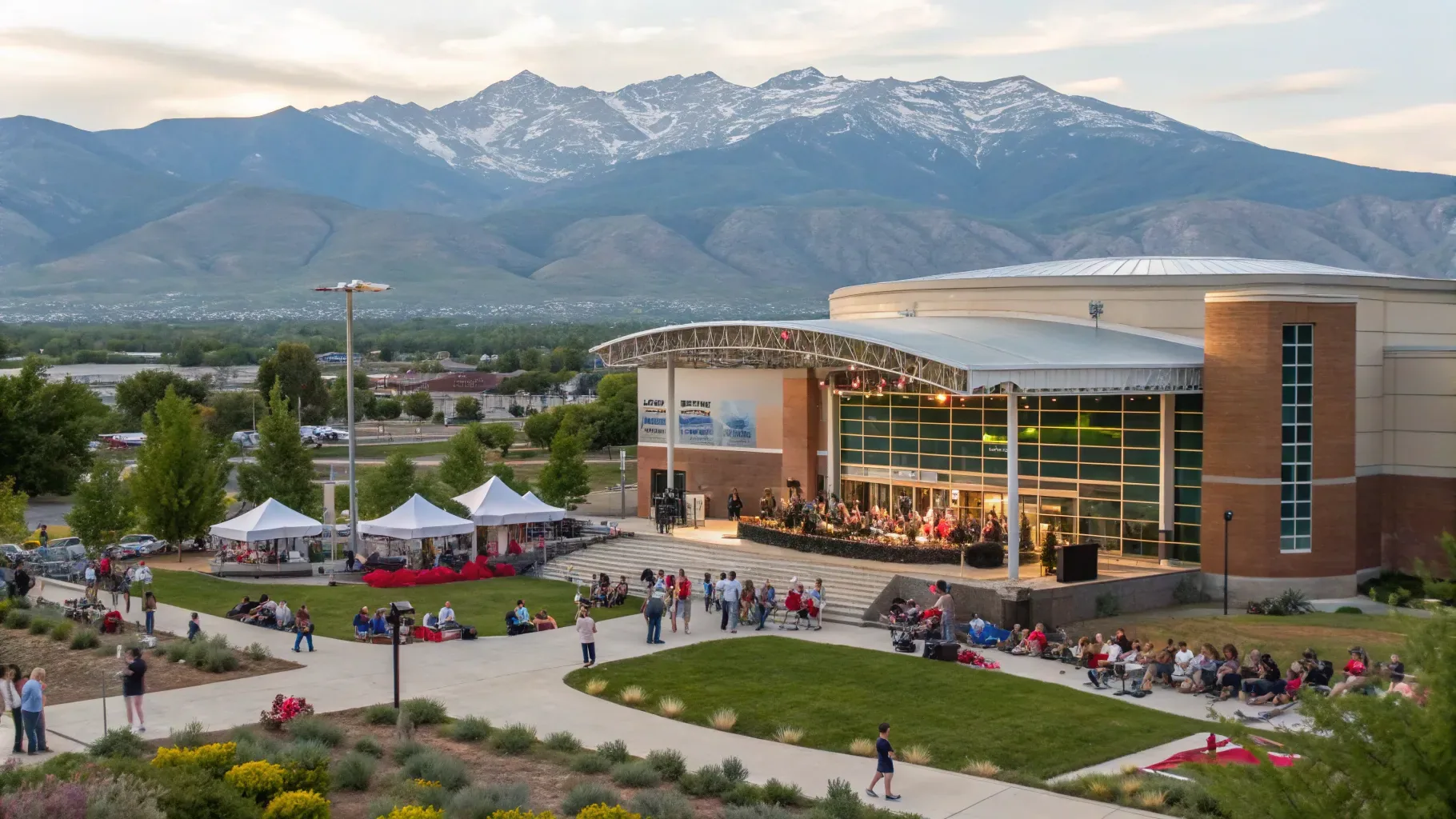
A lift or material bundle can take space that pedestrians or building users need. The property contact identifies allowed staging, roof access, entrances, and work periods before delivery. We map the roof zone and any area below it that needs protection. If access has to stay open, the crew can work in smaller sections, provided each section can be made watertight before the shift ends.

The city describes Redwood Junction as a transit-oriented development area where compatible uses are combined near transit. For a roof project, that broad direction makes clear access communication useful, while the individual property determines who approves it. A phased occupied-building roof repair can limit disruption when the work can be divided by zone. A second property location still needs its own inspection before repair quantities are grouped.

Redwood Junction Station Area

Identify the roof system before selecting material

Redwood Junction Station Area

Membrane type, attachment, insulation, and cover board determine which repair materials can bond to the existing assembly. We check visible seams, patches, drains, curbs, and wall terminations. A test cut can be useful when wet layers would change the removal limit, but it is performed only after approval. We photograph exposed layers and restore the opening with a compatible detail.

Salt Lake City International Airport station normals for 1991 to 2020 list 15.52 inches of annual precipitation. We inspect outlet paths before selecting a repair. A commercial roof inspection can map the drainage area and identify follow-up testing. A drain and scupper repair may be appropriate if the outlet detail, rather than roof slope, is the confirmed defect.

Keep the repair edge on sound material

A patch that stops on loose or wet material can separate again. We remove failed membrane only to the point where the remaining sheet and substrate can accept a tie-in. If moisture runs under multiple layers, the cutback may widen and the work quantity changes. The owner receives photos, the exposed condition, and the added boundary for review before removal continues.

Salt Lake City International Airport station normals give a July high of 94.0°F and an August high of 91.7°F, with average minimums below freezing in January and December. We check actual surface conditions before selecting adhesives or sealants. If the seam is the failure point, commercial roof seam repair can restore continuity once surrounding material is confirmed as sound.

Redwood Junction Station Area

Coordinate the work window with building use

Noise, odor, equipment shutdown, and debris handling can affect rooms below the roof. We ask the property contact to identify restricted areas and any trade that controls a rooftop unit. The roofing crew rebuilds the membrane detail; the equipment provider handles operation or movement. If inspection is required before cover-up, that hold point is included in the schedule rather than left to a last-minute handoff.

West Valley City’s plan identifies commercial transportation as an important employment sector. We coordinate delivery windows, lift placement, and debris removal with the property contact before mobilization. For each building, we confirm the entrance and route that can stay available while roofing proceeds. If a project spans several buildings, we phase each roof by the access and dry-in window actually approved. The work plan names who can release each route and area after the crew closes the roof. A separate city property receives its own site review before scopes are combined.

Compare a local repair with broader work

A roof with one open seam and dry insulation may support a local repair. Repeated failures, deteriorated membrane, or moisture across separate zones can shift the decision toward a wider cutback or replacement. We identify what was inspected and what remains untested. Cost and timing change with roof height, access, repair length, removal depth, and interior protection. The scope shows those drivers rather than assigning a blanket quantity.

If the assembly can accept restoration, we check drainage, adhesion, edge height, and the details around penetrations before recommending a coating or recover. Where the system cannot take a reliable tie-in, commercial roof replacement can be planned in stages. If water is entering now, a roof emergency visit can limit exposure and document conditions while the permanent scope is developed. Each option is tied to the observed condition.

Record the district roof work clearly

Closeout identifies the building or roof zone, repaired detail, photos, test points, and any area outside the work boundary. If another trade must return to equipment, the report states what roofing work is complete and what remains open. This record helps the property contact compare future reports with the actual seam, curb, or drain that was repaired.

Station-area planning can change over time, but a roof maintenance record should describe what was inspected on the visit. A roof condition report can preserve photos, repair limits, and remaining priorities. For broader work in the same city, a separate roof area still needs its own assembly check. The next action can then follow evidence at the property rather than general district plans.

Redwood Junction Station Area

Common questions

Does Redwood Junction Station Area have a standard commercial roof type?

The city plan describes the area’s transit-oriented development approach, not the roof systems on individual buildings. We identify the membrane, insulation, attachment, drains, and penetrations during inspection. The repair method follows that assembly and the condition found in the field.

How do you coordinate roofing with pedestrian access?

The property contact approves lift placement, delivery, entrances, and any path that must remain available. We mark the work zone and sequence removal so the exposed section can be secured within the approved period. If the access route changes, the material staging plan is revised before the crew opens another area.

Can a leak repair stay limited to one seam?

It can when the surrounding membrane is bonded, the substrate is dry, and the repair has sound material for a tie-in. We inspect the seam ends and adjacent curb or drain details. If a test cut shows wet insulation beyond the lap, the removal limit is reviewed before the scope expands.

What affects the timing of a roof repair in the district?

Access, staging, material delivery, occupant schedule, and any trade hold can change the work window. Surface dryness and temperature also matter for the repair material. We identify each constraint with the property contact and state the dry-in limit for the sections scheduled.

What do you provide after finishing a station-area roof repair?

We provide photos of the defect, prepared surface, completed tie-in, and the roof zone. The closeout notes test locations, access limits, and conditions that remain outside the approved work. That gives facilities staff a usable reference for the next leak report or maintenance visit.

Inspect the Redwood Junction roof

ServicesRoof SystemsIndustriesProperty TypesService AreasDamage RepairCapabilitiesManufacturersContactAboutRequest a Roof Assessment555-555-5555
Call555-555-5555