
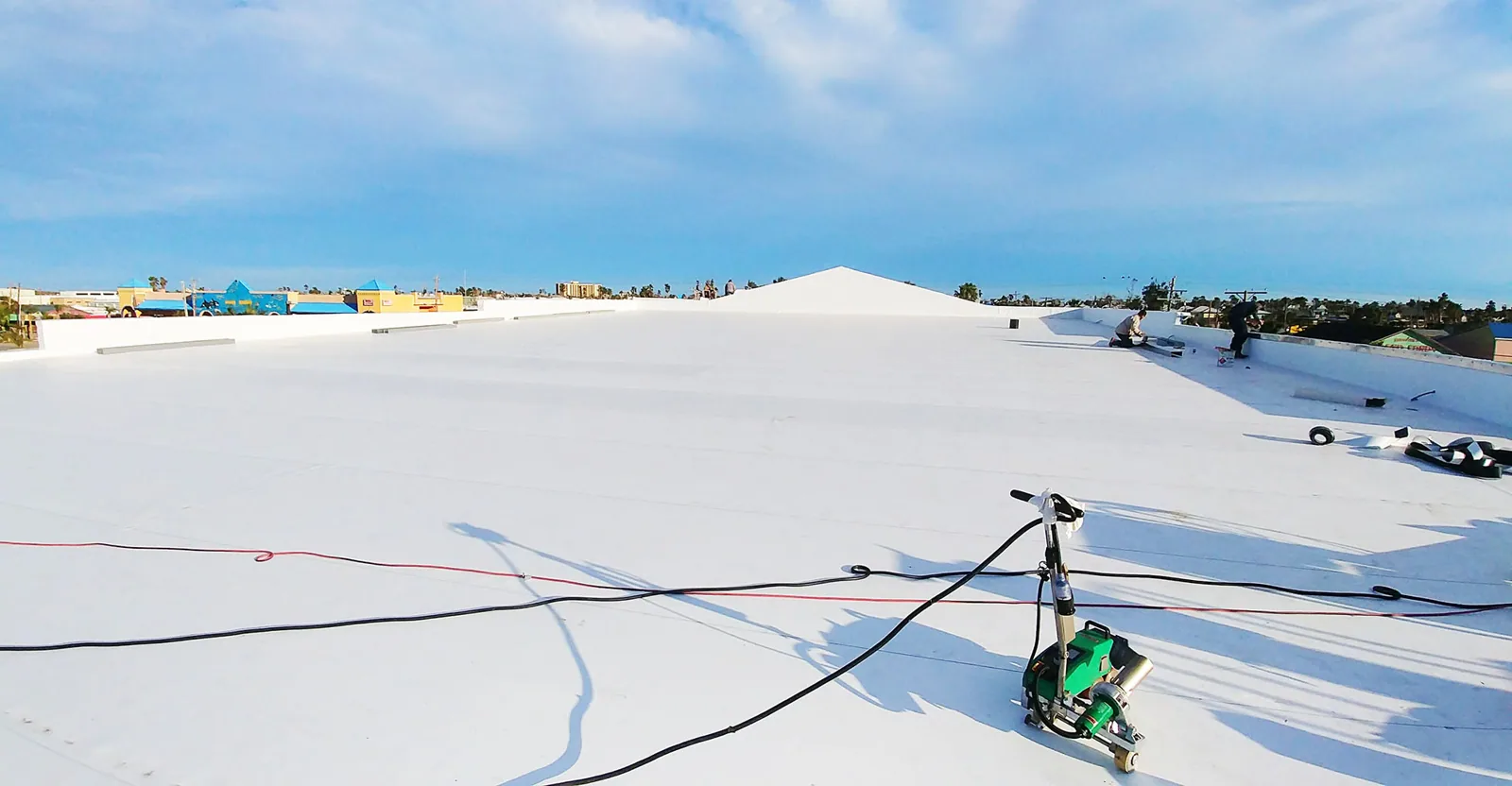
Review TPO seam condition, insulation, drainage, and perimeter details for a commercial roof in West Valley City before repair or replacement is priced.
Roof Systems
Compare commercial roof systems in West Valley City, UT. We inspect attachment, drainage, and substrate before recommending repair, recovery, or replacement.
Browse Roof Systems
PVC Roofing
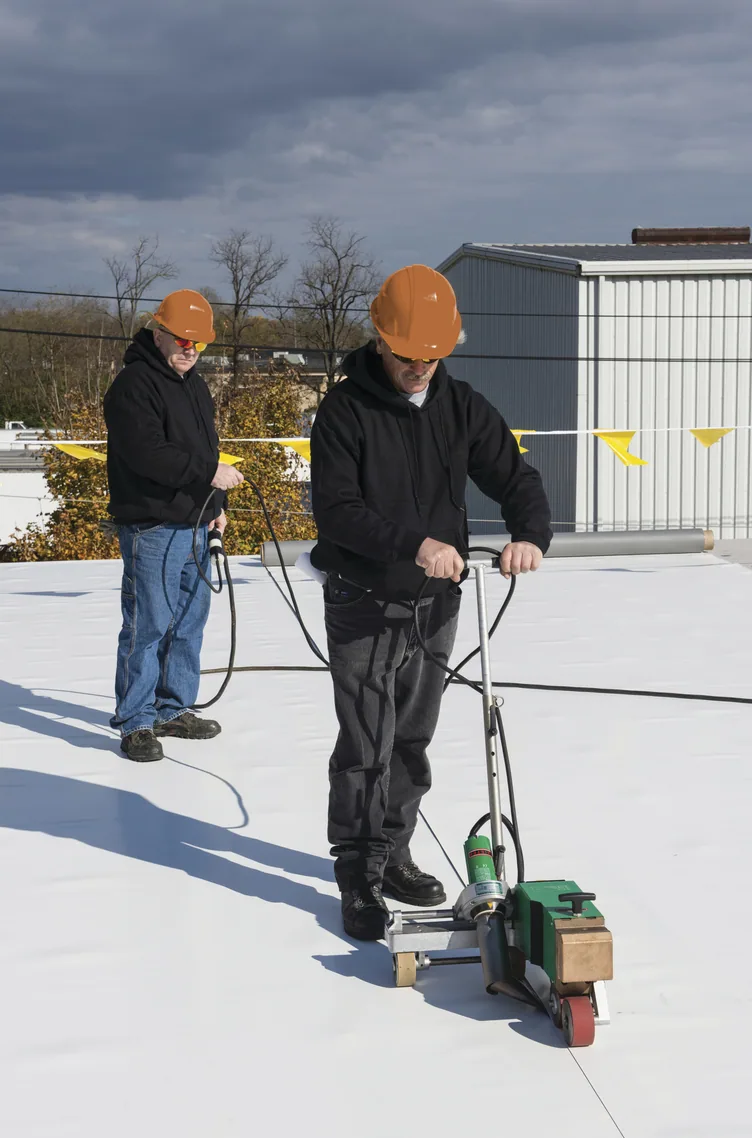
Plan PVC roof repair or replacement in West Valley City by checking seams, flashing, chemical exposure, drainage, and the condition beneath the membrane.

EPDM Roofing
Inspect EPDM seams, flashing, insulation, and drainage in West Valley City before deciding between a localized repair, recover, or replacement.
KEE Roofing
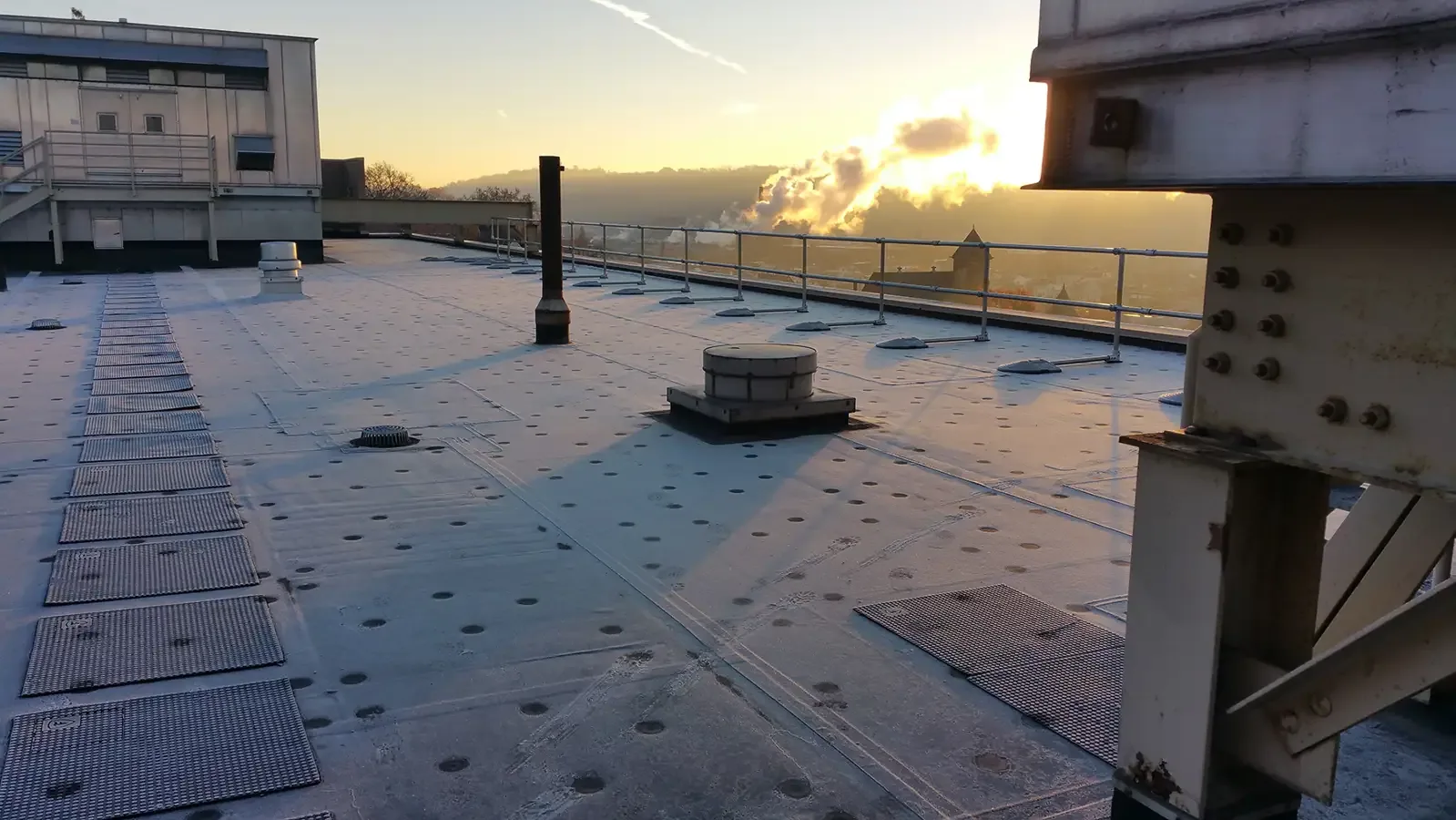
Compare KEE roof repair and replacement in West Valley City by reviewing membrane condition, seam strength, flashing exposure, drainage, and access.
Modified Bitumen Roofing
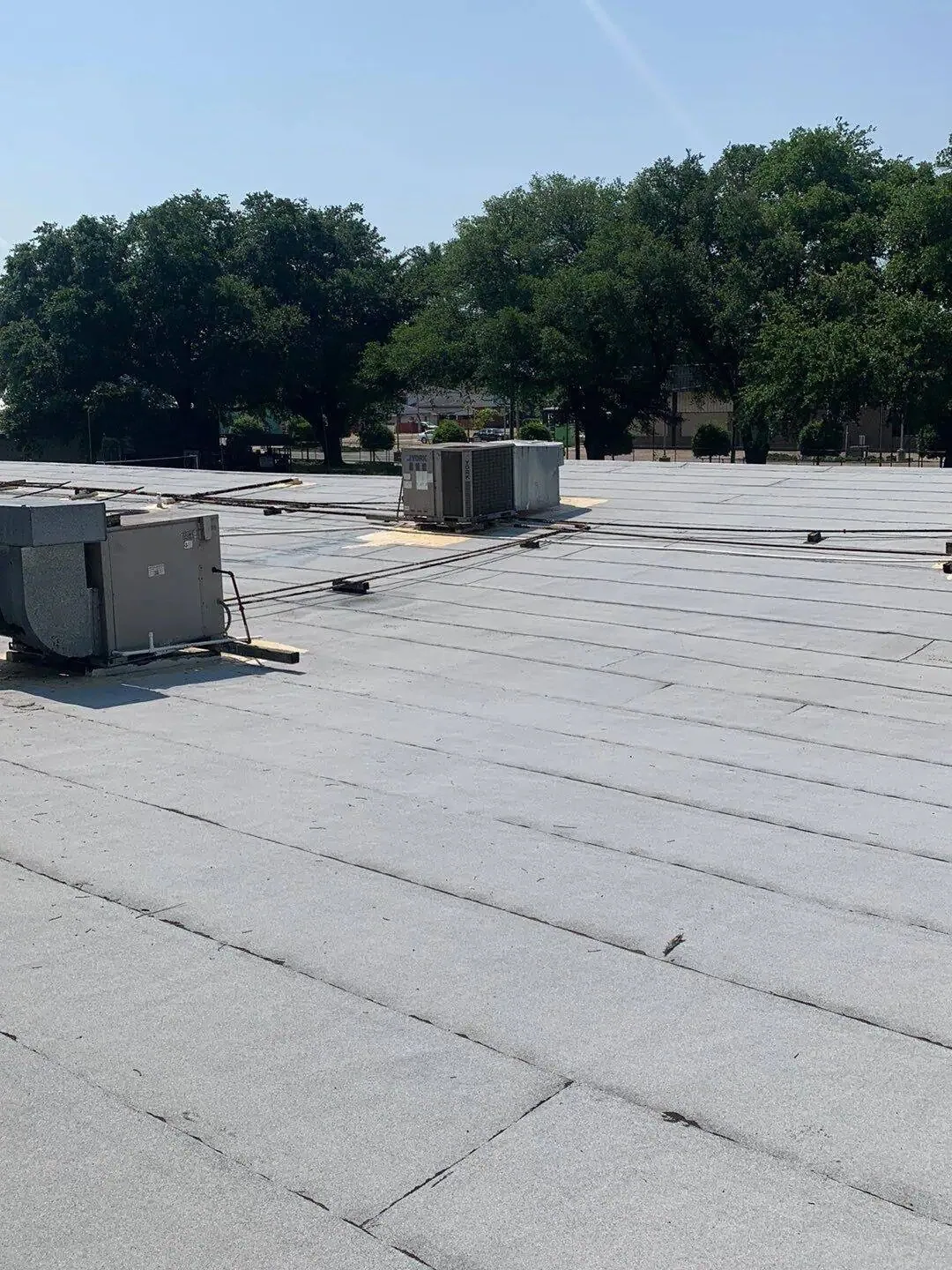
Review modified bitumen repair and replacement in West Valley City with attention to cap sheets, laps, flashings, drainage, and work sequencing.

Built-Up Roofing
Assess built-up roof plies, surfacing, drains, flashings, and moisture in West Valley City before setting repair, recover, or replacement limits.
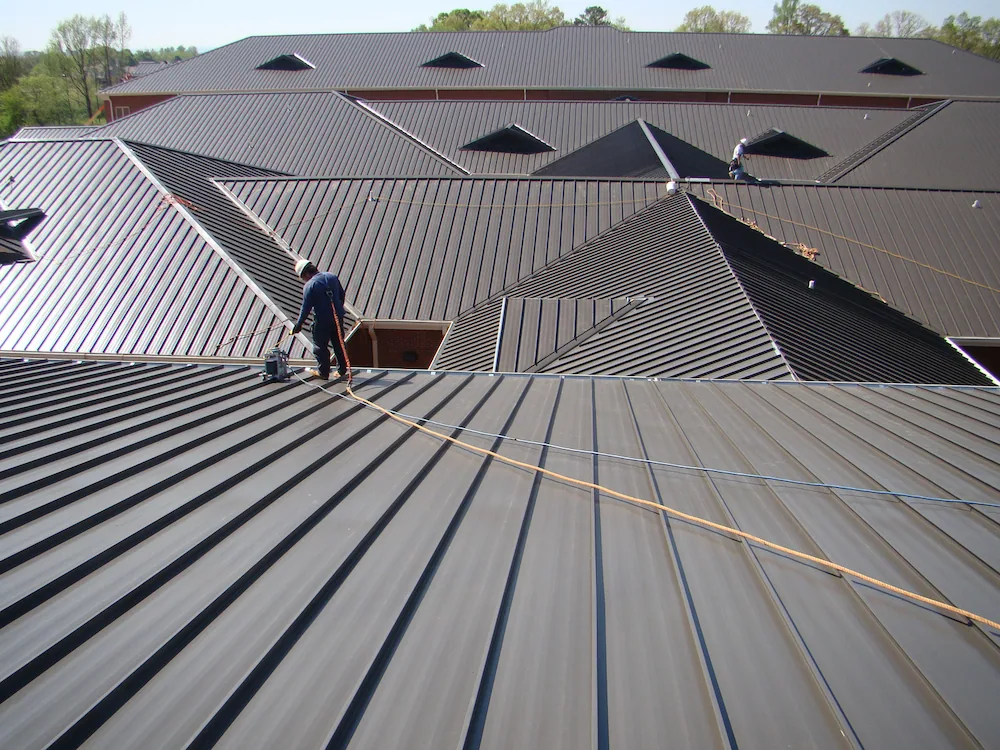
Standing Seam Metal Roofing
Inspect standing seam metal panels, clips, transitions, and drainage in West Valley City before planning repair, retrofit, or replacement work.
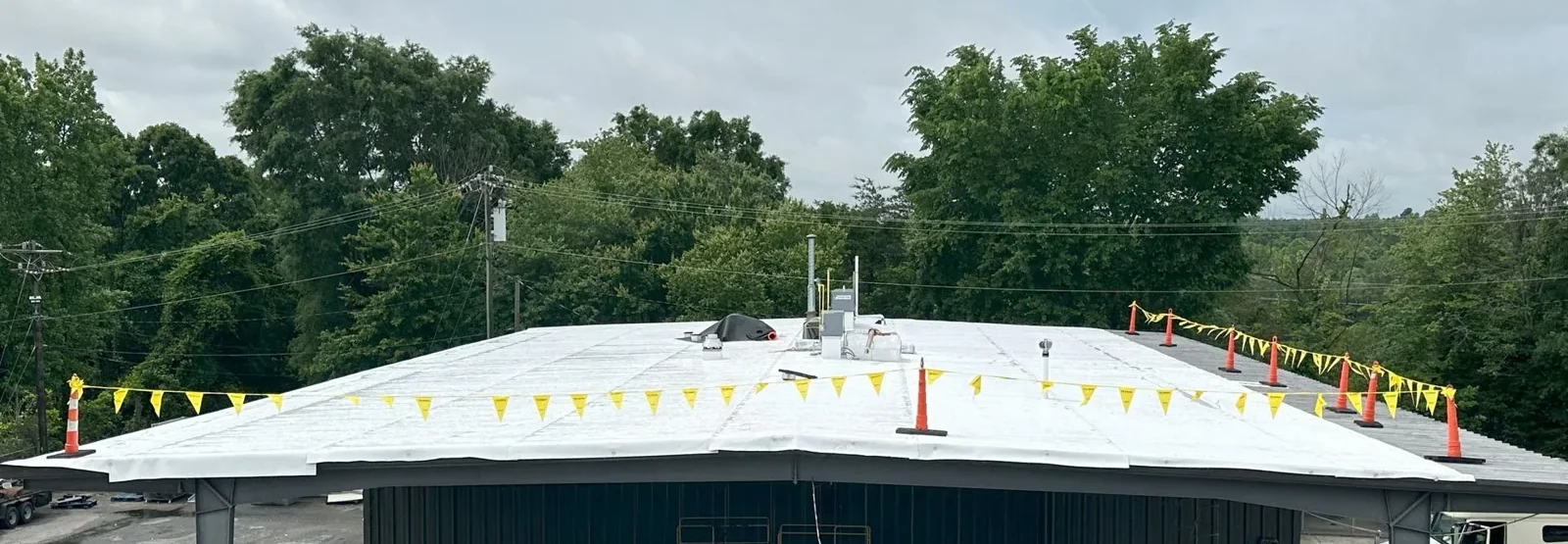
Metal Roof Retrofit
Evaluate an exposed-fastener metal roof retrofit in West Valley City by checking panel attachment, moisture, drainage, insulation, and edge details.
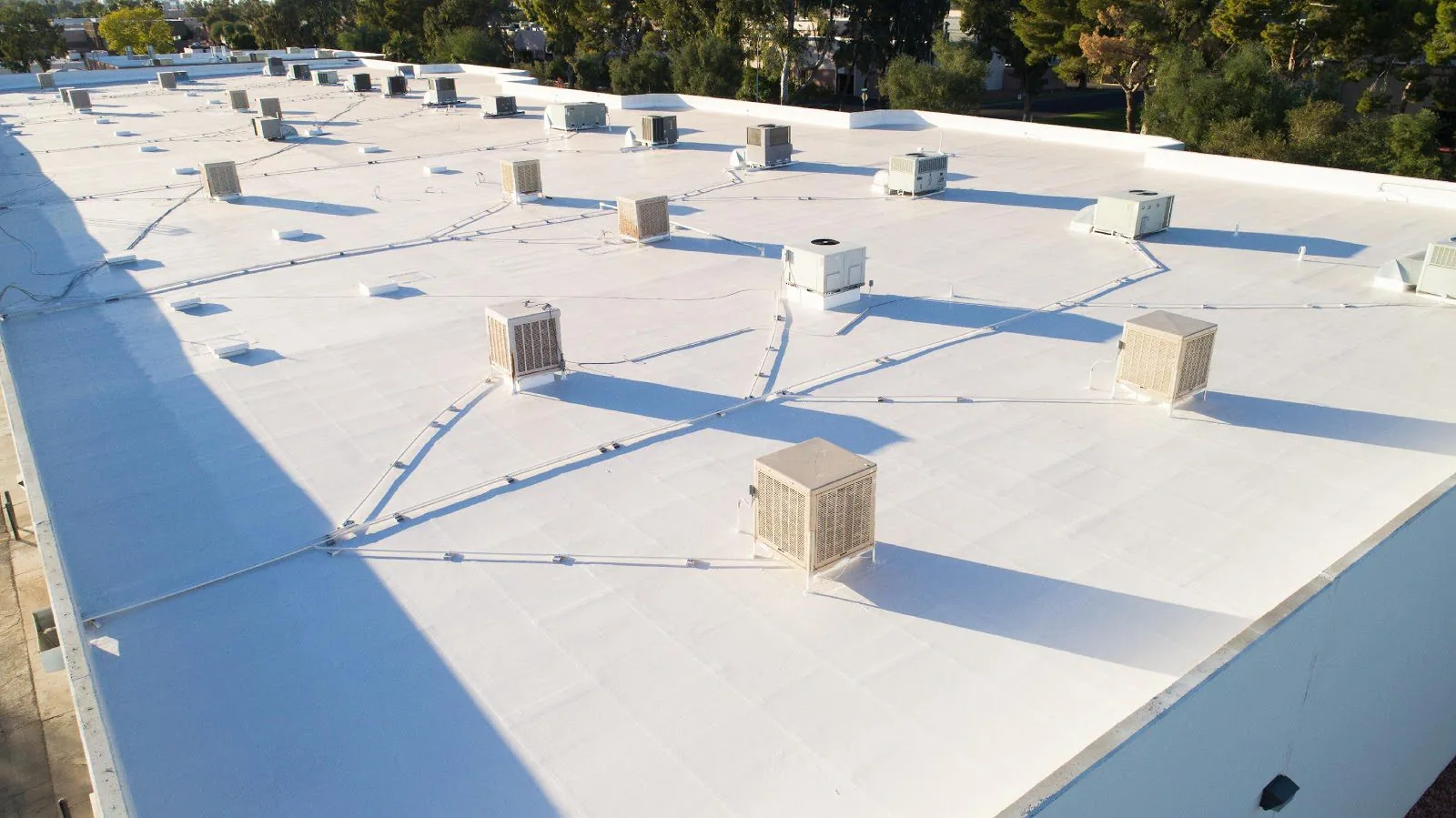
Spray Polyurethane Foam Roofing
Assess spray polyurethane foam roofing in West Valley City by checking adhesion, wet areas, slope, protective coating, and drainage before restoration.
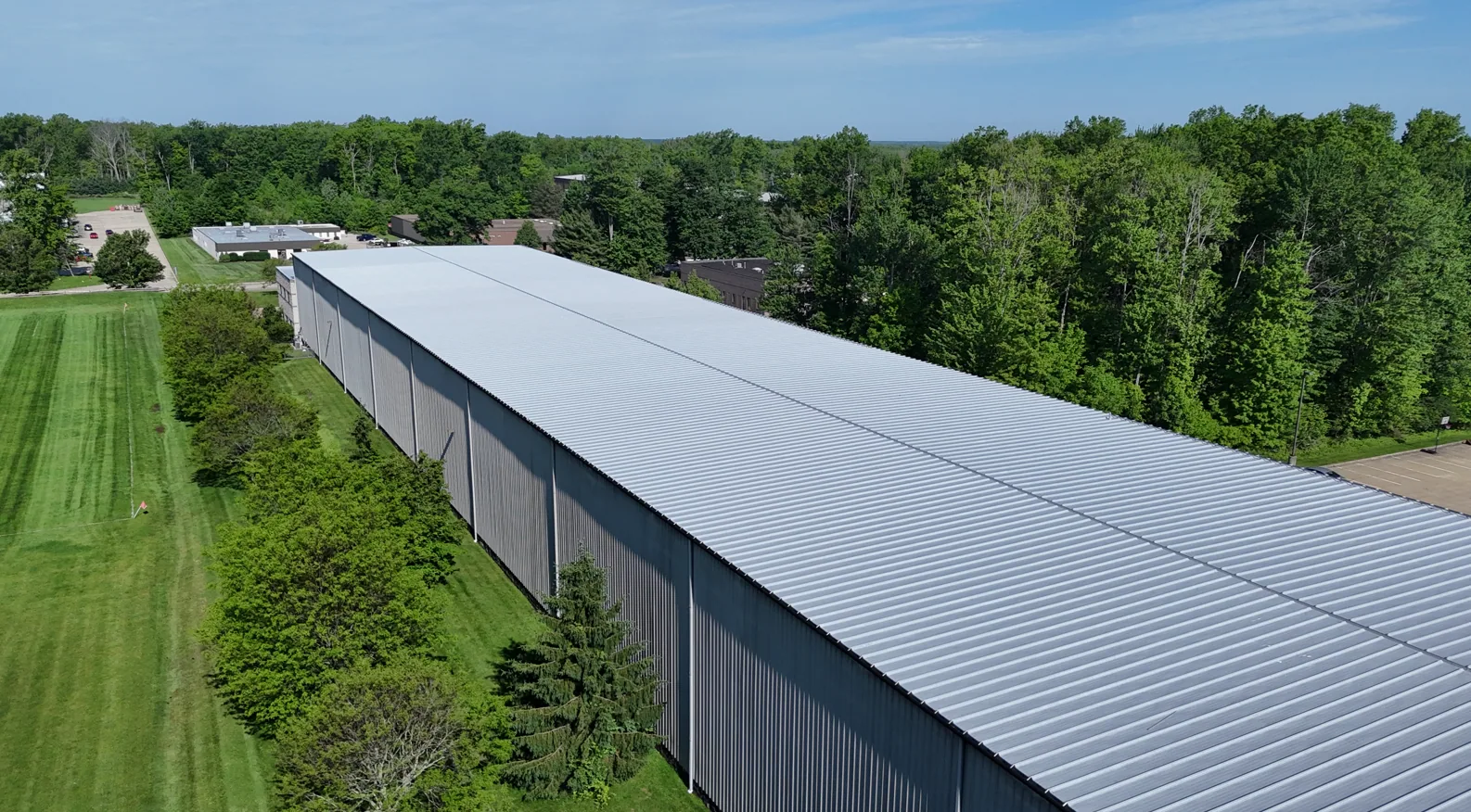
Silicone Roof Coatings
Review silicone roof coating restoration in West Valley City by checking adhesion, wet areas, seams, drainage, and the surface that will receive coating.
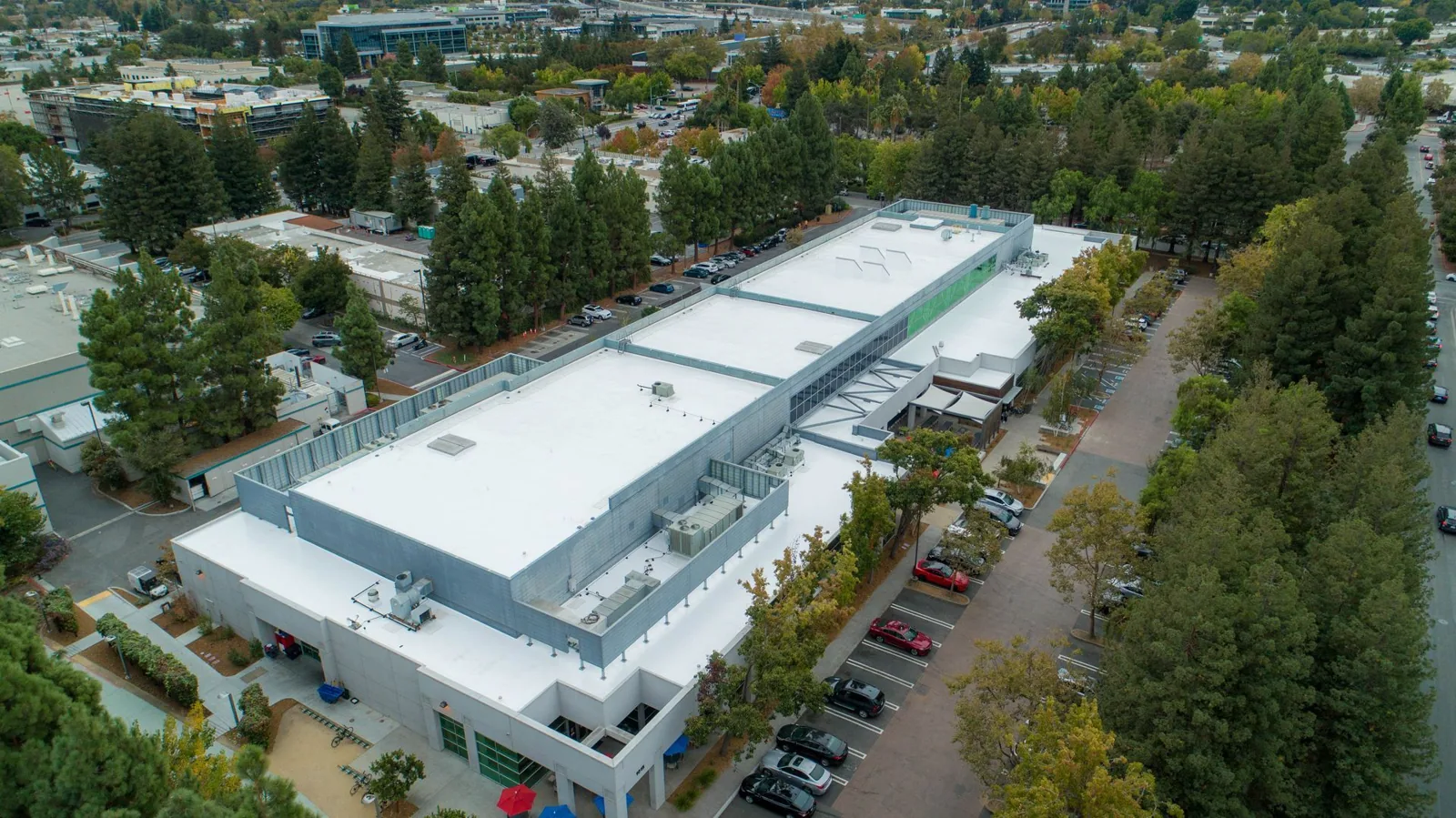
Acrylic Roof Coatings
Compare acrylic coating restoration with roof replacement by checking slope, drainage, surface condition, repairs, and the dry-weather application window.
Compare roof systems from field evidence
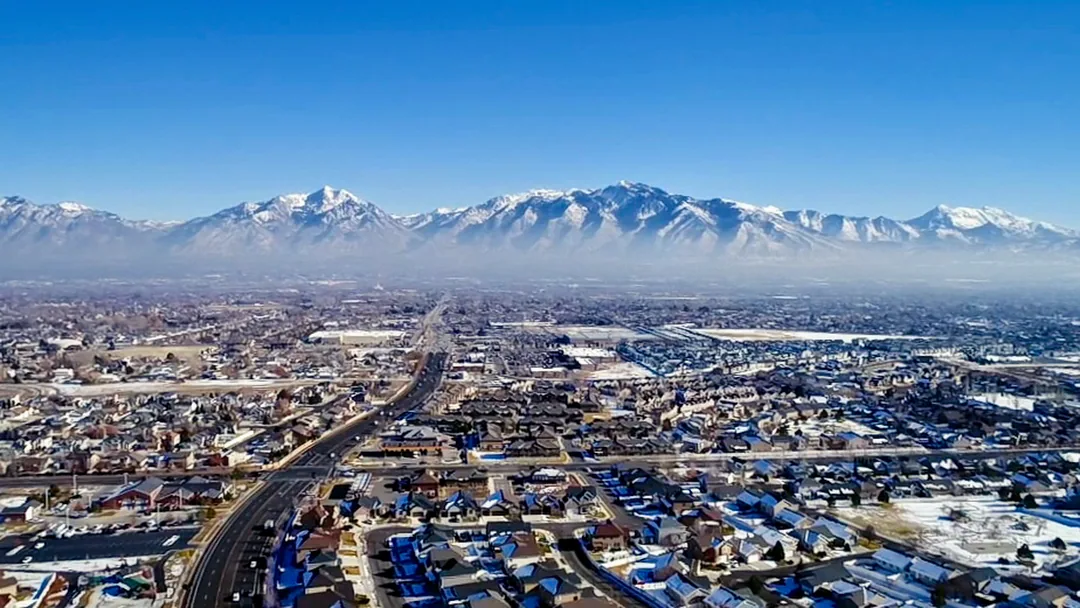
A loose seam on an otherwise sound membrane may need a detail repair, while moisture below several sheets can change the system decision. We identify the existing assembly, attachment, insulation, and deck before comparing options. The right material depends on the roof in place, drainage, exposure, and the owner's maintenance plan.
West Valley City's general plan defines business parks as planned groups of offices, light-industrial facilities, research centers, and support services. The North SR-201 corridor also serves trucking and distribution uses. Those facts describe a range of building contexts, not a single roof specification. We inspect each structure and tie the system recommendation to its actual condition.
Compare membrane systems by condition
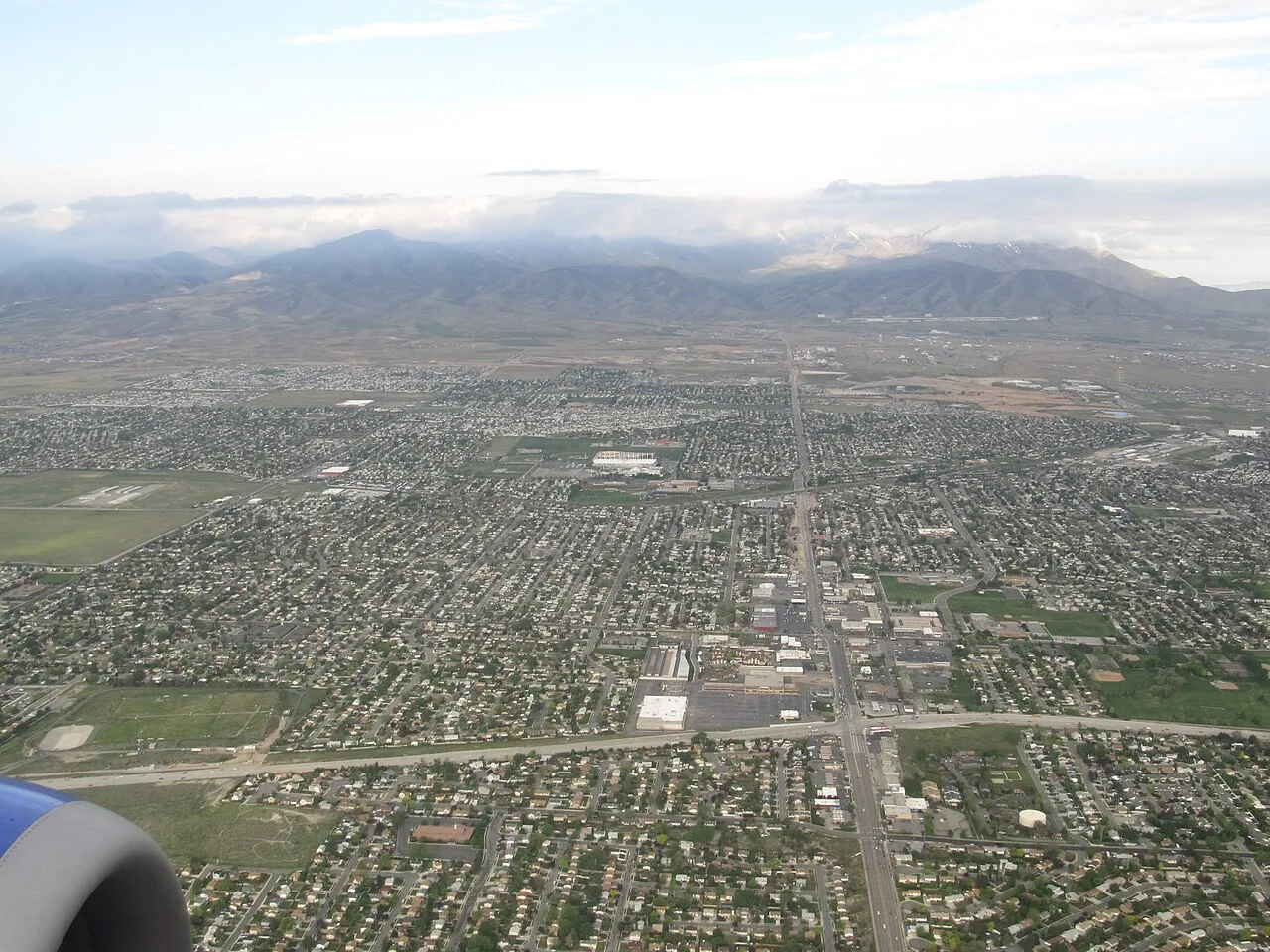
Thermoplastic sheets can be welded at seams; EPDM uses different joining details, and modified bitumen or built-up roofs have layered assemblies. We inspect laps, fasteners, flashing, and substrate before deciding whether to repair, recover, or remove. TPO, PVC, EPDM, and modified bitumen are evaluated as systems, not color choices.
The assembly's tie-ins and rooftop penetrations matter as much as the open field. A replacement scope should identify insulation, cover board, perimeter, and drain details, including what remains outside the estimate.
Check metal and coating limits
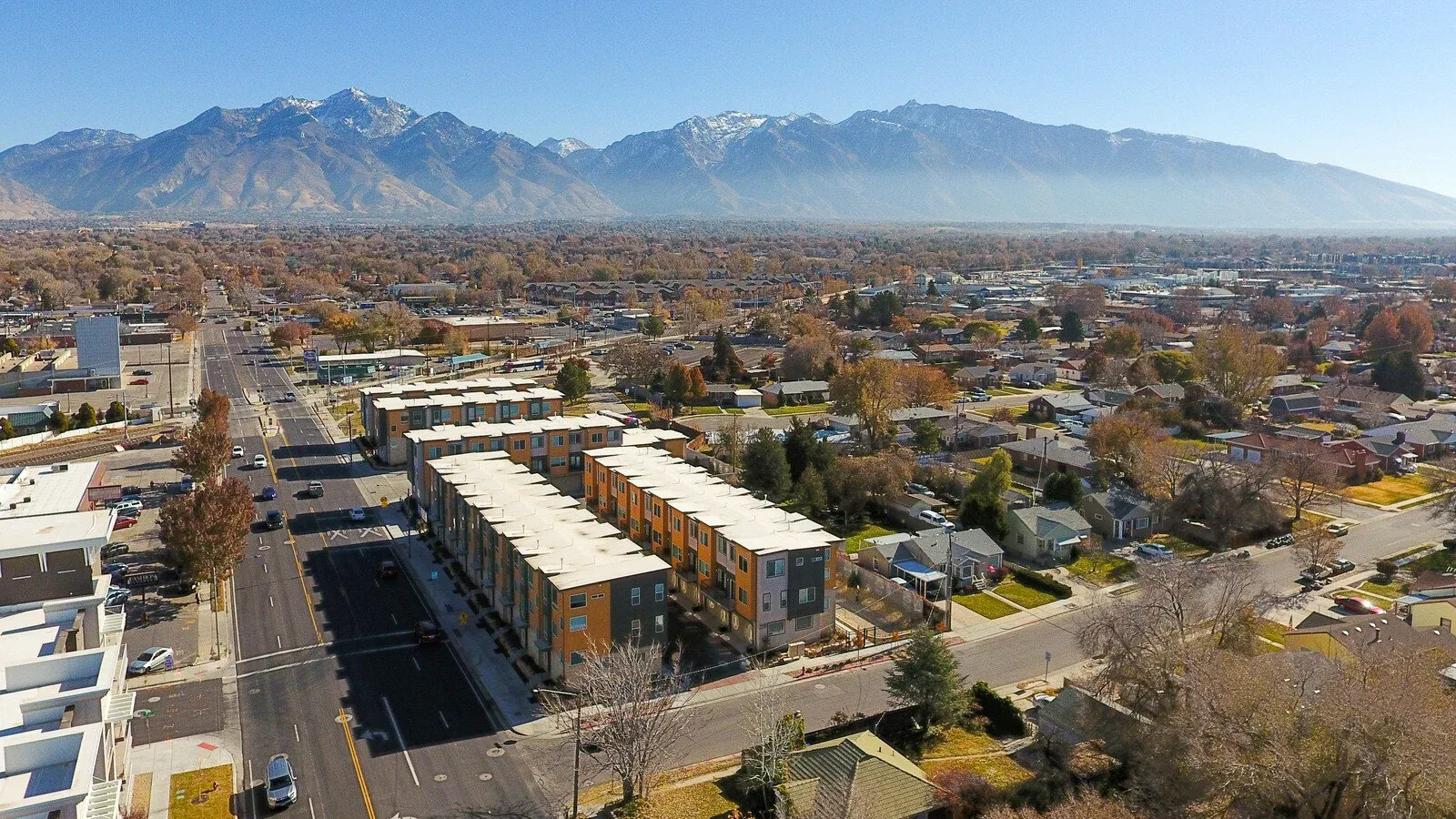
Standing-seam metal relies on formed panels and connections; retrofit work must account for existing geometry and attachment. Liquid coatings also require a prepared, compatible, dry surface. A coating cannot correct a loose panel, a wet core, or a blocked drain. We verify the condition before suggesting a restoration layer.
Standing-seam metal and metal retrofit are options where the structure supports them. Silicone or acrylic coating systems need their own preparation and drainage review. Salt Lake City International Airport station normals show hot summer days and below-freezing winter minimums. We check actual surface and substrate conditions at the building before selecting materials.
Inspect the details that decide repairability
A system can be a good candidate for repair even when age is unknown, provided the material remains attached and surrounding layers are serviceable. We check seams, penetrations, edges, and drain connections before writing the repair detail. When a defect repeats across separate zones, the inspection compares those locations and identifies whether a test cut could change the replacement limit. The owner receives an option tied to the condition observed.
Set a system decision around the roof assembly
Spray polyurethane foam can form a continuous surface over suitable substrates, but its condition, drainage, and protective coating need inspection. Every system has details that govern repairability: seams, edges, penetrations, movement, and the attachment below. We document those factors and explain whether a local fix remains sound or a broader section should be opened.
Spray foam roofing and KEE systems can be compared when they fit the building's requirements. We do not recommend a material before checking substrate, access, exposure, and future service needs. A system proposal names the included layers and how concealed conditions will be reviewed if found during removal.
Common questions
Can a new membrane go over the existing roof?
A recover is considered only after attachment, moisture, surface condition, and code requirements are checked. We identify any wet or unstable layers and explain whether removal or a test cut is needed before pricing the assembly.
Does a coating repair every roof defect?
No. Coating needs a compatible, prepared surface and sound details. We repair loose seams, address drainage, and confirm the substrate before proposing a coating. Wet insulation or failed attachment requires separate correction.
How do you compare two roof systems?
We compare the existing assembly, repair history, drainage, access, and owner priorities. The proposal states material layers, flashing details, removal limits, and what could change if concealed damage is exposed.
Do local industrial properties all use the same roof system?
The North SR-201 corridor includes trucking and distribution uses, but that does not establish a common roof assembly. We inspect each building and document what is installed before recommending a system.
Share the building, current roof type if known, leak history, and decision date. We will inspect attachment, drainage, flashing, and accessible substrate, then compare repair, recovery, and replacement limits.
Request a Roof Assessment