Spray Polyurethane Foam Roofing in West Valley City, UT

Assess spray polyurethane foam roofing in West Valley City by checking adhesion, wet areas, slope, protective coating, and drainage before restoration.

Review the foam and coating condition

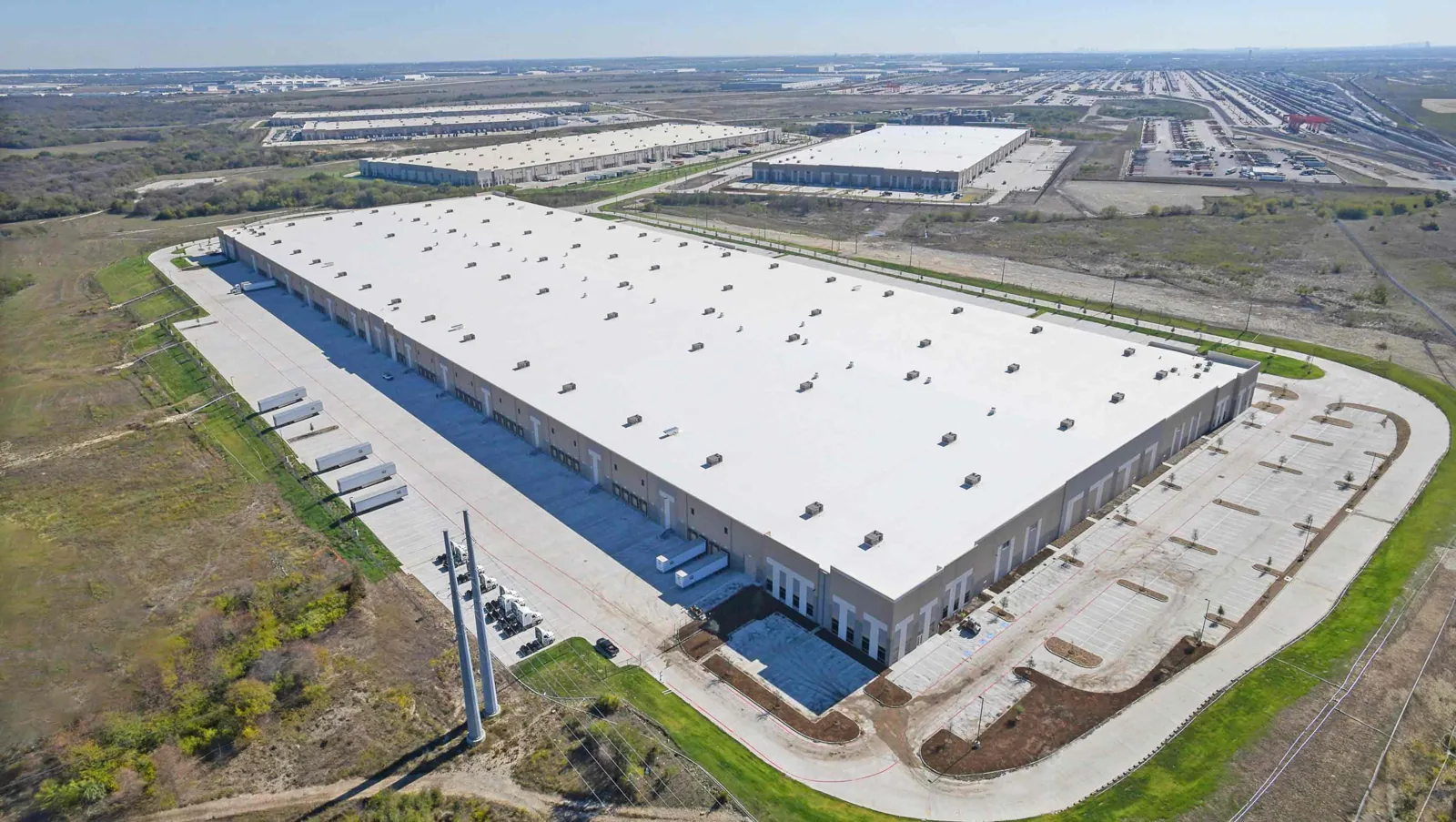
Foam that pulls away at a pipe boot can expose the substrate even when the field coating looks continuous. We check the separation, nearby foam, and flashing before deciding how much to remove. In West Valley City, UT, work near Fairbourne Station may need a different access window from a distribution property along the northern SR-201 corridor. The roof condition sets the repair boundary; the building operation sets the sequence.

Spray polyurethane foam roofing forms a continuous layer that can add insulation and slope. The foam still needs a compatible protective coating to shield it from ultraviolet exposure and weather. We inspect the substrate, foam adhesion, surface profile, and coating thickness where it can be checked. Wet areas or loose foam must be corrected before a new topcoat. We map the repair area first so the owner can compare a local restoration with broader removal.
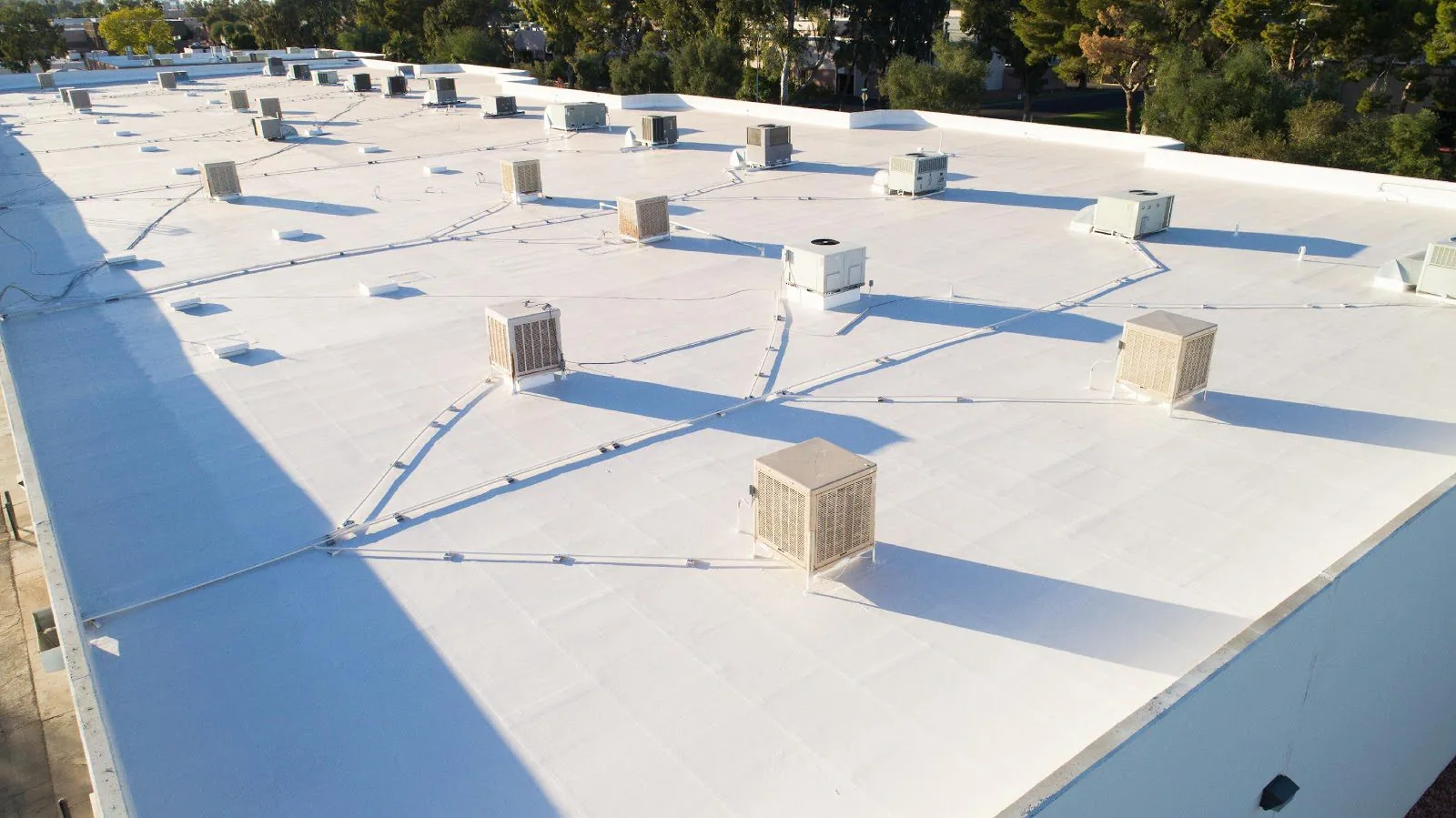
Soft, cracked, or delaminated foam can collect water beneath the protective surface. We probe suspect areas, inspect seams at penetrations, and check the bond at terminations. A hollow response or a lifted edge calls for a closer look. We mark each location and determine whether removal can stop at sound foam. Applying coating over a loose section can preserve the failure instead of correcting it.

At pipes, curbs, and equipment supports, movement can crack the foam or separate it from a flashing. We inspect the transition and the material around the penetration. If moisture has reached the deck, the repair may need to extend beyond the foam. A roof inspection can map these conditions and identify where a test opening would answer the remaining scope question. Photos show the separation before removal and the rebuilt edge afterward.

Spray Polyurethane Foam Roofing

Prepare a sound coating base

Spray Polyurethane Foam Roofing

A new coating needs a clean, dry, stable surface. We remove loose coating, dirt, and degraded foam within the approved area. Then we check the foam profile and look for exposed cells, cracks, or pinholes. The repair material must bond to both the prepared foam and the existing coating at its edge. We make a test patch where compatibility or adhesion remains uncertain.

Surface preparation also exposes areas that should not be treated as topcoat work. A wet core, weak deck, or broad foam separation may require removal and replacement. We identify those limits before ordering coating quantities. A silicone coating system or acrylic coating may be considered only after the existing assembly and surface conditions are reviewed. The product choice follows compatibility and drainage needs rather than color or a generic coating label.

Keep the foam profile draining

Foam can be shaped to improve drainage, but a coating does not change a low area by itself. We inspect the surface profile, drain bowl, scuppers, and water paths after debris is cleared. Ponding may reflect a blocked outlet, damaged foam, or a settled roof section. The scope separates slope correction from the protective coating so the owner can see which item changes drainage.

Edges and terminations hold the foam and coating at the perimeter. We check metal, parapet transitions, counterflashing, and exposed foam at cuts. A loose edge can let water reach beneath the assembly. If the profile is damaged over a wide area, a roof coating restoration can include foam repair and renewed surfacing. We specify preparation and thickness by area after the test patch and substrate review are complete.

Spray Polyurethane Foam Roofing

Check weather before application

Salt Lake City International Airport recorded a 15.52-inch annual precipitation normal for 1991 to 2020. Coating work still depends on the roof surface, forecast, and product requirements. We verify a dry substrate and an adequate application window before spraying or rolling the protective layer.

West Valley City identifies trucking and distribution facilities near the northern SR-201 corridor. Material delivery and lift staging there may need to fit active freight movement. The city plan describes Fairbourne Station as a mixed-use transit-oriented district with civic, retail, office, hotel, and multifamily development. We confirm tenant routes and operating hours before the crew sets equipment. The application sequence includes a secure edge at each day's stopping point and a clear path around drains and equipment.

Price foam repair separately from coating

Restoration cost depends on foam removal, patch depth, substrate preparation, coating quantity, and access. A few exposed cells differ from a wet section that must be cut back and rebuilt. We map the repair area and estimate coating only on a suitable base. If a test opening shows deck damage, we document the finding and price that work before extending the restoration.

Repeated coating failures, broad delamination, or moisture in multiple areas may justify replacement. We compare the foam repair and coating scope with a replacement option when removal is more practical. Roof height, drain capacity, equipment curbs, and insulation needs affect that choice. A condition report can preserve test results and photographs for future budgeting. We separate confirmed work from allowances for conditions that have not been opened.

Record the repaired foam sections

Closeout should identify foam removed, substrate repaired, and coating applied by roof zone. We photograph test patches, flashings, drains, and repaired terminations. We also mark areas that were not opened or could not be reached. The next inspection can compare those locations with the completed work without assuming every foam section received the same treatment.

Near North SR-201, access may be timed around deliveries; at Fairbourne Station, shared routes can affect where equipment is placed. We record those limits with the roof photos and final scope. If future work depends on a test area, the closeout identifies its location and what the opening showed. That leaves the facilities team with a direct path to the next decision.

Spray Polyurethane Foam Roofing

Common questions

Can you coat over an existing spray foam roof?

Only when the foam and existing coating are sound, dry, and compatible with the new material. We inspect adhesion, surface condition, drainage, and flashings, then prepare a small test area if needed. Loose foam or a wet substrate needs removal first. The estimate shows those repairs separately from the coating application.

How do you find moisture under a foam roof?

We inspect for soft or separated foam, coating cracks, and water entry at penetrations and edges. A test opening can confirm whether moisture reached the substrate or deck. We mark the opening and check whether the material around it remains stable. The repair limit follows the test result rather than the surface stain alone.

Will adding more foam correct ponding water?

Additional foam may change slope when the design and substrate allow it, but the drain path has to be evaluated first. We check outlets, scuppers, and low areas and identify whether settlement or blockage contributes. The work plan separates profile correction from coating so the owner can see what physically moves water toward the drain.

What controls the timing for a foam coating project?

Surface moisture, roof temperature, wind, and the material application limits control the start. We confirm the forecast and actual conditions before spraying or coating. Access equipment and building operations affect section size. The daily plan leaves each area protected and identifies the point where the crew can stop without exposing the assembly.

When should a foam roof be replaced instead of restored?

Broadly loose foam, repeated wet cores, failed substrate, or repair areas spread across the roof can make restoration a poor fit. We test representative locations and compare removal with a repair-and-coating scope. The proposal names which findings support each option and keeps untested areas outside the confirmed quantity.

Review the foam and coating condition

ServicesRoof SystemsIndustriesProperty TypesService AreasDamage RepairCapabilitiesManufacturersContactAboutRequest a Roof Assessment555-555-5555
Call555-555-5555