Acrylic Roof Coatings in West Valley City, UT

Compare acrylic coating restoration with roof replacement by checking slope, drainage, surface condition, repairs, and the dry-weather application window.

Check the roof before choosing a coating

A pale coating can look uniform from the parking lot and still hide weak seams or a wet substrate. We walk the roof, inspect the surface, and map details before deciding whether acrylic restoration fits. A property near the northern SR-201 industrial corridor may need delivery and lift planning before work begins.

Acrylic coatings are applied over a prepared, compatible surface to renew exposed roofing. The system needs clean, dry material and details that can be repaired before field application. We look for loose layers, open laps, ponding, and signs of moisture below the roof. If the existing assembly cannot support a bonded coating, we identify that limit early. The inspection separates surface restoration from replacement, so the estimate describes what the roof can accept rather than promising a finish before testing.
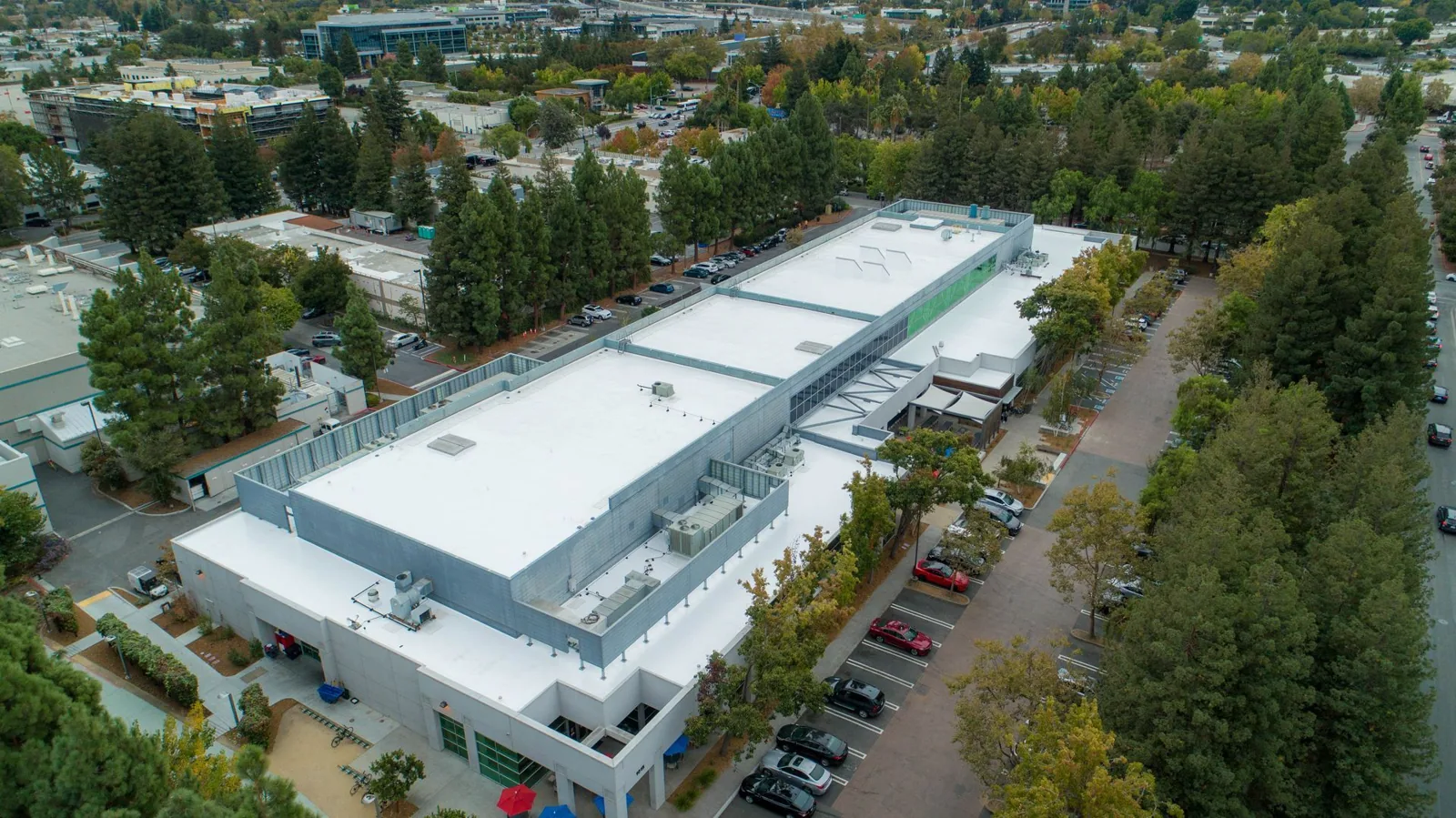
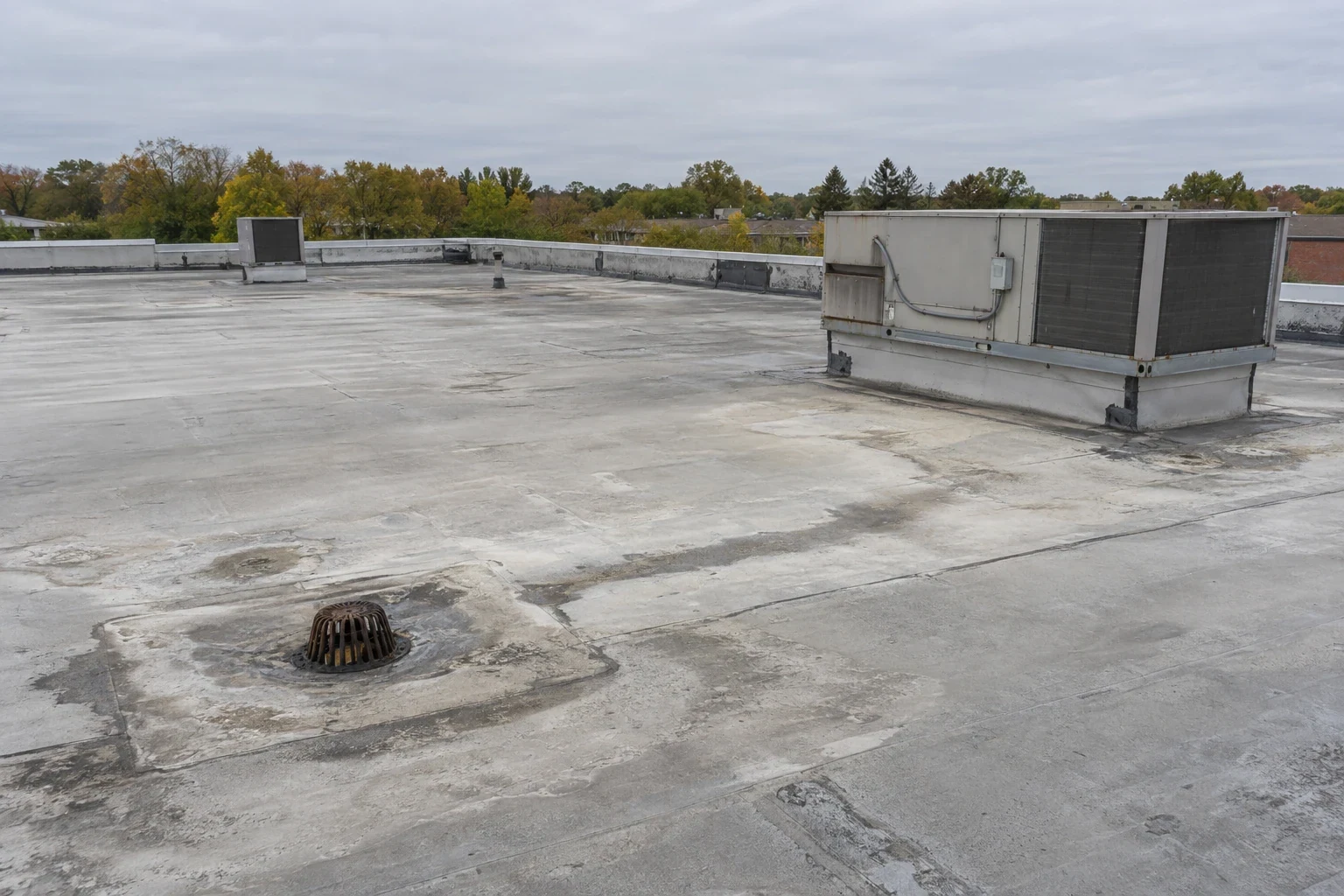
We identify the visible roof material and mark changes across additions, repairs, and transitions. A coating that bonds to one section may not suit an adjacent patch or exposed metal. We remove loose debris, inspect for chalking or peeling, and choose a representative area for preparation and adhesion checks. If the test area releases, the work pauses while we review the surface or consider another assembly.

Preparation can include washing, controlled abrasion, or removal of unsound material, depending on the roof and product requirements. Cleaning water and residue must leave the roof before coating starts. We protect drains and equipment, then check that the area has dried. A test patch should reflect the surface conditions found elsewhere, not just the easiest corner to reach. When silicone is already present, compare the proposed acrylic work with silicone roof coatings only after confirming compatibility and scope.

Acrylic Roof Coatings

Resolve drainage questions before application

Acrylic Roof Coatings

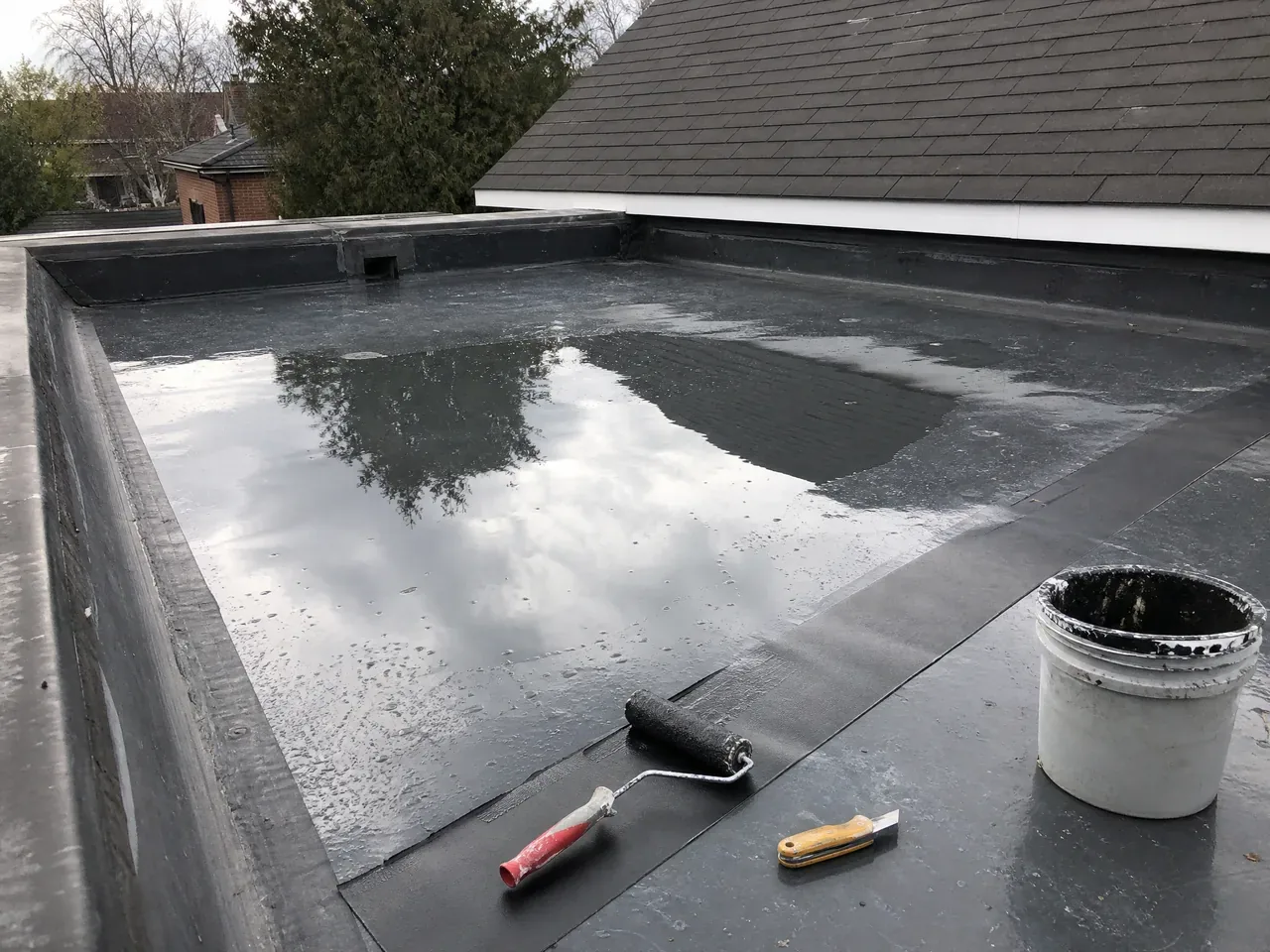
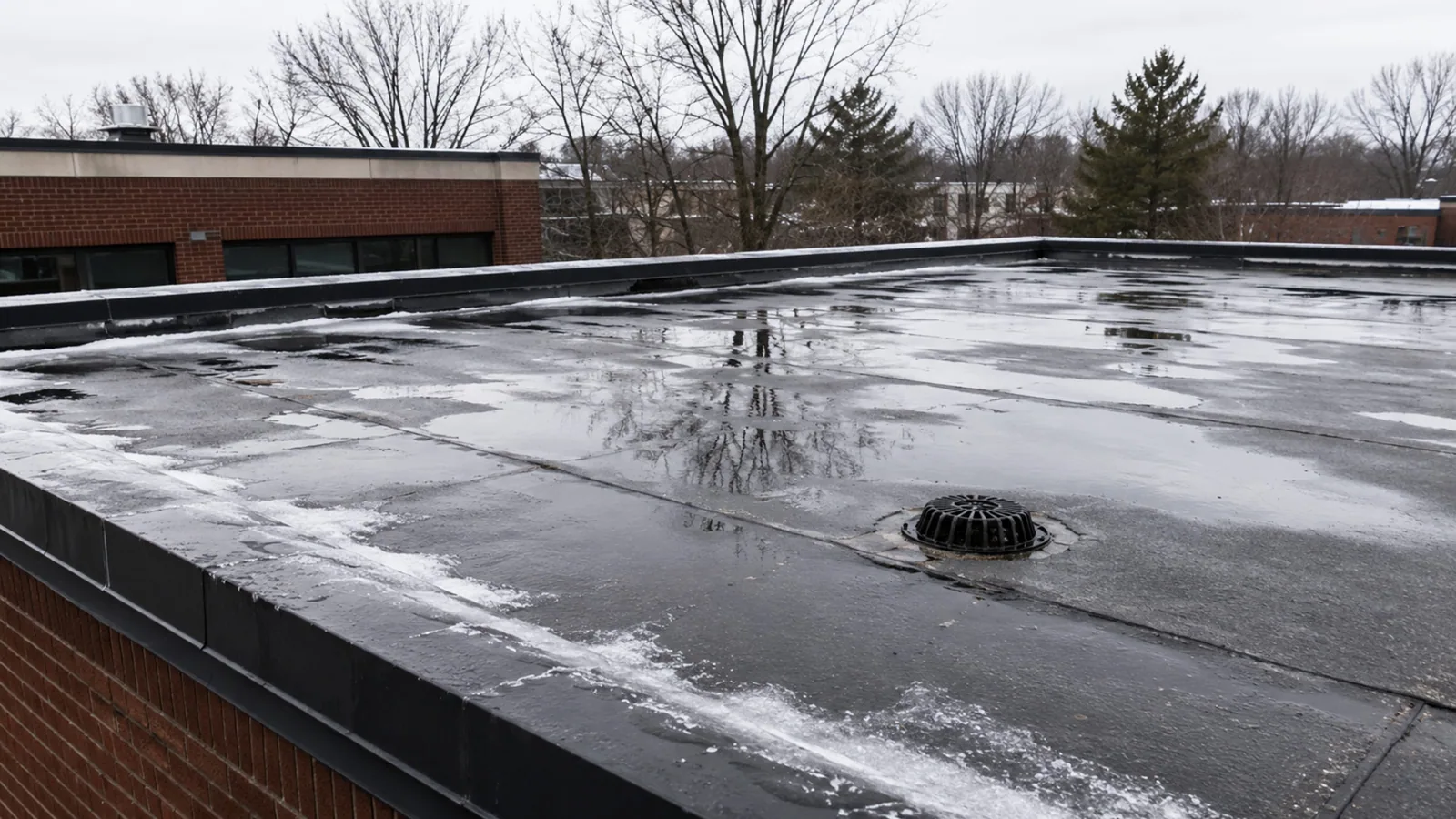
A coating follows the plane beneath it. It does not raise a settled deck or restore compressed insulation. We inspect drains, scuppers, sumps, and low points, then note whether water appears to come from blockage, slope, or a localized depression. Where standing water has affected the substrate, we define test openings before deciding how much coating work remains appropriate.

Moisture under the membrane changes the repair boundary. We use approved test cuts or suitable measurements when that information can change removal limits. Wet insulation is recorded for removal within the authorized scope, with replacement substrate and coating work priced as distinct steps. A ponding water repair may address a drainage or localized condition before the exposed field is restored. We do not use extra coating thickness as a substitute for correcting the source of water retention.

Repair seams and penetrations as separate details

Field coating cannot compensate for a loose curb, split flashing, or open wall termination. We inspect pipes, skylights, rooftop equipment, drains, parapets, and edge metal individually. Cracks may need reinforcement, while failed flashing may call for removal and rebuilding. Each detail gets a location and a repair description so the field application does not conceal a known opening. We verify that the new coating ties into sound material and that the transition follows the product instructions.

At roof edges, we check metal laps, fasteners, and the termination against the wall. Any loose or corroded component must be stabilized before the adjacent surface is coated. We sequence the work so the crew can maintain a secure edge at the end of a shift. If repairs point to a larger scope, compare a coating proposal with commercial roof replacement or a TPO roofing assembly. Material, attachment, drainage, and future access determine the practical choice.

Acrylic Roof Coatings

Schedule around surface and weather conditions

Application requires the roof to meet the product's limits for moisture, temperature, and cure conditions. The Salt Lake City International Airport station’s 1991-2020 normals list daily highs of 94.0°F in July and 91.7°F in August, with minimums below freezing in January and December. We check the roof surface and substrate before setting an application window.

Sun exposure, shade, wind, and overnight conditions can differ across the same building. We confirm the work window and divide the roof into areas the crew can prepare and coat without leaving vulnerable edges. For sites on 3500 South or near Redwood Road, we also coordinate access, deliveries, and tenant routes. The city identifies these streets as major arterials; that context informs staging, not the coating chemistry. If conditions move outside product limits, the application waits for a suitable period.

Compare a defined coating scope with replacement

Price depends on cleaning, removal of loose material, repair area, reinforcement, access, and the quantity of coating specified by the selected system. A roof with a stable surface and few details is different from one with multiple transitions, wet sections, and failed edges. We list accepted coating zones separately from repairs and areas that remain untested. The written scope identifies preparation and closeout steps so the property team can compare bids on equivalent work.

We do not assign a service life or savings figure without an approved system and roof-specific condition. Under Utah Code 15A-2-103, statewide adoption of the 2024 IBC and IECC, subject to state and local amendments, begins July 1, 2026. The applicable requirements depend on the project and authority having jurisdiction. A roof condition report can preserve observed areas and test results; coating restoration is priced against the repair boundary.

Leave a usable record of the finished roof

Before closeout, we record preparation, repairs, application areas, and any locations excluded from the work. Photos show the surface before coating and the completed details at drains, edges, curbs, and penetrations. If testing exposed moisture or a weak bond, the record notes where the condition was found and how the scope addressed it. The facilities team receives a clear boundary between confirmed work and conditions that remain concealed or outside authorization.

We also identify any follow-up inspection point, such as a repaired seam or drainage correction. That record helps future maintenance staff compare the same roof areas after weather exposure. On buildings serving industrial users near SR-201 or businesses along 3500 South, access notes can be useful when scheduling later inspections. The coating is one part of the roof assembly; accurate records make it easier to distinguish later wear from an existing defect or an excluded area.

Acrylic Roof Coatings

Common questions

Can acrylic coating go over any commercial roof?

No. The current surface, its condition, moisture below the roof, and product compatibility all affect suitability. We identify the material, prepare a representative area, and test adhesion where appropriate. Loose layers and failed details need correction first. If the base cannot support a coating, we explain the limitation and compare a repair or replacement scope instead.

Does an acrylic coating repair standing water?

A coating follows the existing roof shape, so it does not correct a low deck or compressed insulation. We inspect drains and low points to find whether blockage or a structural condition contributes to retention. Drainage changes and substrate work are shown separately from coating. The proposal makes clear which work changes water movement and which renews the exposed surface.

How do you know the coating will adhere?

An adhesion check begins with a prepared test area that represents the existing surface. We allow it to cure as required, then inspect for lifting or release. If the bond is not acceptable, we reconsider cleaning, primer, or removal and do not expand application on that evidence alone. Test locations and results are documented with the proposed repair boundary.

What happens to wet insulation under the roof?

Concealed wet insulation must be evaluated separately because a surface coating will not dry it. We use approved openings or measurements when the result changes work limits. Material confirmed wet is removed and replaced only within the authorized scope. The estimate identifies tested, included, and still-unconfirmed areas.

When can the crew apply the coating?

The roof must satisfy the selected product's conditions for dryness, temperature, and cure. We also check wind, access, and the sequence needed to protect open edges. Local field readings determine the work window; regional climate data is background context. If the surface or weather is outside the requirements, the crew reschedules that area rather than coating it under unsuitable conditions.

Check the roof before choosing a coating

ServicesRoof SystemsIndustriesProperty TypesService AreasDamage RepairCapabilitiesManufacturersContactAboutRequest a Roof Assessment555-555-5555
Call555-555-5555