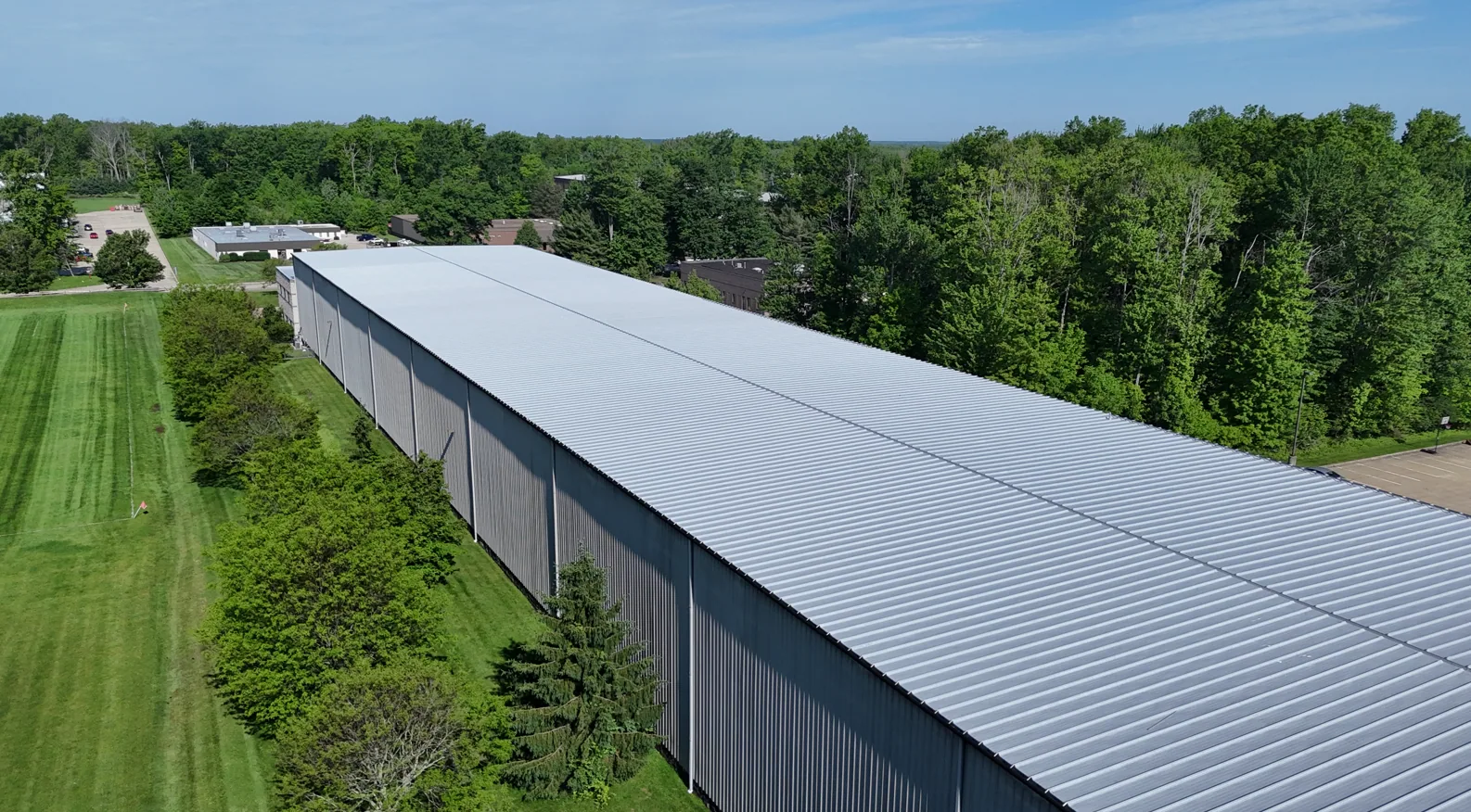
Commercial Roofing in Southwest Opportunity Area, West Valley City, UT

Commercial roof inspection and repair in West Valley City's Southwest Opportunity Area. Define drainage, access, scope, and schedule before work.

Scope roofing work in the Southwest Opportunity Area

A broad low spot can hold water long after a nearby drain clears. We check the slope, outlet, membrane, and insulation before recommending a localized correction or a larger roof section. The Southwest Opportunity Area lies generally south of 4100 South and west of 6400 West. Before a roof visit, we confirm the property address, work area, and owner-approved access.

The area has large parcels, few owners, changing topography, and about 1,400 acres of vacant land. Manufacturing uses and sand-and-gravel operations are also present. For a specific property, we confirm the building location and delivery route before setting roof quantities. We record roof zones, drainage paths, penetrations, interior reports, and staging limits before setting repair quantities.
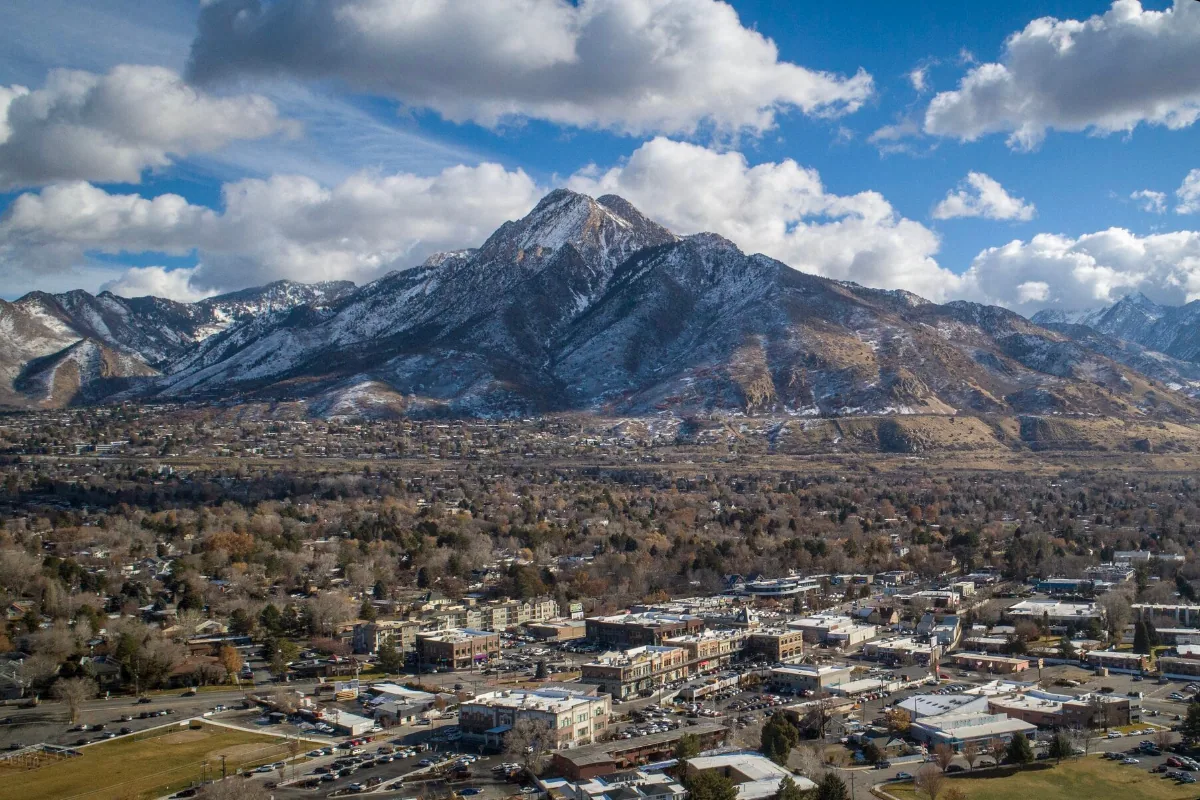
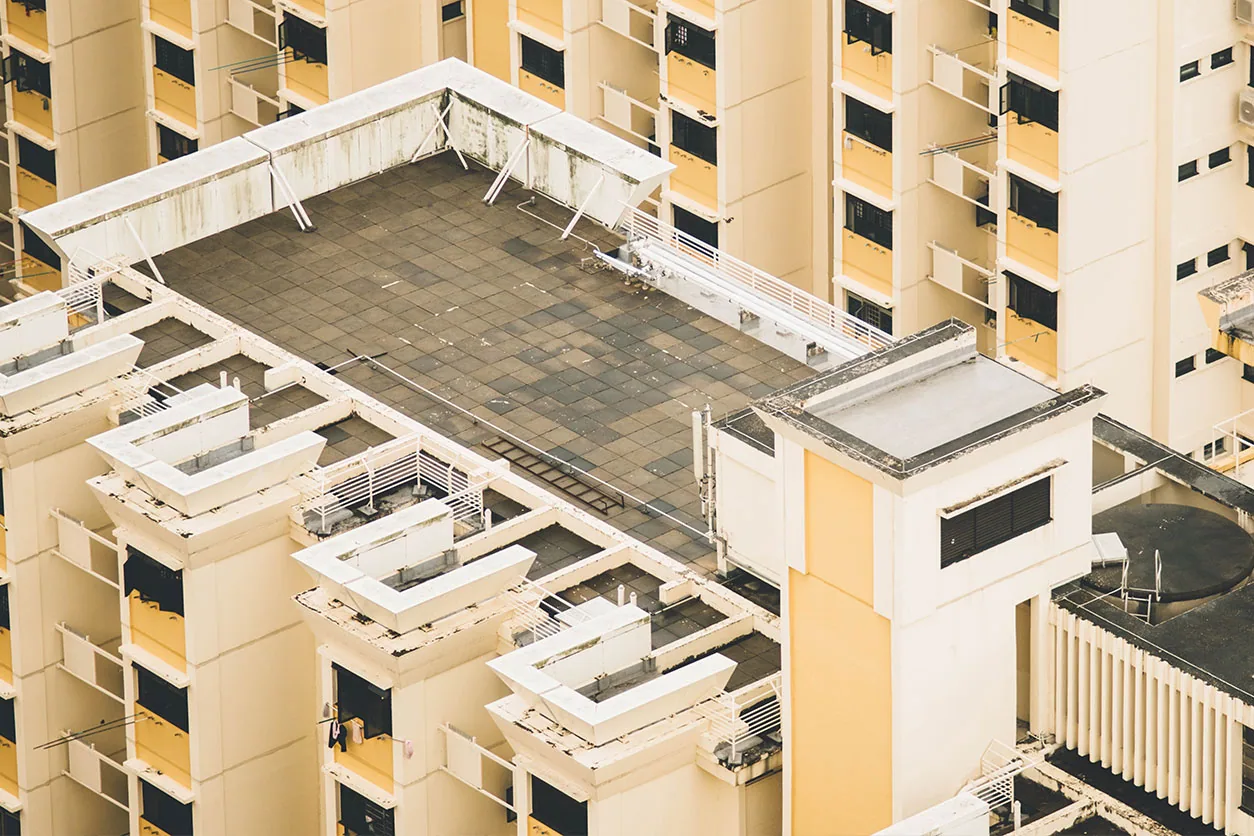
For a multi-building property, a roof walk should identify each roof separately. We mark the building, roof section, access point, and reported leak location, then photograph visible conditions. A site plan or owner-provided roof map helps connect those observations to the correct structure. We create separate records for each building’s membrane, drains, and repair history.

The property contact confirms gates, loading limits, overhead lines, ground conditions, and any area that cannot be crossed before equipment or material is placed. A commercial roof inspection can document visible assembly conditions before a bid is developed. For a different broad service location, a separate roof still needs its own field review.

When a parcel contains several structures, we mark each roof section, access point, drain group, and reported leak separately. We compare an owner-provided roof map with the approved route before scheduling a lift. If changing ground levels affect where equipment can stand, we confirm support and turning space with the site contact. These checks set an arrival plan while keeping the roof scope tied to the inspected area. A separate record also makes later budget review easier when different buildings need work at different times.

Southwest Opportunity Area

Trace water across changing grades

Southwest Opportunity Area

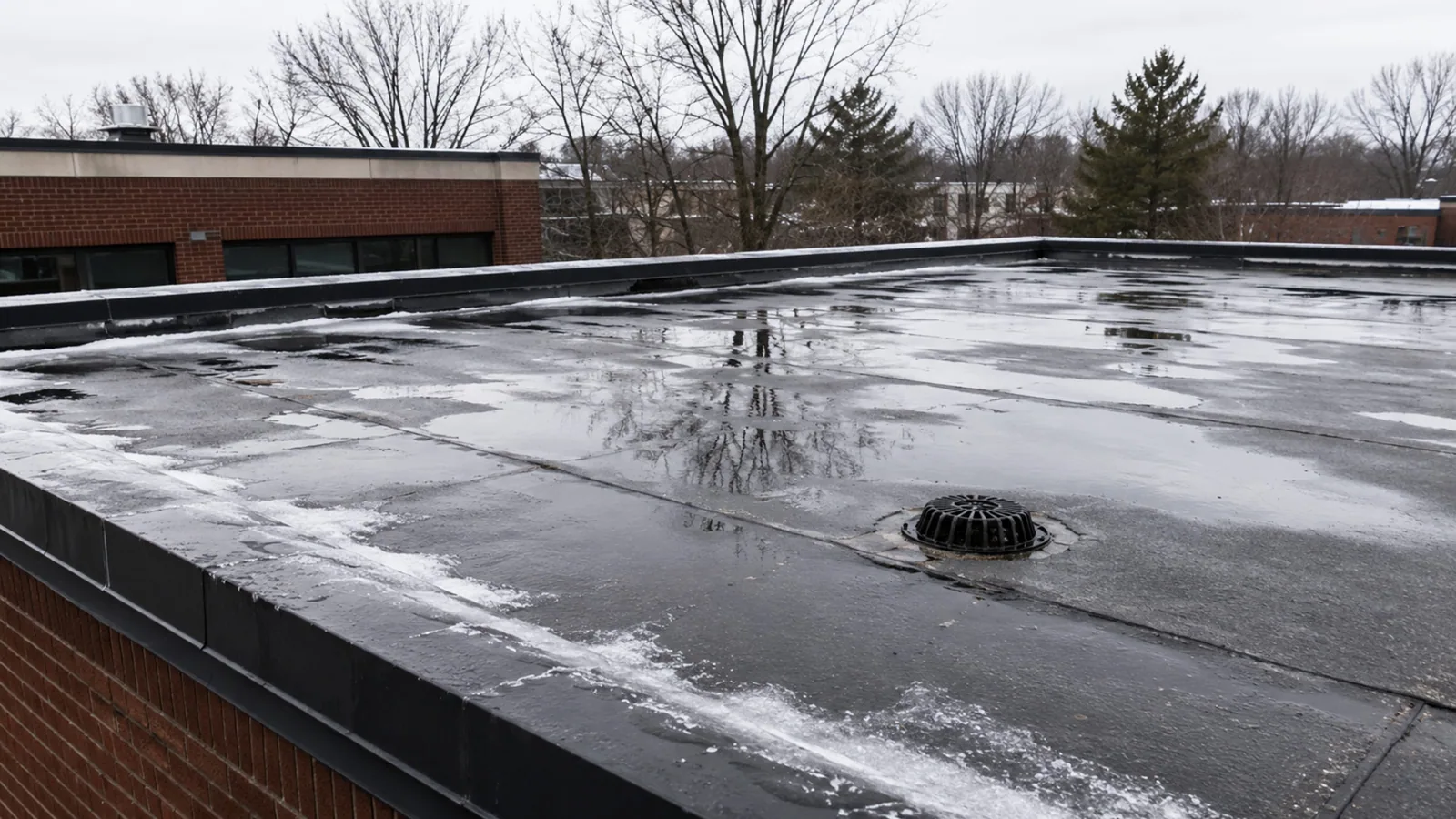
Water that collects near a seam may come from a blocked outlet, a depressed deck, compressed insulation, or an altered drainage path. We inspect the drain bowl, strainer, overflow, and membrane connection, then compare the low point with the slope around it. Where a roof has several levels, the route from upper drainage to lower discharge matters. We document the condition at each transition rather than calling every stain a roof leak.

The opportunity area has substantial topographic change. On the building, we check roof elevations and water marks directly. If an outlet is damaged, drain and scupper repair may address the detail. Where water remains after drainage is confirmed open, ponding water roof repair can focus on the low area and its surrounding assembly. We note when a deck survey or test opening is needed before pricing structural correction.

Verify the roof layers before choosing a repair

A small surface split can hide wet insulation; a dark patch can also be an old repair that remains sound. We check membrane seams, flashing terminations, fasteners, curbs, and visible substrate. If the surface evidence does not explain an interior report, we discuss a test cut before opening concealed layers. The owner sees the proposed location and restoration detail before intrusive testing begins.

Airport-station snowfall normals for 1991-2020 are 51.9 inches for a full year and 12.70 inches in January at Salt Lake City International Airport. After a freeze or melt, we check surface conditions and clear safe access before applying materials. If a seam has separated, seam failure repair may be appropriate when the adjacent membrane is stable. Broader wet areas may require removal and replacement instead of a surface patch.

Southwest Opportunity Area

Price confirmed work and expose open questions

A useful proposal separates confirmed repair from conditions that still need testing. It identifies roof area, material, preparation, flashing and drain details, protection below, debris handling, and the assumed access route. If removal could reveal more wet insulation or damaged deck, the proposal states how that added work will be reviewed and priced. The owner can compare a defined repair with broader replacement without treating an unknown condition as a fixed quantity.

Cost changes with the repair area, height, edge conditions, equipment access, interior protection, material availability, and the time needed for dry-in. A property with multiple structures may need separate mobilizations or phases, but the parcel description alone does not decide that sequence. We confirm whether work can proceed in one area while another remains in use. If investigation points to widespread deterioration, commercial roof replacement can be scoped by building or roof zone. If a smaller repair remains defensible, commercial roof leak repair can be limited to the evidenced condition.

Set access around the operation on site

The opportunity area includes manufacturing and sand-and-gravel operations. The facility contact sets rules for vehicle routes, escorts, roof ladders, shutdowns, and areas below overhead work. We confirm whether a lift can reach the work zone and where materials may be staged. Roofing crews do not control production equipment, electrical systems, or process lines; the responsible site team clears those interfaces.

Commercial transportation is an important West Valley City employment activity. We check the site's turning space and delivery windows with the contact before ordering material. For a site near 4100 South or 6400 West, the work order names the property and its access instructions. A phased occupied-building reroof can be considered when protection, weather, and daily dry-in requirements support it.

Leave a record the property team can use

Closeout should show the repaired roof zone, before-and-after photos, materials used, and any concealed condition that changed the approved scope. We record test openings and state which areas remained inaccessible or were not included. If drainage work was part of the project, the notes identify the outlet or transition addressed. That makes a later leak report easier to compare with the actual work.

We provide building-level records for maintenance and capital planning, with findings organized by structure and urgency. Follow-up inspections are scheduled after severe weather or changes to rooftop equipment. For a property near Decker Lake Station Area, we inspect that building's roof and access separately. Start with the affected zone, the last repair record, and any interior evidence so the inspection can focus on a useful question.

Southwest Opportunity Area

Common questions

How do you confirm the roof type at a Southwest Opportunity Area property?

We inspect the membrane, flashing, drainage, and accessible layers at the property named in the work order, then record the system and repair limit.

Can a ponding area be repaired without replacing the whole roof?

Sometimes. We first check whether the outlet is open, whether the low area is stable, and whether nearby insulation is dry. A focused repair may fit a localized defect; broad wet material or failed substrate can change the scope.

How do you inspect a property with several buildings?

We identify each building and roof zone separately, then connect photos and reported leaks to that location. The owner supplies access rules and any available roof map. Conditions on one structure do not establish the condition of the others.

What information helps price a roof repair?

Share the affected area, interior leak evidence, prior repair notes, access limits, and operating windows. We inspect the assembly and list confirmed quantities separately from work that depends on a test opening or concealed conditions.

Which snowfall normal informs seasonal inspection planning?

The station's January mean snowfall is 12.70 inches, part of a 51.9-inch annual normal at Salt Lake City International Airport for 1991-2020. Before work, we inspect actual snow, ice, drainage, and safe access.

Scope roofing work in the Southwest Opportunity Area

ServicesRoof SystemsIndustriesProperty TypesService AreasDamage RepairCapabilitiesManufacturersContactAboutRequest a Roof Assessment555-555-5555
Call555-555-5555