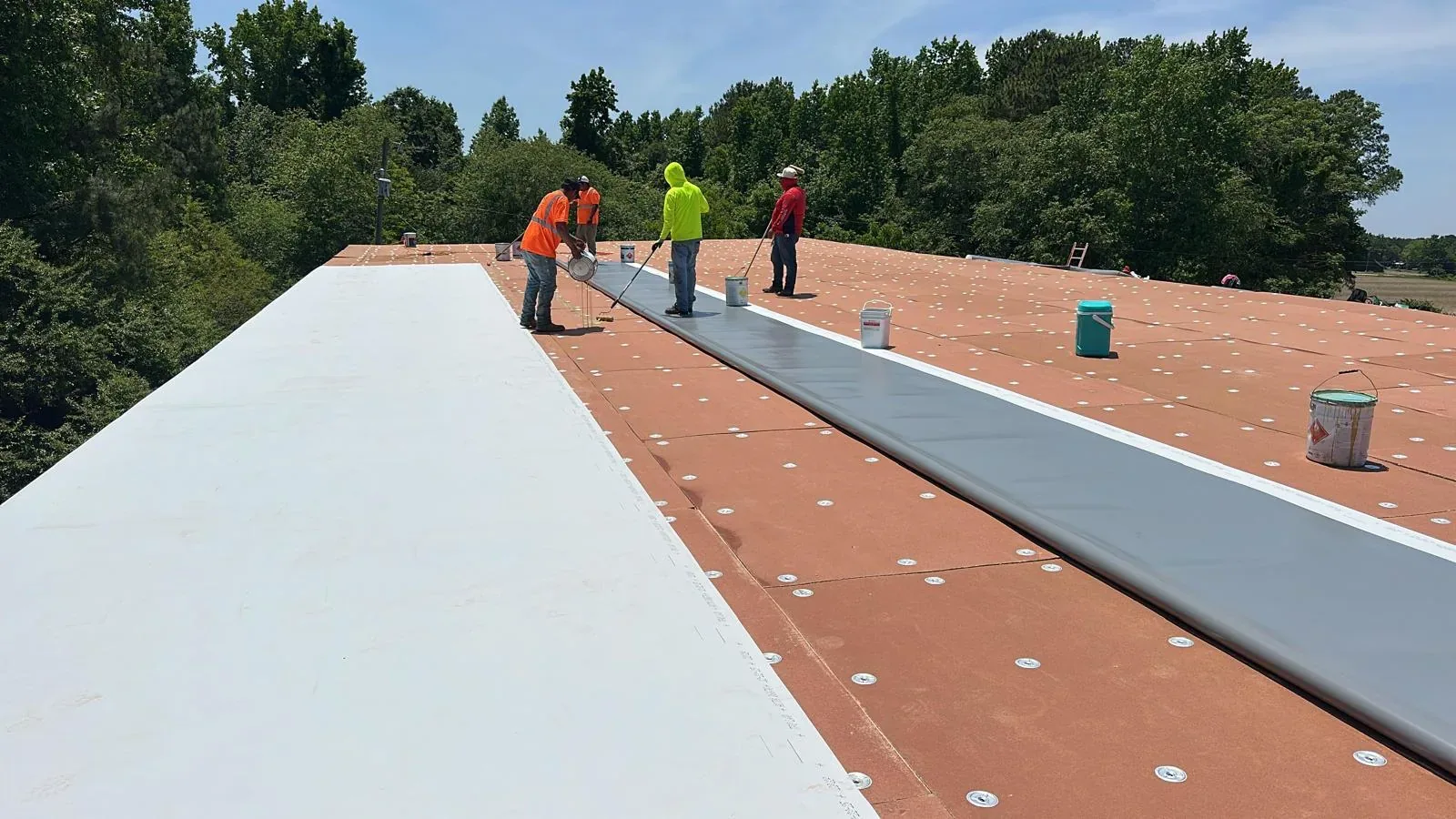
Review GAF single-ply roof options, seam repairs, insulation, and drainage in West Valley City before choosing a repair or replacement scope.
Roofing Manufacturers
Review commercial roofing manufacturer systems in West Valley City, UT. We match repair and installation details to the roof assembly and field conditions.
Browse Roofing Manufacturers
Carlisle SynTec Roofing
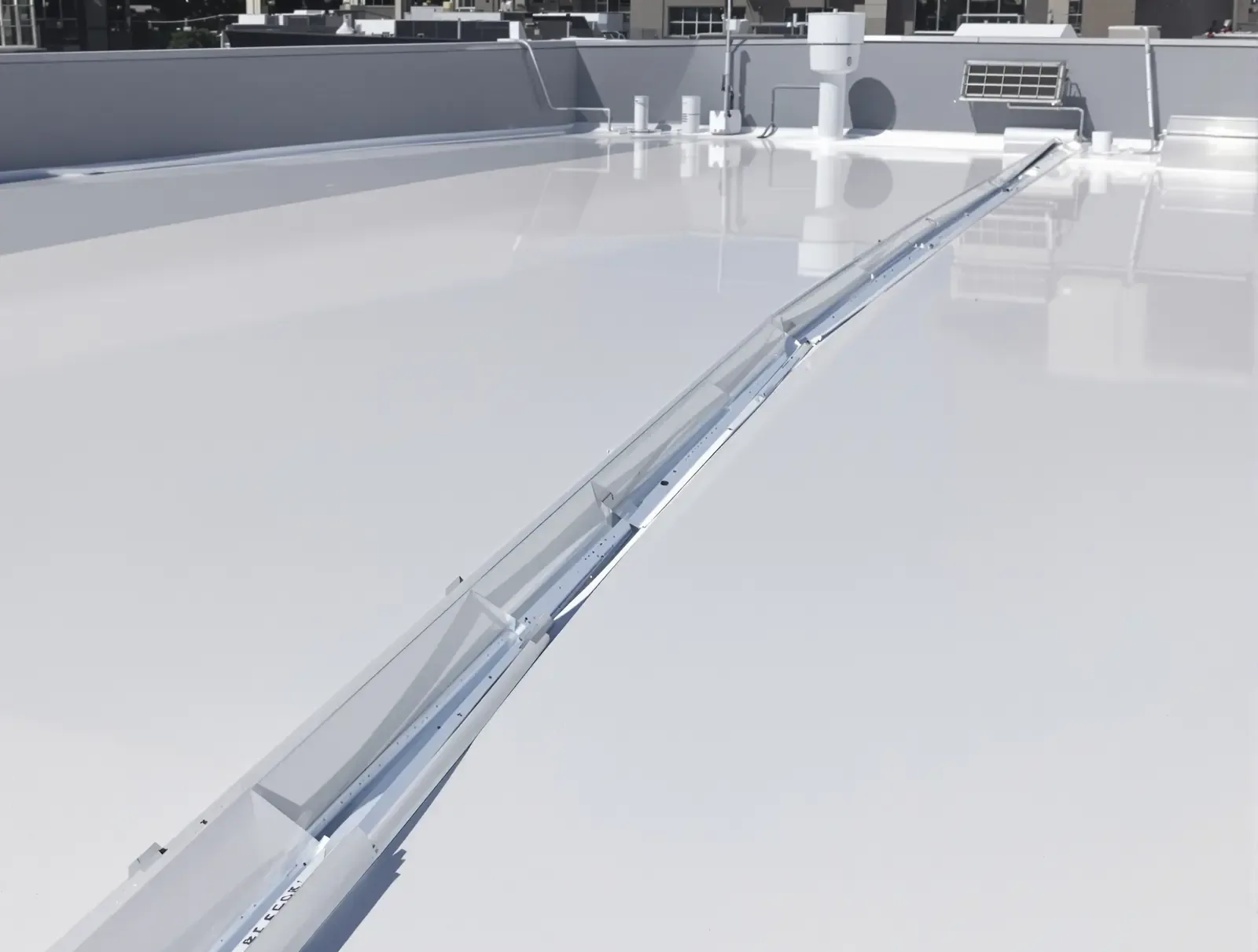
Compare Carlisle membrane repairs and roof assembly choices in West Valley City, with attention to seams, substrate, drainage, and building access.

Johns Manville Commercial Roofing
Review Johns Manville membrane and multi-ply roof conditions in West Valley City before selecting seam repairs, a recover, or replacement.
RubberGard EPDM Roofing
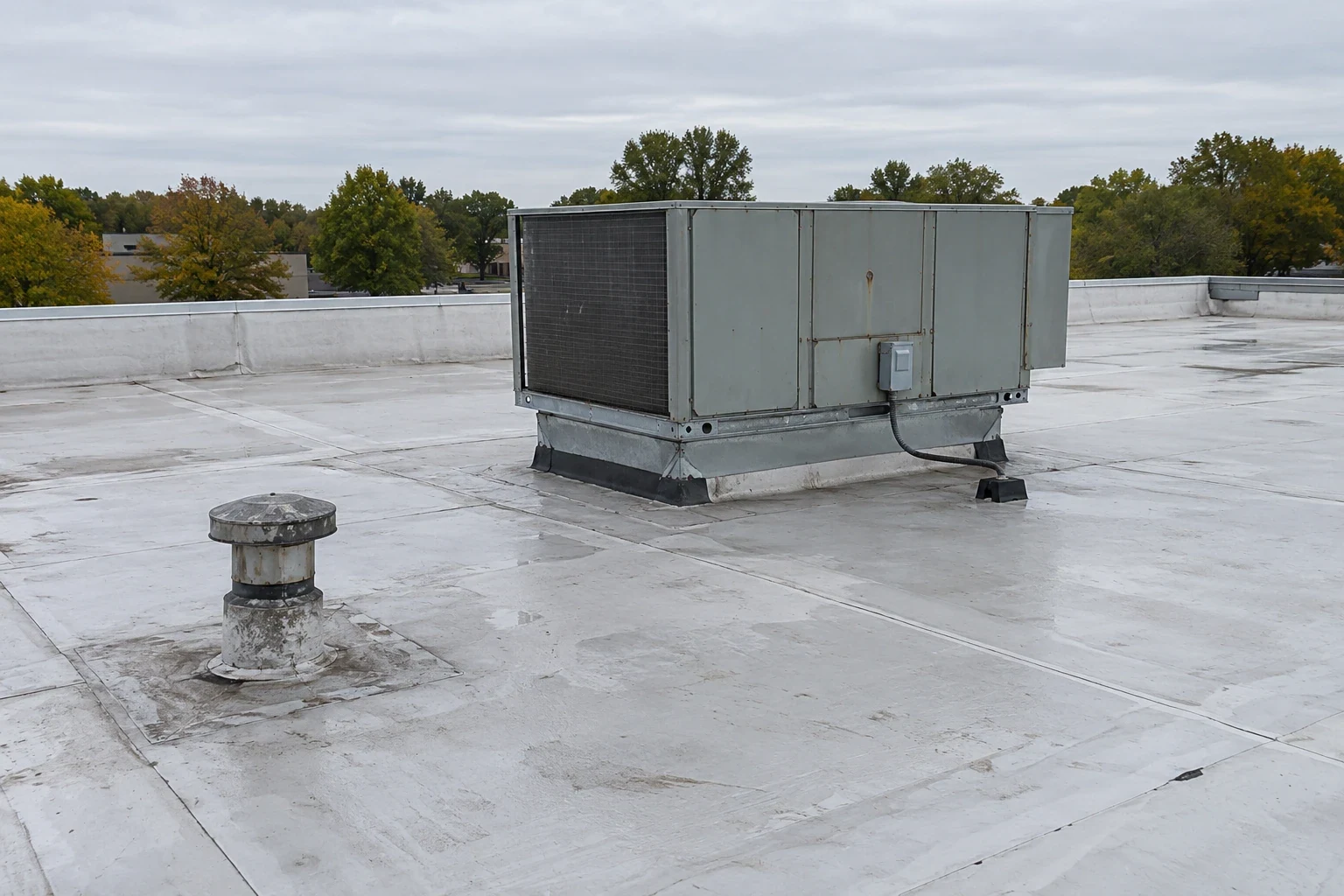
Inspect RubberGard EPDM and UltraPly TPO conditions in West Valley City, with repair boundaries for seams, flashing, drainage, and insulation.
Sika Sarnafil Roofing
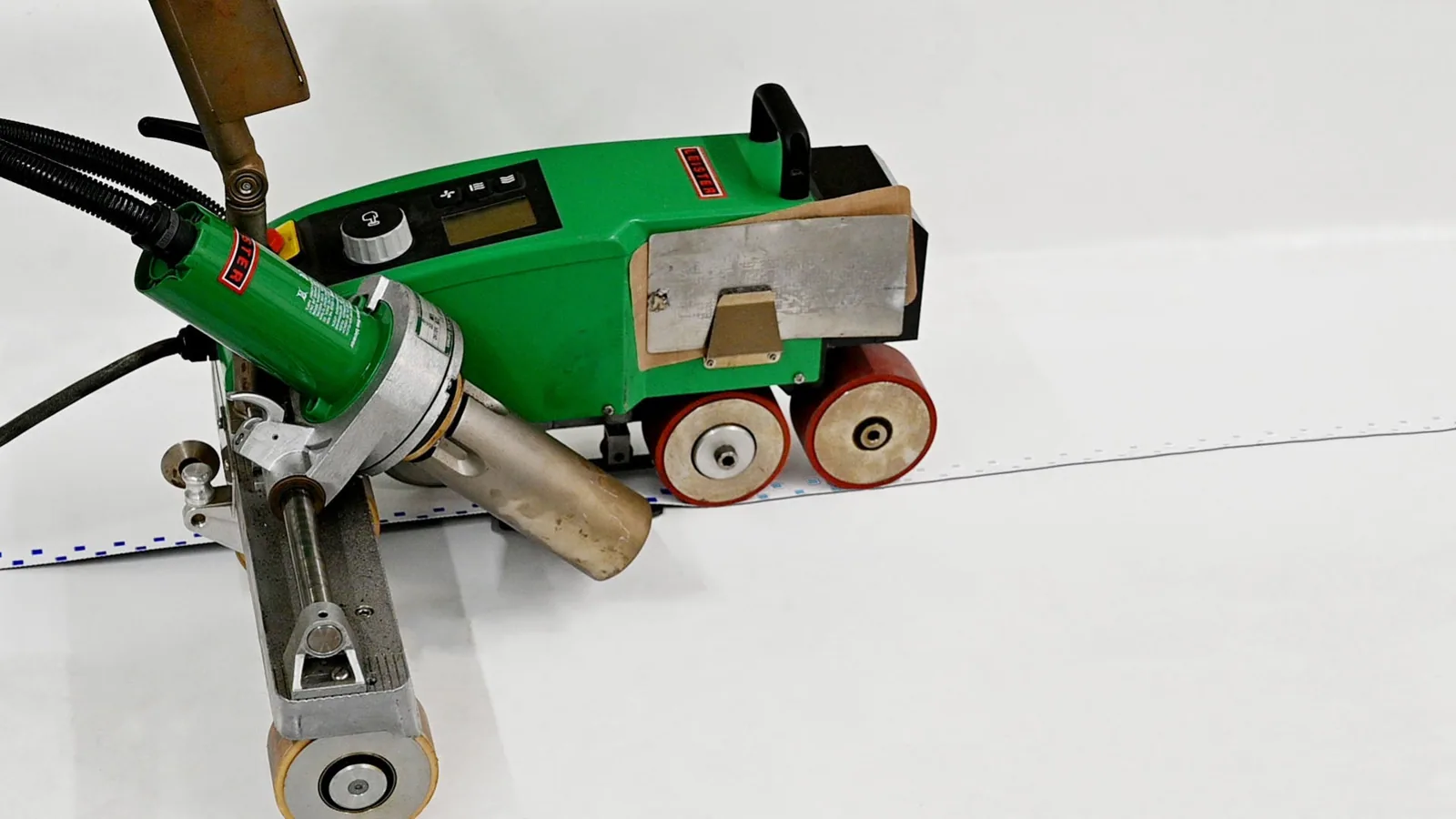
Inspect Sarnafil and Sikaplan PVC roof seams, flashings, and drainage in West Valley City before repair, recover, or replacement is priced.
Versico Commercial Roofing
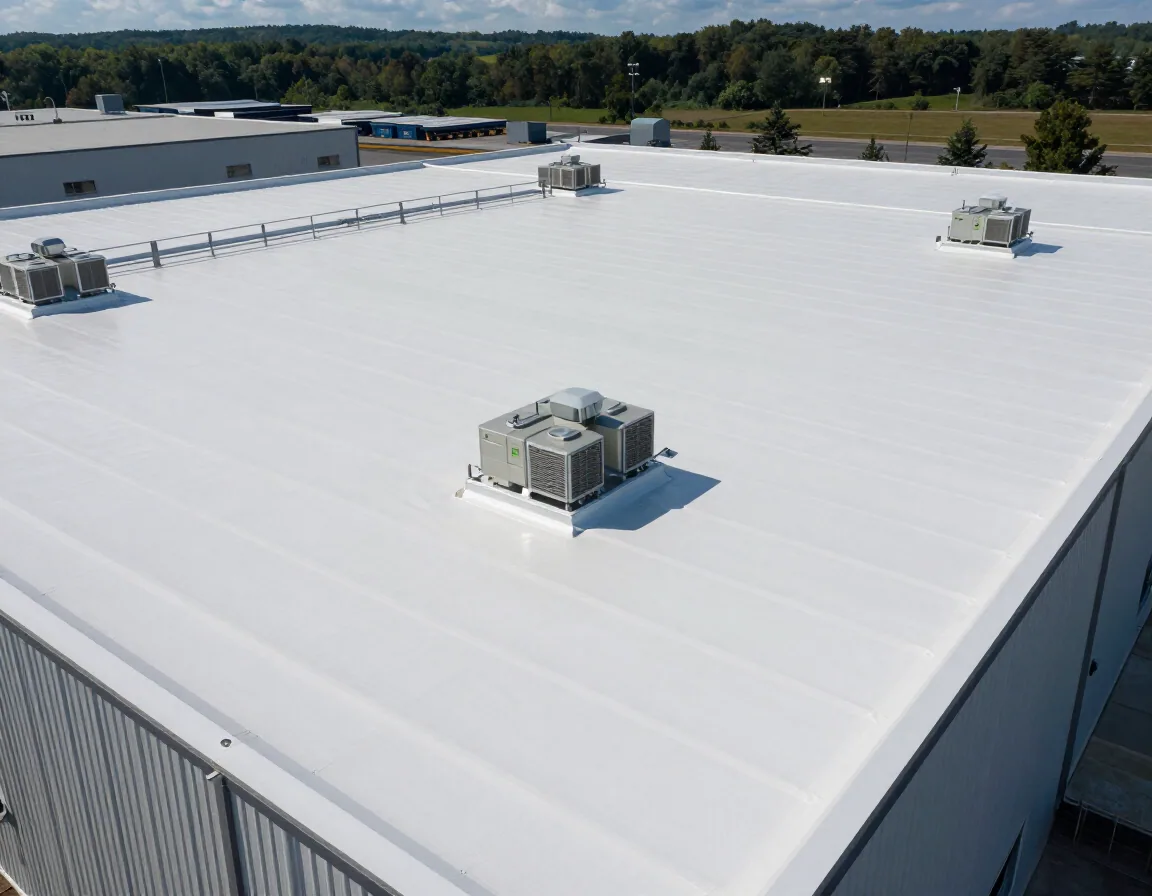
Review Versico EPDM, TPO, PVC, and fleece-backed roof conditions in West Valley City before repair or replacement is priced, with clear scope limits.
SOPREMA Commercial Roofing
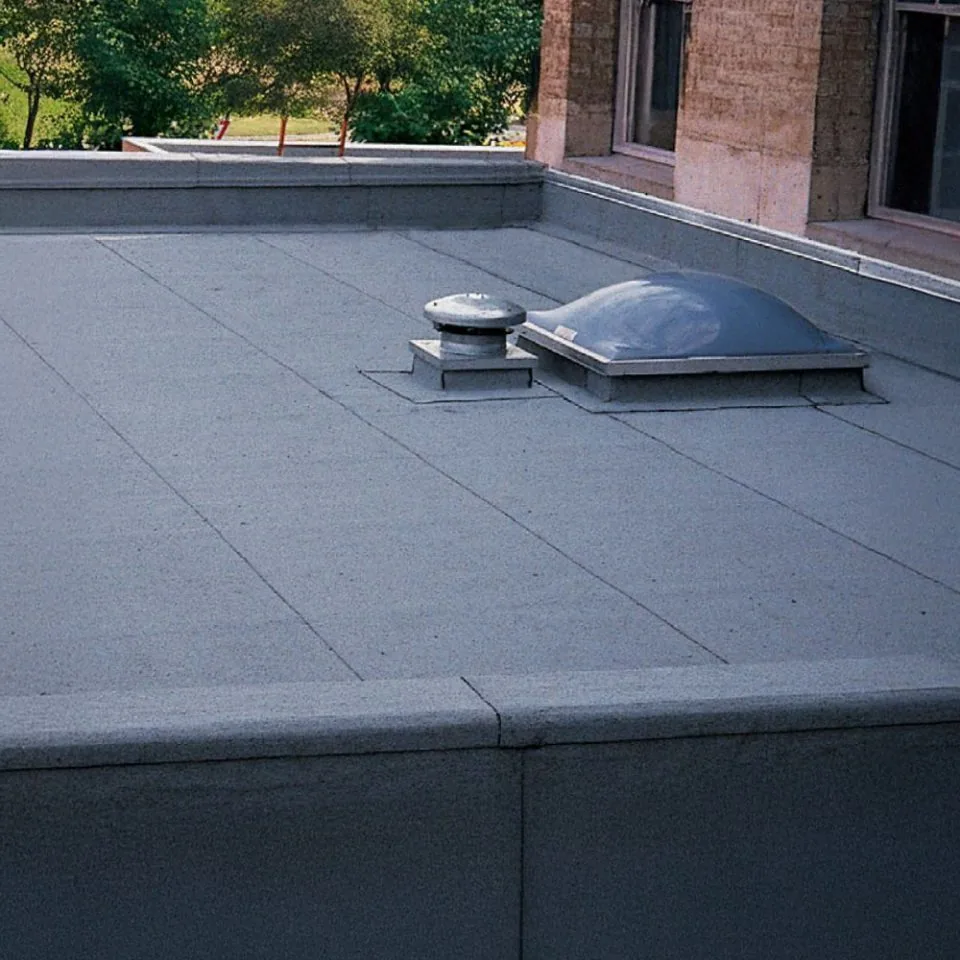
Evaluate SOPREMA modified-bitumen and liquid-applied roof conditions in West Valley City before repair, restoration, or replacement.
Duro-Last Commercial Roofing
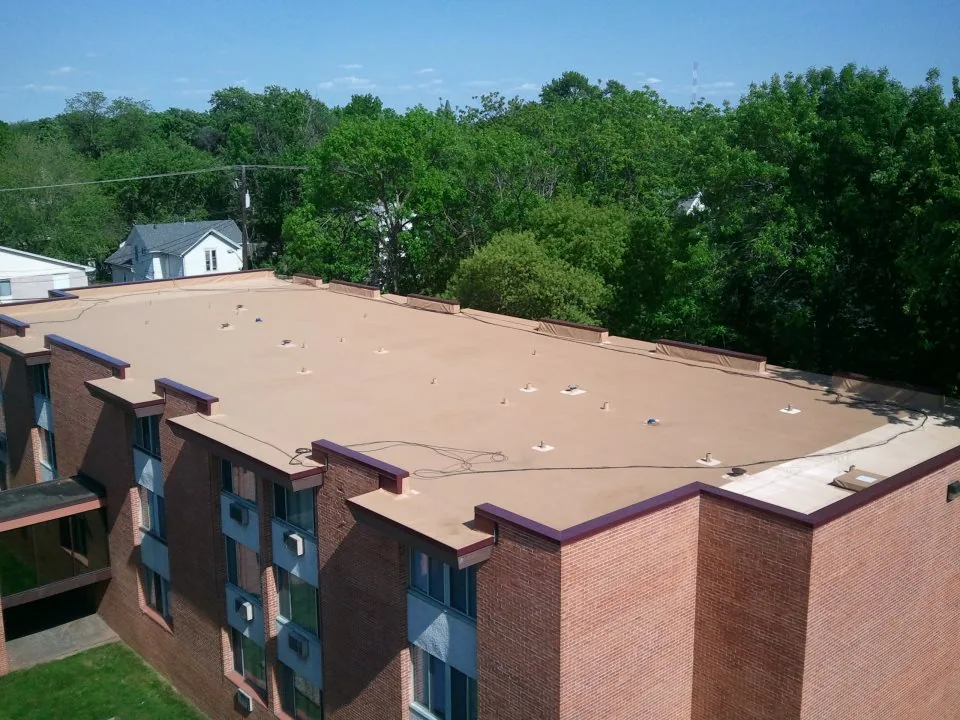
Review Duro-Last PVC roof seams, custom-fabricated details, and substrate conditions in West Valley City before repair or replacement.
Identify the system before pricing the repair
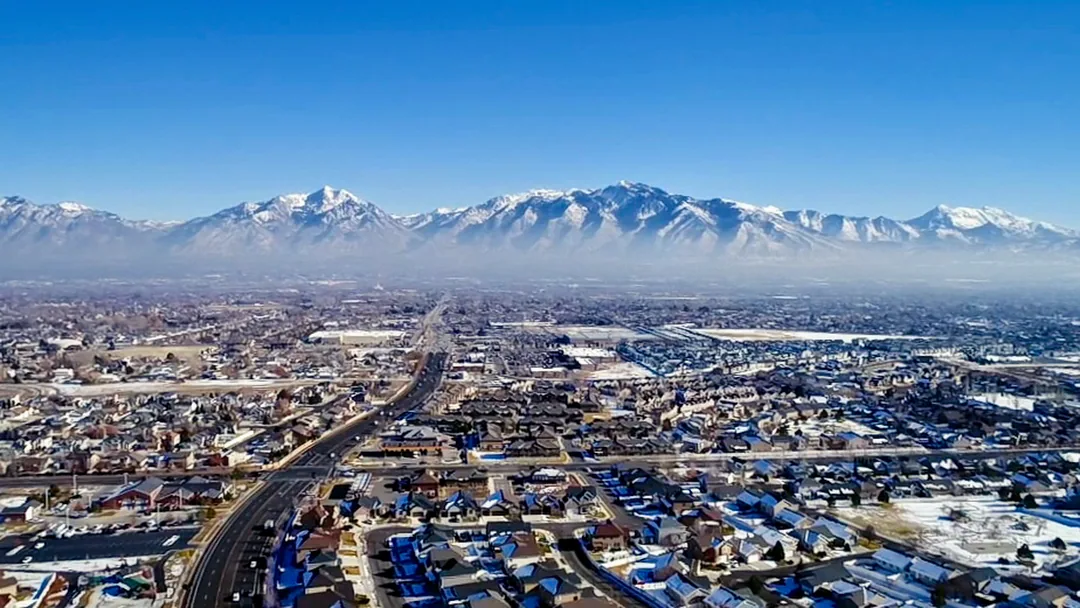
A product name does not decide whether a roof repair will bond. We inspect the existing membrane, seams, flashings, and substrate, then identify the material that can tie into sound surfaces. Manufacturer system information helps define compatible components, while field conditions set the repair boundary.
West Valley City includes industrial and distribution contexts along the northern SR-201 corridor and mixed-use development at Fairbourne Station. Those places do not imply one standard roof system. We verify the system at each building, consider access and seasonal conditions, and explain whether repair, recovery, coating, or replacement is supported by the inspection.
Compare products by assembly and detail
Single-ply systems use sheet membranes and welded or adhered seams. Modified bitumen and built-up roofs use layered construction. Metal panels rely on their profile, fasteners, clips, and terminations. We work with systems associated with GAF, Carlisle SynTec, Johns Manville, and Holcim Elevate, while confirming the installed product and condition on site.
Brand identification alone is not enough. We check attachment, seam type, flashing, surface preparation, and whether the repair area has dry, stable material for a tie-in.
Verify the surface before selecting repair materials
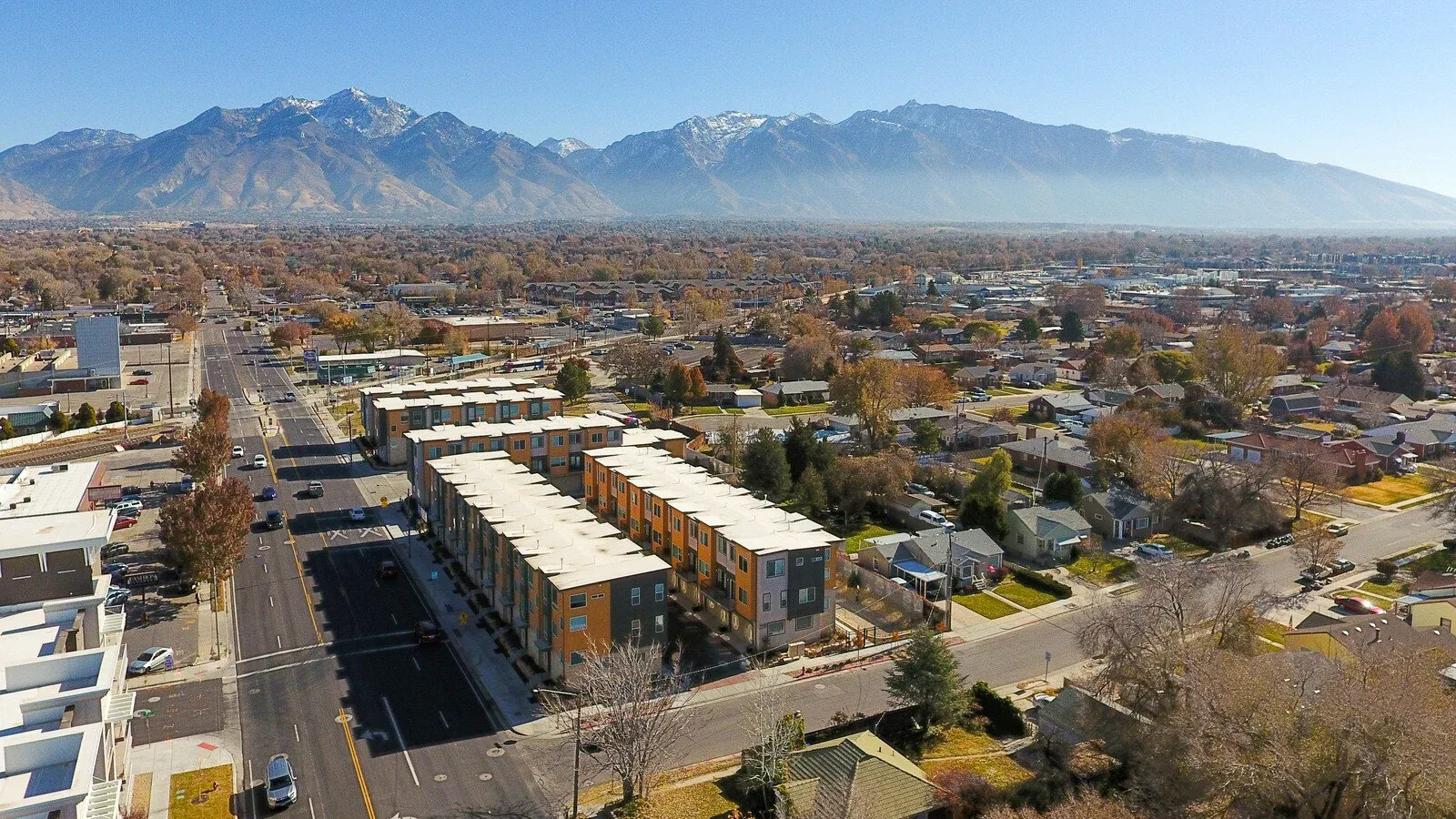
Winter monthly low normals at the Salt Lake City International Airport station fall below freezing; summer daily maxima reach 94.0°F in July and 91.7°F in August. At a building near Fairbourne Station, we check the roof surface and substrate before selecting materials. We check the actual substrate and surface before applying adhesive, sealant, or coating. A damp or unstable base can change the method and work window.
For coating or membrane work, we inspect drains and terminations before covering the field. Records may identify Sika Sarnafil or Versico. We compare those documents with the installed assembly, then name the compatible detail in the scope.
Use the inspection to set a repair path
A local seam repair may suit a small separation with dry insulation nearby. Repeated failures, loose attachment, or moisture below the membrane can support a broader section. Coating only works after preparation and detail repairs are complete. We identify what is included, what has not been opened, and what condition would change the tear-off limit.
If roof records name Soprema or Duro-Last, we check that information against visible layers and installation conditions. The owner receives a recommendation based on observed roof layers, installation conditions, and the service task required.
Keep the product and work record specific
The proposal should identify the known membrane or metal type, repair area, preparation, flashing details, and any testing still needed. If removal reveals a different layer than expected, we photograph it and review added work before extending the scope. Closeout records the material installed and the roof zone repaired, giving the next inspection a usable reference.
When a building belongs to a portfolio, product records should remain tied to its address and assembly. The facility contact can share prior invoices, warranty files, or roof plans before the inspection. We compare that information with field conditions instead of assuming a product name describes the entire roof.
Common questions
Can you repair any roof just because its manufacturer is known?
The name helps identify possible system components, but the membrane, attachment, substrate, and detail condition still need inspection. We verify the installed assembly and select compatible repair materials for the surface that remains.
How does a manufacturer's name affect a repair decision?
It can help identify a system, but the installed membrane, attachment, substrate, and detail condition still need inspection. We verify the assembly and list a compatible repair method in the scope.
How do local temperatures affect product installation?
We check actual roof and substrate conditions before installing adhesive, sealant, or coating. Airport station normals provide regional climate context; they do not replace a field check at the property.
What should be included in a system repair closeout?
The record should identify the product or assembly verified, repaired roof zone, material installed, photographs, test findings, and any work outside scope. We note when the original roof plan or invoice differed from field conditions.
Share the roof plan, product or warranty record if available, leak location, and access window. We will verify the assembly, inspect its details, and set a repair or replacement scope around confirmed conditions.
Request a Roof Assessment