Johns Manville Commercial Roofing in West Valley City, UT

Review Johns Manville membrane and multi-ply roof conditions in West Valley City before selecting seam repairs, a recover, or replacement.

Confirm the JM roof assembly

A blister near a Johns Manville roof drain can come from a local bond issue or trapped moisture below the membrane. We check the surface, drain connection, insulation, and deck before deciding whether to cut, patch, or widen the work. In West Valley City, UT, a property in the business-park mix may combine office and light-industrial activity. The roof plan has to account for that use while the test area establishes the repair boundary.

Johns Manville offers commercial TPO, PVC, EPDM, SBS and APP modified bitumen, built-up roofing, and liquid-applied products. These assemblies do not share one repair method. We identify the installed material, its attachment, and earlier repairs before bringing a product to the roof. A membrane patch cannot correct a wet core or a loose deck. Those conditions have to be priced as separate work once testing confirms them.

JM TPO uses a reinforced thermoplastic sheet with heat-welded seams. JM also makes PVC and EPDM membranes, along with multi-ply SBS and APP products. A roof record, membrane marking, and exposed edge help identify what is installed. When they do not agree, we inspect a small area and test compatibility. That step avoids applying a solvent, adhesive, or weld process to a surface that cannot accept it.

Existing layers also shape the repair. An older coating, patch, or added cap sheet may cover the original system. We map the layers at edges and prior openings, then decide whether a selected test cut will settle the question. A Carlisle single-ply option or GAF thermoplastic assembly can be compared only after the current roof and building requirements are understood. Brand selection comes after the base, drainage, and transitions are checked.

Johns Manville Commercial Roofing

Trace the leak through seams and flashings

Johns Manville Commercial Roofing

At a JM TPO or PVC lap, we probe the weld after it cools and look for skipped areas, contamination, or a narrow bond. A sound seam should not peel back under a gentle probe. For EPDM, the splice may depend on tape or adhesive and clean, properly primed contact. A failed edge at one location may stay local; continuing separation or brittle sheet calls for a broader review before pricing a longer repair.

Penetrations and walls often require more than covering the wet spot. We remove failed flashing to a stable substrate, check the height and support, and rebuild the transition with materials compatible with the field sheet. A complicated pipe group may suit a curb and equipment detail review, while a lap split can be priced under seam failure repair. We record the original defect and finished edge before the area returns to service.

Use test cuts to settle hidden-layer questions

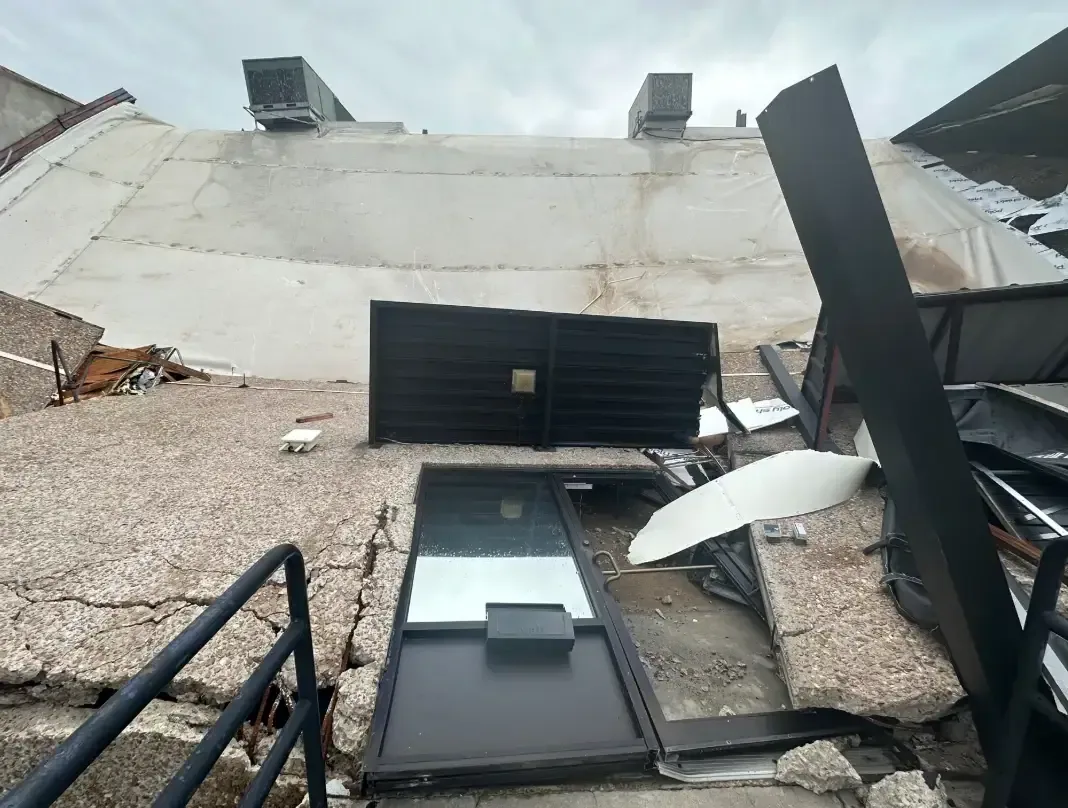
A roof can look firm while cover board or insulation has lost strength underneath. We walk the suspect area and check for deflection, soft spots, depressions, and movement around equipment. A test cut shows the layers at that point and whether water has traveled below the surface. We choose each opening to answer a defined scope question, then mark its location and repair it within the approved work.

JM lists adhered, mechanically fastened, and self-adhered configurations for some membrane families, alongside multiple insulation and cover-board components. The right assembly still depends on the deck, design, and existing conditions. We verify what can be seen and review drawings before proposing new attachment. A cover-board correction can be separate from the membrane repair. Where repeated leaks or wet cores extend past isolated test points, we compare the confirmed quantities with replacement work.

Johns Manville Commercial Roofing

Correct drainage and perimeter details together

A drain with a loose clamping ring can leak below the membrane even when the nearby field weld is intact. We clear the bowl, check the sump, and inspect the membrane termination and insulation around the opening. A raised low point can hold water against an otherwise repairable seam. We show the drain connection, slope, and membrane as separate conditions so a patch is not expected to correct all three.

At parapets and roof edges, we check termination bars, coping joints, metal fasteners, and the substrate. A loose coping cap may let movement reopen a flashing repair. We extend the work to a stable connection and identify any metal replacement needed. We list drain corrections and coping work separately. The estimate will distinguish membrane quantities from metal and drainage quantities rather than blending them together.

Set timing against actual roof conditions

In the airport station's winter normal, January has 20.6 days with minimums no higher than 32°F, and December has 7.9. We check actual roof surface conditions, dryness, and installation limits before applying adhesive, primer, or flashing material. A cold surface can change the sequence and bond time.

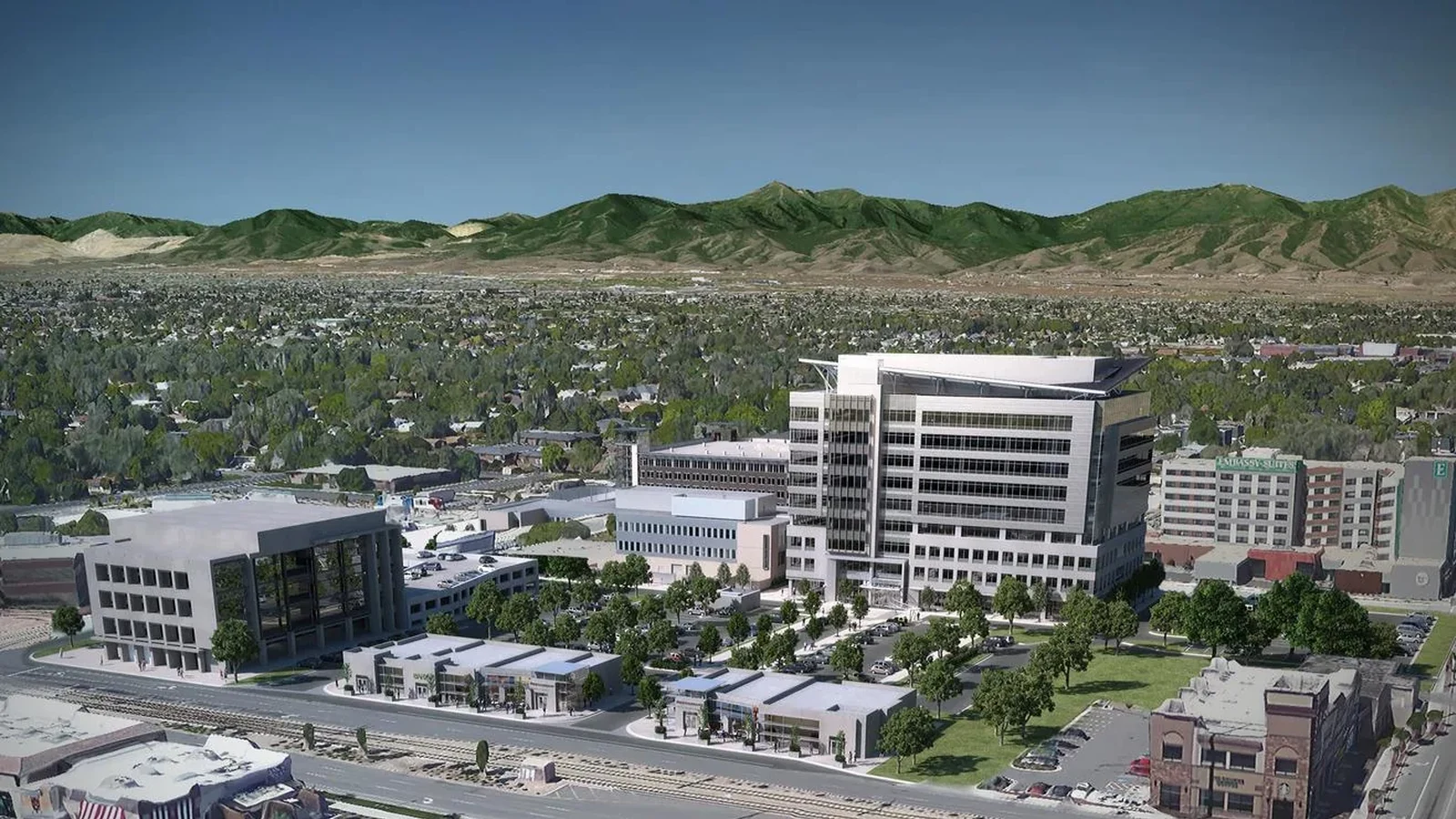
West Valley City business parks are planned as groupings of offices, light-industrial facilities, research centers, and support services. We coordinate material drops and lift access with the building contact, then set a dry-in line for the roof section. Near the SR-201 industrial corridor, freight access may shape lift routing. In the Fairbourne Station area, the property contact identifies access paths that need protection. We set the schedule from the conditions at the site.

The northern SR-201 corridor includes trucking and distribution facilities, and SR-201, Bangerter Highway, and I-215 serve industrial access. For a roof project there, we confirm delivery traffic and loading windows before staging. A smaller day section can add mobilization time but limit the amount of roof open at once. We state that tradeoff before selecting the sequence, not after materials arrive.

Price the known work and record the rest

JM roof repair cost changes with the membrane type, seam length, flashing count, insulation removal, access, and how much metal or drain work is required. We measure each confirmed area and list test locations separately. If moisture is found, we record its direction and test for a sound limit. Any area beyond the approved opening stays unpriced until the owner decides to extend the work.

When repeated repairs begin to overlap, compare their combined limits with restoration or replacement. We look at the field sheet, transitions, attachment, drainage, and substrate instead of relying on the manufacturer name alone. A roof condition record can organize observations by section before capital approval. Closeout photos show the repair, materials added, test openings, and unresolved areas. That file gives maintenance staff a reliable starting point for the next inspection.

Johns Manville Commercial Roofing

Common questions

Can Johns Manville TPO and PVC use the same repair method?

Both are thermoplastic sheets, but the installed membrane and compatible accessories still need to be identified. We inspect markings and test a prepared area before welding or adding flashing. A prior coating or patch can affect the result. The proposal names the confirmed material and keeps an uncertain tie-in outside the repair quantity until verified.

What should be checked before recovering a JM roof?

We review the layers, moisture, attachment, deck, drainage, and height at curbs and walls. A selected cut can confirm the assembly where records are incomplete. Wet insulation, loose material, or inadequate flashing height can rule out a recover in that area. We define which sections support another layer and which need removal or further testing.

How do wet insulation and a roof membrane affect each other?

Wet insulation can lose support and spread damage beyond the visible stain. We take test cuts at locations chosen to determine its extent and mark each result. Dry, stable material may remain if other details are sound. When moisture continues outward, removal follows a verified boundary and the added work is approved before we enlarge the opening.

What sets the schedule for JM roof repairs in winter?

Surface temperature, moisture, wind, product instructions, and the dry-in limit determine whether the selected repair can proceed. The airport station normal counts 20.6 January days and 7.9 December days when minimum temperatures remain at or below 32 degrees Fahrenheit. We check actual conditions and coordinate access with loading or occupied entries. If the roof will not support proper preparation, we secure the area and reset the work window.

Confirm the JM roof assembly

ServicesRoof SystemsIndustriesProperty TypesService AreasDamage RepairCapabilitiesManufacturersContactAboutRequest a Roof Assessment555-555-5555
Call555-555-5555