GAF Commercial Roofing in West Valley City, UT

Review GAF single-ply roof options, seam repairs, insulation, and drainage in West Valley City before choosing a repair or replacement scope.

Set the GAF repair boundary

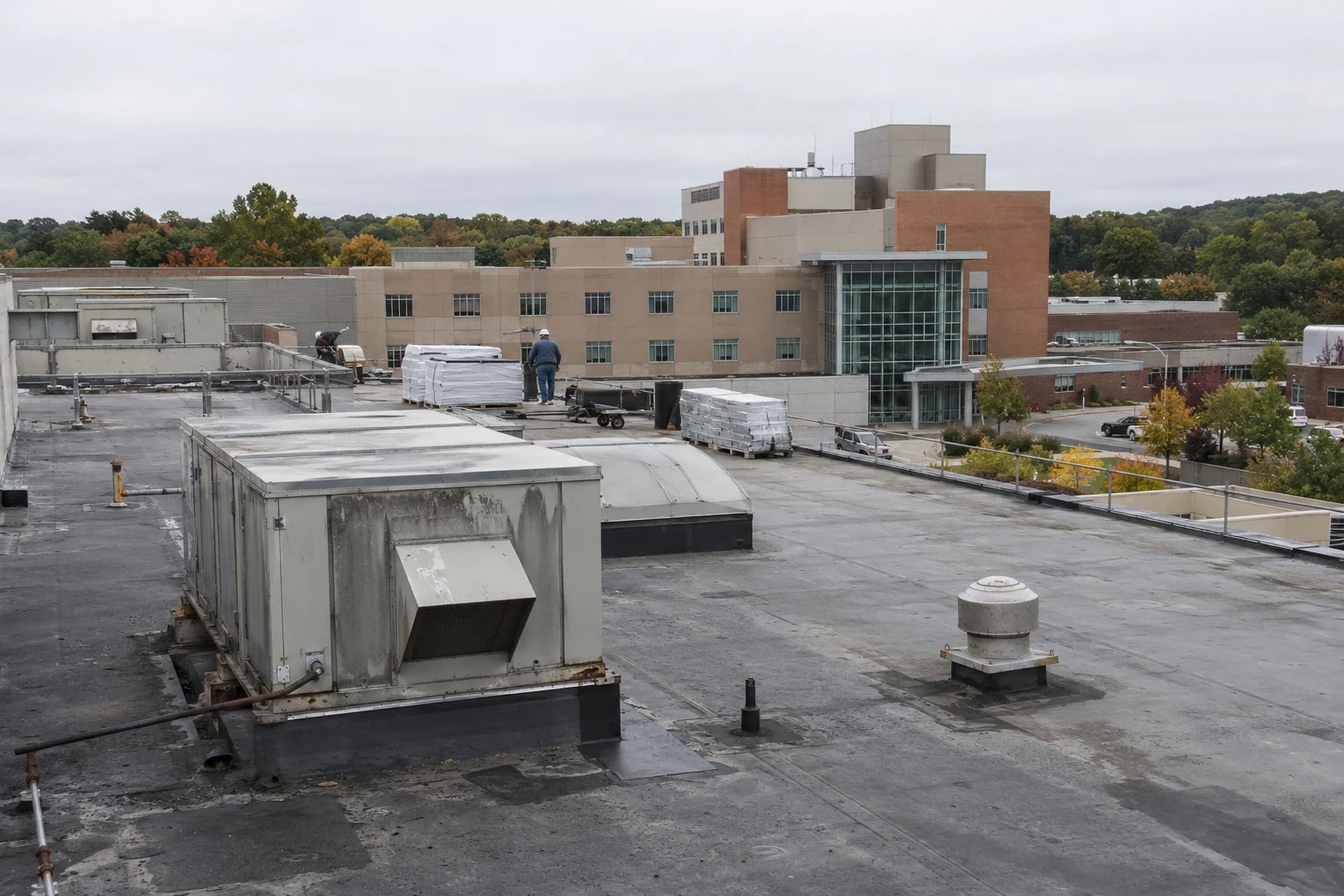
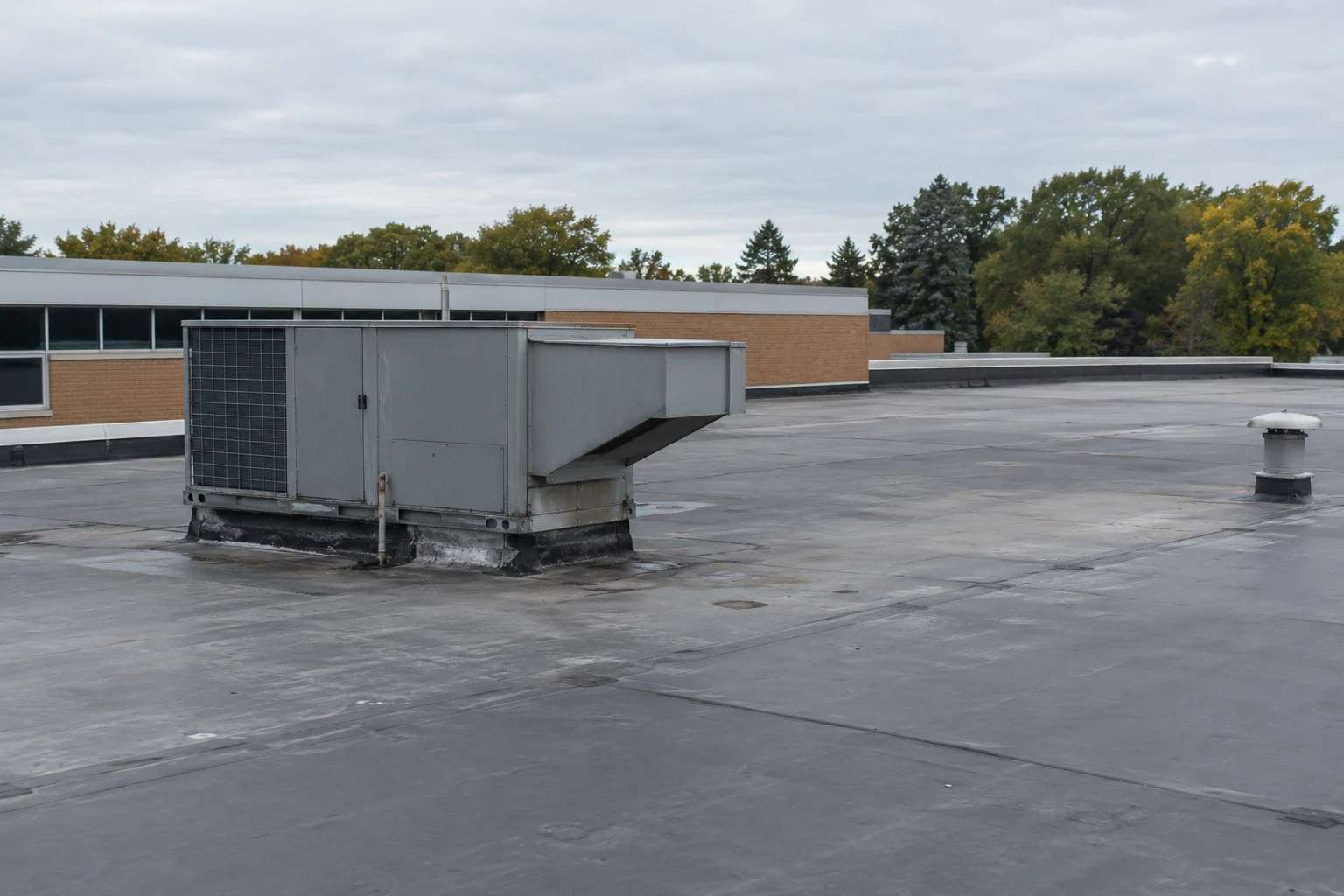
A lifted weld beside a rooftop unit can stop at one flashing or point to movement across a larger GAF membrane field. We inspect the seam, sheet, curb, and insulation before we set a repair line. In West Valley City, UT, the access plan at a distribution building near SR-201 may need to fit around freight activity; a roof serving offices at Fairbourne Station can have different entry and tenant limits. We price what testing confirms, then mark what remains unopened.

GAF commercial single-ply systems include TPO and PVC membranes, with reinforced and fleece-backed options among the available constructions. The assembly is more than a sheet: attachment, insulation, deck, perimeter, penetrations, and drainage have to work together. Our work is to identify the installed materials, repair compatible details, and compare a local fix with broader work when the roof condition calls for it. The product label alone does not decide the scope.
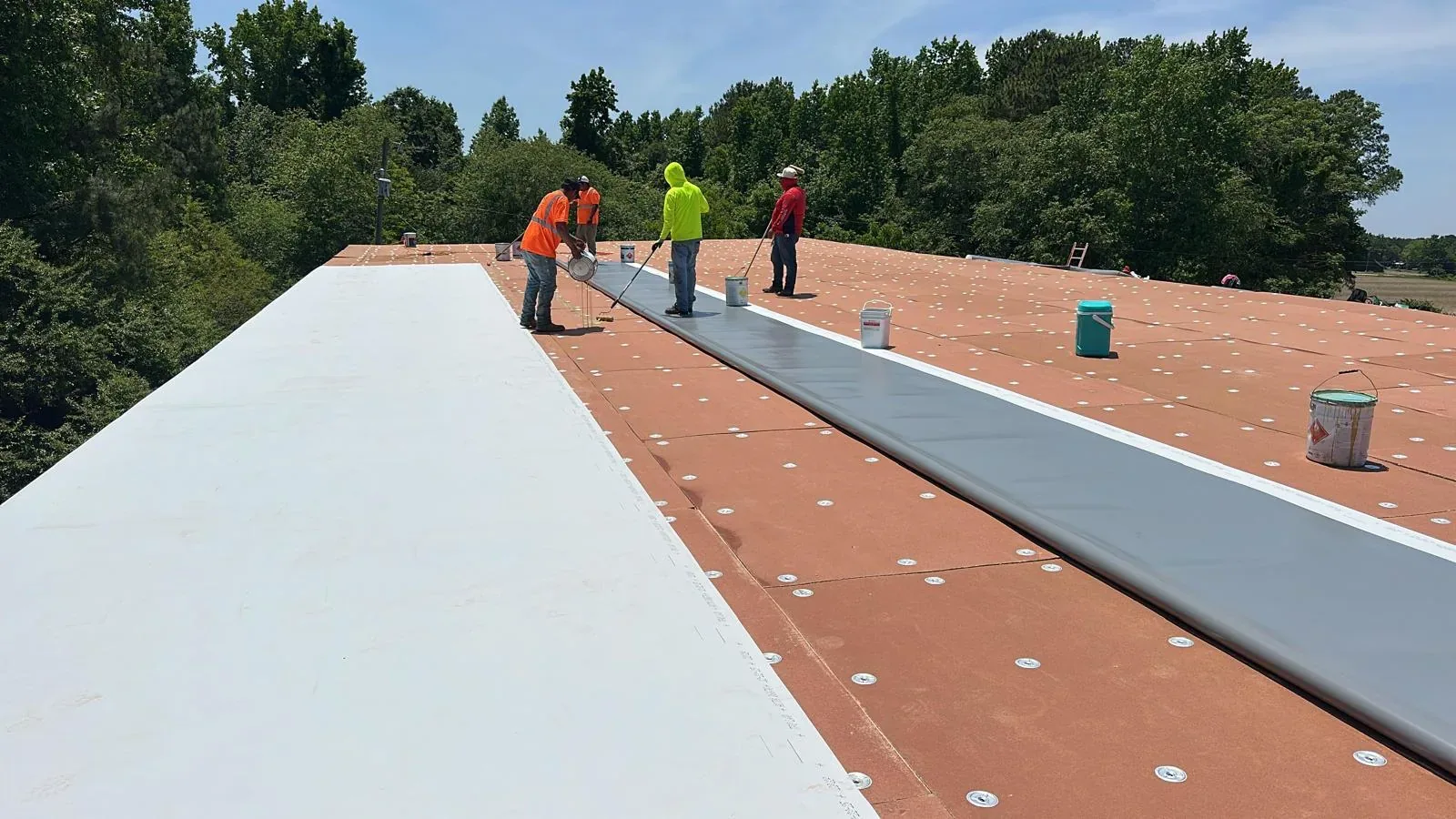
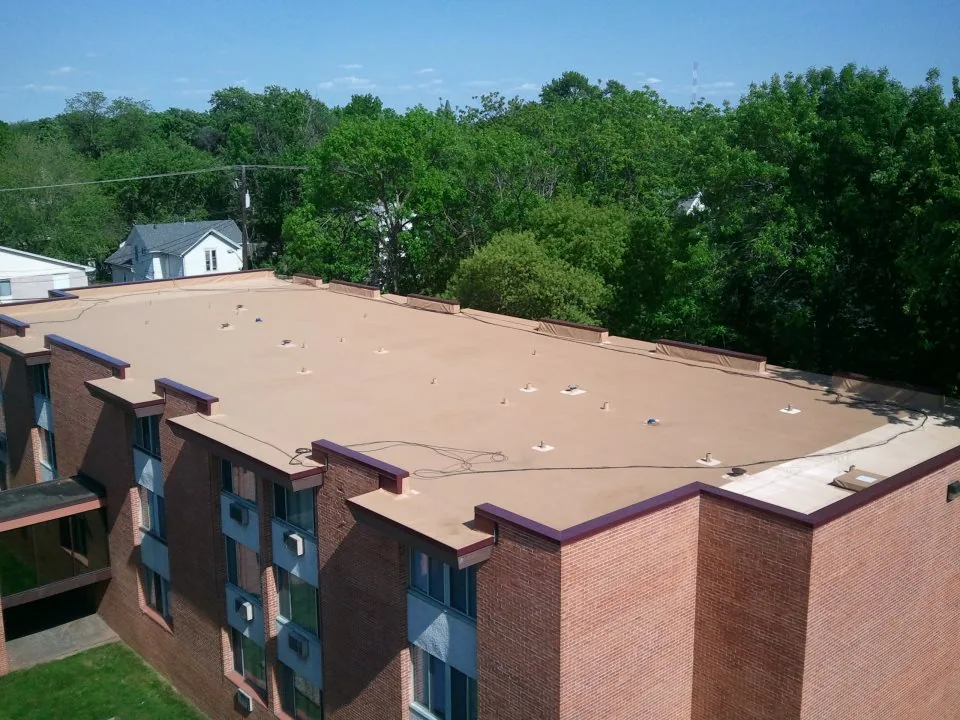
A TPO field and a PVC field may look similar from a hatch, yet their chemistry and repair requirements differ. We identify the membrane from markings, records, and a small inspection area before selecting cleaning and welding steps. TPO is common on commercial low-slope roofs; PVC can be selected where grease or certain chemical exposure changes the design question. We confirm the actual exposure with the building contact instead of assuming the use from its address.

GAF offers EverGuard TPO and PVC membrane families, including KEE PVC variants. Product names matter only after we confirm the existing system and the proposed material. A transition between unlike sheets needs a compatible detail, not a casual overlap. We inspect the tie-in, fastening pattern, and termination before suggesting a patch or new section. For an alternate manufacturer’s TPO approach, compare Carlisle system options with Soprema roof assemblies where design and building use support that review.

GAF Commercial Roofing

Test the weld before extending it

GAF Commercial Roofing

A dark line at a lap is not enough to price a long seam repair. We probe the cooled weld, check for dirt or old adhesive, and make a test weld on prepared material when needed. If the opening is short and the surrounding membrane remains sound, we can keep the repair local. A brittle edge, repeated release, or movement under the sheet moves the scope toward a test cut and a larger boundary.

Heat, pressure, speed, and surface preparation all affect a thermoplastic weld. We remove contamination without damaging the sheet, set the equipment for the material and conditions, and probe the completed seam after it cools. T-joints, corners, and patches need close attention because extra layers can create a change in thickness. When the failure is isolated to a lap, our seam repair scope records the open edge, prepared length, and final weld for the building file.

Open the assembly only to answer a question

A dry-looking membrane can cover wet insulation or a loose attachment pattern. We check for soft spots, movement, deck deflection, and changes around drains and curbs. A test cut is useful when it answers a decision: whether insulation is dry, which layers are present, or how far a repair should extend. We mark each opening and replace the removed material as the scope allows. No untested area is counted as confirmed damage.

GAF single-ply systems can be installed using different attachment approaches, including mechanical fastening and adhered assemblies. The deck, wind design, insulation layout, and existing layers influence that choice. We review available drawings and inspect exposed edges before pricing a replacement. If wet board or damaged deck appears, we measure the verified area separately. A cover board and insulation scope can be compared with a surface repair, while a full replacement needs its own tear-off and dry-in limits.

GAF Commercial Roofing

Trace water through drains and edges

Water that remains near a drain can keep a repaired membrane wet and hide whether the weld is holding. We clear the bowl, inspect the sump and nearby seams, then check the surrounding slope for a depression or settled area. A blocked outlet, uneven support, or inadequate drainage needs a different correction than a failed field lap. The proposal separates membrane work from any drain or slope change so the owner can compare the actual choices.

At walls and parapets, we inspect flashing height, termination bars, corners, coping, and edge metal for looseness. A sheet that stops at a moving metal edge may need the whole transition rebuilt. We follow the attachment to a stable point and note any substrate that cannot be verified from the surface. If the roof remains compatible and dry, a recover option may be worth evaluating after layer count, drainage, and curb height are checked. We do not treat a coating as a substitute for failed flashing.

Set the work window around the building

West Valley City identifies trucking and distribution along northern SR-201, with Bangerter Highway and I-215 serving the industrial area. At the northern SR-201 corridor, freight movement can affect lift placement and deliveries. We coordinate access and set a daily dry-in line before opening membrane.

Fairbourne’s city plan pairs civic and commercial uses with offices, lodging, and multifamily housing. A building there may require separate coordination for residents, storefronts, public entries, and rooftop equipment. We confirm active paths and noise limits. Salt Lake City airport station normals show a 94-degree July daily high and below-freezing monthly minimums in January and December. We check roof surface conditions before welding.

Compare repair limits before pricing

Cost changes with weld length, flashing count, preparation, insulation removal, edge work, and access. A short lap repair on a dry field is different from replacing wet board under a curb or rebuilding a perimeter. We map quantities to the condition we can see and identify any unresolved area that requires approval to open. That keeps a repair price from quietly absorbing a larger tear-off that has not been verified.

When leaks recur across several details, broad shrinkage appears, or moisture continues between test locations, compare repair with replacement. Our commercial roof inspection can document the assembly and unresolved questions before that decision. For a planned capital review, condition reporting organizes roof sections, photos, and priorities. We state what the GAF work includes, what it excludes, and what finding would change the scope. The owner can then set a decision date with the same boundaries in view.

Closeout photos identify the repaired seam, curb, drain, or perimeter. We note materials installed, test cuts, insulation replacements, and any inaccessible section. The record distinguishes observed conditions from assumptions and gives the next service visit a clear repair location.

GAF Commercial Roofing

Common questions

How do you confirm which GAF membrane is on the roof?

We check membrane markings, records, and exposed edges, then confirm the material in a test area if needed. That identification sets the cleaning, welding, and tie-in method. If records and roof conditions differ, we name what we observed and leave any unverified transition outside the confirmed scope.

Can a separated GAF weld be repaired without replacing the field?

A short split may be repairable if the sheet remains flexible and the base is sound. We trace the bond, prepare the membrane, and test a weld. Nearby release or moisture below calls for a larger test area and separate pricing. The boundary follows the evidence.

What can change the price of a GAF roof repair?

Weld length, corners, flashing removal, access, wet insulation, and damaged deck change the work. We open selected areas only when testing resolves a scope question. A stable base may keep the repair small; unsound layers require added quantities and approval.

When should an owner compare repair with a new GAF system?

Repeated leaks, broad seam release, brittle sheet, or moisture across test points can justify a replacement comparison. We inspect drainage, edges, attachment, and insulation first. Confirmed corrections stay separate from concealed conditions.

Set the GAF repair boundary

ServicesRoof SystemsIndustriesProperty TypesService AreasDamage RepairCapabilitiesManufacturersContactAboutRequest a Roof Assessment555-555-5555
Call555-555-5555