Carlisle SynTec Roofing in West Valley City, UT

Compare Carlisle membrane repairs and roof assembly choices in West Valley City, with attention to seams, substrate, drainage, and building access.

Inspect the Carlisle roof before setting scope

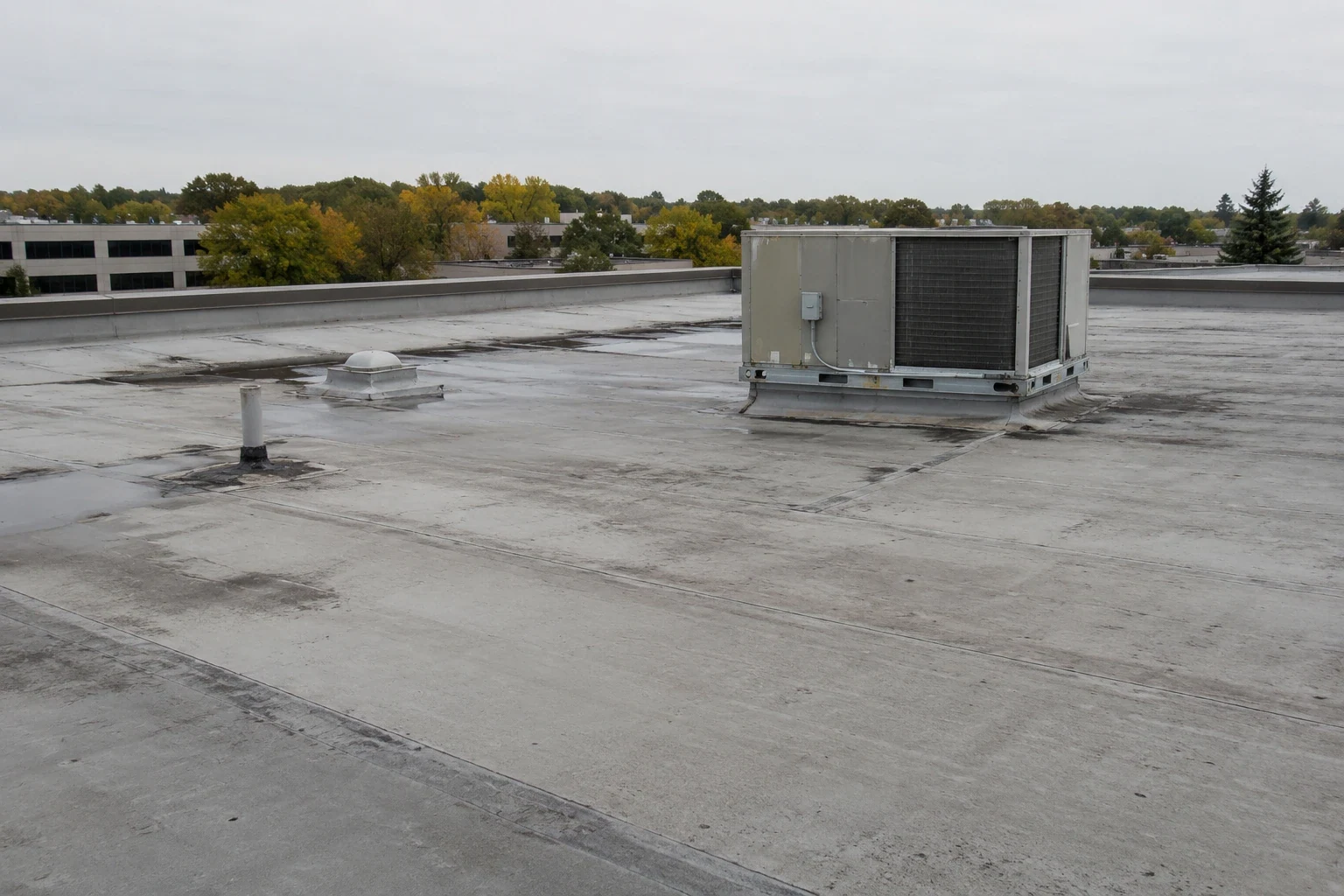
A loose strip at a Carlisle roof edge can be a local termination failure or the first visible sign of sheet movement. We check the fastening, lap, flashing, and substrate before deciding where the repair ends. In West Valley City, UT, a roof near Fairbourne Station may need an access plan that keeps office, hotel, or retail entries moving; a logistics building near SR-201 can require delivery coordination. The roof detail sets the repair; the operation sets the work window.

Carlisle SynTec makes several low-slope membrane families, including Sure-Seal EPDM, Sure-Weld TPO, Sure-Flex PVC, and FleeceBACK systems. Those names cover different sheet materials and assemblies. We identify the one already installed before ordering repair material or recommending a tie-in. Membrane chemistry, attachment, insulation, and edge details all affect the result. A product name alone does not establish whether a roof can be recovered or whether wet material must come out.
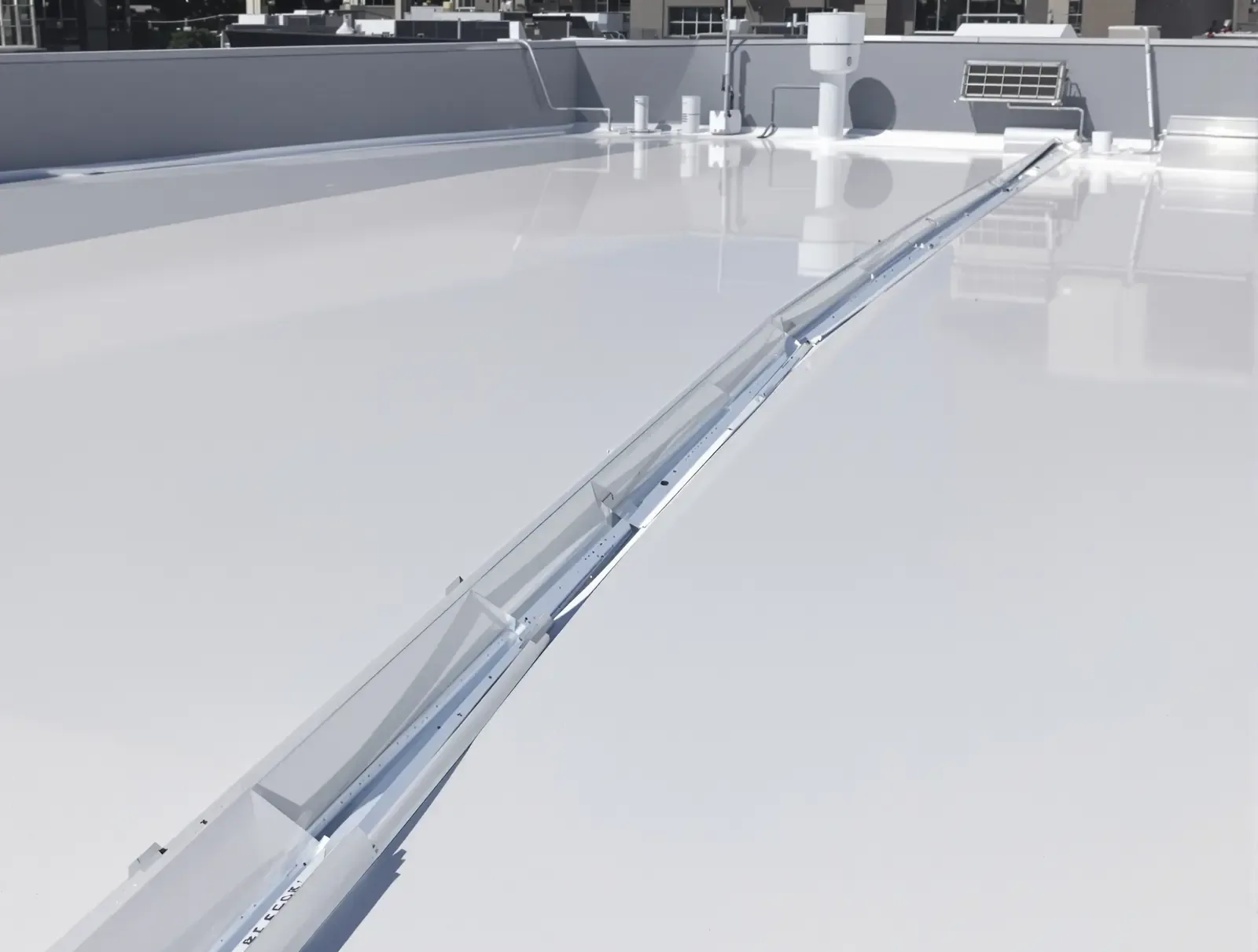
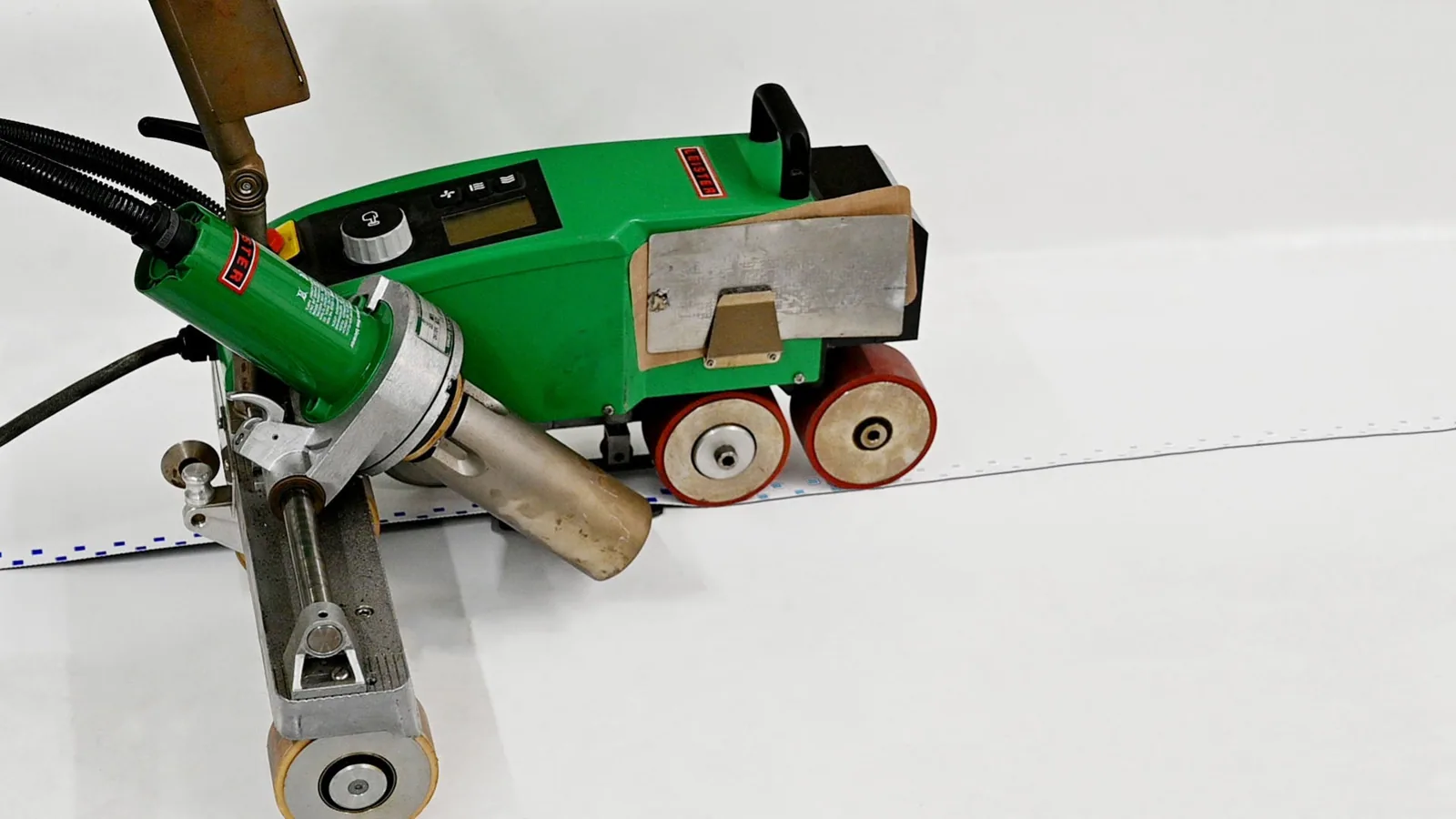
A faded field sheet may not show its age or membrane family at a glance. We look for markings, inspect a cut edge if permitted, and compare the visible attachment with available project records. A black rubber sheet, white thermoplastic, and fleece-backed membrane do not use the same repair preparation. Where identification remains uncertain, we test a small area before setting the materials and labor for a larger repair.

Sure-Seal EPDM, Sure-Weld TPO, and Sure-Flex PVC each call for compatible cleaners, adhesives, primers, or heat-weld procedures. Fleece-backed options add a fabric layer that changes how the sheet connects to the assembly. We check existing patches and coatings because old work may hide the original surface. A replacement comparison can include Johns Manville assemblies or Versico membrane options only after the building conditions are defined. We do not assume unlike systems can be joined directly.

Carlisle SynTec Roofing

Prepare the repair surface before bonding

Carlisle SynTec Roofing

An EPDM lap with dust beneath tape or a TPO weld with contamination can release again even when the visible defect looks small. We clean and prepare only the material that will receive the repair, then confirm the edge is dry and stable. For thermoplastic sheet, a test weld shows whether the membrane can fuse. For rubber membrane, we confirm the compatible primer or adhesive and roll the splice to full contact.

At corners, curbs, and pipe penetrations, a patch must bridge the detail without leaving a loose pocket. We remove failed flashing to the sound boundary, check the substrate, and rebuild the transition with compatible components. A flashing repair may need metal or backing work outside the membrane patch. We photograph the opening and finished lap for the maintenance file.

Check the layers under the membrane

A Carlisle membrane can remain intact above insulation that has softened, shifted, or taken on moisture. We inspect near the leak, at drains, and around equipment bases for movement or a change in support. A test cut should answer a specific question: what layers are present, whether the core is dry, or how far the repair boundary needs to move. We mark each opening and report the layers found before proposing wider removal.

The next assembly depends on the deck and existing attachment. Mechanically fastened, adhered, or ballasted construction carries different preparation and access needs. We review the visible pattern and available records, then open a selected area if the choice cannot be confirmed from the surface. When the base is dry and secure, a recover comparison may be possible after drainage and curb height are checked. If moisture or loose board is confirmed, we price that removal separately from roof replacement.

Carlisle SynTec Roofing

Keep the water path in the plan

A repair beside a drain bowl will not fix a depression that holds water against the seam. We clear the outlet and inspect the sump, slope, and nearby membrane for settled insulation or a blocked path. A drain detail may need a new clamp ring, flashing, or bowl connection. We mark those pieces independently from the field repair. The owner can then see whether the membrane or the drainage condition drives the leak and the added work.

Perimeter transitions need the same close review. We check coping, terminations, corners, and fasteners for corrosion or movement, then follow the sheet to a stable boundary. If the edge metal has lifted, replacing only the exposed membrane can leave the cause in place. Drain, scupper, and edge-metal corrections can be priced beside the Carlisle membrane work. We keep the repair limit visible rather than spreading an allowance across untested edges.

Coordinate roof work with site movement

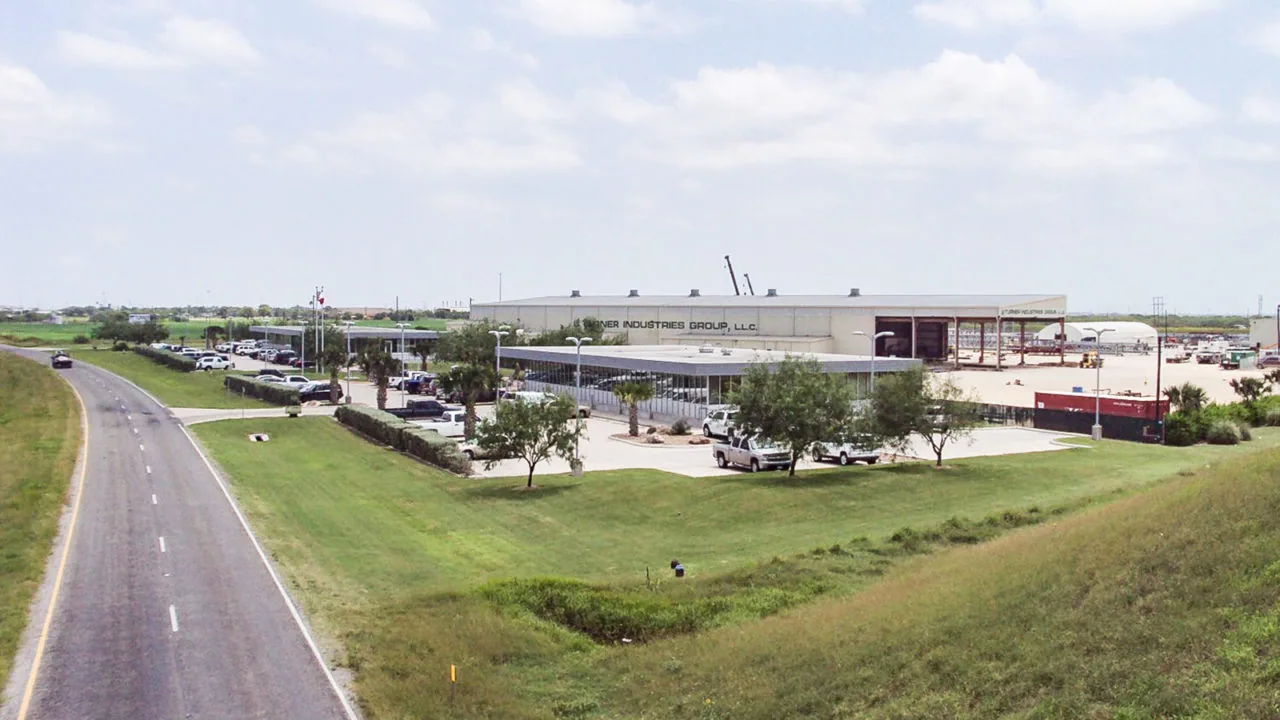
West Valley City identifies trucking and distribution activity along the northern SR-201 corridor, with Bangerter Highway and I-215 providing routes into industrial areas. Those connections can bring steady vehicle activity near a jobsite. We confirm where a lift can stand, how material reaches the roof, and which loading paths must stay open. The access sequence matters when a larger section needs removal and a weather-tight close at the end of each shift.

Fairbourne Station combines civic, retail, office, hotel, and multifamily uses in its planned district. That mix can mean shared sidewalks, building entries, and rooftop service zones are active while repairs proceed. We coordinate staging, noise, and protected routes with the site contact. At Salt Lake City International Airport, the 1991 to 2020 snowfall normal totals 51.9 inches annually, with a 12.70-inch January mean. We check roof conditions and safe access before scheduling membrane work.

For a larger Carlisle project, work sequencing can also depend on how much membrane can be removed without exceeding the dry-in capacity. We set a section size, confirm material delivery, and agree on a stop point before the crew opens the roof. A Fairbourne Station property and a northern corridor building may need different access limits even when the membrane repair is similar.

Compare repair with replacement on known limits

Repair cost follows the amount of surface preparation, lap length, detail count, insulation replacement, metal work, and roof access. We list confirmed quantities and flag any area that still needs a test. If the sheet is sound around one curb, the scope can stay focused. If multiple laps are releasing or the base is wet across several points, we compare repair against replacement using the same documented areas.

A useful roof file gives the owner a place-by-place record of what changed. We include photos of seams and details, note the materials installed, and identify any area not inspected. A condition report can organize follow-up on a larger property before capital work is priced. We state the repair boundary, dry-in limit, and unresolved condition so the decision date can be tied to actual evidence.

Carlisle SynTec Roofing

Common questions

How do you identify which Carlisle membrane needs repair?

We check sheet markings, exposed edges, and available roof records, then confirm material compatibility in a test area when necessary. Sure-Seal, Sure-Weld, Sure-Flex, and FleeceBACK describe different membrane or system choices. That distinction changes the preparation and repair method. Any uncertain transition stays outside the confirmed quantity until we identify what is installed.

Can you repair a Carlisle seam without replacing the whole roof?

A local repair can work when the membrane and base remain sound around the failure. We trace the open seam, prepare the surface, and test the selected splice method. If adjoining laps release or a core is wet, the boundary expands only after those conditions are recorded. The quote separates a contained repair from additional removal that still needs approval.

What determines whether Carlisle roofing can be recovered?

Existing layers, moisture, attachment, deck condition, drainage, and flashing height have to support another assembly. We review records and inspect the roof, then make test cuts where they resolve a decision. Wet or loose material cannot be treated as a stable base. The recover option identifies which areas were confirmed and which remain concealed.

Which Carlisle repair items most often change the schedule?

Surface condition, temperature, rain, lift access, and the dry-in limit shape the sequence. A thermoplastic weld and an adhered rubber splice each need suitable preparation. Freight activity or occupied entrances can also restrict staging. We confirm the material, access route, and daily stop point before setting the roof-open area.

Inspect the Carlisle roof before setting scope

ServicesRoof SystemsIndustriesProperty TypesService AreasDamage RepairCapabilitiesManufacturersContactAboutRequest a Roof Assessment555-555-5555
Call555-555-5555