Versico Commercial Roofing in West Valley City, UT

Review Versico EPDM, TPO, PVC, and fleece-backed roof conditions in West Valley City before repair or replacement is priced, with clear scope limits.

Inspect the Versico seam and base

A loose TPO corner where a Versico sheet meets an equipment curb can expose a failed weld or movement in the fastening pattern. We probe the seam, check the curb flashing, and inspect the base before choosing a patch size. In West Valley City, UT, access at a property near SR-201 may need to work around deliveries, while Fairbourne Station buildings can have shared entries. Those limits set staging; the roof condition sets the repair.

Versico's commercial families include VersiGard EPDM, VersiWeld TPO, VersiFlex PVC and KEE HP, and VersiFleece assemblies. Each material has its own splice or weld method, and the attachment system adds another variable. We identify the installed membrane and existing layers before specifying a compatible repair. If markings are missing or prior repairs obscure the sheet, a test area can confirm what the roof will accept.
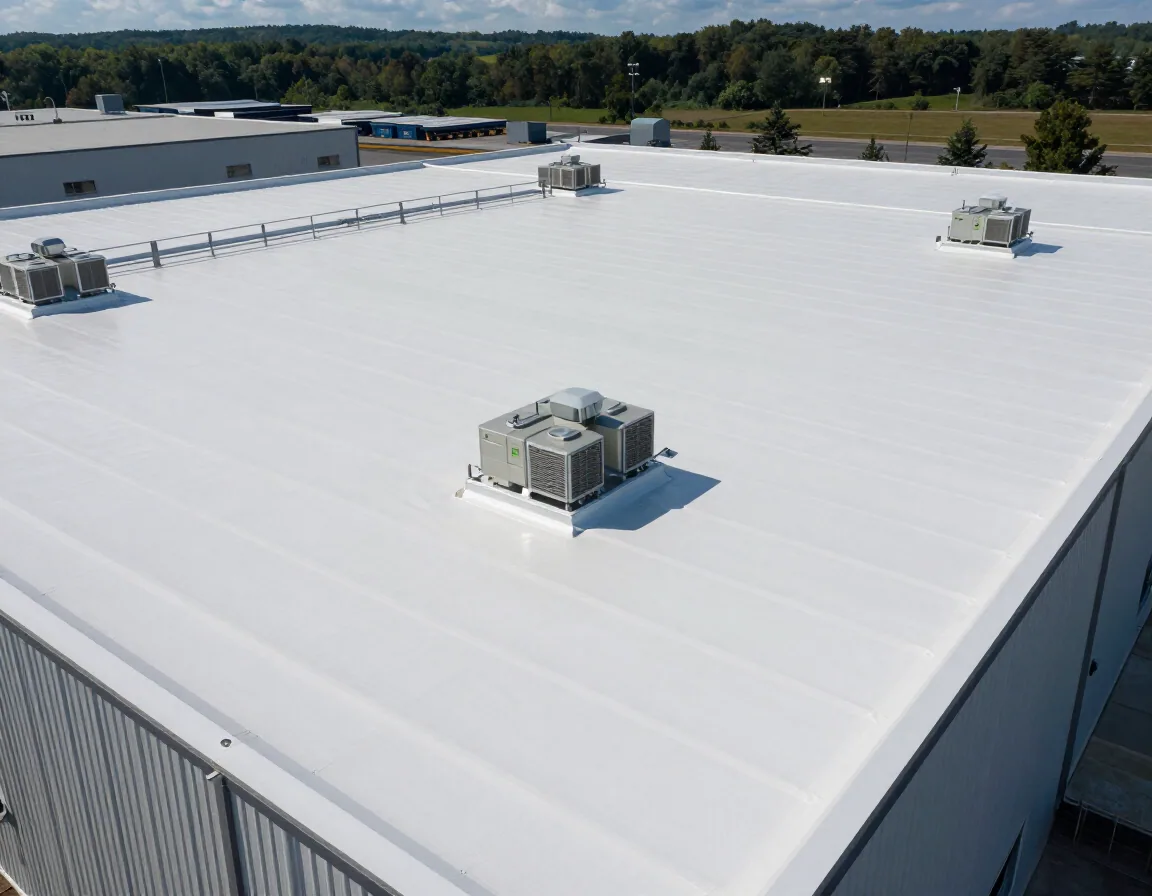
Black EPDM, thermoplastic TPO, PVC, and fleece-backed sheets can appear similar after several seasons of dirt and patching. We look for labels, exposed edges, and closeout documents, then inspect the seam construction. VersiGard EPDM uses a splice method suited to rubber membrane; VersiWeld TPO and VersiFlex PVC rely on heat-welded laps. VersiFleece products add a fleece layer that changes attachment and repair details. We do not start with a generic adhesive.

Older repairs can disguise the original sheet or join materials that were installed at different times. We remove only loose material needed to inspect, then prepare a small test zone if the repair method remains uncertain. For another system reference, compare Sika PVC options with Johns Manville single-ply systems after the substrate and building use are known. A compatible detail must connect to the field material and remain serviceable at corners and transitions.

Versico Commercial Roofing

Trace the attachment and seam

Versico Commercial Roofing

A seam can open where a sheet has shifted even if the weld was sound when installed. We inspect field laps, perimeter rows, corners, and any visible fastener pattern to find where movement begins. A short release may accept a prepared repair. If the sheet has pulled across several attachment points or adjoining seams are affected, we check for loose insulation or deck movement before setting a wider boundary.

Mechanically attached, adhered, and induction-welded options appear in Versico's system documentation. The existing approach affects both access and how a replacement section should tie in. We inspect the deck and insulation where exposed and review the available roof plan before changing attachment. A suspected lap defect can be listed with seam failure repair; wider membrane separation may need a test cut and separate pricing. The estimate marks what we verified and what still needs an opening.

Keep curbs and drains connected

A curb flashing can fail at the corner even while the field membrane remains tight. We check the wall height, inside and outside corners, termination, and the condition of the substrate behind the wrap. At drains, we clear the bowl and inspect the clamping connection, sump, and surrounding slope. If water collects because the assembly has settled, adding another sheet at the seam will not correct the low point. We list the drainage correction separately.

Transitions also include parapets, expansion joints, scuppers, and metal edges. Movement, corrosion, or a loose termination can put recurring stress on a new membrane repair. We extend the work to stable material and record where the detail returns to sound attachment. Drain and perimeter-metal corrections can be priced with the Versico sheet when inspection supports them. We do not hide metal or drainage quantities inside a membrane allowance.

Versico Commercial Roofing

Test the base before adding another layer

Soft insulation, a wet core, or a flexible deck can change the repair from surface work to removal. We walk the suspect area, look for deflection and crushed board, and choose a cut where the result will change the scope. Each opening is marked and photographed. If the core is dry and the deck remains sound, the membrane repair may stay contained. If moisture runs beneath nearby sheets, we map its limit before pricing replacement material.

A recover requires a stable base, acceptable layer count, working drainage, and enough height at curbs and walls. We inspect these points before adding cover board or another membrane. A cover-board installation can be separated from the field sheet, while recover work needs its own transition and edge plan. Where repeated failures or widespread wet areas are confirmed, replacement may provide a clearer boundary than continued patches.

Set a workable rooftop window

The city's transportation plan describes trucking and distribution along the northern SR-201 corridor and identifies Bangerter Highway and I-215 as access routes to industrial properties. A service call near those operations may need lift positioning and delivery timing coordinated with loading traffic. We agree on the material path, protected ground area, and the amount of membrane that can be opened and secured in one shift.

Fairbourne Station includes civic, retail, office, hotel, and multifamily uses. That combination can mean shared pedestrian paths and building entries stay active while a repair is underway. We confirm where work noise is acceptable and how roof access is controlled. The Salt Lake City International Airport station records a 1991-2020 normal of 15.52 inches of annual precipitation. Before the selected preparation and repair, we check that the roof surface is dry.

We make the day plan around both access and the membrane's installation needs. A northern SR-201 property can have freight constraints, while a Fairbourne building may need protected entry routes. We confirm the dry-in line and close-of-day protection before loading the roof with materials.

Compare the confirmed repair with replacement

Versico repair pricing reflects seam length, detail count, surface preparation, access equipment, insulation removal, and any perimeter or drain work. We show each confirmed area and separate any test that has not been approved. If a single lap is open above a dry, secure base, the scope can remain focused. If multiple seams move or test cuts find wet material, we compare the expanded repair with replacement on the same measured areas.

Closeout records the membrane family where it was identified, the completed splice or weld, and any insulation or metal replaced. We photograph test cuts and note inaccessible portions. The owner can use that record to plan a later visit and compare changes. For a larger roof, condition reporting can arrange photos by section. We state what was corrected and what remains unconfirmed, so the final file does not imply a full survey beyond the work area.

Versico Commercial Roofing

Common questions

Which Versico membrane is on my roof?

We check markings, roof records, exposed edges, and attachment details to identify the sheet. VersiGard is EPDM, VersiWeld is TPO, and VersiFlex covers PVC and KEE HP options. Fleece-backed systems add a fabric layer. When repairs obscure those clues, we prepare a small test area before selecting materials or pricing a larger tie-in.

Can an open VersiWeld seam be fixed with a patch?

A short release can be repairable if surrounding TPO remains cleanable and attached to a sound base. We prepare a test weld and probe the cooled edge before extending the repair. If adjacent seams are lifting or the insulation moves, we inspect below the sheet and reset the boundary. Any added removal is priced after the condition is confirmed.

What decides whether a Versico roof can be recovered?

Layer count, moisture, deck, attachment, drainage, and transition height decide whether a new assembly can go over the existing one. We inspect each condition and make test cuts where records are incomplete. A dry and secure base may support a recover. Wet board or loose attachment needs correction or removal before another membrane is considered.

Does access affect a Versico repair estimate?

Lift setup, material handling, loading routes, occupied entrances, and the dry-in line can change labor and sequence. We confirm those details before selecting the work area. The membrane repair quantity stays distinct from access coordination and any roof opening required to inspect hidden layers. The estimate names the limits that can affect final timing.

Inspect the Versico seam and base

ServicesRoof SystemsIndustriesProperty TypesService AreasDamage RepairCapabilitiesManufacturersContactAboutRequest a Roof Assessment555-555-5555
Call555-555-5555