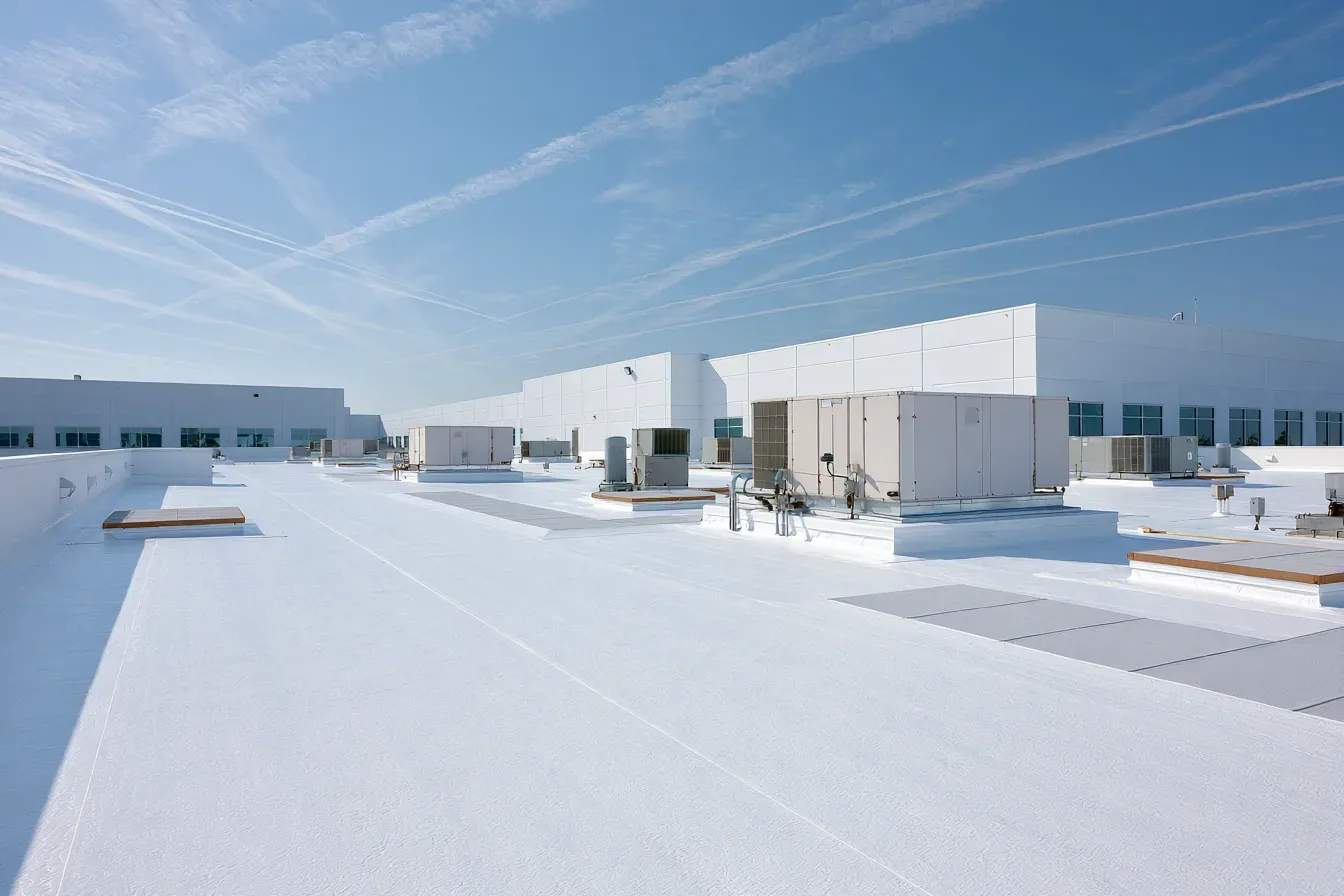
Sika Sarnafil Roofing in West Valley City, UT

Inspect Sarnafil and Sikaplan PVC roof seams, flashings, and drainage in West Valley City before repair, recover, or replacement is priced.

Check the Sarnafil seam and substrate

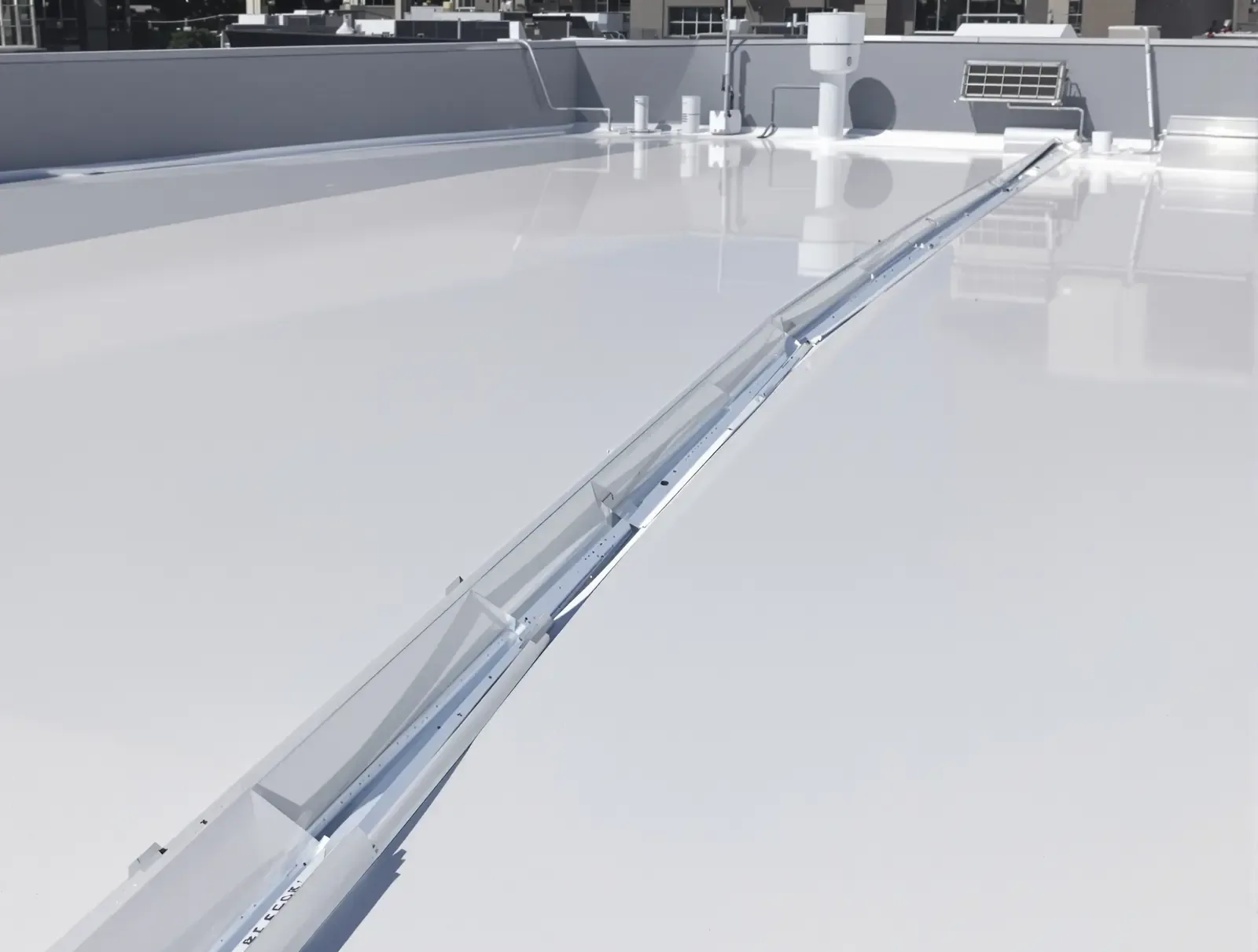
A gap beside a Sarnafil curb flashing can be a failed corner weld or a wider release along the field seam. We check how the sheet meets the curb, inspect the weld, and verify that the substrate stays firm before measuring a patch. In West Valley City, UT, the planned Fairbourne Station district includes civic, retail, office, hotel, and multifamily uses. At a property visit there, the building contact confirms actual entry and staging before we repair the PVC detail.

Sika markets Sarnafil and Sikaplan PVC roofing membranes with system options that include adhered and mechanically attached assemblies. The reinforcement and attachment method affect both the transition detail and repair approach. We identify the membrane, review closeout records, and check prior repairs before choosing a compatible flashing or weld. If the surface is unknown, a test area is a better basis for pricing than a brand assumption.
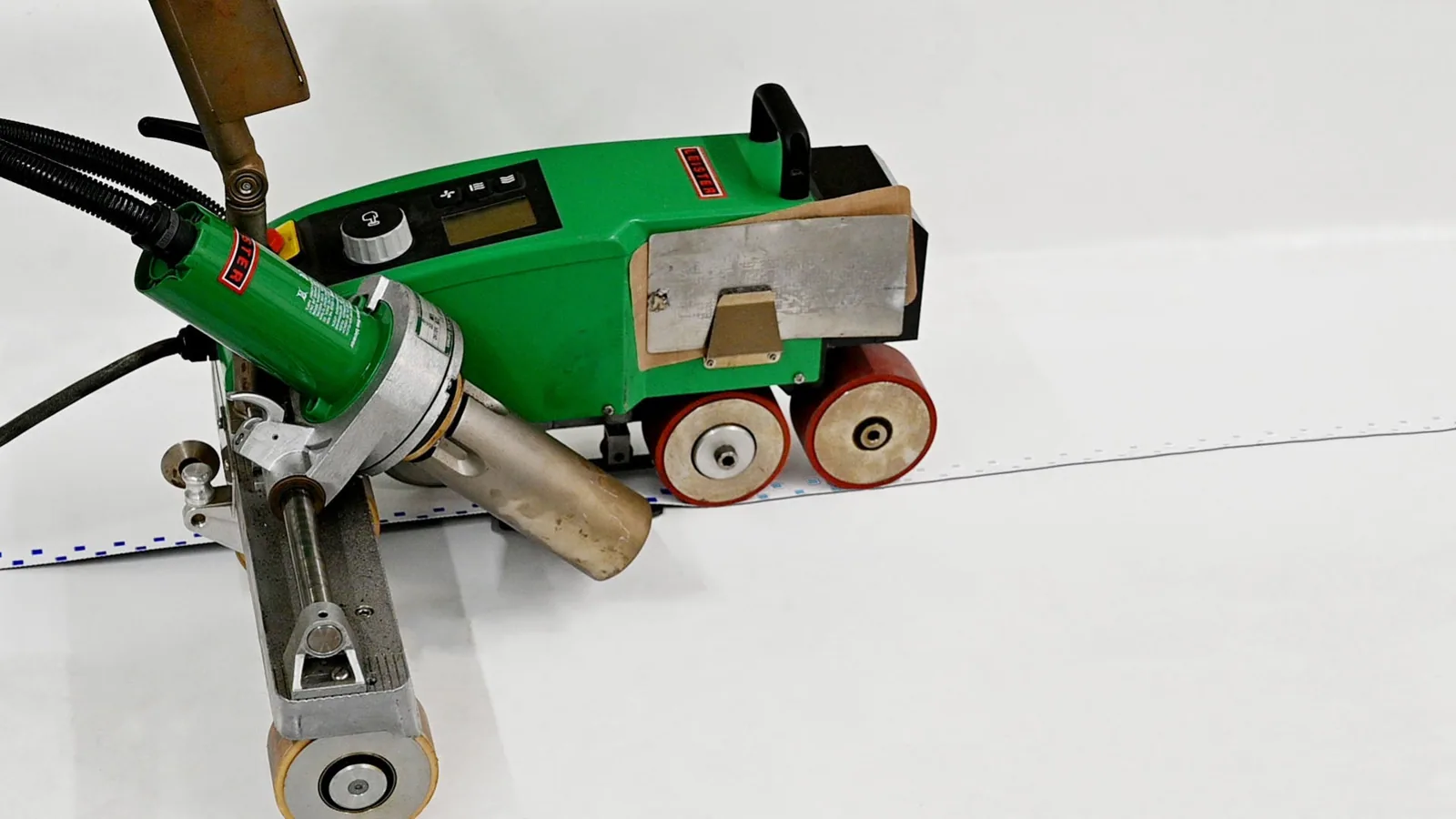
Sarnafil G membrane uses fiberglass reinforcement and is commonly used in adhered assemblies; Sarnafil S uses polyester reinforcement for mechanically attached configurations. The sheet marking and exposed edge can help identify which product is present. We still check the attachment and project documents because later work may have changed a section. A replacement section must tie into the existing field through a detail that suits both materials.

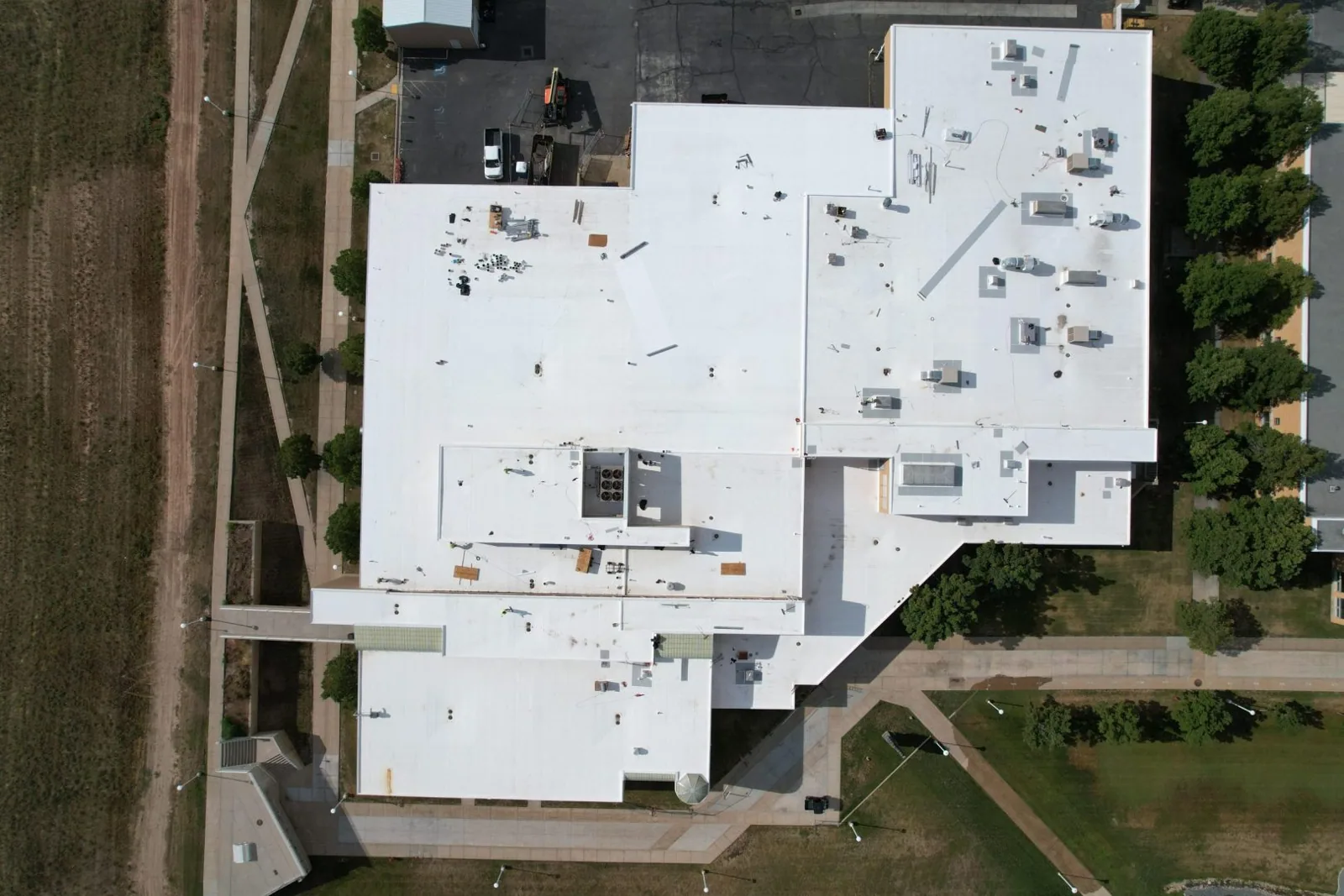
We look at membrane condition, attachment rows, seams, and repair patches before considering a broader scope. A PVC field can remain serviceable while a curb or drain transition fails. If the roof history points elsewhere, Carlisle PVC assemblies and Johns Manville PVC options can be compared as different systems, not assumed substitutes. The existing substrate, insulation, and building use determine which assembly belongs in the estimate.

Sika Sarnafil Roofing

Probe the weld and rebuild the detail

Sika Sarnafil Roofing

A thin seam line or surface scuff does not establish that a weld has failed. We probe the cooled joint and check for separation, contamination, poor edge preparation, or movement under the sheet. A small opening may be corrected by cleaning and welding to stable PVC. If the lap is brittle, repeatedly patched, or detached over a longer run, we test the base and set a wider limit instead of stretching a surface fix.

At a curb, pipe, or wall, the repair has to keep the membrane continuous at the change in plane. We remove loose material, inspect the backing, and form new flashing with compatible accessories. The finished corner gets a probe check after cooling. A flashing correction may include curb substrate or metal work in addition to the membrane. We record the weld line and detail before it is hidden by equipment or returned to service.

Check drains, laps, and perimeter metal

A drain connection that has lifted can leak even when the surrounding field is tightly welded. We clear the bowl, examine the clamping area, and check whether the membrane or insulation has settled near the sump. Water that remains after the drain is clear may reflect a low area or shifted support. We list drain work separately so the repair price does not imply that the roof slope has been corrected.

At parapets and roof edges, we examine termination bars, metal joints, corners, and fasteners for looseness. A weak edge can pull against the welded field and reopen a nearby repair. We extend work to a stable attachment and note where the substrate cannot be confirmed without an opening. drain and scupper repair and coping work can be priced alongside a PVC seam repair when inspection shows they are part of the defect.

Sika Sarnafil Roofing

Open only where the base will change the decision

Moisture below PVC can soften insulation and remove support at a seam. We inspect the area for deflection, crushed board, movement, and prior patch edges. A test cut answers whether the core is dry and whether the deck is sound at that location. We mark the opening and note each layer rather than extrapolating from one point. If the result changes the replacement boundary, we request approval before extending removal.

Recover decisions depend on layer count, attachment, moisture, curb height, drainage, and the proposed new system. We compare those conditions with replacement and localized repair before recommending another layer. A cover-board correction may be needed where the base is not stable. When multiple areas remain unverified, document what can be seen before the owner sets a capital scope.

Plan access and welding around local use

West Valley City's northern industrial sites use the SR-201, Bangerter Highway, and I-215 network, with trucking and distribution activity concentrated along SR-201. For a roof visit in the corridor, the contact confirms delivery timing and lift placement. We confirm travel paths and loading limits with the site contact, then size the open section so membrane can be secured before the crew leaves.

The planned Fairbourne Station district combines civic services and shops with offices, a hotel, and multifamily housing. Before moving material for a roof visit in the district, we confirm building entrances and pedestrian routes with the property contact, then set the daily dry-in limit. Seasonal temperatures add another check: the Salt Lake City airport station's normal daily high reaches 94 degrees in July, while monthly winter minima drop below freezing in January and December. At the roof we verify surface temperature and moisture before welding PVC.

When access, weather, or an occupied floor narrows the work period, we set a sequence that protects the building rather than assuming a full-day open area. At a property near Fairbourne Station or the northern SR-201 corridor, We confirm the lift area, roof hatch route, and close-of-day condition before materials are staged.

Price the repair against the whole roof

Cost follows weld length, flashing count, edge work, surface preparation, access, and the amount of insulation or deck that testing confirms. We identify the repair boundary and list untested sections separately. A single seam may stay local when the PVC is flexible and the base is sound. Repeated separations, widespread patching, or wet cores may support a replacement comparison instead.

We describe what a repair, recover, or replacement includes and what still needs access or testing. A replacement scope should account for tear-off, dry-in, drains, edges, and new transitions. Closeout includes photos of completed welds, test openings, and any inaccessible locations. The owner can use that record to plan maintenance without treating an uninspected area as confirmed or repaired.

Sika Sarnafil Roofing

Common questions

How do you determine which Sarnafil membrane is installed?

We review markings, exposed edges, and the roof record, then check attachment and reinforcement where visible. A test area can confirm whether the proposed PVC preparation and weld are suitable. If an earlier repair obscures the original sheet, we state what remains uncertain and do not price a tie-in as complete until we can verify it.

Can a Sarnafil seam be repaired without opening the insulation?

A surface weld may be enough when the seam release is local and the substrate remains firm. We inspect around the opening and use a test cut when moisture or movement would change the scope. If the core is dry, the repair can stay focused. If the board has softened, we mark the added removal boundary and price it separately.

What should be reviewed before a PVC recover?

We check existing layers, attachment, moisture, drainage, flashing height, and how the new system will meet curbs and edges. A selected opening can confirm whether the base supports another assembly. Loose or wet material needs correction first. The estimate names the checked areas and keeps hidden conditions outside the confirmed quantities.

Does the season change Sarnafil repair timing?

The roof surface, dryness, wind, and product instructions determine whether welding can proceed. The Salt Lake City International Airport station records a normal July high of 94°F and below-freezing minimums in January and December. We measure roof conditions and set the work window accordingly. If preparation or the seam cannot be completed correctly, we secure the area and return when the conditions support the repair.

Check the Sarnafil seam and substrate

ServicesRoof SystemsIndustriesProperty TypesService AreasDamage RepairCapabilitiesManufacturersContactAboutRequest a Roof Assessment555-555-5555
Call555-555-5555