Commercial Roof Edge Metal, Coping, and Gutters in West Valley City, UT

Repair commercial roof edge metal, coping, gutters, and downspouts in West Valley City with a defined scope for water flow and perimeter protection.

Repair the roof perimeter

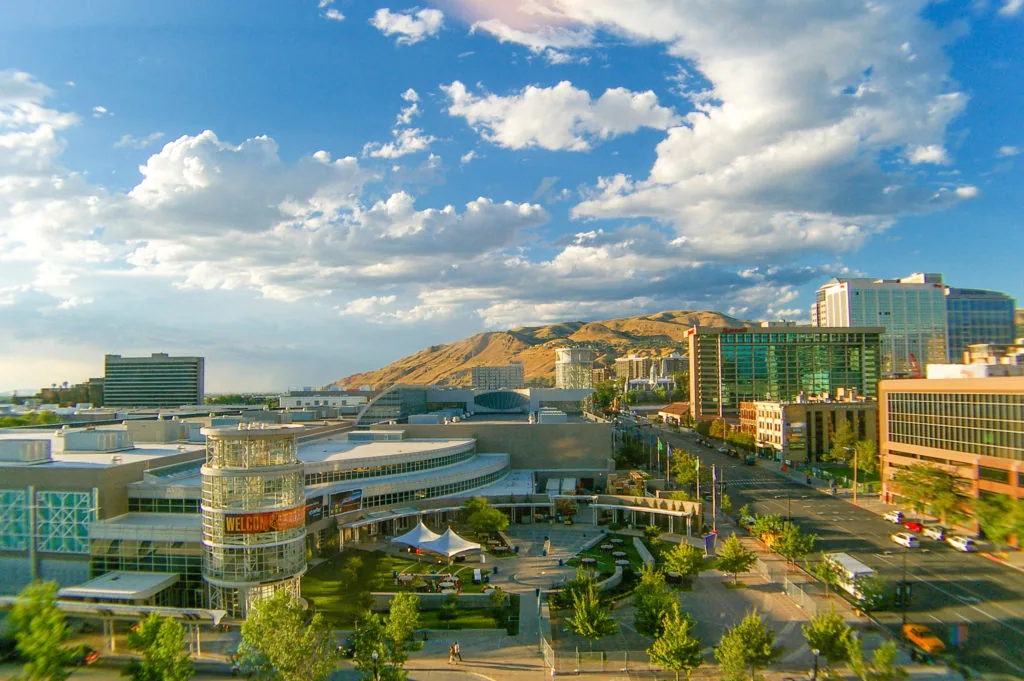
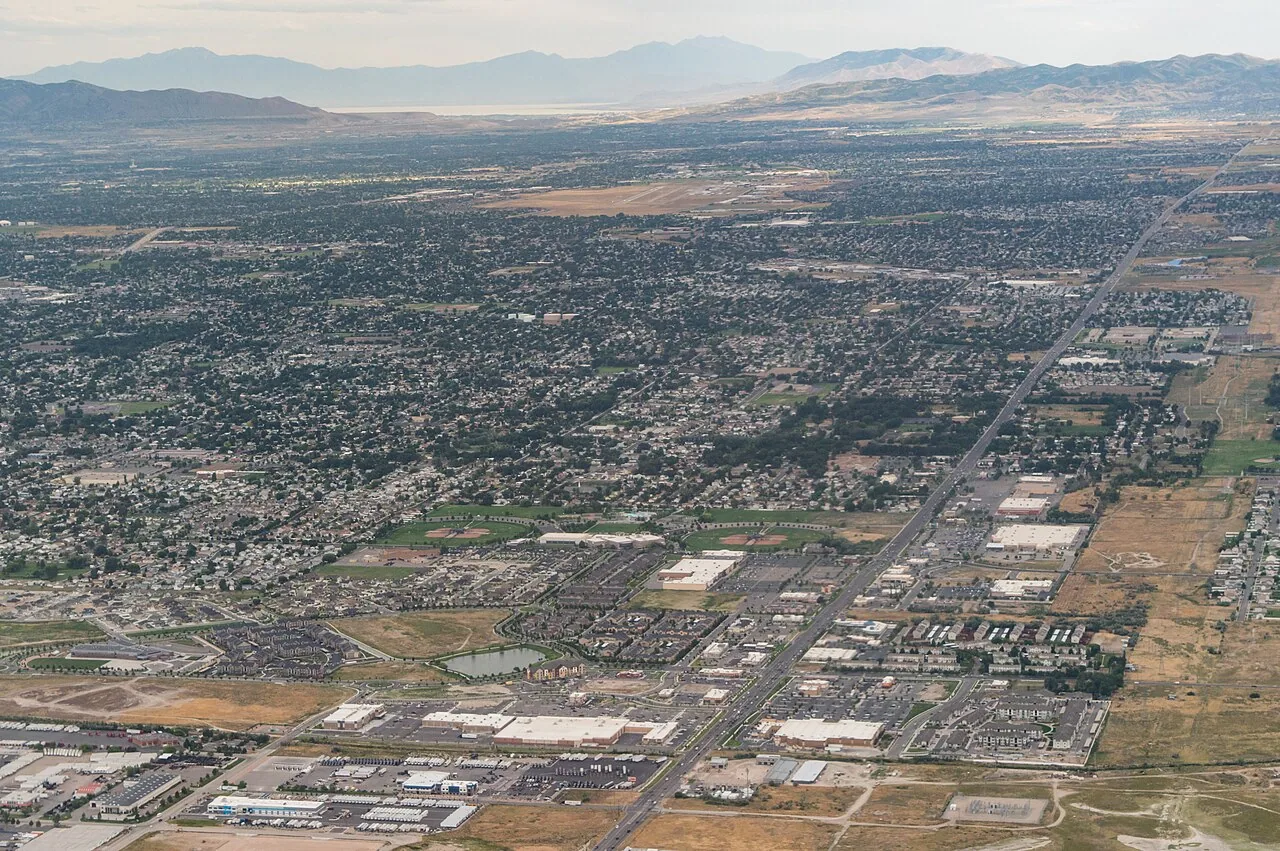
A separated coping joint can admit water behind the parapet while the roof membrane still looks intact. We inspect the cap, cleats, seams, wall flashing, and adjacent roof edge before choosing a repair. In West Valley City, UT, 4700 South is on the major-arterial network; Fairbourne's proposed district mix includes public uses, shops, workplaces, lodging, and multifamily homes. For an edge repair near either area, the property contact confirms lift and pedestrian access.

Edge metal protects transitions where the roof meets a wall or roof perimeter. Gutters and downspouts move water away from the edge and building, but they cannot compensate for a loose fascia or blocked outlet. We check attachment, laps, expansion joints, drainage path, and signs of water behind the metal. The owner sees the affected length, the connection that failed, and any substrate that needs exposure before a price is finalized.
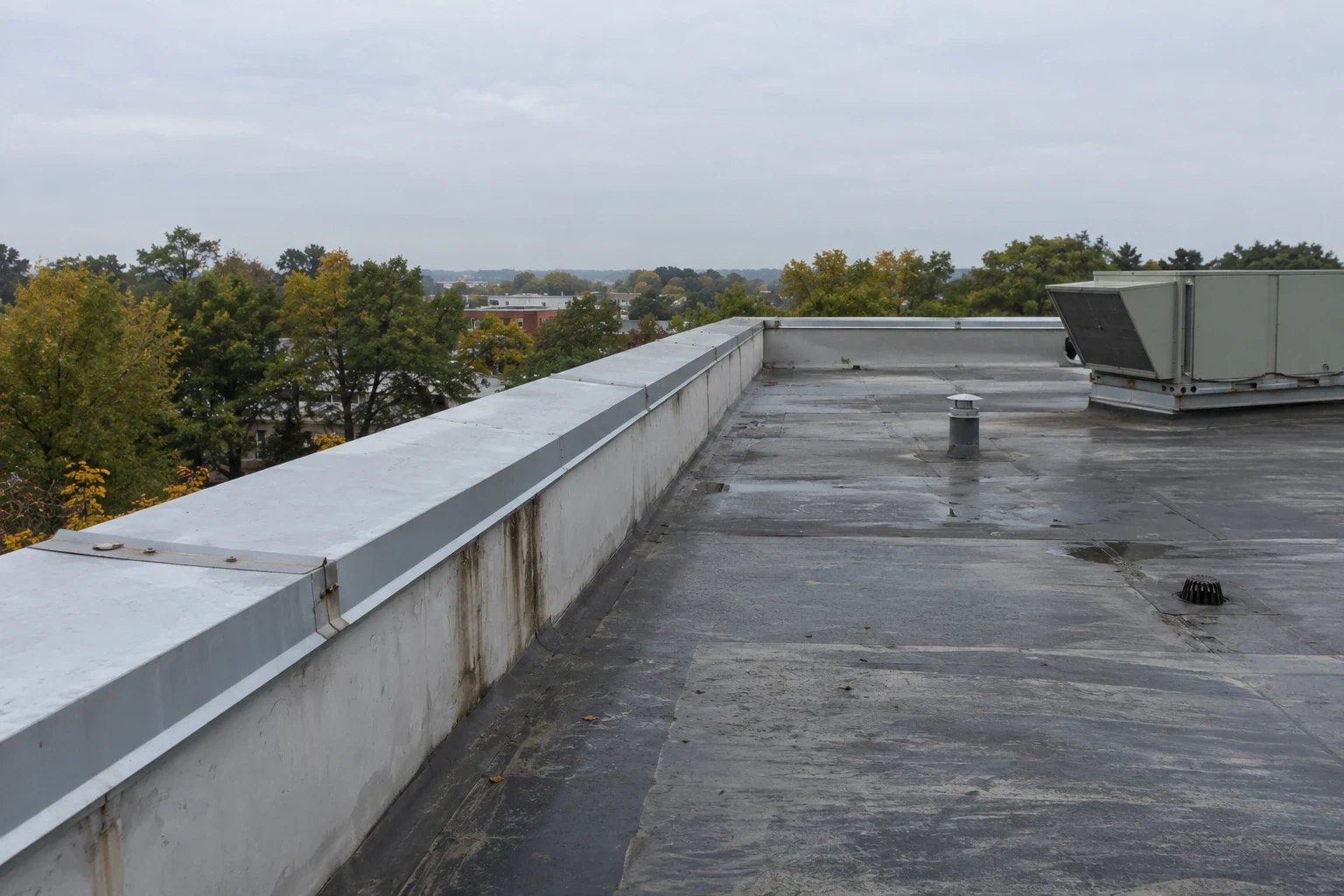
A lifted cleat, loose fastener, or open splice can allow coping to move under temperature changes and wind pressure. We inspect the metal profile, attachment, joint spacing, corners, and transitions at walls and roof openings. Rust or staining can show where water has traveled, but the surface mark does not establish how far the substrate is affected. We check the adjacent membrane and flashing to set a repair limit that reaches stable material.

Metal type, gauge, shape, and attachment influence whether a section can be resecured or needs replacement. We measure the affected run and identify corners, end dams, and changes in roof height. A commercial roof repair can address an isolated edge failure, while a penetration flashing repair may be needed where the same metal transitions around a curb or opening.

Commercial Roof Edge Metal, Coping, and Gutters

Secure coping without trapping water

Commercial Roof Edge Metal, Coping, and Gutters

Coping has to stay attached while allowing its joints to move. We check cleats, splice plates, corner pieces, fasteners, and sealant for gaps or looseness. A surface bead cannot replace a missing cleat or a failed end condition. If removal is needed, we inspect the parapet and membrane termination underneath before installing new metal. The repair should direct water outward and keep the roof-to-wall connection continuous.

We protect open areas during removal and keep the dry-in line limited to the section that can be closed safely that day. If wet substrate or damaged wood nailer is found, we photograph it and confirm added work before extending the replacement. A roof insulation and cover-board review may be needed where edge work exposes deteriorated layers. We coordinate adjacent trades so their equipment or attachments do not puncture the new flashing after closeout.

Trace discharge beyond the roof edge

A gutter can hold water because its outlet is clogged, its slope has changed, or a joint has separated. We inspect hangers, seams, end caps, outlets, and downspout connections, then look for overflow stains on the wall or at the foundation discharge. Cleaning may restore flow when the components are intact. A sagging run or leaking seam can require adjustment or replacement. If the discharge connects to underground drainage, we identify the plumbing or site work that falls outside the roof scope.

Downspout movement can pull at a gutter outlet and open the joint above it. We check attachment points and confirm that water has a clear route away from the building where the site arrangement allows. A drain and scupper inspection can address roof outlets that feed into the same system. We record which components were tested and whether flow was confirmed during the visit, so the owner knows if a later check is still needed.

Commercial Roof Edge Metal, Coping, and Gutters

Fit edge work to occupied sites

Redwood Road, 3500 South, 4100 South, 4700 South, 5400 South, Constitution Boulevard, and 5600 West are West Valley City major arterials. The property contact confirms the curb, lane, and staging rules before we plan arrival, lift placement, and delivery. We avoid setting a work zone where it blocks a loading door, fire route, or tenant entrance.

The Fairbourne Station plan brings civic functions together with retail, offices, a hotel, and multifamily development. Before metal removal, the property contact confirms pedestrian controls and coordination with occupants below. We define the work length, protect access below, and close each open section before moving to the next. For a property near Fairbourne Station or the 4700 South corridor, the route and activity around the building can influence when a lift or crew can work.

Choose resecuring, replacement, or redesign

Resecuring can work when the metal remains straight, the cleat is sound, and the substrate holds fasteners. A bent cap, split splice, or corroded section may need fabrication and replacement. If repeated overflow points to a poor gutter slope or undersized discharge, the correction may involve more than a local patch. We identify the failure, the affected length, and any design question that needs confirmation before installing a different profile or outlet.

Repair cost and timing reflect access, metal profile, fastening conditions, and how much adjacent membrane must be opened. A long parapet can require phased work to keep the building protected and occupied. We can compare a localized metal repair with a broader storm-related roof repair or roof replacement if the failure continues into the membrane. The proposal keeps known work separate from hidden substrate conditions that may only appear after metal removal.

Verify the finished edge and water route

Closeout photos show the attachment, laps, corners, sealant transitions, and nearby roof membrane. We check that the repaired length is secure and that gutters or scuppers remain clear. The record lists any component not replaced and any downstream blockage that needs separate work. For a parapet repair, we show how the new metal terminates at the wall and whether the roof flashing beneath it was part of the approved scope.

We identify maintenance points such as debris at an outlet or a gutter joint that should be rechecked after water flow. A preventive maintenance visit can include the edge and discharge route. If water still enters inside, leak tracing can check the adjacent roof-to-wall transition. The closeout ties that next check to the repaired location instead of leaving the property team with a general instruction to watch the roof.

Commercial Roof Edge Metal, Coping, and Gutters

Common questions

Can a loose coping cap be repaired without replacing the full run?

It can when the metal profile remains straight, the cleat and substrate hold, and adjacent joints are sound. We inspect corners, splices, and wall transitions before setting the repair length. If fasteners have pulled or water has reached the nailer, the work may need to extend to the next stable attachment point.

Why does a gutter overflow if it is not full of leaves?

A separated seam, failed end cap, changed slope, blocked outlet, or downspout restriction can cause overflow. We inspect the whole route from the gutter run to the discharge point where accessible. If the blockage continues below grade, we identify the site or plumbing coordination required beyond the roof edge.

Will you match the existing coping metal?

We measure the profile, joint locations, attachment, and surrounding flashing before selecting replacement metal. A match has to fit the edge condition and allow the joints to function. If the old profile is unavailable or the underlying detail has changed, we explain the fabrication or transition needed to close the repair.

Can edge metal work be staged around pedestrian or loading routes?

Yes, when the building contact identifies the routes that must stay open and the available work windows. We plan lift placement, material delivery, and work-zone protection around those constraints. Long runs can be divided into sections so each exposed edge is closed before the crew moves on.

What if the parapet is damaged under the coping?

We photograph the exposed condition and identify whether the nailer, substrate, or membrane termination needs added work. That condition can change the repair length and material. We confirm the new scope before proceeding beyond the approved metal work and protect the opening while the owner reviews it.

Repair the roof perimeter

ServicesRoof SystemsIndustriesProperty TypesService AreasDamage RepairCapabilitiesManufacturersContactAboutRequest a Roof Assessment555-555-5555
Call555-555-5555