Commercial Skylight and Penetration Flashing in West Valley City, UT

Repair commercial skylight curbs and roof penetrations in West Valley City with compatible flashing, safe access planning, and a documented repair limit.

Repair the roof opening

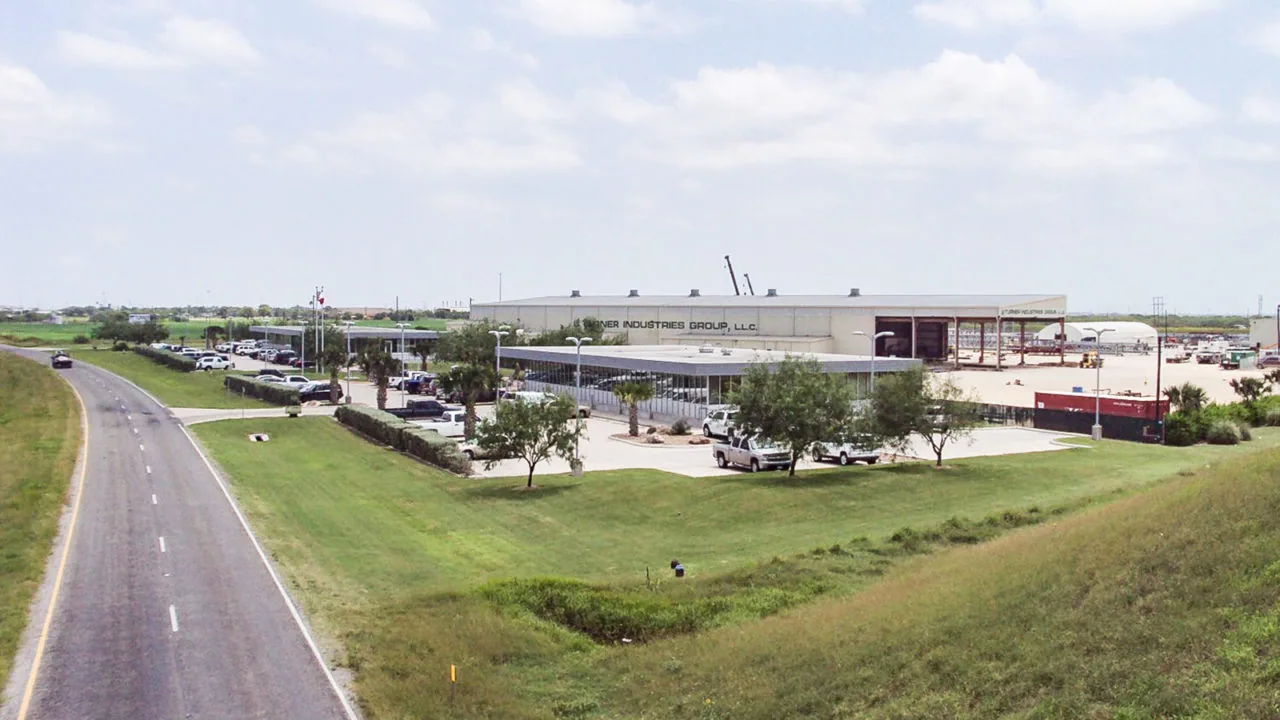
A split corner at a skylight curb can admit water beneath the flashing even when the glazing looks clear. We check the curb, membrane transition, counterflashing, fasteners, and nearby roof seams before selecting a repair. In West Valley City, UT, Fairbourne's future station-area mix includes public spaces, commerce, offices, lodging, and multifamily housing. West Valley City business parks group offices, light-industrial facilities, research centers, and support services. For a roof visit in either setting, the property contact confirms occupied access and rooftop equipment limits.

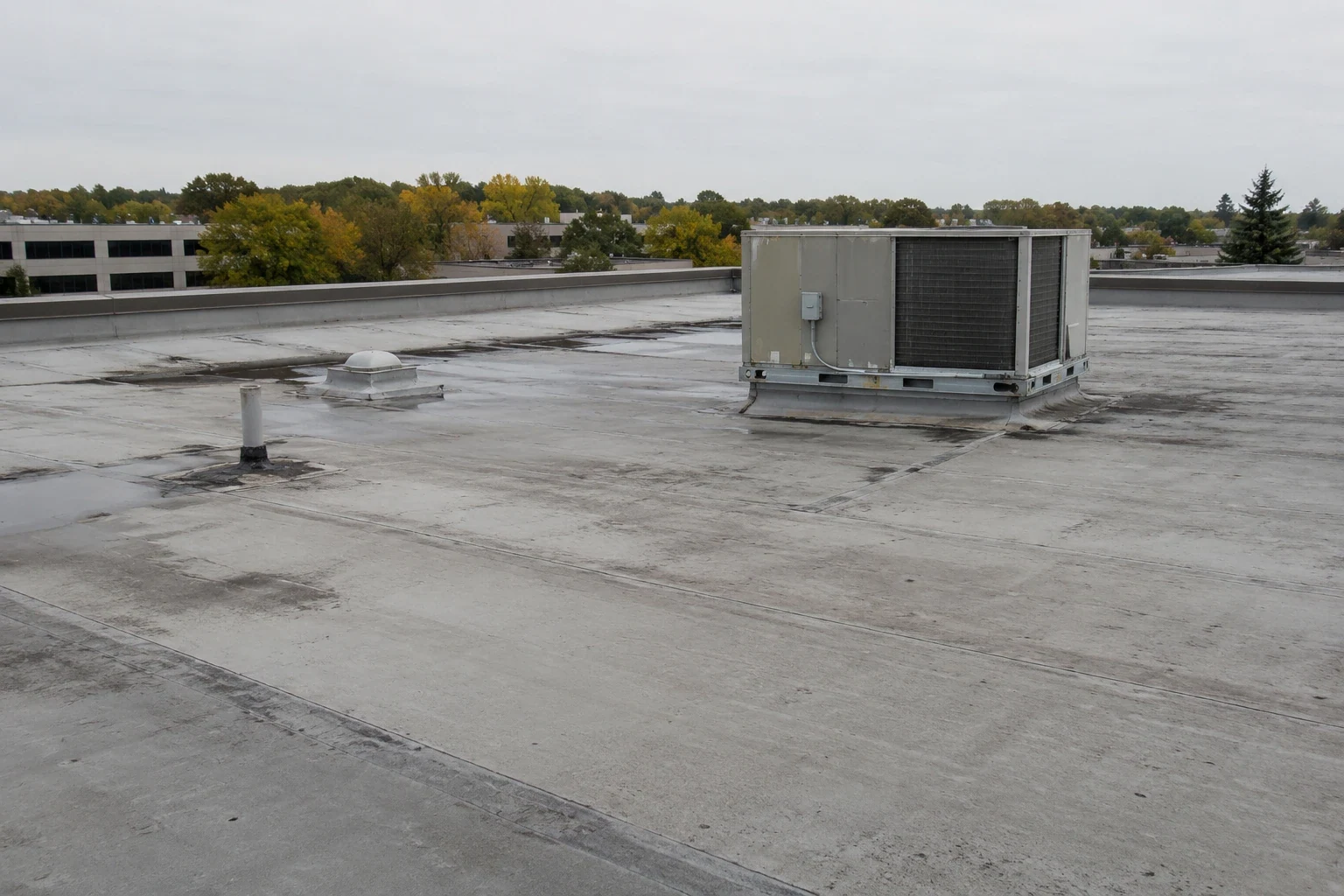
Skylights, pipes, conduits, HVAC curbs, and other penetrations interrupt the roof surface. Each opening needs a continuous transition from the roof field to the object or curb, with materials compatible with the existing system. We inspect the visible detail and nearby substrate, then mark where the repair can tie into sound material. If water has reached insulation or the curb is unstable, we identify that additional condition before closing the roof.
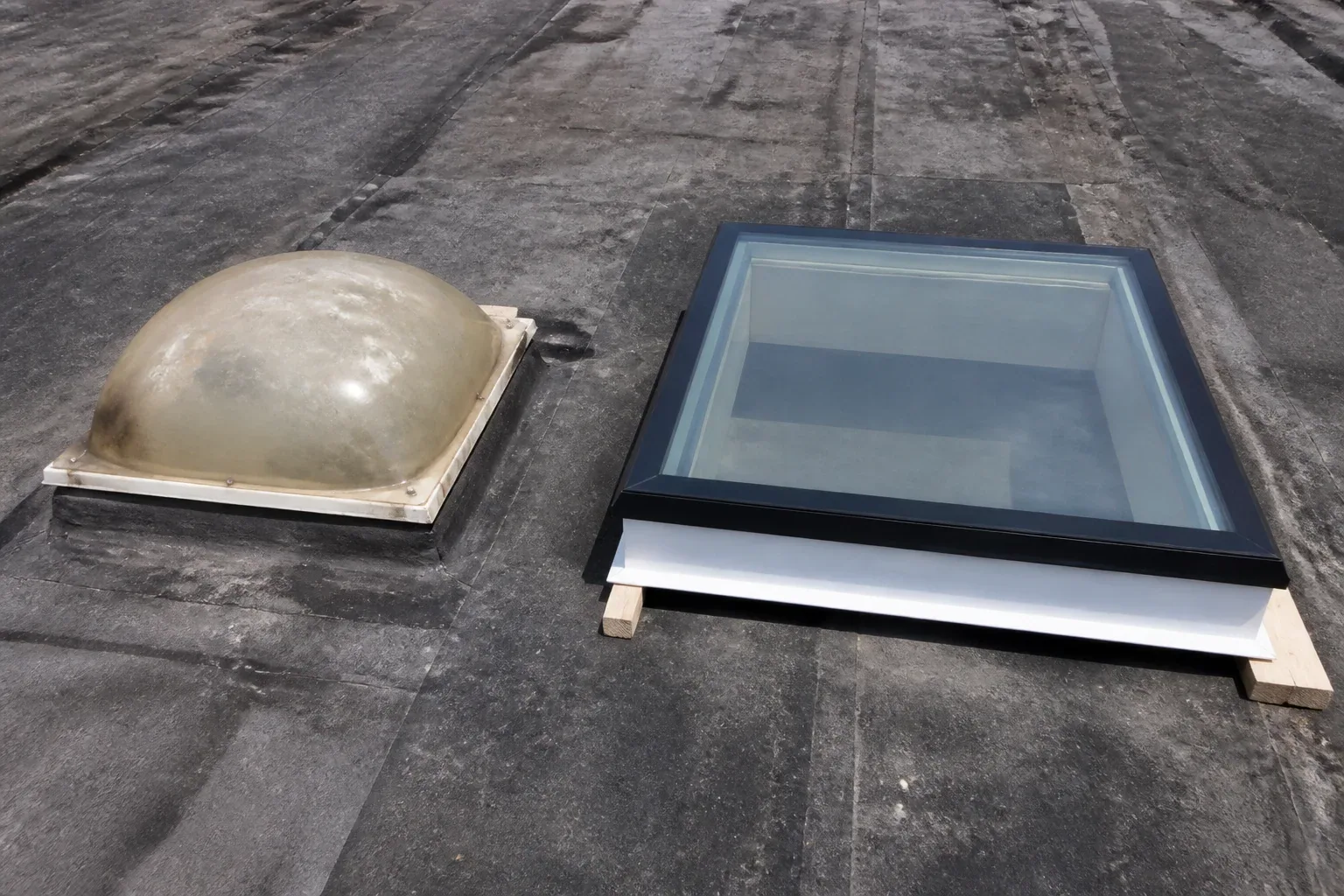
At a skylight, we inspect glazing, curb corners, metal counterflashing, fasteners, sealant joints, and the membrane at the base. A failed corner can direct water into the curb or wall before it reaches the ceiling below. We look for split laps, rust, lifted flashing, soft substrate, and signs of repeated repair. The location of an interior stain helps narrow the area, but the curb and roof transition need field review before we set the repair edge.

Where access allows, we check whether the skylight curb is secure and whether the membrane termination remains bonded. If removal exposes wet insulation or damaged wood, the scope may extend beyond the visible flashing. We photograph the layers and get approval before including added material. A commercial roof inspection can document nearby seams and drainage, while leak tracing can follow water from the reported interior area to the likely entry detail.

Commercial Skylight and Penetration Flashing

Flash pipes, curbs, and clustered openings

Commercial Skylight and Penetration Flashing

A pipe boot that has split or lost contact can leave a narrow path for water. We inspect the boot, clamp, sealant, membrane patch, and the pipe movement around it. For larger curbs, we check flashing height, corners, counterflashing, and whether equipment support has shifted. Bundled conduits or closely spaced lines may need a fabricated hood or a revised detail so each opening can shed water without trapping debris.

Equipment changes can leave abandoned penetrations or poorly patched openings. We identify which items remain active and coordinate with the mechanical or electrical trade before removing support or disconnecting anything. The roofing scope covers the roof transition and agreed surface work; equipment relocation or electrical work is coordinated separately. A rooftop curb and support review can address the load or attachment question, while edge metal work may be needed where flashing meets the parapet.

Use flashing that matches the assembly

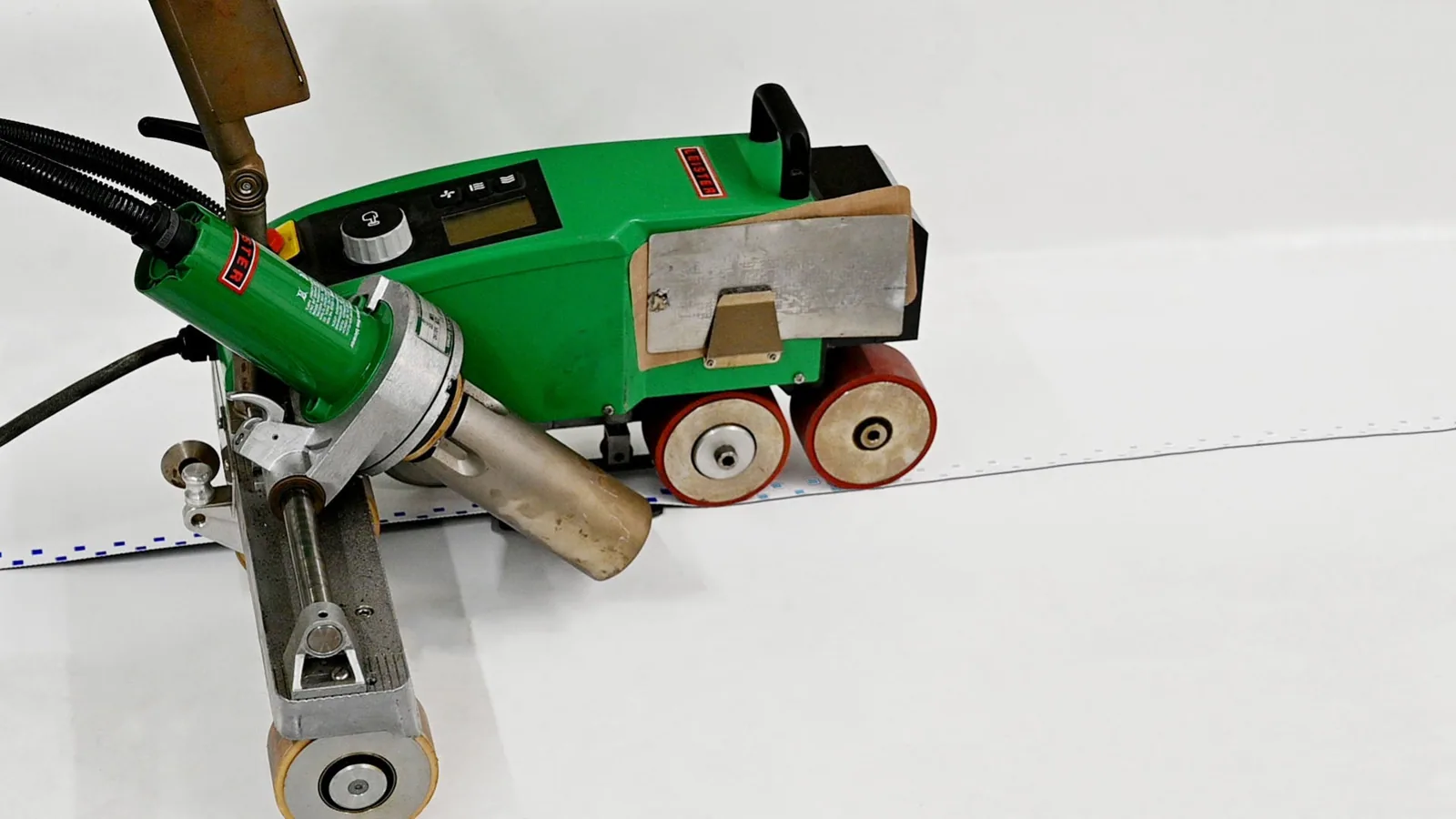
Thermoplastic membranes, EPDM, modified bitumen, coating, and metal roofs need different flashing methods. We confirm the roof system and prior repairs, clean the bonding area, and use compatible materials for the curb or penetration. A heat-welded flashing detail, adhered patch, metal counterflashing, or liquid-applied reinforcement may suit the condition, but the choice depends on the assembly and product limits. Sealant alone is not a substitute for a sound transition.

The city defines business parks as planned groupings that bring offices, light industry, research centers, and supporting services together. We inspect each roof opening in place and select flashing that fits the verified assembly. If a repair crosses a larger membrane area, TPO roof work or another compatible system-specific detail may be required. The repair description names the material and the limit that was actually inspected.

Commercial Skylight and Penetration Flashing

Protect the occupied area below

Opening a curb or flashing can create noise, odor, debris, or a temporary opening above the room. We identify what occupies the space below and whether equipment, inventory, or people need protection. The facility contact can set the access route, ceiling access, and any restriction on work hours. We keep the opening small enough to close within the planned window and maintain a dry-in line if weather or hidden damage changes the sequence.

Future plans for the Fairbourne Station area combine civic space, shops, workplaces, lodging, and multifamily housing. Before work above occupied space, the property contact confirms notice, pedestrian controls, and material routes. For a property near Fairbourne Station or the River Trail Station Area, we plan access around the actual occupied space, not just the roof opening.

Extend the repair only to sound material

A patch around a curb should bond to clean, stable roof material and close each corner. We remove failed flashing or sealant as scoped, inspect the exposed substrate, and replace damaged layers where approved. If moisture extends beyond the planned cutback, we stop at a safe boundary, document the new condition, and confirm the added scope. That prevents an unsupported repair from spreading across an entire roof section.

Repair size affects material, labor, staging, and how long the area remains open. A single pipe boot may be corrected quickly when the membrane and substrate hold. A curb with wet insulation or a failing deck needs more preparation and may require trade coordination. We can compare local flashing work with broader commercial roof repair when related seams or transitions have also failed. The estimate identifies confirmed work and any test needed before the limit can be set.

Photograph each repaired transition

We record the penetration, preparation, new flashing, and surrounding roof area. Closeout photos show whether the curb corners, boot, counterflashing, and membrane tie-in were included. We note any rooftop item left untouched and any interior area that should be monitored. If the repair required a test cut or substrate replacement, the record identifies the location and material observed.

North of SR-201, the Northwest Opportunity Area includes industrial and vacant parcels, with manufacturing, commercial, residential, agricultural, and open-space uses elsewhere. For a roof visit there, we confirm the assembly and access with the property contact. If a new leak appears, flashing failure repair can revisit the transition and check whether movement or another detail opened the water path. The closeout gives the owner a starting point for the next inspection rather than a generic sealant note.

Commercial Skylight and Penetration Flashing

Common questions

Can you repair a skylight leak without replacing the skylight?

Often the leak is at the curb flashing, a corner, or a membrane transition rather than the glazing. We inspect both the skylight and its roof connection before setting scope. If the frame or curb is damaged, we explain the additional work and coordinate any glazing or carpentry work separately.

How do you flash a pipe that moves?

We check the pipe support, movement, boot or fabricated flashing, and the membrane patch around it. A moving pipe may need support correction before the roof transition is closed. The detail must fit the pipe and existing roof system, with the material and repair boundary shown in the scope.

What if there are abandoned roof penetrations?

We confirm with the building contact whether the opening is still in use and coordinate removal with the responsible trade. The roof can then be patched or flashed to a compatible detail. We document the opening and the layers exposed, and identify any insulation or deck damage that changes the work.

Can you work around rooftop HVAC equipment?

Yes, once equipment access, shutdown needs, and clearances are confirmed with the facility team. We protect the unit and route materials around service access. If a curb or support must move, the mechanical trade coordinates that work before the roof opening is repaired and closed.

What determines the flashing repair limit?

The repair reaches material that can hold a compatible, continuous transition. We inspect the substrate and nearby laps, then extend the cutback if moisture or failed bond continues beneath the surface. Any newly exposed damage is photographed and approved before it becomes added work.

Repair the roof opening

ServicesRoof SystemsIndustriesProperty TypesService AreasDamage RepairCapabilitiesManufacturersContactAboutRequest a Roof Assessment555-555-5555
Call555-555-5555