PVC Roofing in West Valley City, UT

Plan PVC roof repair or replacement in West Valley City by checking seams, flashing, chemical exposure, drainage, and the condition beneath the membrane.

Review the PVC roof condition

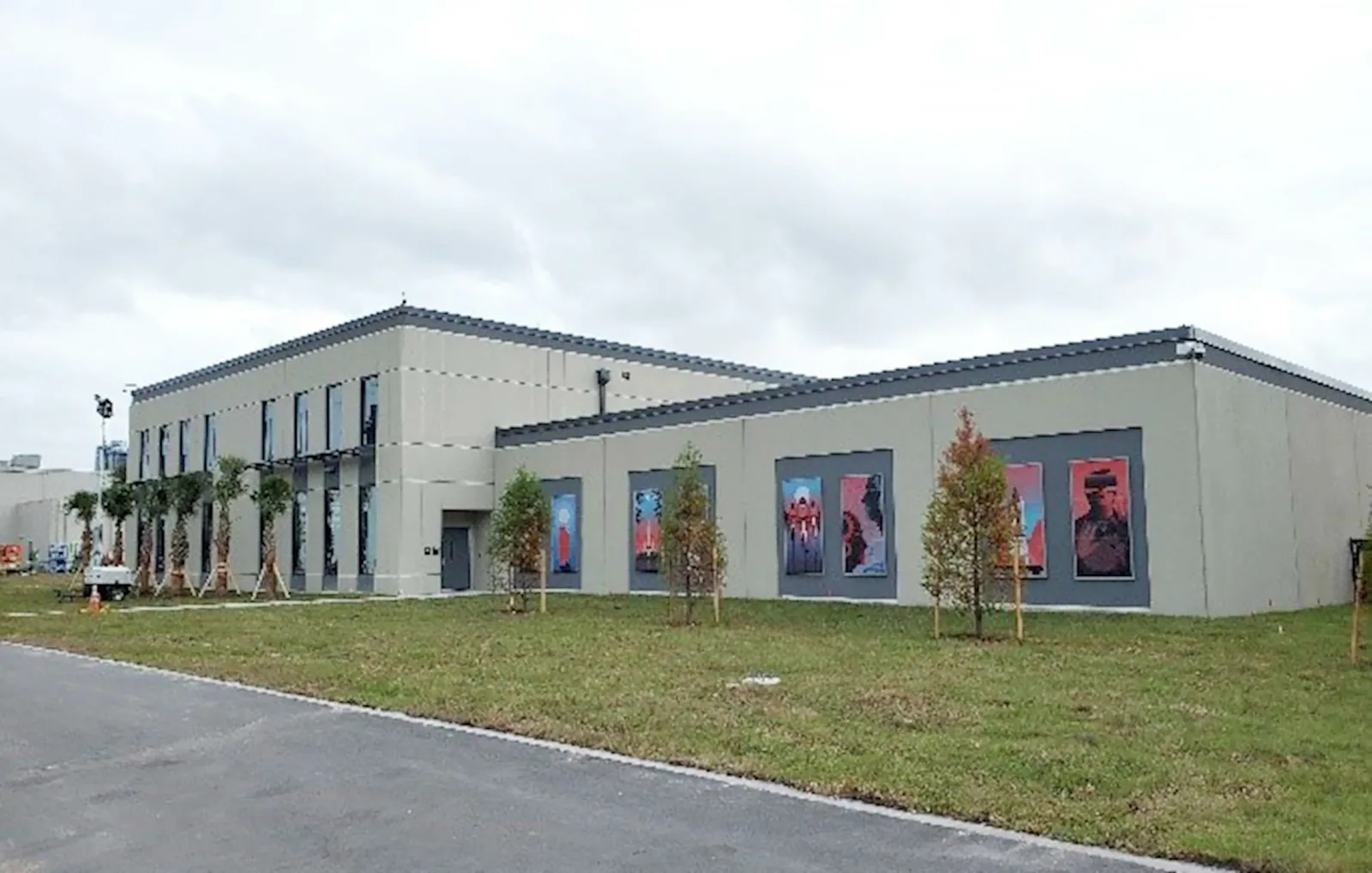
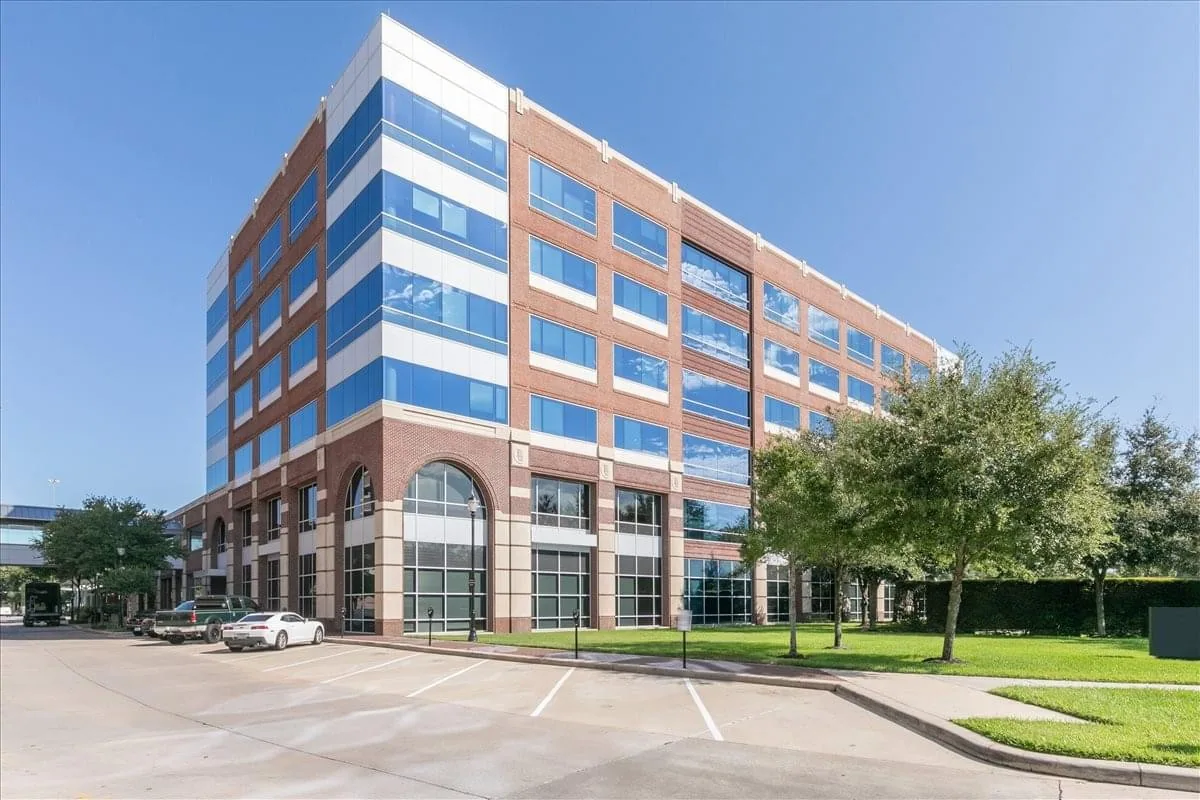
Grease at a kitchen exhaust can change how a PVC roof detail needs to be inspected. We check the membrane near the discharge, the flashing transition, and the seam bond before recommending a patch. In West Valley City, UT, an occupied building at Fairbourne Station has different access constraints from a distribution property near SR-201. We account for both the roof condition and the work window before writing the scope.

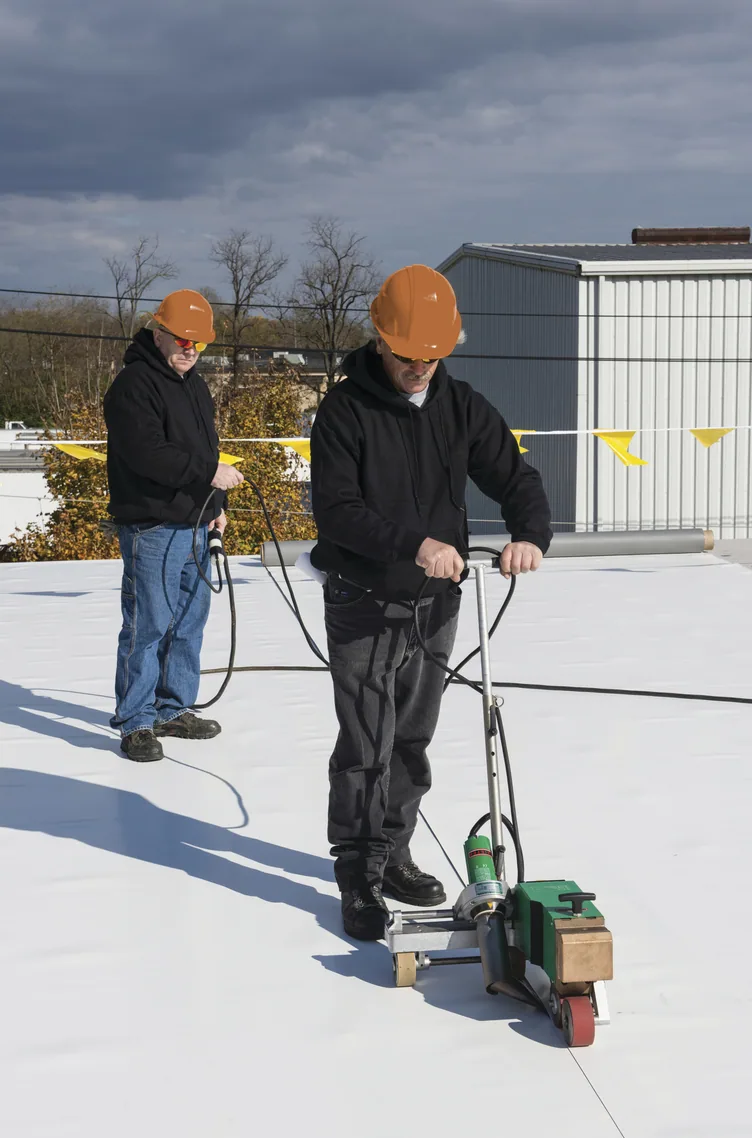
PVC is a flexible thermoplastic sheet with heat-welded seams. Its resistance to many oils and chemicals makes it a useful option in certain commercial settings, but exposure still needs review. Concentrated discharge, incompatible sealants, dirt, or an aging sheet can affect a repair. We identify the material, inspect the detail, and test a prepared weld. The result tells us whether the work can stay local or requires a wider comparison.
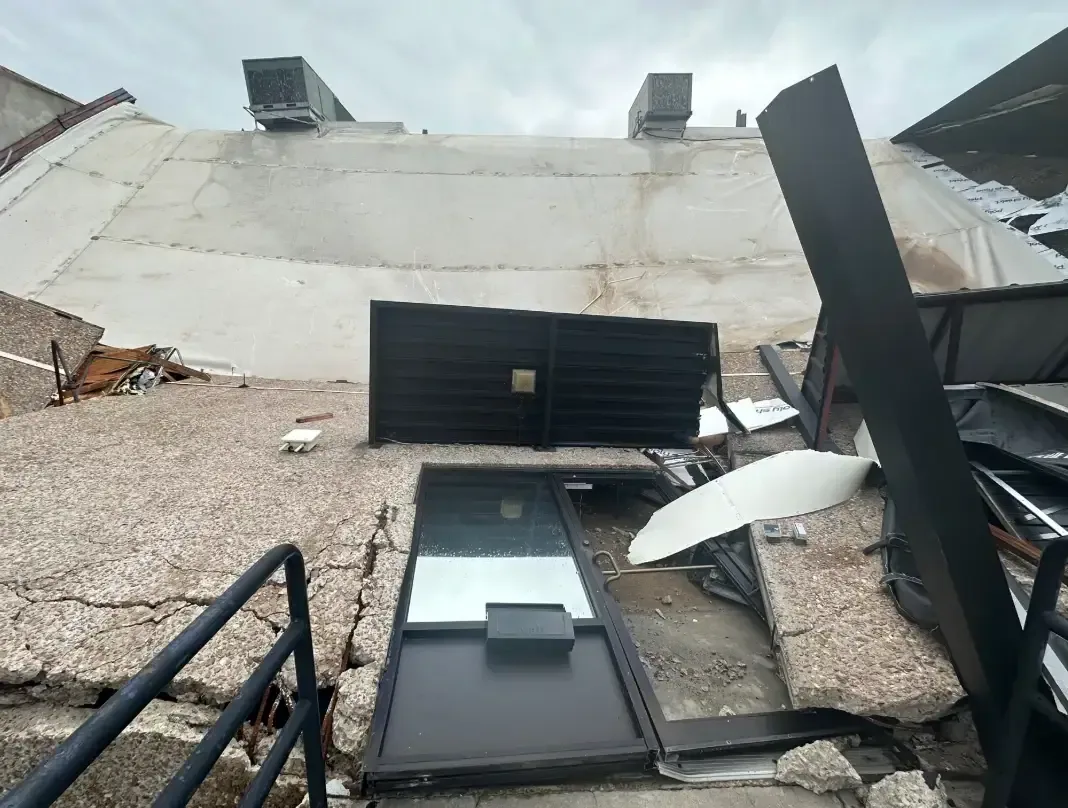
A membrane near an exhaust hood may show residue, discoloration, surface wear, or a patch that has lost bond. We trace the discharge path and inspect the sheet where contaminants collect. Cleaning requirements depend on the product and the condition found. We do not cover residue with a repair patch and assume the bond will hold. Preparation has to leave a sound surface around the affected detail.

At curbs and pipes, we look for movement, cracked sealant, short flashing, and open corners. PVC transitions often use welded pieces, but metal counterflashing or a termination bar may complete the detail. We test the weld with a seam probe after it cools. A commercial roof inspection can document the surrounding membrane and access limitations before the repair is priced. The report marks what was reached and what still needs a test opening.

PVC Roofing

Separate wear from a weak weld

PVC Roofing

A surface change does not tell us whether a seam has failed. We check the weld line, sheet flexibility, reinforcement, and nearby repairs. A probe that catches at one point may reveal a short defect. If the bond releases along a longer run, we mark the full separation and inspect where the sheet returns to stable attachment. Brittle material or repeated patch failure can move the decision toward replacement.

Test cuts answer a different question. They show whether insulation below the PVC is wet, compressed, or firmly attached. We choose each cut to resolve a scope issue, then photograph and mark the opening. Dry, sound layers may support a membrane repair. Moisture that extends under adjacent sheets can require removal beyond the visible stain. A TPO system or KEE membrane can be considered during replacement only after the building use and assembly are reviewed.

Keep drains and edges working

Water that stays around a drain can keep loading a seam or curb repair. We clear the bowl, inspect the sump and scupper, and look for a blocked route or settled area. If the finished surface sits below a drain rim, a coating or membrane patch will not correct the geometry. We separate drainage corrections from the membrane work and identify which detail controls the water path.

At the perimeter, we inspect edge metal, termination bars, corners, and wall transitions. Loose fasteners or a lifted edge can expose the assembly to movement and water entry. We check the substrate where accessible and mark any section that needs opening. A flashing failure repair can be scoped around confirmed defects instead of broad assumptions. Where deterioration is extensive, a replacement scope may address the membrane and edge details together.

PVC Roofing

Fit the work to the property

Access and discharge locations help set the inspection route. Fairbourne’s mixed-use plan includes civic and public spaces alongside offices, hotels, medical clinics, retail, and residences. We confirm roof access, tenant routes, rooftop equipment, and any exhaust areas before bringing materials up. Noisy preparation or chemical cleaning can be sequenced around active entrances. The facility contact helps identify restricted hours and interior areas that need protection.

West Valley City’s northern corridor has trucking and distribution activity near SR-201. On a roof serving that kind of operation, lifts and material staging need to avoid loading routes. We coordinate crane placement, truck timing, and a section-by-section dry-in plan. January contributes a 12.70-inch average in the Salt Lake City airport station's snowfall record. Across 1991-2020, its annual normal totals 51.9 inches. We check the roof and current forecast before opening a work area.

Price the confirmed scope

PVC repair cost turns on the length of failed seam, the number of transitions, preparation, and the access needed to reach them. A short field weld differs from replacing a curb assembly or removing wet insulation. We mark the repair boundary and list the material and labor changes that could move it. Concealed work stays outside the base price until inspection confirms its extent.

When leaks repeat at several locations, we compare continued repair with replacement. A recover may be possible only if the existing layers, moisture, attachment, and curb height support it. We can price those paths separately so the owner sees what remains in place and what is removed. Code also affects the proposed assembly. Utah adopted the 2024 International Building Code and Energy Conservation Code statewide effective July 1, 2026, with state and local amendments. We verify permit requirements for the specific project before finalizing the assembly.

Keep the membrane record useful

Closeout photos should show where a seam began, where repair stopped, and how the flashing was finished. We mark test cuts, insulation changes, and any detail excluded from the approved work. That gives the facilities file a clear condition baseline. Later inspections can check the same locations instead of treating every new mark as a new failure.

A roof condition report can organize photos by roof section and detail. We also note access limits that affected inspection or repair. At Fairbourne Station, shared entries may affect when roof access is available. Along the North SR-201 industrial corridor, loading and staging can shape the work sequence. The owner receives a record that ties each observation to the next decision.

PVC Roofing

Common questions

Does PVC always suit a roof near kitchen exhaust?

No single membrane choice fits every discharge condition. We inspect where residue lands, how often the area is cleaned, and whether the sheet or seam has changed. The exhaust path, flashing, and surrounding material all matter. If replacement is planned, we compare the actual exposure with the proposed system requirements before setting the material scope.

How do you test a PVC seam before repairing it?

We clean and prepare a small area, make a test weld, allow it to cool, then probe the seam. That confirms whether the sheet can accept a repair under current field conditions. The longer seam is repaired only after the test holds. We photograph the line and note any place where contamination or aging limits the repair boundary.

When should wet insulation be included in the PVC scope?

A test cut should show moisture or loss of support before removal is priced as known work. We mark the cut, identify the layers, and check whether damp material continues outward. Dry, firmly attached insulation may remain. If wet cores extend beyond the first opening, we document the revised removal area and confirm the added scope before proceeding.

Can a new PVC sheet correct poor drainage?

The sheet follows the roof profile unless the project includes a slope or drain correction. We inspect the drain bowl, sump, scupper, and low areas first. A blocked outlet, settled deck, or undersized path needs a specific correction. The estimate should separate that work from the membrane so the owner can see which item changes water movement.

What do you need before setting a PVC work date?

We need the access point, operating hours, restricted areas, delivery routes, and decision date. We check the roof temperature and weather window against the selected material and welding process. At mixed-use properties, entrance and tenant schedules can control noisy work. At distribution buildings, loading and lift access can decide which roof section opens first.

Review the PVC roof condition

ServicesRoof SystemsIndustriesProperty TypesService AreasDamage RepairCapabilitiesManufacturersContactAboutRequest a Roof Assessment555-555-5555
Call555-555-5555