EPDM Roofing in West Valley City, UT

Inspect EPDM seams, flashing, insulation, and drainage in West Valley City before deciding between a localized repair, recover, or replacement.

Check the EPDM seam and substrate

A wrinkle that pulls away from an EPDM seam changes where a repair should stop. We inspect the bond, sheet movement, flashing, and insulation before measuring a patch. In West Valley City, UT, the daily sequence on a roof near the North SR-201 industrial corridor can be governed by loading access; at Fairbourne Station, we confirm roof access with the building contact before staging. The building operation affects access, while the membrane condition sets the repair limit.

EPDM is a synthetic rubber membrane used on low-slope roofs. Its field seams may use tape or adhesive, and each method needs compatible preparation. Age, contamination, poor pressure, or movement can weaken a splice. We identify what is installed before choosing a repair method. A test area confirms the bond, while a test cut shows whether insulation below has stayed dry. Those findings decide whether the work remains local or needs a larger scope.

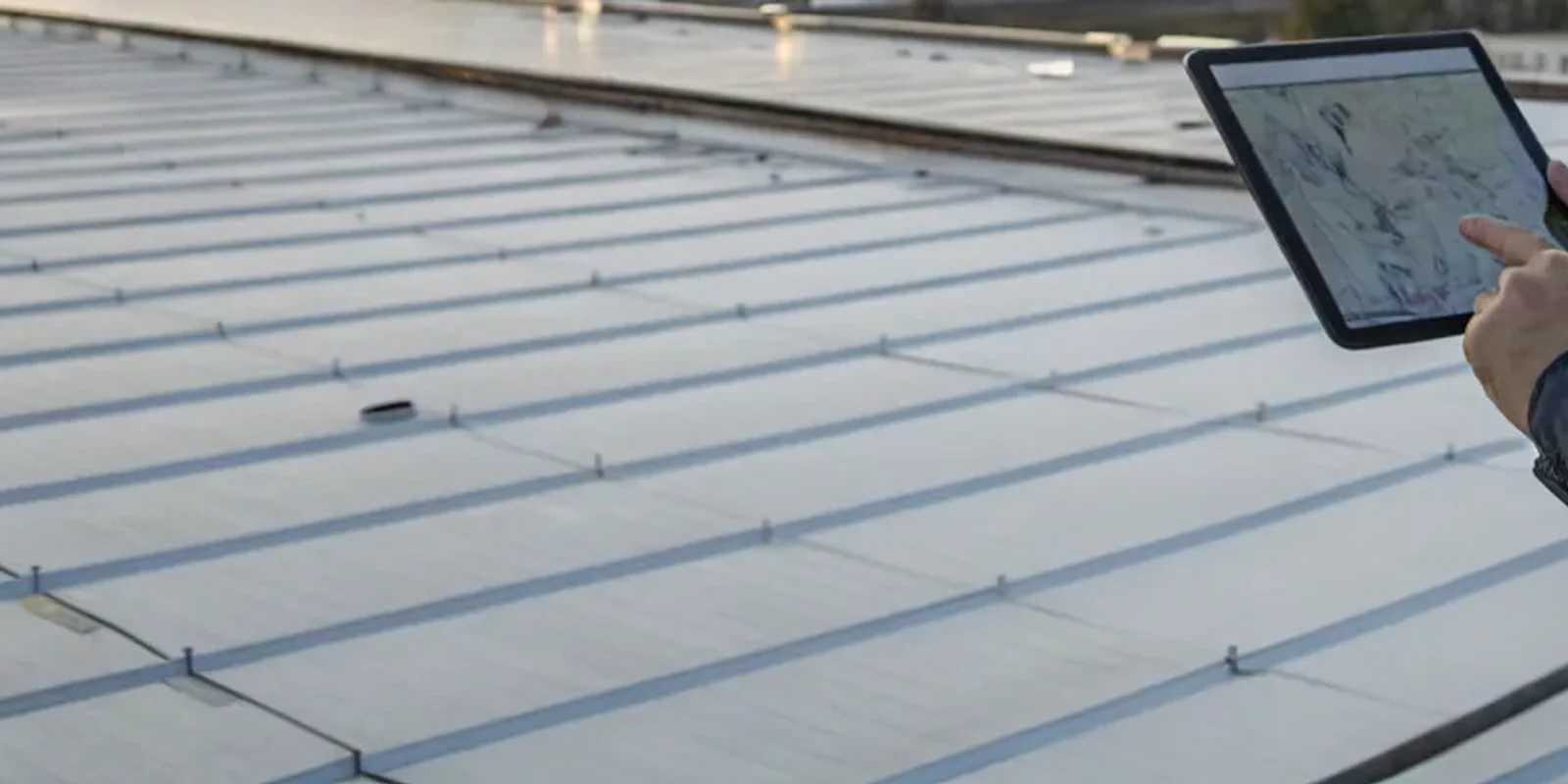
EPDM can move at laps, corners, and penetrations as the roof heats and cools. We look for a pulled seam, fishmouth, wrinkle, or flashing that has separated from its substrate. The visible gap does not always show the full failure. We trace the sheet to a bonded area and inspect adjacent repairs. If the membrane remains pliable and the release is short, the repair may stay contained. Brittle material or continuing movement can widen the boundary.

Seam preparation matters. We remove loose dirt and incompatible adhesive, then confirm the membrane can accept the chosen splice method. Tape and primer must contact a clean, dry surface. A roller presses the seam consistently, and a probe checks the cooled edge. Where a puncture is the actual defect, a membrane puncture repair can be priced separately from a failed lap. We photograph the prepared surface and completed splice so the facilities file records what changed.

EPDM Roofing

Open only where a test will answer

EPDM Roofing

A roof may have several layers beneath the visible rubber. We check the assembly at drains, edges, and known leak locations before proposing a recover or replacement. A test cut identifies the membrane layers, insulation, and deck condition at that point. If the core is wet or the board has lost firmness, we mark the affected area and test its extent. We do not expand removal beyond evidence without approval.

EPDM attachment can be adhered, mechanically fastened, or ballasted, depending on the assembly. We inspect what is visible and review available drawings or repair records. Loose attachment can permit movement even where the sheet still looks intact. In a replacement comparison, a TPO membrane may use a different seam and attachment approach. A roof inspection can map the existing conditions, while concealed layers stay listed as unconfirmed until opened.

Keep the drain path clear

EPDM repair needs to account for the water route around each low point. We remove debris at the drain bowl and inspect the sump, scupper, and adjoining lap. Water that remains after rainfall may point to a blocked outlet or a settled area, not a membrane defect alone. If the drain is lower than the finished surface, a surface patch will not change the slope. We identify the correction and price it as its own work item.

At the edge, we inspect termination, coping, fascia, and corners for looseness or rust. A membrane that has pulled back at a wall may need a new termination bar or counterflashing. We check the substrate where accessible and define how far the repair reaches into sound material. If the condition extends into the field, compare the repair with a replacement assembly. A built-up roof system is another possible assembly only when design, structure, and building use support that choice.

EPDM Roofing

Plan around temperature and snow

EPDM work depends on a dry surface and materials within their installation range. In the airport station’s climate normals, minimums reach 32°F or lower on 20.6 January days and 7.9 December days. We check roof surface conditions, moisture, and product instructions before applying primer or adhesive. Cold material can slow the bond and extend the work window.

The same station reports a 1991 to 2020 annual snowfall normal of 51.9 inches. Snow can cover drains and low seams, while meltwater may expose a drainage issue after the roof clears. We verify that the work area is accessible and dry before opening a splice. Along the North SR-201 industrial corridor, truck and delivery activity can affect when lifts arrive. At Fairbourne Station, we confirm access details with the building contact before staging. We confirm both limits with the site contact before mobilization.

Compare the repair with a replacement

Repair cost depends on the splice length, number of flashings, surface preparation, and access. A single open lap differs from widespread sheet shrinkage or saturated insulation. We show the confirmed boundary and identify any area that still needs a test cut. That lets the owner review a repair allowance without paying to remove material that has not been shown to fail.

When damage repeats, compare continued repair with removal and a new assembly. A recover is considered only if the existing roof layers, moisture, attachment, drainage, and transitions allow another layer. The estimate separates those checks from work that is already confirmed. For a broader project, roof condition reporting can organize findings by section and help schedule follow-up. We also confirm the applicable permit and code requirements before the selected assembly is priced.

Leave a clear seam record

A repair record should identify the splice location, preparation, and limits of the work. We photograph the repaired lap, corners, and flashings, then note any test opening or insulation replacement. If an inaccessible area remains outside scope, we mark it clearly. That prevents the closeout file from implying that concealed layers or blocked sections were examined.

The city identifies commercial transportation activity along SR-201 and its northern industrial corridor. A roof serving a nearby logistics operation may need service access coordinated with deliveries. Fairbourne Station’s district plan includes mixed uses; roof entry and scheduling are confirmed at each property. We preserve those coordination notes with the roof record. For repairs beyond the EPDM field, the owner may also review commercial roof repair scope for drains, edge metal, and curb transitions.

EPDM Roofing

Common questions

How can you tell if an EPDM seam has released?

We follow the splice and check for a lifted edge, open lap, fishmouth, or movement. A probe can locate where the bond ends, but preparation and a test repair confirm whether the material will accept a new splice. We record the release line and extend the work only to a stable, bonded edge.

Can EPDM be repaired in cold weather?

The membrane must be dry and the primer, adhesive, or tape must remain within its installation limits. We check actual roof temperature and conditions rather than using a regional normal as a jobsite reading. If frost, moisture, or cold prevents proper preparation, we secure the area and set a suitable work window.

When should wet insulation be removed under EPDM?

A test cut should confirm the material is wet or no longer supports the membrane. We mark where the core was taken and check whether moisture continues beyond it. Dry, firm insulation can remain if the assembly is otherwise sound. When damp areas are wider, we update the tear-off boundary and price the added removal for approval.

Will a recover work over an existing EPDM roof?

Only if the existing layers, attachment, moisture, drainage, and flashing heights support another assembly. We inspect those conditions and open selected areas when needed. Loose, wet, or unstable sections must be corrected or removed. The recover price should identify the accepted base and the areas excluded until testing confirms them.

What changes the schedule for an EPDM repair?

Dry weather, roof temperature, access equipment, and the amount of preparation all affect timing. Primer or adhesive needs the conditions required by its instructions. A distribution site may need lift and delivery coordination, while a mixed-use property may restrict noisy work or entry. We define those limits before setting the repair sequence.

Check the EPDM seam and substrate

ServicesRoof SystemsIndustriesProperty TypesService AreasDamage RepairCapabilitiesManufacturersContactAboutRequest a Roof Assessment555-555-5555
Call555-555-5555