Warehouse Roofing in West Valley City, UT

Protect warehouse roofs in West Valley City with leak repair, drainage checks, and phased work that keeps loading routes and stored goods in view.

Plan warehouse roof work

A wet pallet below a roof seam can be the first sign that water has moved beyond the visible stain. We inspect the membrane, drains, curbs, and nearby laps before setting a repair boundary. In West Valley City, UT, warehouses near the northern SR-201 industrial corridor may need roof access coordinated with trucks and dock schedules. A planned multi-building development such as 201 Mountain View Park needs each roof checked separately, even when the buildings share a property manager.

Warehouse roofing work has to protect inventory while keeping shipping routes available. We plan access, interior protection, and the size of each open area before removing material. If a test cut finds wet insulation, we show the affected layers and confirm added scope. A local patch, drainage correction, maintenance visit, or broader replacement can each make sense, depending on what holds at the roof and what the operation can accommodate.
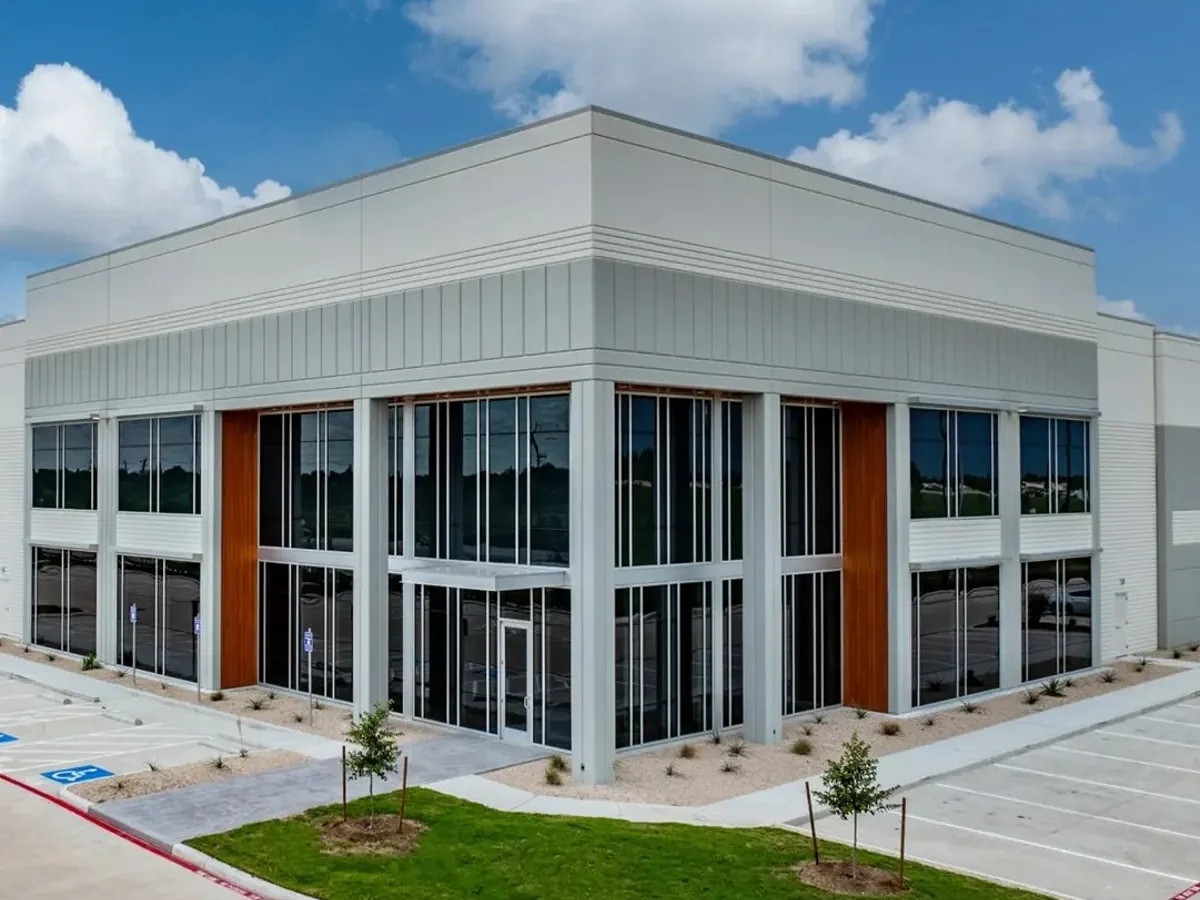
A lift set across a receiving lane can stop more than roof work. We confirm where deliveries turn, which docks must remain open, and where materials can be staged without blocking fire access. The building contact can identify shift changes and restricted areas before the crew arrives. We use those limits to sequence roof sections, then close each section before moving equipment or opening another area.

Trucking and distribution activity is concentrated near the northern SR-201 corridor, and Bangerter Highway and I-215 serve access to West Valley City industrial areas. We confirm each warehouse’s loading route before planning arrival and staging. For a warehouse roof near the North SR-201 industrial corridor, we record the agreed work window and access path so later repairs do not disrupt a different shift.

Warehouse Roofing

Trace water before opening the roof

Warehouse Roofing

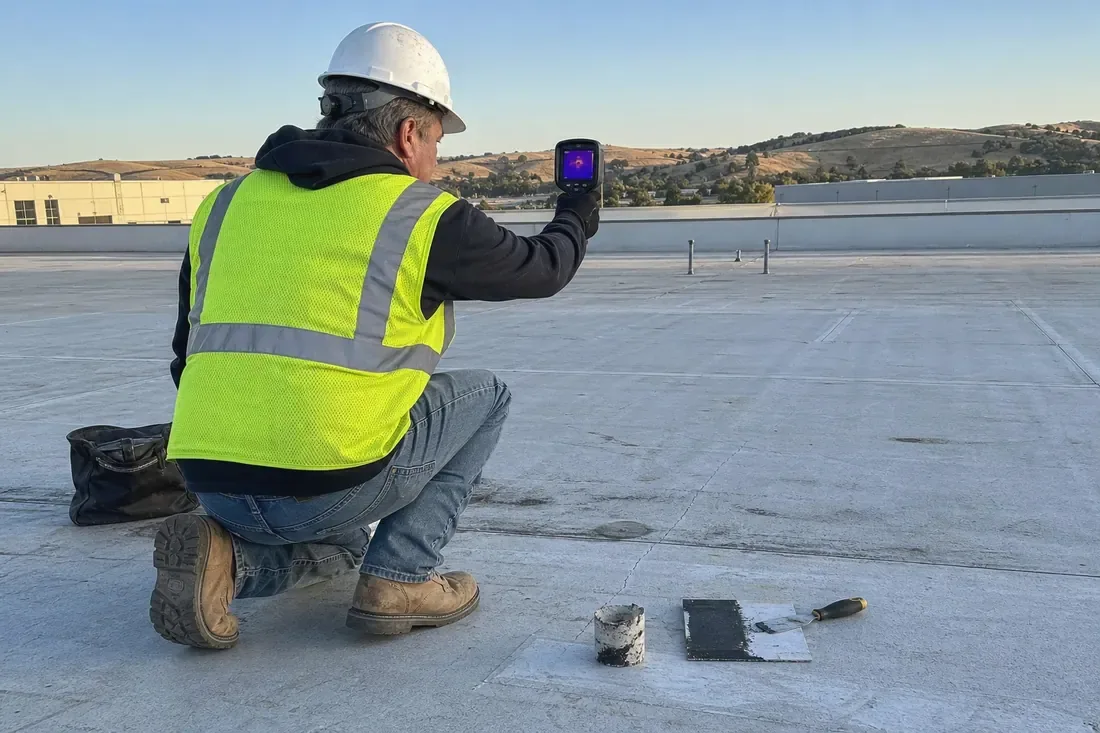
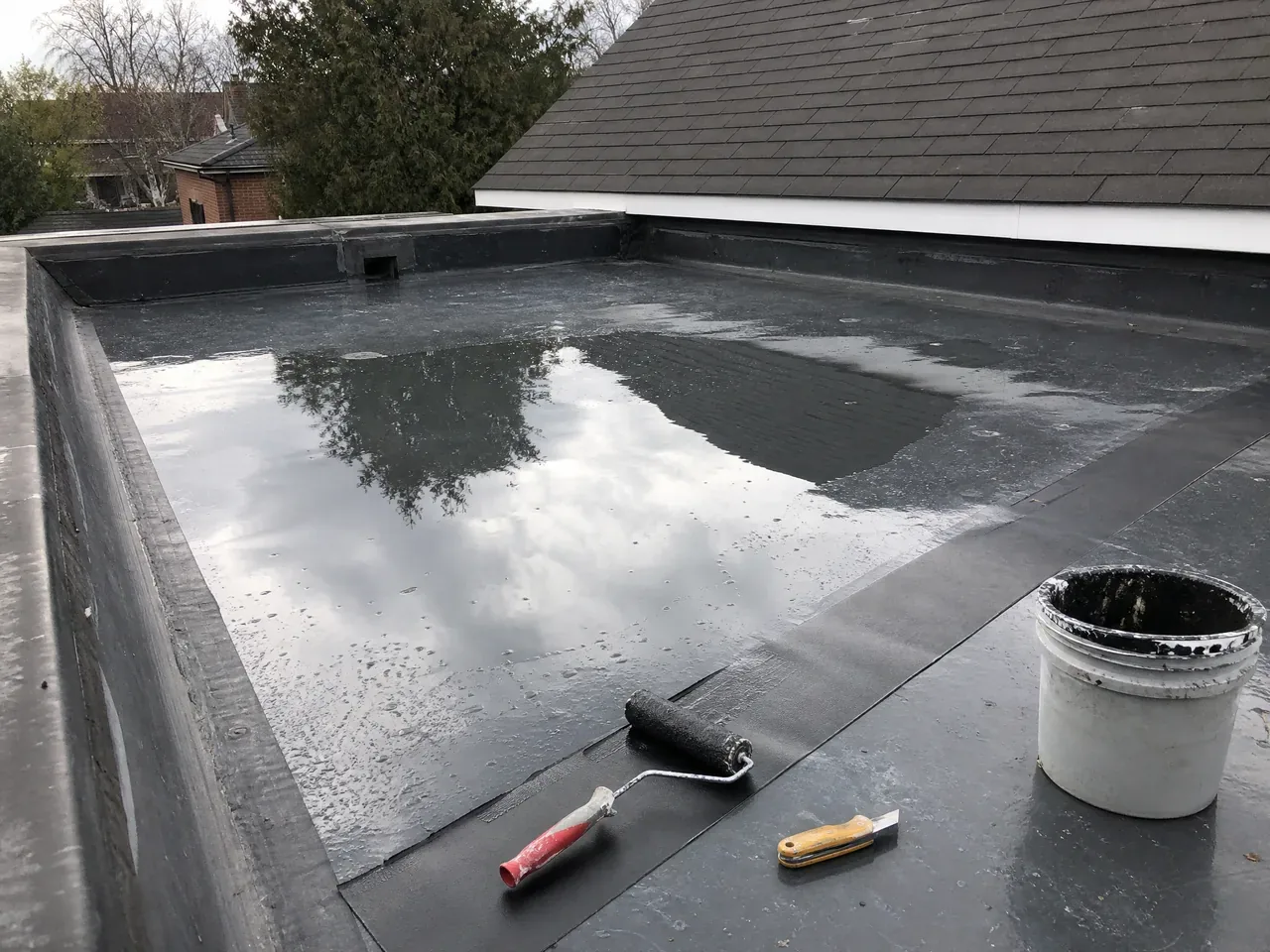
A ceiling stain near a rack line may sit below a drain, curb, seam, or roof-to-wall transition several feet away. We compare the interior report with roof details and follow the water path before cutting the membrane. Open laps, punctures, loose patches, failed boots, and blocked outlets call for different repairs. We mark what was observed and note where a test cut is needed to confirm wet insulation or a damaged deck.

Warehouses often have long roof runs with many penetrations for equipment and ventilation. We check recurring details by roof section instead of assuming every opening shares the same condition. A hands-on roof inspection can document the field, perimeter, and drainage system. For active water, leak tracing and repair can protect the interior and establish a permanent repair boundary once the entry point is confirmed.

Check low points and outlets

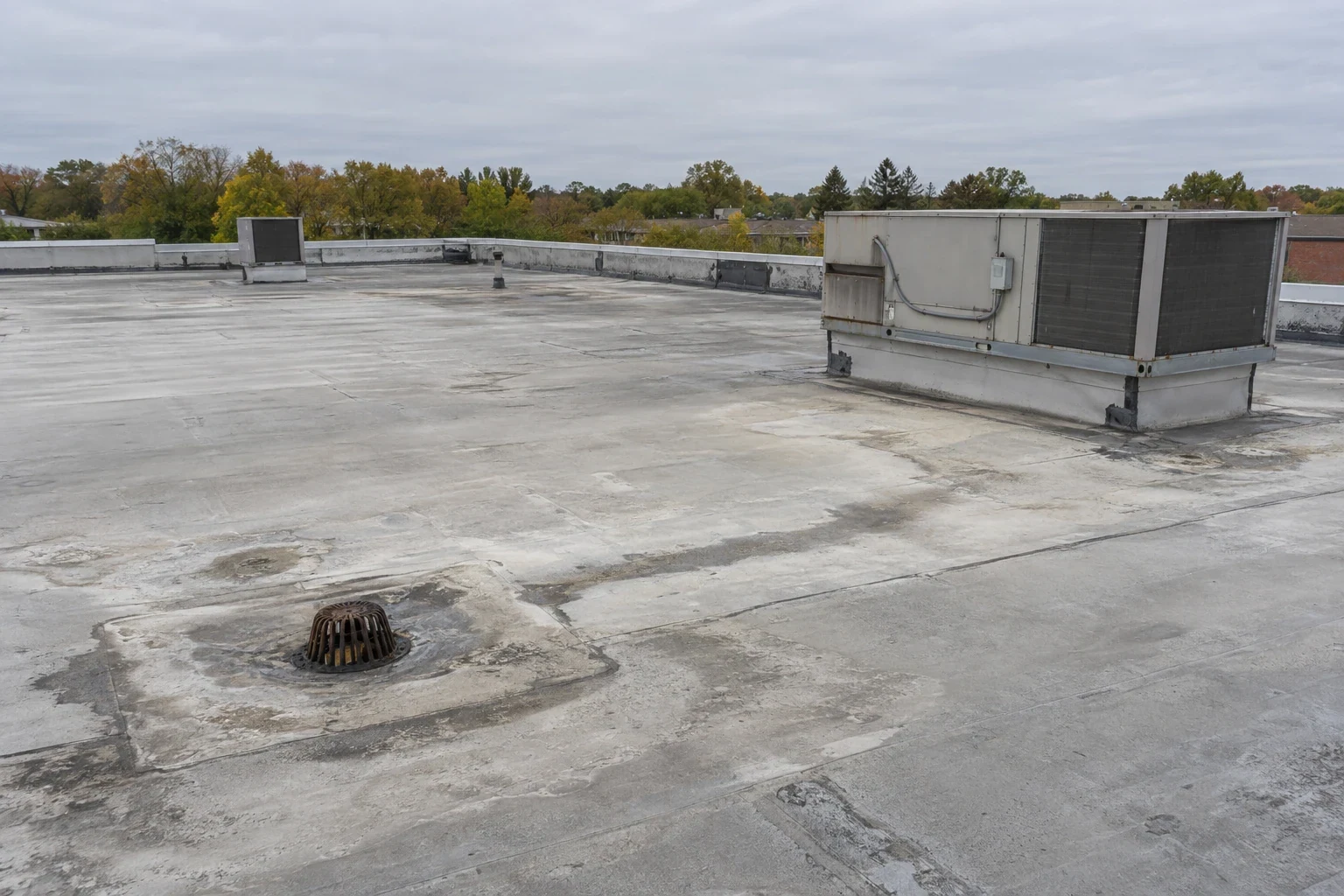
A drain bowl can be partly blocked even when its strainer looks clear. We inspect the bowl, nearby low areas, scuppers, crickets, and visible discharge path, then note where water or debris collects. Persistent ponding may come from an obstructed outlet, a change in slope, or movement that needs engineering review. We do not price a tapered correction until the existing roof geometry and drain height are understood.

Snow can cover drainage paths and hide the start of a seam failure. The Salt Lake City International Airport station’s 1991-2020 normal includes a 12.70-inch January snowfall mean and 51.9 inches annually. After snow, we inspect the building roof for blocked drains, low areas, and exposed seam damage. A drain and scupper repair can address a damaged outlet or roof-level restriction after the cause is identified.

Warehouse Roofing

Stage work above stored goods

Roof work above active storage needs an interior plan as well as an exterior one. We ask what inventory or equipment sits below the repair area, whether goods can be moved, and where a temporary protection zone can be set. When a roof section is opened, we keep the dry-in line within the area that can be closed safely that day. If hidden moisture expands the work, we photograph the new limit before adding material or time.

West Valley City defines planned business parks as groupings of offices, light-industrial facilities, research centers, and support services. At a warehouse, we confirm the roof assembly and coordinate interior notice and equipment clearance with the property contact. A preventive maintenance visit can reduce repeat debris and drainage issues, while distribution center roofing may require broader multi-building coordination. Temperature-controlled storage can add different interior priorities; cold-storage roof work addresses them.

Compare a repair with a broader scope

A local repair can be enough when the surrounding membrane is bonded, insulation is dry, and the defect stays contained. Repeated seam openings, widespread wet material, or deteriorated attachment can change that decision. We compare the repair boundary with a recover or replacement option and identify what each path leaves in place. The estimate separates confirmed work from conditions that need removal or a test cut before they can be priced.

The roof material controls preparation and repair detail. TPO, PVC, EPDM, modified bitumen, coating, and metal do not take the same patch. We verify the assembly, select compatible materials, and show where a field repair ties into a stable lap or flashing. For a larger decision, planned roof repair can address a defined area. We can also preserve photos and priorities across buildings in a roof condition record.

Leave a record for warehouse staff

Closeout photos show the repaired seam, flashing, drain, and surrounding material. We label the building and roof section, record what was removed or replaced, and identify any condition left outside the approved scope. That gives the next shift a place to start if water appears again. The property team can also use the photos to distinguish roof work from a separate interior or mechanical issue.

For a facility near the Northwest Opportunity Area, we note access limits that may affect a follow-up visit. The Northwest Opportunity Area shifts by subarea: industrial and vacant parcels lie north of SR-201, while the district also contains manufacturing, commercial, residential, agricultural, and open-space uses. We inspect the warehouse roof directly and tie each record to the structure. We identify the next check and who needs to coordinate it.

Warehouse Roofing

Common questions

Can roof repairs be scheduled between warehouse shifts?

We can plan the access and work window with the facility contact. Dock schedules, lift placement, equipment shutdowns, and the location of stored goods all affect the sequence. If a repair needs a longer opening, we set the dry-in limit and confirm how the loading area will stay accessible before work begins.

How do you protect inventory during a roof repair?

We identify the area below the work, coordinate any movement or covering of goods, and keep the roof opening within a section that can be closed safely. If removal reveals wet insulation beyond the planned limit, we stop, photograph the condition, and confirm the added area before extending the repair.

What if a warehouse has several roof systems?

We inspect each building or addition and identify membrane type, transitions, and prior repairs. Different roof sections can require different preparation and materials. The scope names the assembly and location rather than applying one repair method across the whole property.

Can you address recurring ponding near a loading area?

We check the drain, scupper, cricket, and roof slope to find why water remains. Clearing debris may restore flow, while a damaged outlet or low area may require repair or a designed taper. If the roof shows movement, we document it and recommend engineering review before changing the roof build-up.

What will the closeout record include?

The record identifies the roof section, visible condition, completed work, photos, and any limit that remains outside the scope. We also note access or inventory restrictions that affect follow-up. If concealed damage was exposed, the report ties the added material to the location where it was found.

Plan warehouse roof work

ServicesRoof SystemsIndustriesProperty TypesService AreasDamage RepairCapabilitiesManufacturersContactAboutRequest a Roof Assessment555-555-5555
Call555-555-5555