Commercial Roofing in Decker Lake Station Area, West Valley City, UT

Plan commercial roofing in Decker Lake Station Area, West Valley City, UT. We inspect the roof, coordinate occupied access, and define repair limits.

Scope commercial roofing at Decker Lake

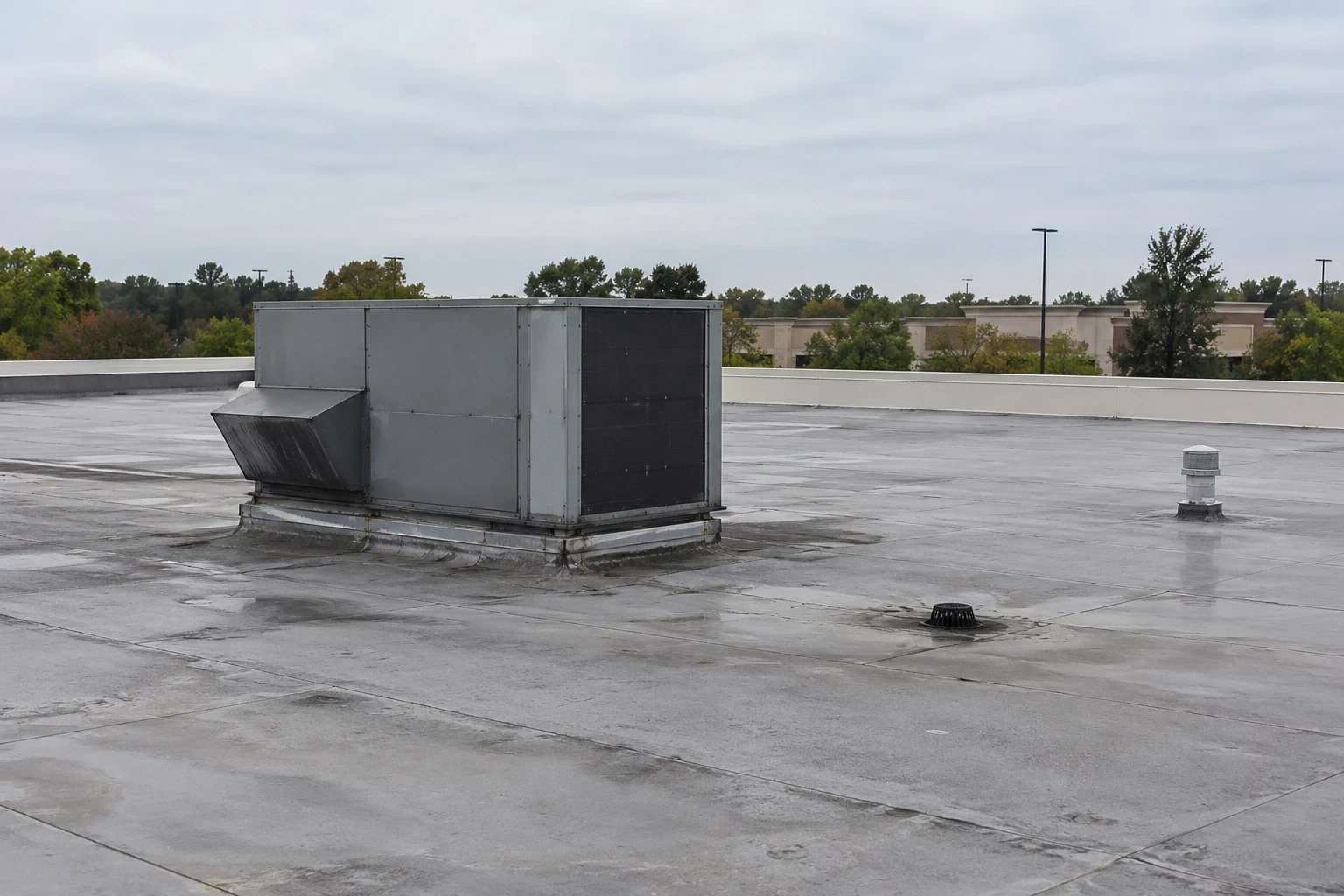
A drain ring submerged by meltwater can keep a seam wet after the rest of the roof clears. We inspect the outlet, membrane tie-in, and nearby low point before choosing a drain repair or broader correction. Decker Lake is one of West Valley City’s four light-rail station areas identified for possible change during the plan horizon. We begin roof work at the building in the work order and confirm its assembly and access window.

Planned uses near Decker Lake Drive include entertainment and very-high-density residential development, with compatible uses integrated around transit. For a roof visit in the area, we confirm the building’s operating schedule and pedestrian routes with its contact. A first inspection records the assembly, drainage, seams, curbs, and interior reports before repair quantities are set.
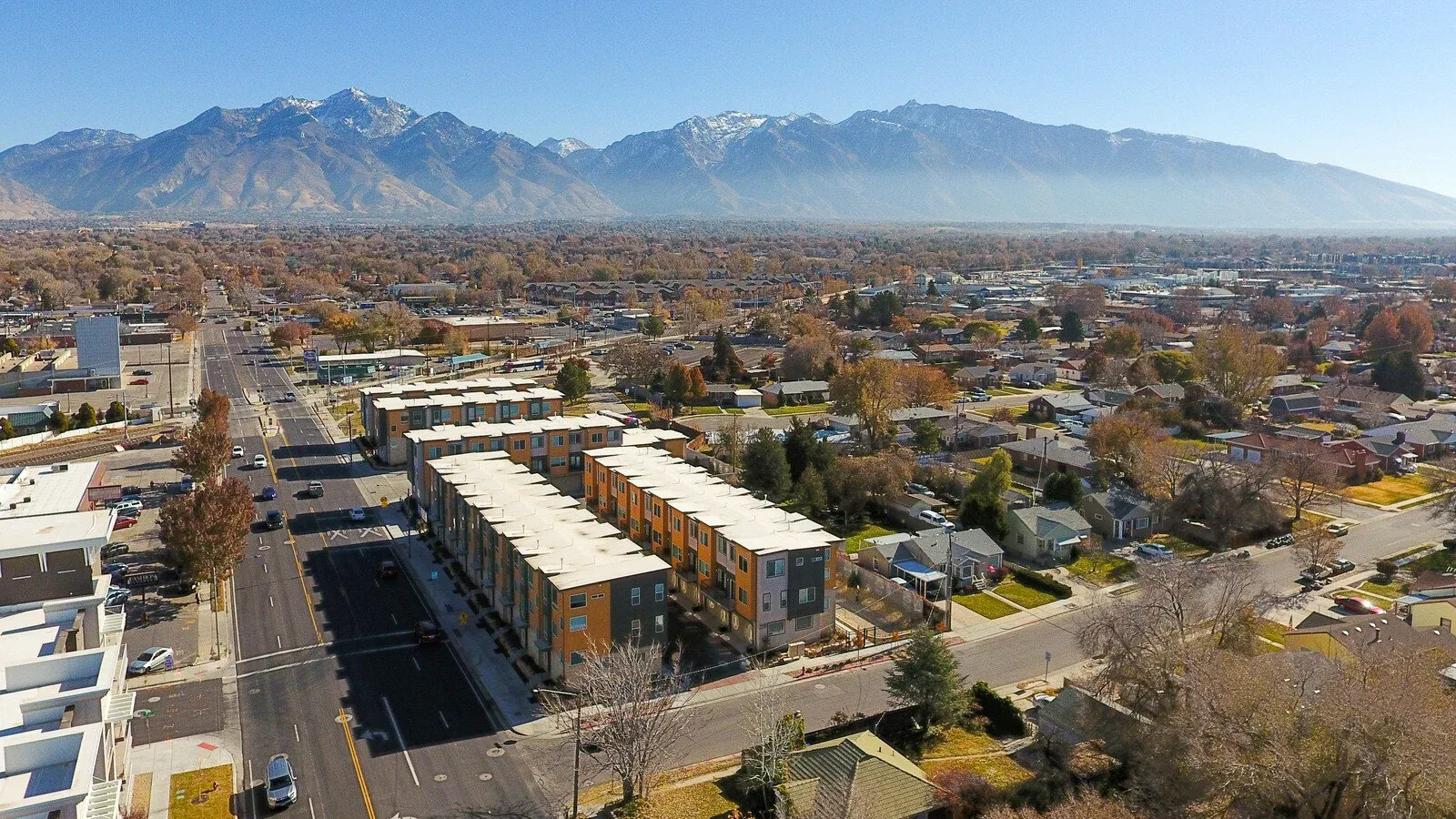
A mixed-use planning area can bring different operating schedules close together, but each project contact confirms the actual use and access rules at the building. We identify which door, roof route, and interior rooms can be affected. A lift, debris container, or material delivery needs a permitted place to stage. If a path must stay open, the repair sequence can work in sections and close each area before moving to the next.

The planned Decker Lake mix near Decker Lake Drive includes entertainment and very-high-density residential uses. We inspect the building in the work order and plan protection for the occupied area below. A phased reroof for an occupied building can limit interruptions when access and dry-in conditions support that approach. A separate district property still needs its own field inspection.

Decker Lake Station Area

Check outlets and low areas after snow

Decker Lake Station Area

Snow and ice can block a drain, scupper, or overflow path and leave water against a seam. We inspect the drain bowl, strainer, clamping ring, and membrane connection once access is safe. If water remains in a depression after the outlet clears, the low area may need a separate slope or insulation review. We map where it sits and note whether the nearby membrane is open, lifted, or soft.

For 1991-2020, yearly snowfall at the Salt Lake City International Airport station averaged 51.9 inches; January's normal contribution is 12.70 inches. After snow, we inspect roof drainage and safe access before setting work. Drain and scupper repair addresses an outlet connection when failure is confined to that detail. If water remains after the outlet is confirmed clear, ponding water roof repair can investigate the low area.

After clearing a bowl, we check how water leaves the sump and whether it returns to the same low point. A persistent line may track toward a seam or curb. We photograph the area after flow stops and note whether a follow-up visit is needed once wet material can be tested. This separates outlet service from repair of the surrounding roof assembly and keeps each quantity tied to what the inspection confirms.

Inspect the roof before choosing a system

A membrane can look intact from a walkway while a wet core sits beneath a lap or curb. We check seams, penetrations, insulation, cover board, and deck where visible. If the hidden layer changes the repair boundary, we request approval for a test cut, photograph what is exposed, and restore the opening with compatible material. We record the test location and any separate roof section that needs review.

July and August normal highs at Salt Lake City International Airport are 94°F and 91.7°F. The station's January and December low-temperature normals also dip under freezing. We verify roof temperature and dryness before applying adhesives or sealants. A commercial roof inspection can document accessible conditions. For an open lap, seam failure repair may be the right scope if the surrounding assembly is sound.

Decker Lake Station Area

Separate a local defect from broader deterioration

A localized defect can support a focused repair when surrounding membrane remains bonded and insulation is dry. Repeated leaks or wet layers across multiple areas may call for a larger cutback or replacement. We describe the observed condition, test points, and area not inspected. The owner can see what is confirmed and what would change the quantity if removal exposes more damage.

Timing and cost depend on the repair length, access height, interior protection, material, and whether another trade must release equipment. We identify those items before setting the work window. If the assembly remains suitable for restoration, roof coating restoration may be evaluated after seams and drains are corrected. If not, commercial roof replacement can be phased by roof zone. Each option follows the building’s inspected condition.

Coordinate work with building operations

Roof work near an active property needs a clear route for people, equipment, and material. The facility contact approves access, lift placement, delivery times, and any area below that must be protected. Mechanical or electrical providers control their systems. If a unit needs to be shut down or moved, roofing work waits for that release and records the handoff before rebuilding the curb or flashing.

Commercial transportation is an important West Valley City employment activity. For the roof visit, the property contact confirms the delivery route and pedestrian path before materials are staged. For another broad district, roofing work at a separate location requires its own building contact and schedule.

Record the repair for the next plan review

Closeout photos show the affected drain, seam, or flashing before work and the finished connection afterward. We note test cuts, concealed conditions, areas left outside scope, and any follow-up that depends on another trade. If work was phased, the record identifies which roof section is complete. That helps the property team connect a future interior report with the correct assembly and repair boundary.

The Decker Lake area may change during the plan horizon; the roof record identifies the sections inspected and repaired during the visit. A roof condition report can preserve photos and priorities for later budgeting. If there are other buildings in the portfolio, their roofs need independent inspections before repair scopes are combined. The next action remains tied to the actual roof condition.

Decker Lake Station Area

Common questions

What access details should facilities confirm near Decker Lake?

The contact confirms the building entrance, pedestrian routes, roof access, and work window. We inspect drainage, seams, and penetrations before recommending repair or replacement.

Can you repair a drain after winter ice blocks it?

We inspect the bowl, strainer, clamping ring, and membrane connection once the roof is safe to access. Clearing ice alone may not fix a damaged outlet or a low area that continues to hold water. We document which condition was found and set the repair around that detail.

How do you protect pedestrian access during roofing work?

The property contact approves the routes that must remain open and the areas where a lift or materials can be staged. We mark the active roof zone and sequence removal to fit the available access window. If site access changes, the work plan is revised before a new section is opened.

What if a test cut finds wet insulation?

We photograph the exposed layers and show how far the wet material extends at that location. The added removal boundary is reviewed before work proceeds beyond the approved scope. The test does not describe a separate roof section, so additional areas need their own evidence.

What should a roof closeout identify?

The record should name the roof zone, repaired drain or membrane detail, photos, and any test location. We also state which areas were not opened or remained inaccessible. Facilities staff can use those references to plan follow-up after the next snow or rain event.

Scope commercial roofing at Decker Lake

ServicesRoof SystemsIndustriesProperty TypesService AreasDamage RepairCapabilitiesManufacturersContactAboutRequest a Roof Assessment555-555-5555
Call555-555-5555