Commercial Roofing in 4700 South Corridor, West Valley City, UT

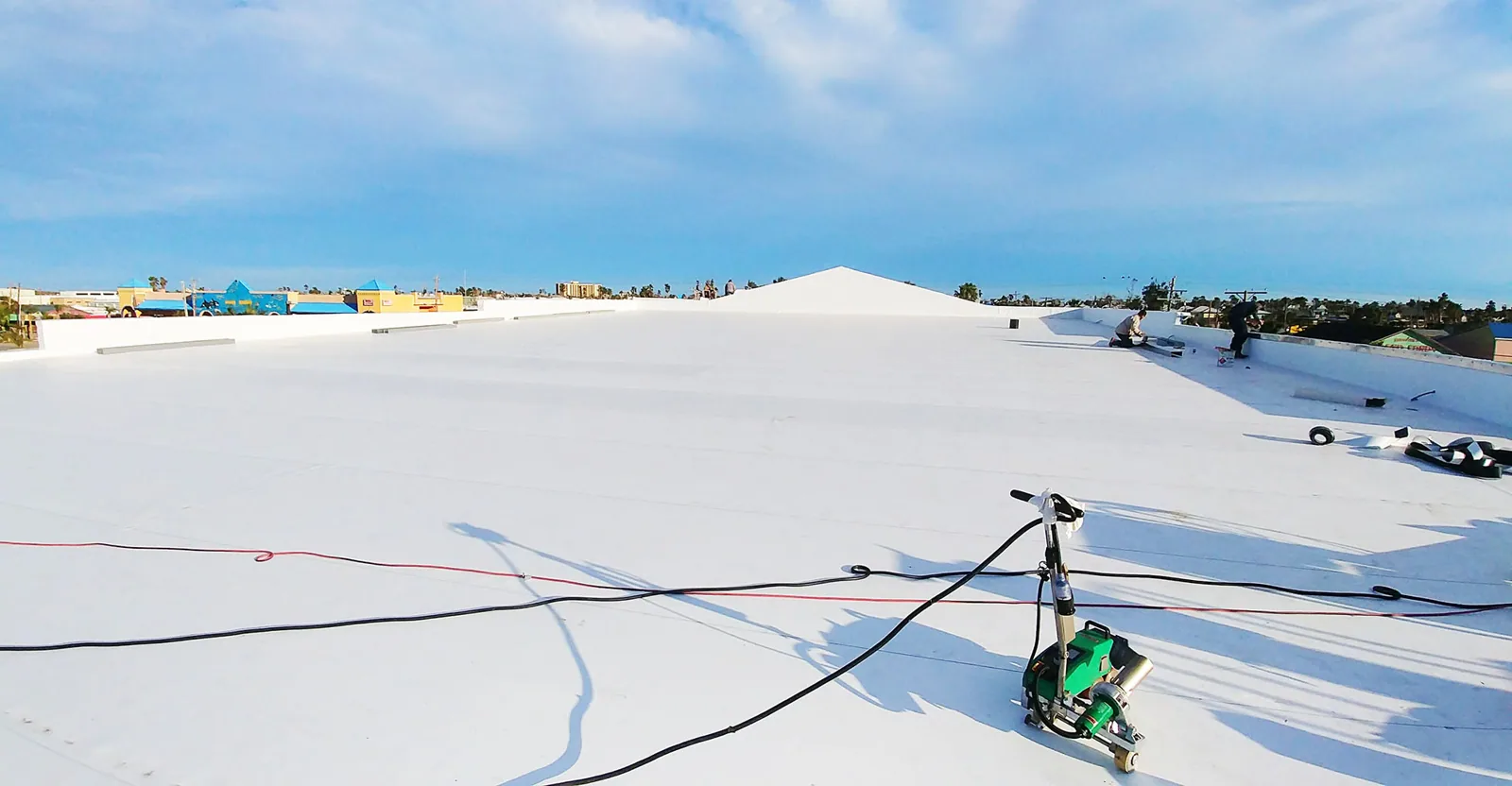
Commercial roofing along West Valley City's 4700 South corridor begins with field checks of seams, drainage, access, and the repair limit.

Set the 4700 South roof inspection

A crushed cover board beside a drain can make a roof patch larger than the visible membrane opening. We check the bowl, sump, and insulation before setting the removal edge. West Valley City's transportation plan lists 4700 South among major arterials and describes a network serving residences and businesses, including trucking and distribution. For a roof job along 4700 South, the site contact confirms the entrance and staging route before mobilization.

The city plan relates major roads to industrial and commercial development patterns. At each property, we confirm building use, access gate, and roof design, then mark the affected zone and nearest sound boundary. If the building has more than one roof section, each section gets its own findings before repair quantities are combined.
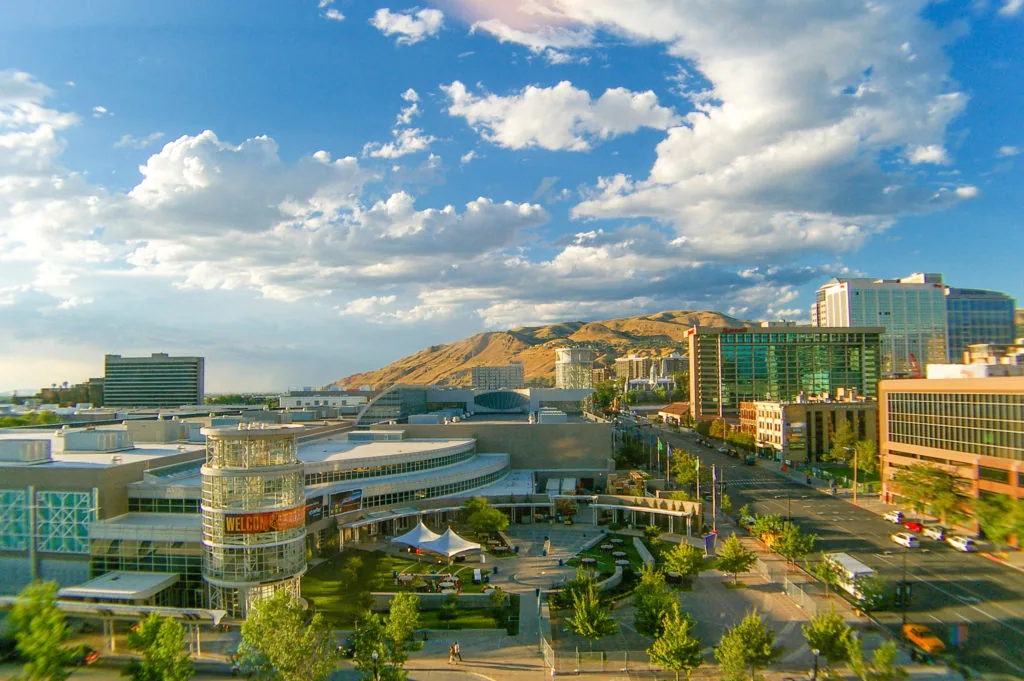
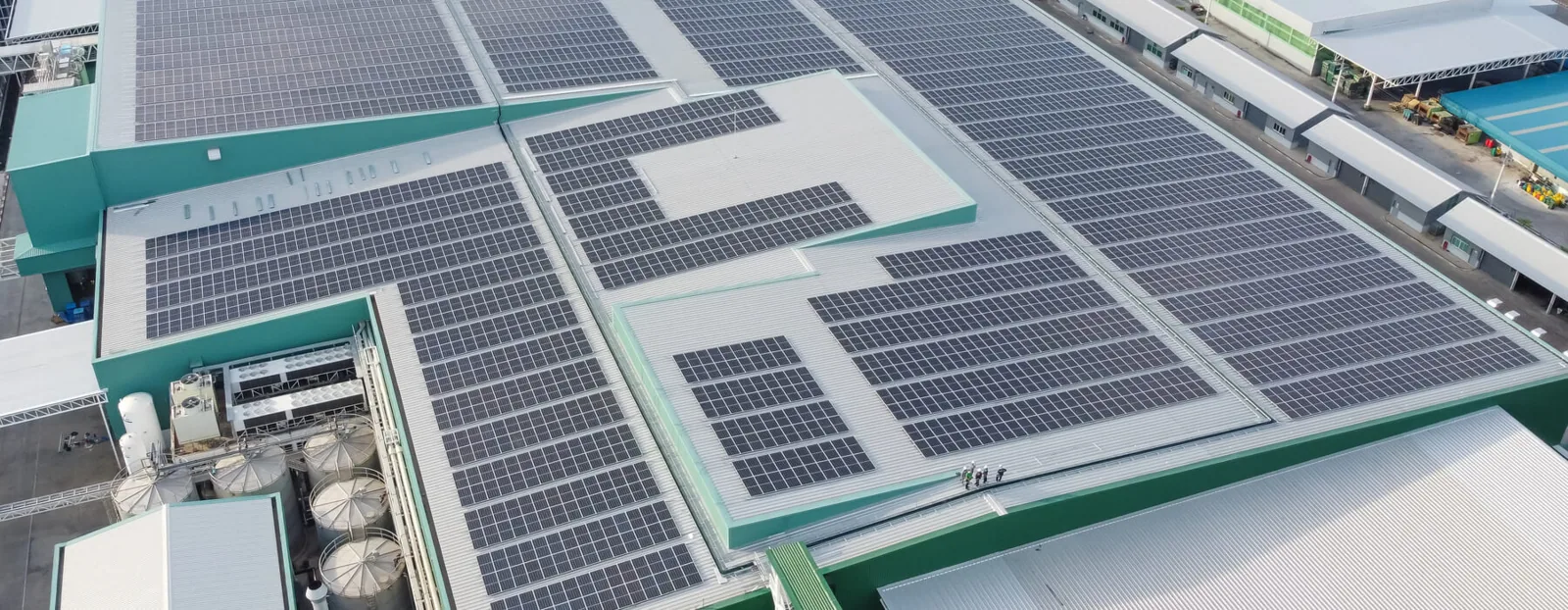
Material handling, lift setup, and vehicle access can affect the work window at a property along a major road. We ask the site contact where a truck may stage, which route must stay open, and whether deliveries or pedestrian access need protection. The city plan describes commercial transportation across the street network. At the property, the contact confirms the actual entrance and staging area.

On the roof, we map the reported leak, nearby seams, penetrations, and drainage before the crew opens material. A commercial roof inspection can establish the current condition. A property near 4100 South or 5600 West can have distinct staging and roof limits, so we map access and repair areas during each visit.

4700 South Corridor

Trace the water path through each detail

4700 South Corridor

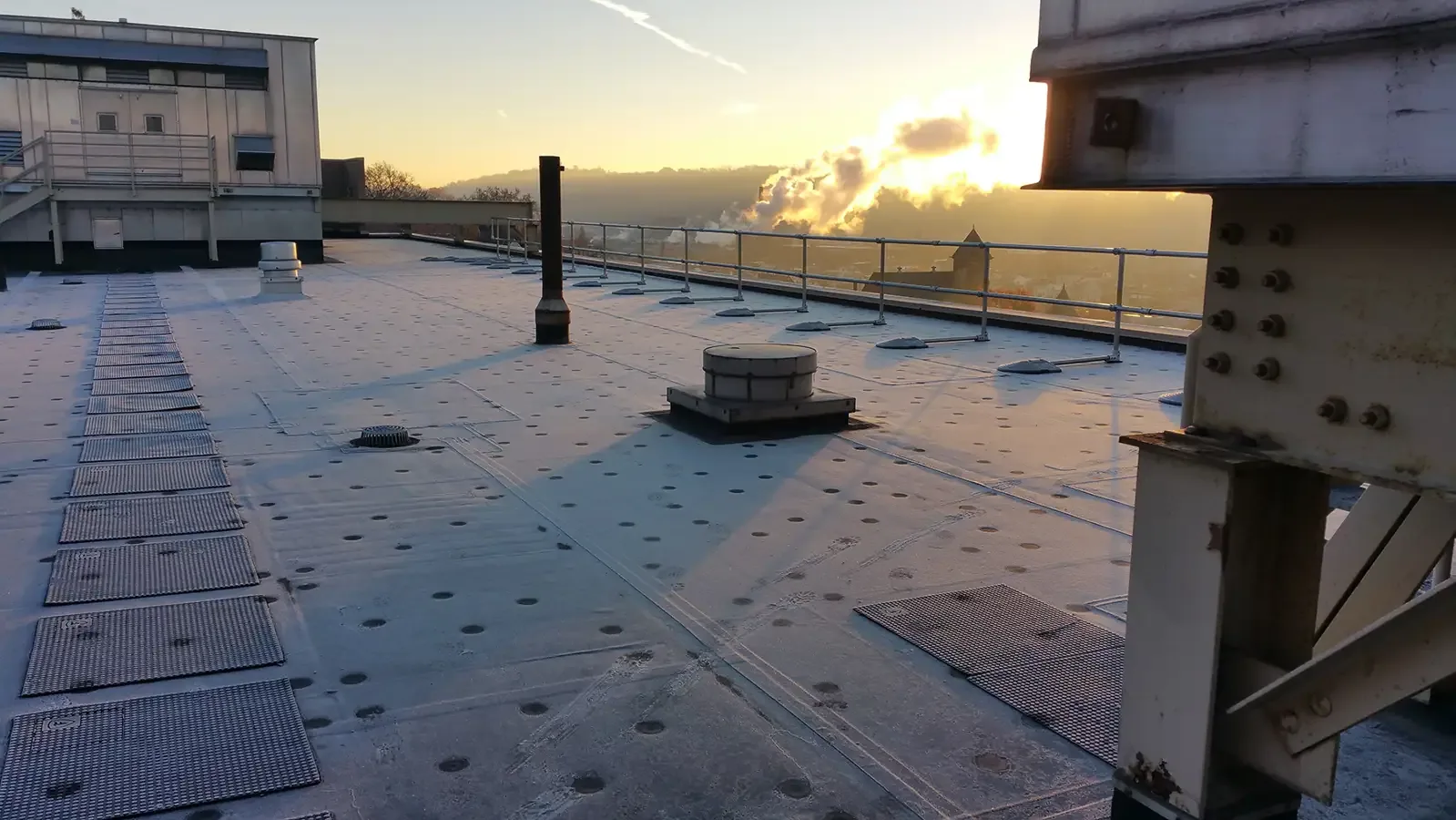
A leak can follow a curb, field seam, or low point before reaching the ceiling. We inspect above the reported interior area and check each likely entry detail. At a seam, we test bond at both ends. At a curb, we check flashing height, corners, and termination. If the material is loose beyond the visible gap or the insulation feels soft, we mark where a test cut can tell us how far removal should continue.

Drainage needs a separate look. We clear the bowl when access permits, inspect the clamping connection, and check the slope around the sump. A blocked outlet differs from an area where the assembly has settled. A drain and scupper repair can address the outlet, while a seam correction follows an open lap. For each detail, we note whether the material is bonded, loose, or visibly damaged and mark the closest tie-in to sound membrane. A curb needing counterflashing gets a separate quantity from a low drain sump. This makes the repair price track the roof condition that changes the water path. When both issues are present, the estimate lists separate limits instead of folding them into one patch allowance.

Open the roof only to answer a scope question

A test cut shows whether the insulation is dry and which layers sit below the membrane at that point. We choose its location to resolve a decision about repair, recovery, or removal. The opening is labeled and photographed before the assembly is restored. If the core is sound, the repair may stay at the visible defect. If moisture continues across the next area, the tear-off limit moves only after that boundary is documented.

Wet board, weak deck, or loose attachment changes labor, disposal, replacement material, and the amount of roof that can remain open each day. We show each added quantity separately. A cover-board correction may be needed where the base no longer supports the membrane. If failures recur across several zones, compare the repair with commercial roof replacement on the same confirmed roof areas.

4700 South Corridor

Check the material window against the actual surface

The Salt Lake City International Airport station’s July daily-high normal is 94°F, with August at 91.7°F. Before applying adhesive or coating along 4700 South, we read the membrane and substrate at the property. A hot roof can change handling and cure time; a damp surface can prevent proper bond. The field reading governs the work window.

The same station records normal minimum temperatures below freezing in January and December. We inspect current conditions before selecting primer or flashing material. If the roof is wet, icy, or outside the product range, we keep the open area protected and reschedule the repair. A planned inspection can record drains, edges, and open seams before a leak call forces immediate work.

Set the stopping point before the crew starts

The transportation plan includes homes, businesses, trucking, and distribution in its network context. Before work, the property contact confirms operating zones, entrances, equipment schedules, material staging, and ground areas that must stay clear. A marked daily work area keeps roof removal and site operations on the same schedule.

If the roof covers active space, we define the dry-in line and inspection holds before removal. A phased reroof plan can keep work within a section that can be closed on schedule. We also identify who approves a change if the deck or insulation is different than expected. The roof remains protected while the owner reviews added work; the next section does not open until access and scope are clear.

Compare the repair with a broader scope

Repair cost follows seam length, flashing count, surface preparation, access, insulation removal, and drainage or edge corrections. We measure what inspection confirms and distinguish that work from areas still concealed. If an approved test cut exposes wet layers, we show where the repair boundary moves and request approval before adding removal. That lets the owner compare a contained fix with the actual cost of widening it.

When repairs repeat across several zones, we review attachment, drainage, and substrate before recommending another patch. A roof condition report can preserve photos and findings by section. For owners with several buildings, we file each roof’s repair history and test findings under its own property record. Closeout records completed seams, replaced layers, and any area left untested.

4700 South Corridor

Common questions

How do you establish the roof system during an inspection?

We identify the membrane, attachment, drainage, and flashing during the property inspection. If records differ from the visible assembly, we mark the conflict and test only where the result changes the work. If records do not match the visible assembly, we mark that conflict and test only where the result changes the work.

Can a roof repair be scheduled around truck access?

We confirm the property's loading route, lift placement, delivery window, and ground area before selecting a work section. The site contact sets the route to the property, and the crew keeps the roof opening within the planned dry-in limit.

When do you need to test insulation near a drain?

A soft spot, repeated leak, or movement around the sump can justify a test cut when the core condition will change the repair. We mark the opening and record each layer. Dry, stable board may support a local correction. Wet insulation moves the removal boundary and requires a revised quantity before the crew expands the work.

What roof condition usually changes a patch into replacement work?

Several failures across separated areas, broad moisture, or weak attachment can justify a comparison. We verify those conditions, drainage, and edges before pricing removal. If tests show isolated defects on a sound base, a local repair can remain the narrower choice. The estimate states what finding changes the scope.

Does summer temperature in the region set my roof repair window?

No. Airport station normals help frame seasonal planning. We check surface temperature, moisture, and material instructions at the property. If the sheet cannot be prepared or bonded correctly, we protect the roof and return when conditions support the specified repair.

Set the 4700 South roof inspection

ServicesRoof SystemsIndustriesProperty TypesService AreasDamage RepairCapabilitiesManufacturersContactAboutRequest a Roof Assessment555-555-5555
Call555-555-5555