SOPREMA Commercial Roofing in West Valley City, UT

Evaluate SOPREMA modified-bitumen and liquid-applied roof conditions in West Valley City before repair, restoration, or replacement.

Set the SOPREMA repair boundary

A split in the cap sheet beside an SOPREMA roof drain can come from a worn surface, an open lap, or movement in the layers below. We inspect the surfacing, seam, drain, and substrate before choosing a patch or opening a test area. In West Valley City, UT, Fairbourne Station's civic and commercial mix can affect when a repair crew can stage. We set the access window after marking the roof condition and the daily dry-in limit.

SOPREMA makes roofing products that include SBS-modified bitumen membranes and ALSAN liquid-applied systems. Those materials serve different repair and restoration roles. We identify whether the roof has a granulated cap sheet, smooth modified bitumen, or a liquid-applied detail before selecting a compatible repair. Prior coatings and patches can alter the receiving surface. A product name is only useful after the existing layers and the repair boundary are confirmed.
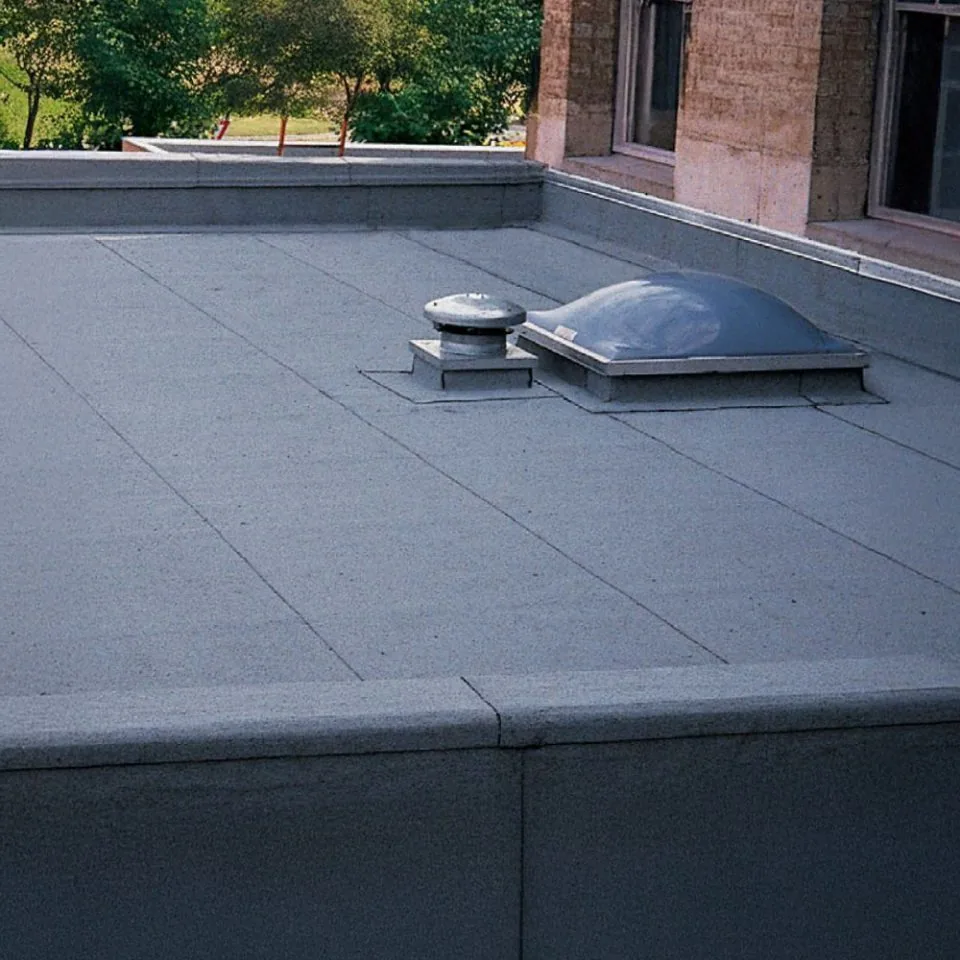
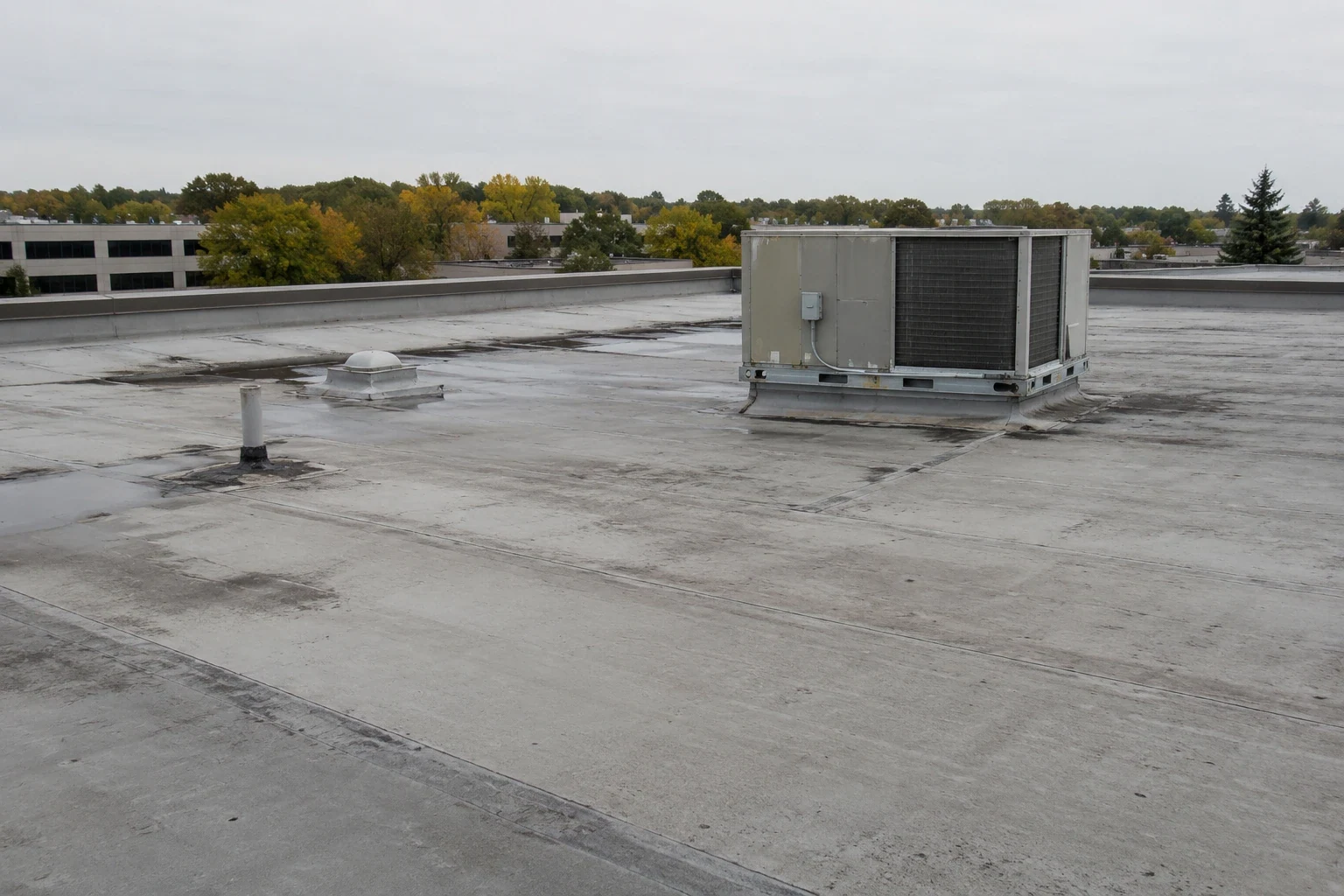
A lifted granule line or open lap should be checked at both ends before we price a strip repair. We look for split reinforcement, loose surfacing, blistering, and evidence that water has moved below the cap sheet. If the opening is isolated and the layers beneath remain firm, the repair may stay near the exposed seam. Broad cracking, repeated patches, or soft areas call for a test cut and a wider limit.

SOPREMA's SBS-modified bitumen products use a reinforced sheet construction. The installed product and application method determine how it can be repaired. We inspect the overlap and nearby flashing, then prepare only the area that can bond to stable material. Heat-applied work also needs a safe sequence and a dry-in plan. A Johns Manville SBS roof or Carlisle single-ply system has different details; the current assembly decides the repair procedure.

SOPREMA Commercial Roofing

Use liquid flashing only on a prepared base

SOPREMA Commercial Roofing

ALSAN RS is a liquid-applied PMMA roofing and flashing system that can be used for tie-ins and details when the substrate and primer requirements support it. Liquid material does not erase a wet core, loose cap sheet, or failed drain connection. We inspect the substrate and identify compatible layers before considering a liquid repair. A small prepared area can confirm the interface that will receive the system.

At pipes, curb corners, and tight transitions, a liquid-applied detail can address shapes that are difficult to cover with broad sheet pieces. We follow the system requirements for preparation and reinforcement, then check the cured finish and termination. Where a seam has failed under the surface, the first task is to expose and correct the cause. A modified-bitumen repair or roof coating comparison should remain separate from the liquid flashing work until compatibility and condition are established.

Check for moisture before adding material

A cap sheet can hide wet insulation or a deck that has shifted. We inspect low areas, drain bowls, penetrations, and prior repairs for soft movement or blistering. Test cuts show the layers and moisture at selected points. We choose each opening to decide whether the existing material can remain or how far removal needs to go. The location is marked and the finding is photographed before the opening is restored.

Modified-bitumen repair, coating, and replacement have different base requirements. A coating needs a compatible, sound surface and cannot correct saturated board or loose attachment. New plies require a stable deck and details that can accept the added layers. We compare the confirmed assembly with restoration coating work or replacement only after drainage and termination heights are checked. Added insulation or deck work stays separate when it has not yet been opened.

SOPREMA Commercial Roofing

Keep water moving across the finished roof

A drain with a blocked bowl or damaged clamp ring can keep water against a modified-bitumen seam. We clear the outlet, check the sump, and look for settled insulation around it. If the low area remains after the bowl is clear, slope correction may be needed. We list the drain, field membrane, and slope as separate conditions so a new cap sheet is not expected to fix water that has no clear route off the roof.

At parapets and edges, we inspect metal joints, termination bars, counterflashing, and the base supporting the membrane. A loose corner may let water enter behind the flashing even when the field remains bonded. We trace the detail to sound attachment and record any metal replacement. We price drain corrections and coping work separately where inspection ties them to the failure.

Coordinate access with weather and operations

West Valley City's transportation plan identifies trucking and distribution along the northern SR-201 corridor. At a property near that area, lifts and material deliveries may need to stay clear of loading movements. We confirm the route to the roof, the staging footprint, and how much material can arrive without blocking operations. Those details can affect the number of daily work sections and how each one is protected at close.

The city general plan describes Fairbourne Station as a mix of civic, retail, office, hotel, and multifamily development. That setting may keep multiple public and tenant paths in use. We identify the active entrances and agree on temporary barriers before moving roofing materials. Salt Lake City International Airport’s 1991-2020 normal annual precipitation is 15.52 inches. Before applying liquid or heat-welded material, we check surface moisture and product limits at the site.

For a smaller repair, the site contact can help keep the access plan focused: confirm where the lift may stand, which doors need protection, and when the crew can reach the roof. We record the agreed daily limit and stop work before the roof exceeds the dry-in capacity. A Fairbourne Station property and a northern SR-201 site may require different staging, though the same inspection questions still apply.

Separate repair quantity from hidden work

Price changes with lap length, layers to remove, flashing details, access, drain corrections, and how much insulation or deck must be replaced. We record the cap-sheet condition and test findings, then price the confirmed area. If material remains dry and bonded outside one seam, the work can stay local. If a cut shows moisture continuing beneath the roof, we set a new boundary and obtain approval before widening removal.

Several patches, broad surfacing cracks, or repeated leaks can justify a comparison with replacement. We write both options against the same verified conditions and identify the point where the costs separate. Closeout includes photographs of prepared laps, new flashing, test openings, and areas not examined. For a longer-term file, condition reporting can organize each roof section and open question so future work starts from a documented location rather than a general assumption.

SOPREMA Commercial Roofing

Common questions

Can an SOPREMA modified-bitumen lap be patched?

A local repair may work when the split is limited and the layers beneath it are dry and stable. We inspect the cap sheet, lap, and nearby flashing, then open a selected area if the core will change the scope. Broad cracking or repeated patch edges may need a wider correction. We identify confirmed quantities before pricing any added removal.

When is ALSAN RS appropriate for a roof detail?

We consider it only after the receiving surface, product compatibility, and preparation requirements are confirmed. A liquid-applied detail can suit certain transitions, but it does not fix wet insulation or a loose underlying membrane. We check the base, use a test area when needed, and state where the liquid system starts and stops.

Can a coating fix a modified-bitumen roof with ponding?

A coating does not correct a blocked drain, low deck, or saturated insulation. We clear and inspect the drainage path, test the roof layers where useful, and assess whether the existing surface is compatible and sound. Any slope or drain correction is priced separately from coating preparation and application.

What determines the timing for SOPREMA roof work?

The surface must meet the selected system's preparation and application limits. Moisture, temperature, wind, access equipment, and the daily dry-in section can affect the sequence. We verify actual roof conditions and coordinate deliveries or tenant routes before starting. If a safe, dry application window is not available, we protect the area and reset the work period.

Set the SOPREMA repair boundary

ServicesRoof SystemsIndustriesProperty TypesService AreasDamage RepairCapabilitiesManufacturersContactAboutRequest a Roof Assessment555-555-5555
Call555-555-5555