Silicone Roof Coatings in West Valley City, UT

Review silicone roof coating restoration in West Valley City by checking adhesion, wet areas, seams, drainage, and the surface that will receive coating.

Test the roof before coating

A silicone film that peels from a curb does not tell us whether the whole roof has lost adhesion. We inspect the edge, field surface, and material below before recommending another coat. For a building near the northern SR-201 industrial area, we confirm the lift setup and truck route with the property contact before mobilizing. Along 3500 South, building access can depend on the active street frontage. The test area defines the coating boundary; the site plan defines the work window.

Silicone coating can restore a compatible roof surface without replacing the entire assembly. It still needs a dry, stable base and sound flashing. Dirt, moisture, incompatible repairs, or loose coating can prevent adhesion. We map those conditions, prepare a representative test patch, and check how it bonds after curing. If the roof has wet insulation or failed attachment, coating does not solve that concealed condition. We separate surface restoration from removal and substrate repair.
Existing materials can vary across one roof. We inspect the current coating, membrane, metal, or modified bitumen and note changes at additions and repairs. A test patch checks whether preparation and the proposed silicone material will bond. We allow the patch to cure, then examine adhesion at its edge. If it releases or lifts, we adjust preparation or stop until the assembly is identified. An EPDM field may need different surface preparation; compare it with EPDM roofing before selecting a repair path.

Loose layers need removal before a new coat can hold. We scrape or abrade only within the approved area, remove dust, and verify the surface is dry. Primer requirements depend on the existing material and product system. We keep the test location visible and photograph it before expansion. If the base remains suitable, a roof coating restoration can specify preparation and coverage by zone rather than treating every section as identical.

Silicone Roof Coatings

Separate ponding from hidden moisture

Silicone Roof Coatings

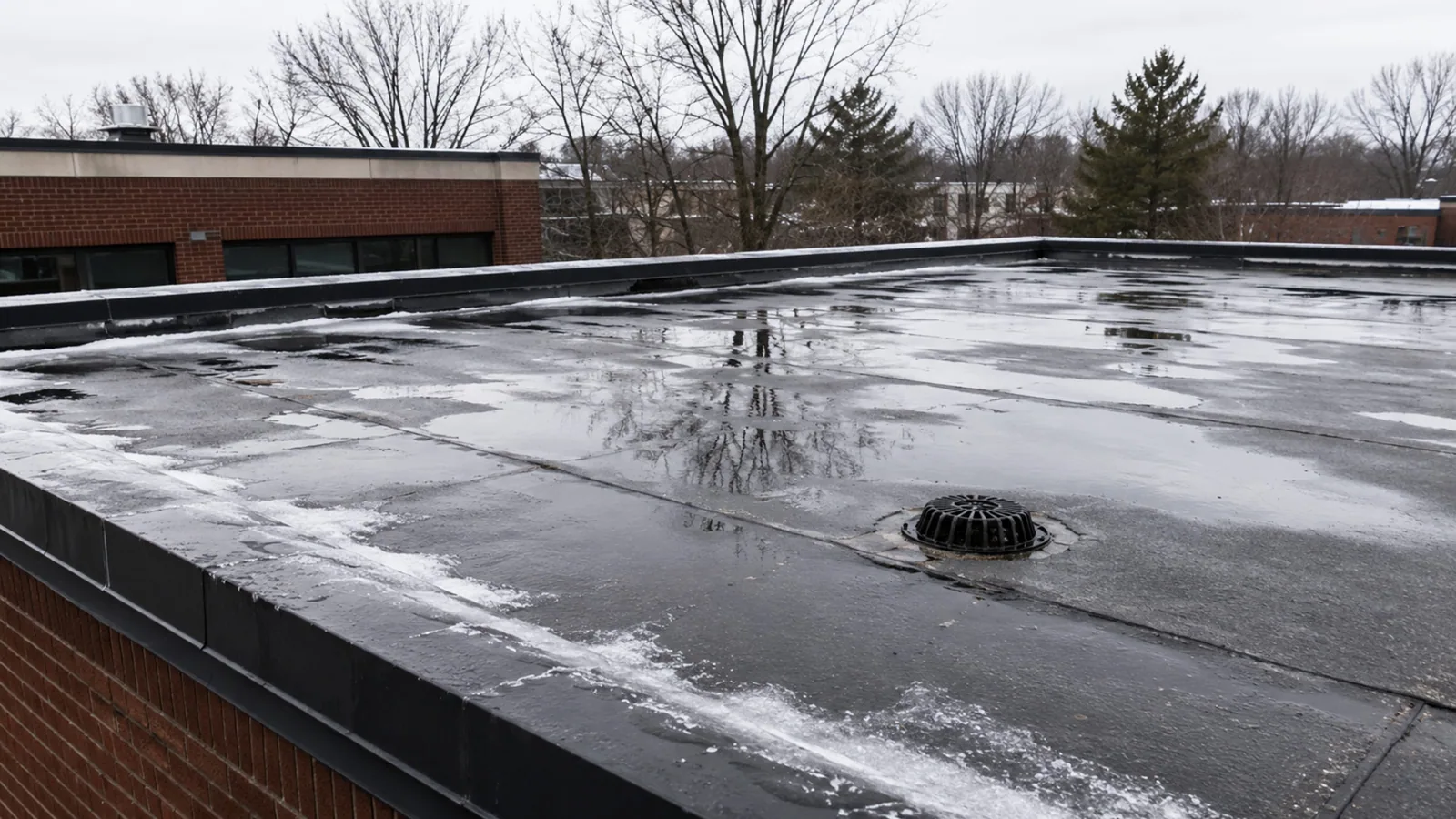
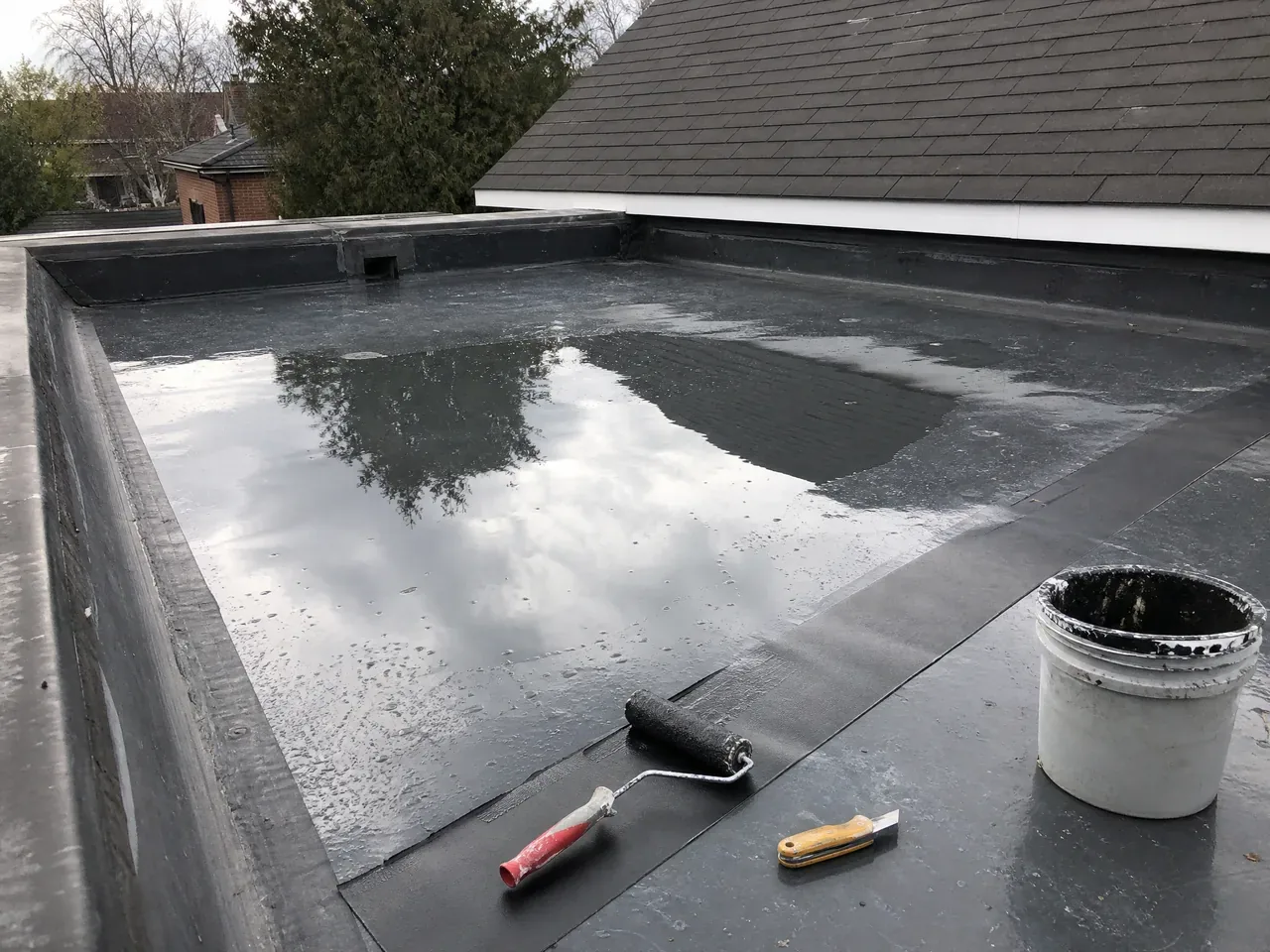
Water standing on a roof can be a drainage issue even when the coating remains bonded. We inspect bowls, scuppers, sumps, and low points after clearing debris. The source may be a blocked outlet, a depressed deck, or insulation that has compressed. We record the suspected cause and identify any test opening needed to confirm the substrate. Coating thickness alone cannot correct a settled area.

Moisture below a membrane needs a different scope from surface coating. We use test cuts or approved moisture measurements where the result affects removal limits. Wet insulation is marked for removal, and the new coating line stops at a sound boundary. A ponding water repair may address drainage or localized damage; we price that correction separately from the coating. The owner can see which work changes the water path and which renews the exposed surface.

Rebuild edges and penetrations

Coating performance depends on the transitions as much as the open field. We inspect parapets, curbs, pipes, drains, skylights, and metal edges for loose flashing or exposed substrate. Cracks and seams may need reinforcement before the field coat is applied. We list each detail that requires repair and check how it ties into the existing assembly. The final coat should not bridge a moving joint without an appropriate detail.

At roof edges, we look for open metal laps, missing fasteners, and separation from the wall. A loose termination can allow water behind a coating that looks continuous from above. We repair that component before restoring the adjacent field. When broader replacement is needed, compare the assembly with a TPO membrane system only if material compatibility, exposure, and drainage permit. Product requirements guide primer, reinforcement, and finish application.

Silicone Roof Coatings

Choose a dry application window

The Salt Lake City International Airport station records a 1991-2020 annual precipitation normal of 15.52 inches. Before coating, we check the actual roof and current weather. Substrate moisture, surface temperature, wind, and the manufacturer's application limits all matter. The crew does not coat a wet or dirty area and rely on the film to seal it.

West Valley City identifies the northern SR-201 area as a freight and distribution corridor. We coordinate lifts and material delivery around those operating routes. The adopted street plan also names 3500 South as a major arterial. A property on that corridor may require a distinct staging plan from an enclosed industrial site. We confirm the access point, tenant paths, and equipment limits before setting the application sequence. Each shift ends with the treated area protected from traffic and water.

Price surface work and repairs separately

Coating cost depends on preparation, repair area, reinforcement, material quantity, and access. A clean, attached surface with a small number of details differs from a roof with loose coating or multiple wet sections. We map the areas that pass the test patch and identify those requiring removal. The proposal separates confirmed coating from substrate repairs and untested locations.

When the roof has widespread moisture, weak attachment, or repeated detail failures, replacement may be more practical. We compare coating restoration with commercial roof replacement by scope, removal, drainage work, and access. A condition report can preserve test locations and closeout photos for later planning. We do not carry hidden damage as a known quantity. The owner reviews the base work and any separate allowance before mobilization.

Record each coated zone

We document the surface preparation, test-patch result, repair work, and final coating by roof section. Photos identify drains, curbs, edges, and areas left outside the scope. If a test cut revealed wet insulation, the closeout notes where material was removed and what remains unconfirmed. Those details help future inspections check the same spots instead of guessing at the original boundary.

The North SR-201 corridor and 3500 South corridor have different access contexts, but neither changes the coating specification by itself. We preserve staging and operating limits in the project record. The facilities team receives a baseline of the completed surface, excluded areas, and any maintenance point that warrants another look after weather exposure.

Silicone Roof Coatings

Common questions

How do you know an existing roof can accept silicone coating?

Suitability starts with the surface, its material where identifiable, and a prepared test patch. The base must be dry, attached, and compatible with the selected system. Loose coating or wet insulation needs correction before the field is restored. We record the test result and price preparation separately from application.

Will silicone coating fix a low area that holds water?

Because a coating follows the roof profile, it cannot erase a depression. We check the drain, sump, and surrounding slope to determine whether blockage, settlement, or compressed insulation is involved. If geometry needs correction, that work is priced separately. We do not treat a thicker coating application as a substitute for a drainage repair.

What happens if the coating test patch does not bond?

An unsuccessful patch keeps the crew from expanding the application. We review the surface and preparation; the roof may need cleaning, a compatible primer, or removal of a failed layer. If a sound bond still cannot be achieved, we compare another repair system or replacement. The test result stays in the record with the revised scope.

Can wet insulation stay under a new coating?

No coating dries concealed insulation. We test areas where moisture would change the repair boundary. Wet or compressed material is removed within the approved scope and replaced with a sound substrate. We mark the test and removal limits so the price identifies what was confirmed and what has not been opened.

What controls the coating schedule?

Application depends on a dry substrate, roof temperature, forecast, wind, and product limits. We also coordinate access, staging, and operating hours. If conditions shift, the work pauses at a secure edge. The daily sequence identifies where application can stop without leaving an exposed repair or unfinished detail.

Test the roof before coating

ServicesRoof SystemsIndustriesProperty TypesService AreasDamage RepairCapabilitiesManufacturersContactAboutRequest a Roof Assessment555-555-5555
Call555-555-5555