Commercial Roof Coating Restoration in West Valley City, UT

Restore a sound commercial roof in West Valley City with a compatible coating system, surface preparation, detail repairs, and a documented work limit.

Check whether restoration fits

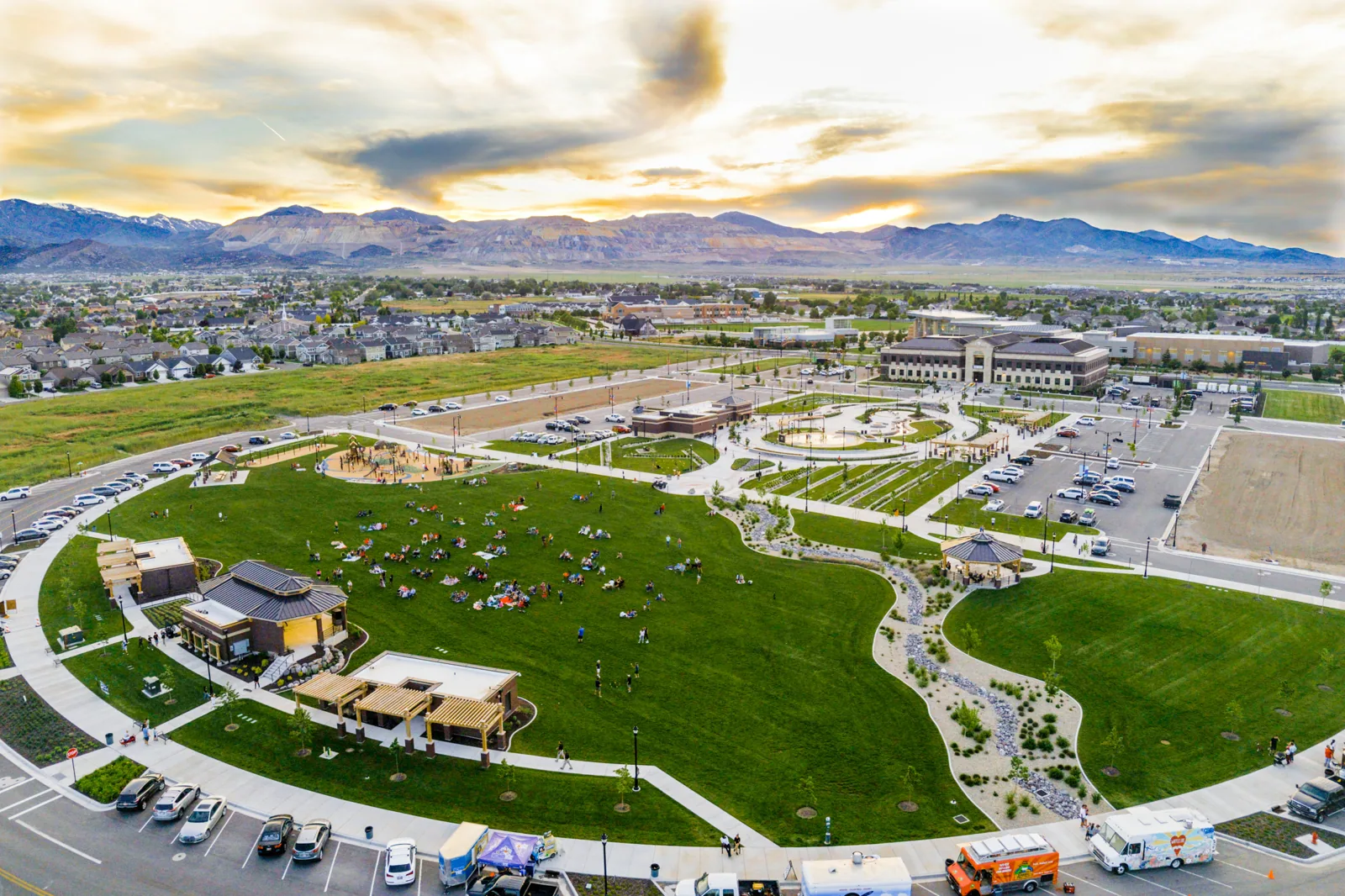
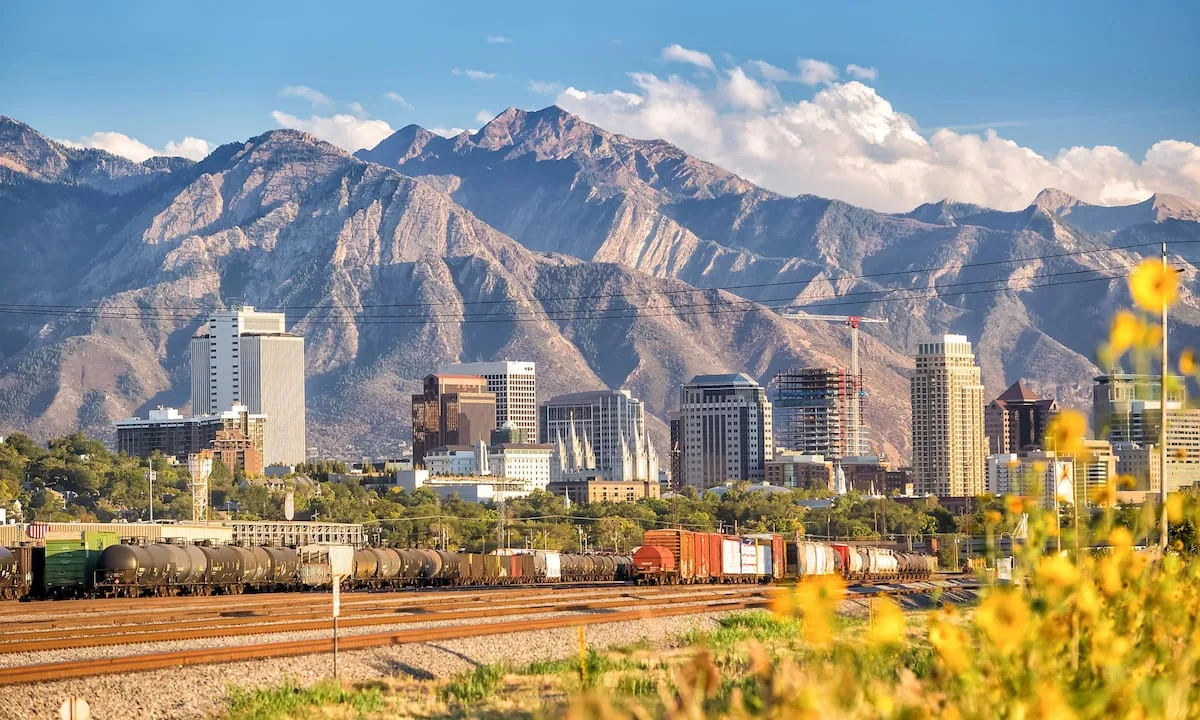
A coating over a loose seam can hide movement without stopping it. Before proposing restoration, we check the existing membrane, repairs, attachment, and moisture so the coating has a sound surface to bond to. In West Valley City, UT, Fairbourne Station is planned for office, hotel, retail, civic, and multifamily uses. The northern SR-201 corridor has light-industrial, trucking, and distribution activity. For a roof visit in either area, the property contact confirms access, staging, and loading limits before work is planned.

Coating restoration can renew a roof surface when the existing assembly is dry, stable, and suitable for the selected system. It does not correct wet insulation, failed attachment, or a deck problem. We inspect the roof, mark repairs, test adhesion where needed, and confirm the preparation requirements before setting a scope. The owner gets a coating option only where the field evidence supports it, with replacement or repair considered where it does not.
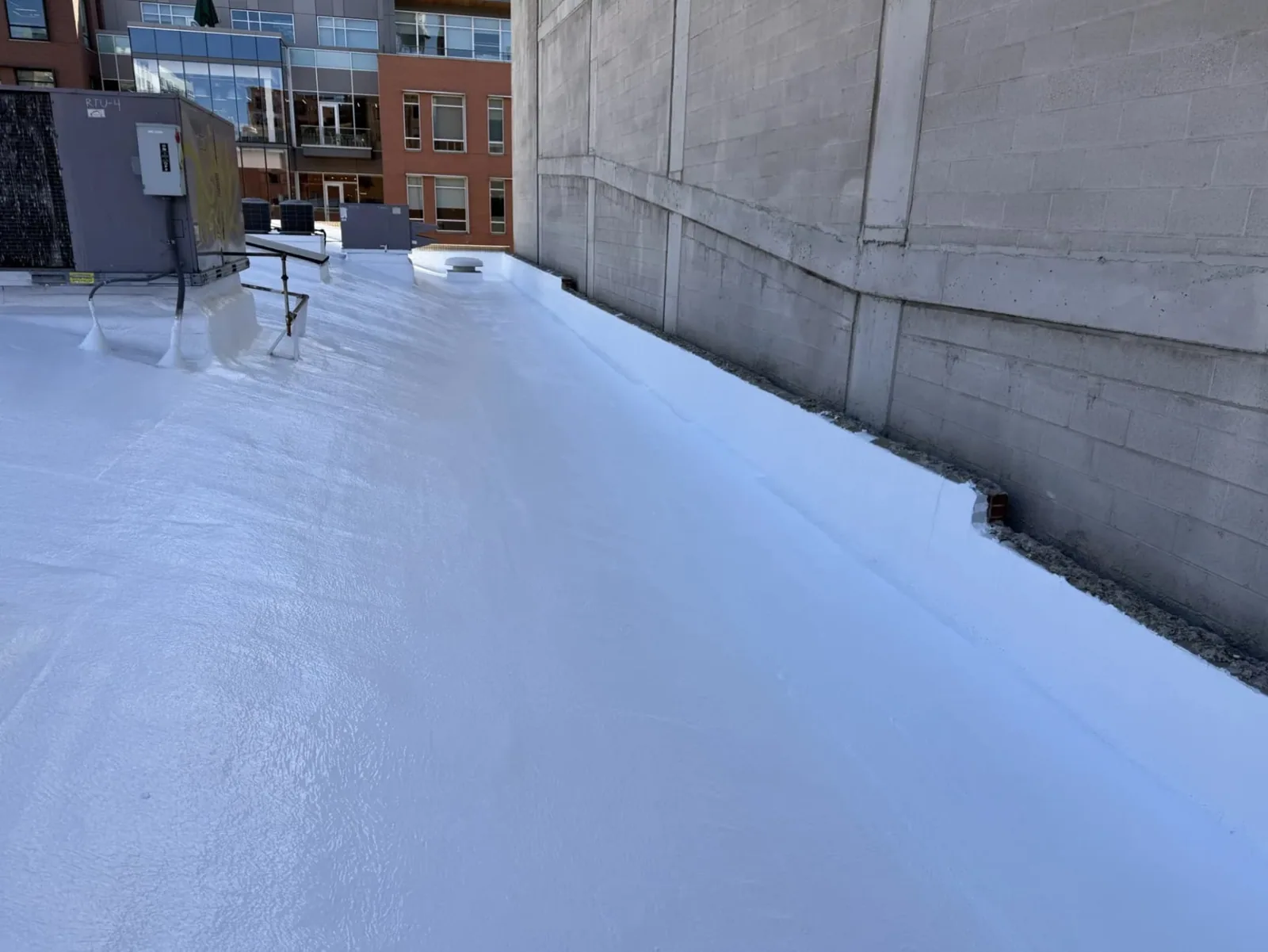
Blisters, chalking, peeling patches, and open seams change the preparation plan. We inspect the roof surface and details, identify existing layers, and look for soft areas or moisture indicators. A test cut may be needed where the assembly is uncertain. If insulation is wet or the substrate is unstable, a coating will bridge the symptom rather than correct the assembly. We map those areas separately before deciding whether restoration remains practical.

Roof material also affects system compatibility. Metal, modified bitumen, single-ply membrane, and an older coating each need the right preparation and primer. We check adhesion on representative areas, verify that the surface can be cleaned, and review whether repairs can be made before the field coating. A hands-on commercial roof inspection can document the existing condition. Where the substrate is sound, silicone roof coating or another compatible coating system may be evaluated for the roof.

Commercial Roof Coating Restoration

Repair details before coating the field

Commercial Roof Coating Restoration

A coating should not be asked to seal a failed termination or moving joint. We repair open laps, loose flashing, punctures, and penetrations with details compatible with the roof assembly. Drain bowls, scuppers, curbs, edge metal, and transitions need careful treatment because coating thickness can change water flow or cover a defect. We keep outlets open and define reinforcement areas before application so the finished surface does not bury a service point.

Preparation includes removing dirt, loose coating, biological growth, and material that could interfere with adhesion. The roof must dry before primers or coating go down. We also protect equipment, drains, and adjacent surfaces from overspray or runoff. If a local defect extends past the planned repair edge, we pause and show the expanded boundary. A commercial roof repair may be the better first step where the field remains stable but a detail needs correction.

Match coating chemistry to the roof

Silicone, acrylic, and other coating systems have different strengths and limits. We consider the existing roof material, slope, drainage, expected foot traffic, exposure, and whether the surface can be prepared as required. The product data determines primer, reinforcement, application rate, and cure conditions. We do not select a coating from color or a broad promise. The system has to fit the assembly and the way the roof is used.

Normal daily maxima at the Salt Lake City International Airport station reach 94.0°F in July and 91.7°F in August. We check the roof’s surface temperature and the product limits before setting an application window. A Fairbourne Station roof may require tenant coordination during staging, while an industrial roof near North SR-201 may need access planned around truck movement.

Commercial Roof Coating Restoration

Control each application pass

Coating work begins after repairs, cleaning, and adhesion checks are complete. We apply primer where the selected system requires it and keep application within the manufacturer’s specified conditions. Film thickness matters: a thin area can wear early, while excess material may cure poorly or collect at transitions. We track coverage by roof section and inspect edges, penetrations, and repairs as the work progresses.

Wind, temperature, moisture, and access can interrupt the sequence. We define a dry-in line and avoid leaving a section exposed if the weather changes. Equipment and rooftop traffic are coordinated so a fresh surface is not damaged by follow-on trades. On a mixed-use property, we protect access routes and keep tenants informed about areas that are temporarily restricted. Each day closes with the treated area checked and any unfinished boundary protected.

Compare restoration with replacement

Restoration can reduce tear-off when the roof and substrate remain sound, but the coating scope still includes preparation, detail repairs, and access. If moisture is widespread or the existing assembly is unstable, restoration may defer rather than resolve the needed work. We compare the coating limit with a repair or commercial roof replacement option, including areas that need removal and what can remain in service. The owner can review evidence and timing before choosing.

West Valley City’s planned business parks group office buildings, light-industrial facilities, research centers, and support services. For a property group, we inspect each roof before recommending a coating system and keep its assembly and work limit separate. For a warehouse or distribution operation, distribution center roof planning can account for staging, inventory, and truck access. The selected scope follows each roof’s condition and the operating window it can support.

Record the finished coating work

Closeout photos show prepared areas, repaired details, coating coverage, terminations, drains, and any locations outside the completed scope. We record the roof sections treated, the system materials used, and conditions that could not be corrected within the approved work. A marked roof plan helps the facilities team track future inspections and identify where maintenance access needs care. The record is tied to the finished surface, not a general statement that the roof was restored.

If the inspection found wet material or a weak substrate beyond the coating limit, we identify the follow-up. A roof recover review may be considered when the existing assembly can remain, while a condition report can preserve the repair and coating history. We also record access or staging limits that affect later visits.

Commercial Roof Coating Restoration

Common questions

Can a coating go over any commercial roof?

No. The existing roof must be compatible with the selected system and stable enough to accept preparation and coating. We check moisture, attachment, repairs, and adhesion first. Wet insulation, failed seams, or a weak substrate can require removal or repair before restoration is considered.

Will coating repair a leak by itself?

A coating is not a substitute for repairing an open detail or failed transition. We locate and correct seams, penetrations, and perimeter defects before treating the field. If the leak has reached insulation, testing or removal may be needed to set a dry boundary before a coating system is applied.

How do you choose between silicone and acrylic?

Roof material, drainage, exposure, expected traffic, and the condition of existing layers guide the system choice. We compare product requirements with the roof surface and confirm primer, reinforcement, and cure conditions. The recommendation identifies where that system fits and where another repair or replacement scope is needed.

Can coating work be done while the building is open?

Often the work can be sequenced by roof area, but access, odor, equipment, and tenant routes need review. We coordinate staging and any temporary restrictions with the building contact. If a trade needs to cross a fresh coating or equipment must be shut down, we plan that sequence before application begins.

What affects the coating project schedule?

Surface preparation, repairs, moisture findings, weather, cure conditions, and access windows all affect the sequence. A roof with several assemblies may need separate preparation and products. We set the schedule after inspecting the roof and identify the conditions that would pause application or move the work boundary.

Check whether restoration fits

ServicesRoof SystemsIndustriesProperty TypesService AreasDamage RepairCapabilitiesManufacturersContactAboutRequest a Roof Assessment555-555-5555
Call555-555-5555