Duro-Last Commercial Roofing in West Valley City, UT

Review Duro-Last PVC roof seams, custom-fabricated details, and substrate conditions in West Valley City before repair or replacement.

Inspect the Duro-Last panel and transitions

A split at the edge of a prefabricated Duro-Last panel can come from a field weld, a corner transition, or movement beneath the sheet. We inspect the lap, attachment, and nearby substrate before choosing a repair line. In West Valley City, UT, a roof serving the northern industrial area may need a lift plan that keeps loading routes open. The roof detail determines the fix; site traffic determines how we reach it.

Duro-Last is a PVC roofing manufacturer with custom-fabricated deck sheets, roll goods, and accessories for penetrations and transitions. Factory preparation can reduce some on-roof fabrication, but the installed seams and field details still need inspection. We identify the membrane type and existing components before proposing a patch. A custom-fabricated panel does not make the base, drain, or curb immune to failure, so we check the full assembly around the leak.
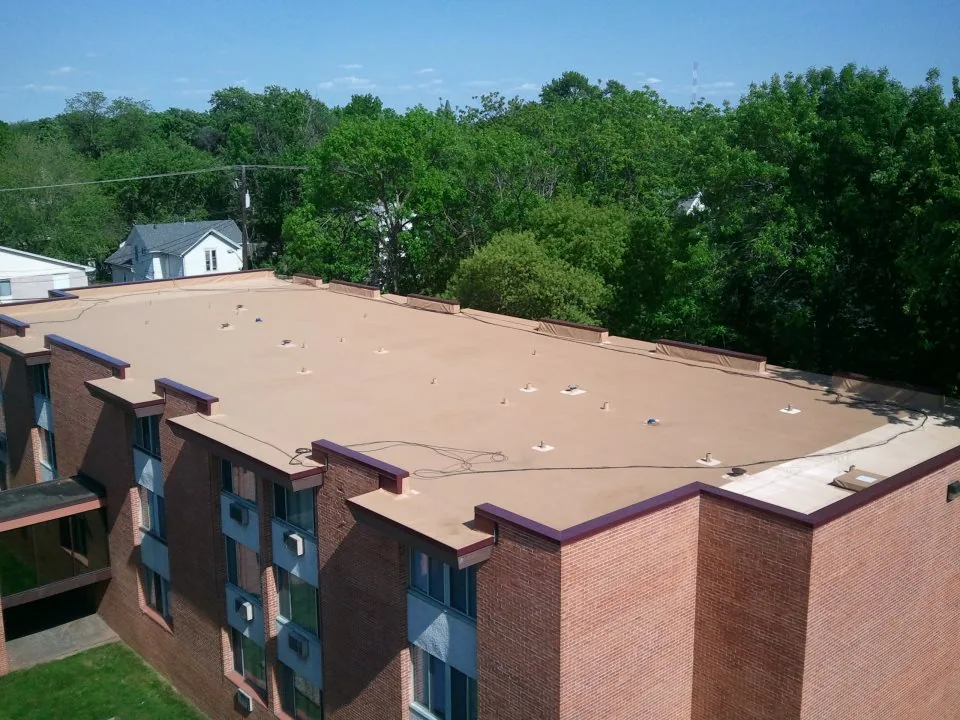
Panel seams may be factory welded, field welded, or connected at an edge or penetration. We review layout drawings where available and compare them with the roof. A leak at a panel intersection needs the surrounding welds checked, not only a cover patch at the stain. We probe the seam after it cools, check the flashing skirt, and follow movement until the sheet reaches a stable bond.

Duro-Last's custom accessories address difficult roof transitions, including corners, parapets, drains, and penetrations. We inspect how each piece is connected and whether the receiving material remains clean and sound. If a transition was altered during later service, we verify that the repair material fits the actual field sheet. For a PVC assembly comparison, look at Sika Sarnafil membrane options and Versico PVC systems against the same substrate and attachment limits. A product family should not be confused with what is installed on this roof.

Duro-Last Commercial Roofing

Test the weld before extending the seam

Duro-Last Commercial Roofing

A narrow opening at a Duro-Last lap may accept a new weld if the surrounding PVC remains flexible and prepared. We clean the area, remove incompatible patch material, and test the bond before extending work. A surface that is dirty, brittle, wet, or coated may not fuse as intended. If the seam separates under a probe beyond the visible area, we mark the longer boundary and inspect the layers below.

Field welds, T-joints, and patch corners can have different thicknesses and contours. We check that the repair closes each edge and does not leave a pocket where water can collect. After cooling, the probe confirms the edge is bonded. If an actual penetration or curb detail is the source, flashing repair may include a new skirt or backing beyond the field seam. We photograph the repaired detail from a useful angle before equipment or ballast obscures it.

Verify the deck and insulation under the PVC

A leak can pass beneath the sheet and wet board beyond the point where water entered. We inspect for soft insulation, crushed corners, loose attachment, and deck movement around the affected area. A test cut identifies the layers and confirms moisture at one location. We choose openings to answer a question about the repair boundary, mark each cut, and replace the material approved for removal. One result does not establish the condition of every roof section.

If a core is wet or the deck has lost support, the membrane repair must include the damaged base. We measure that area and show the correction separately. Cover-board replacement can be part of the repair. A recover requires dry layers, acceptable attachment, workable drainage, and enough height at transitions. If the roof has widespread defects or repeated water entry, replacement work can be compared with continued repairs.

Duro-Last Commercial Roofing

Inspect the drains and sheet terminations

A prefabricated drain flashing still depends on a sound clamping connection and clear outlet. We clear the bowl, examine the flange, and inspect for a gap at the membrane skirt. The sump and surrounding insulation also matter. If the field has settled, a tight drain weld will not change the low area. We identify whether the repair needs new PVC, drain hardware, or a slope correction and keep those quantities separate.

At the roof edge, we inspect termination bars, corners, coping, and fasteners. Wind and movement can pull a sheet where it meets metal. We trace the connection back to a stable substrate and determine whether edge metal can be reused. A drain repair or edge correction should be listed beside, rather than buried inside, the Duro-Last membrane work. The owner sees which condition drives the leak and which work addresses the perimeter.

Plan staging around the property

The city places trucking and distribution uses near northern SR-201. Its industrial street network includes SR-201, Bangerter Highway, and I-215, routes we consider when coordinating roof access and material delivery. A project in that operating corridor may have delivery windows or loading lanes that affect where a lift can sit. We agree on the roof access, ground staging, and material route before taking panels up. A clear work boundary helps limit interference with day-to-day movement.

Fairbourne Station has civic, retail, office, hotel, and multifamily uses in the city's land-use plan. Shared entries and walkways may remain active around a roof project. We ask which approaches must stay open and agree on barriers and noise timing with the site contact. Annual precipitation averaged 15.52 inches at the Salt Lake City International Airport station over 1991-2020. We check the actual roof for moisture before welding and set a daily stop point that can be secured.

At a northern SR-201 property, freight and lift access may determine the sequence; a Fairbourne Station building may need protected public routes. We confirm the access window early, then fit the panel work into sections that can be closed before the crew leaves.

Price confirmed work and retain a usable record

Repair cost depends on the weld length, number of prefabricated details, panel access, preparation, insulation replacement, and any drain or edge correction. We measure what can be seen and list each test location. A short seam repair above a dry base is not priced like replacing panels across a wet area. If a test changes the boundary, we show the added quantity and obtain approval before broadening the work.

When multiple panel seams, corners, and penetrations fail, compare the repair list with a new assembly. We inspect attachment, drainage, transitions, and substrate before making that comparison. A roof condition report can organize photographs and follow-up areas across a large building. Closeout identifies repaired welds, new accessories, test cuts, and areas that were not opened. That record helps the next maintenance visit start with a known panel location.

Duro-Last Commercial Roofing

Common questions

What does custom-fabricated Duro-Last roofing change during repair?

Panel layout and preformed accessories can affect where field seams and transitions occur. We inspect the installed details and verify how the repair connects to that layout. Custom fabrication does not remove the need to check attachment, drainage, flashing, or the deck. We price only the materials and areas confirmed for the specific roof condition.

Can a damaged Duro-Last PVC seam be welded again?

A repair weld can work if the existing sheet is clean, compatible, flexible, and properly prepared. We test a prepared section and probe the cooled edge. Brittle material, coatings, or repeated separation can change the repair method. If adjacent laps or insulation are affected, we mark a broader test area before pricing additional panel work.

Do you need to replace insulation below a Duro-Last roof?

We use test cuts to check whether the board is wet, crushed, or still firm. Dry, stable insulation can remain when the membrane and drainage are sound. Where moisture extends beyond a visible leak, we mark the removal boundary and identify replacement quantities separately. The owner approves added openings before removal expands beyond the confirmed area.

How do you set a work schedule for a Duro-Last repair?

We confirm roof access, lift setup, delivery routes, weather, and the section that can be secured each day. A distribution property can have active loading routes, while a mixed-use building may need clear entrances. We check the actual roof surface before welding and set the dry-in line with the site contact before opening panels.

Inspect the Duro-Last panel and transitions

ServicesRoof SystemsIndustriesProperty TypesService AreasDamage RepairCapabilitiesManufacturersContactAboutRequest a Roof Assessment555-555-5555
Call555-555-5555