RubberGard EPDM Roofing in West Valley City, UT

Inspect RubberGard EPDM and UltraPly TPO conditions in West Valley City, with repair boundaries for seams, flashing, drainage, and insulation.

Set the membrane repair limit

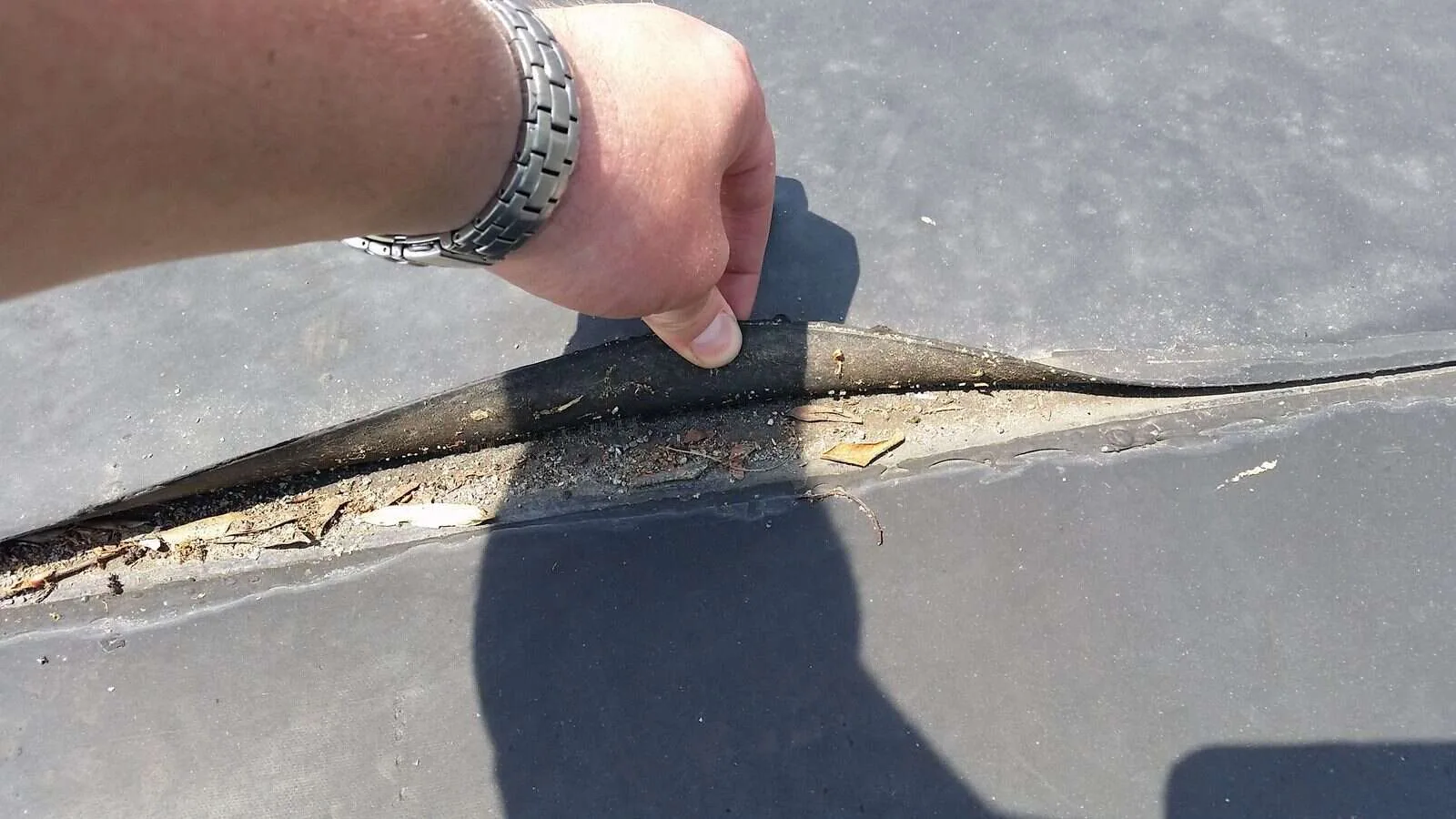
A pulled EPDM corner at a curb changes the repair limit only after we check the bond and the layers beneath it. We inspect the flashing, sheet movement, and nearby insulation before choosing a splice or opening a test area. In West Valley City, UT, the daily roof sequence at an office or hotel in Fairbourne Station may need protected entries. A distribution roof near the industrial edge can have freight and lift constraints. We fit access to the building, then price the confirmed roof condition.

Holcim's commercial portfolio includes RubberGard EPDM and UltraPly TPO, along with other roof system components. EPDM and TPO differ in seam construction and repair preparation. We identify the installed membrane and any prior coating or patch before selecting compatible materials. The roof assembly includes insulation, attachment, flashing, and drains as well as the field sheet. A correct brand match does not replace checking each layer.
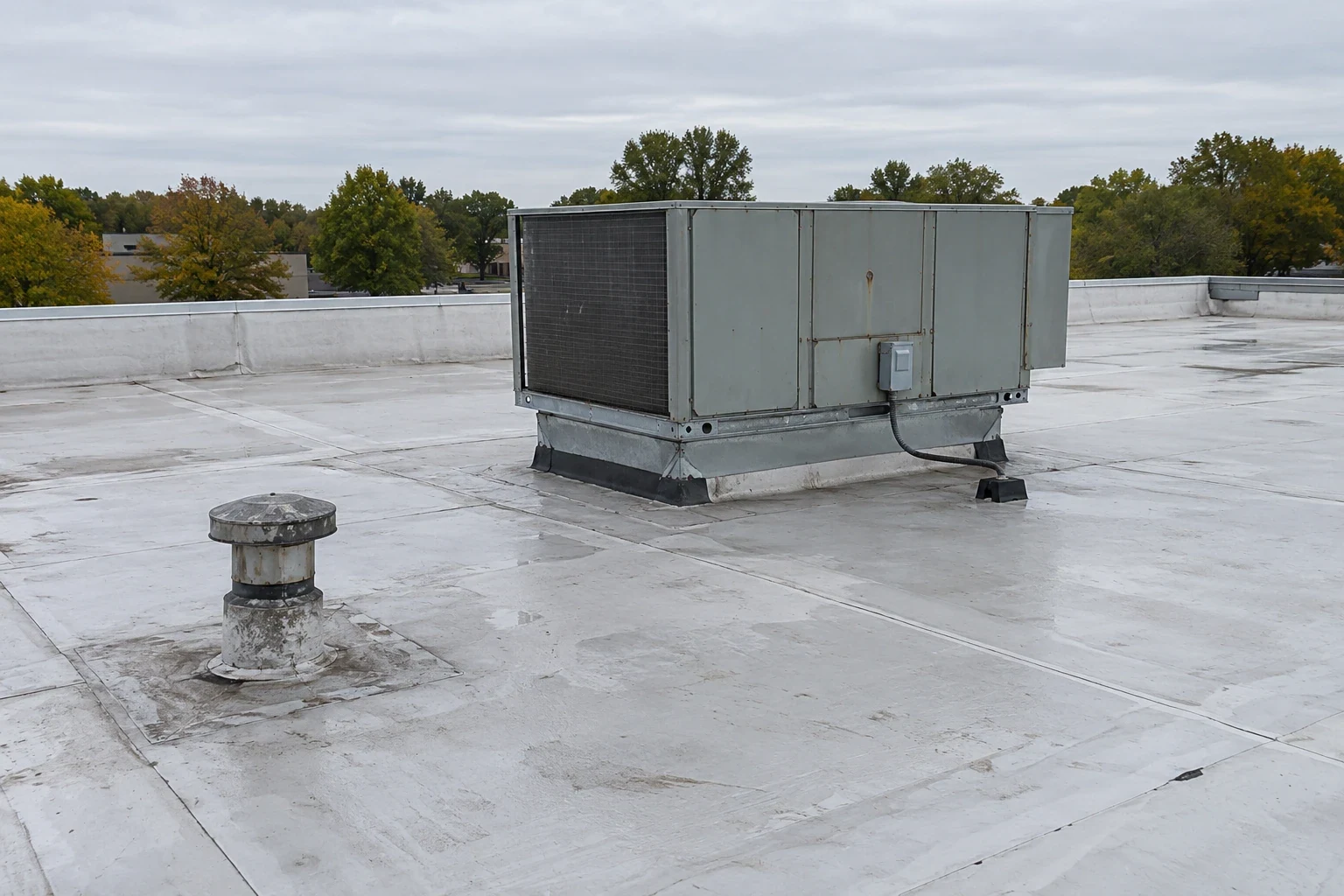
RubberGard EPDM repairs commonly involve a prepared splice using compatible tape, primer, or flashing materials. UltraPly TPO work relies on prepared thermoplastic and a heat-welded seam. A lifted lap may look alike from above, but the repair method is different. We confirm markings and exposed edges before setting a material list. When records are missing, a small test area can show whether the roof surface is ready to accept the selected repair.

The company also supplies insulation, adhesives, and detail components that fit into a complete roof assembly. That does not mean every existing layer came from one manufacturer. We identify the deck and board type where possible and separate confirmed materials from assumptions. If comparing system families, a Versico EPDM or TPO assembly and GAF membrane option should be measured against the same drainage, edge, and building-use requirements. We compare assembly conditions, not labels in isolation. We clean and prepare a sample area, then check the trial seam after it cools before authorizing a longer run.

RubberGard EPDM Roofing

Follow the failure to sound material

RubberGard EPDM Roofing

A patch placed over a moving lap can fail at its edge. We trace the release with a probe, inspect the field sheet for wrinkles or brittleness, and check whether the substrate moves underfoot. If the separation is contained and the membrane remains flexible, a local splice may be enough. If movement continues beyond the visible opening or nearby seams also lift, we mark a wider repair limit and test the assembly.

At walls, curbs, and pipes, flashing condition can control the repair. We check termination height, corners, sealant, and any metal that holds the sheet in place. A curb wrap may need rebuilding to a stable face instead of another surface patch. For a puncture away from a detail, membrane puncture repair can be isolated from edge work. We record where the old material ended and where the new repair bonds. On a long curb, we check both ends and the corner return before closing the detail. A clean closeout picture should show the completed splice and nearby reference point.

Check insulation before carrying a repair outward

Water can travel under a membrane and leave the visible stain far from the entry point. We inspect the low area, drain, seams, and roof penetrations to form a likely route. A test cut confirms the actual layers and moisture at the selected spot. We choose a cut to decide whether the board can stay or the tear-off limit needs to move. Photos and marked locations keep the result tied to a specific part of the roof.

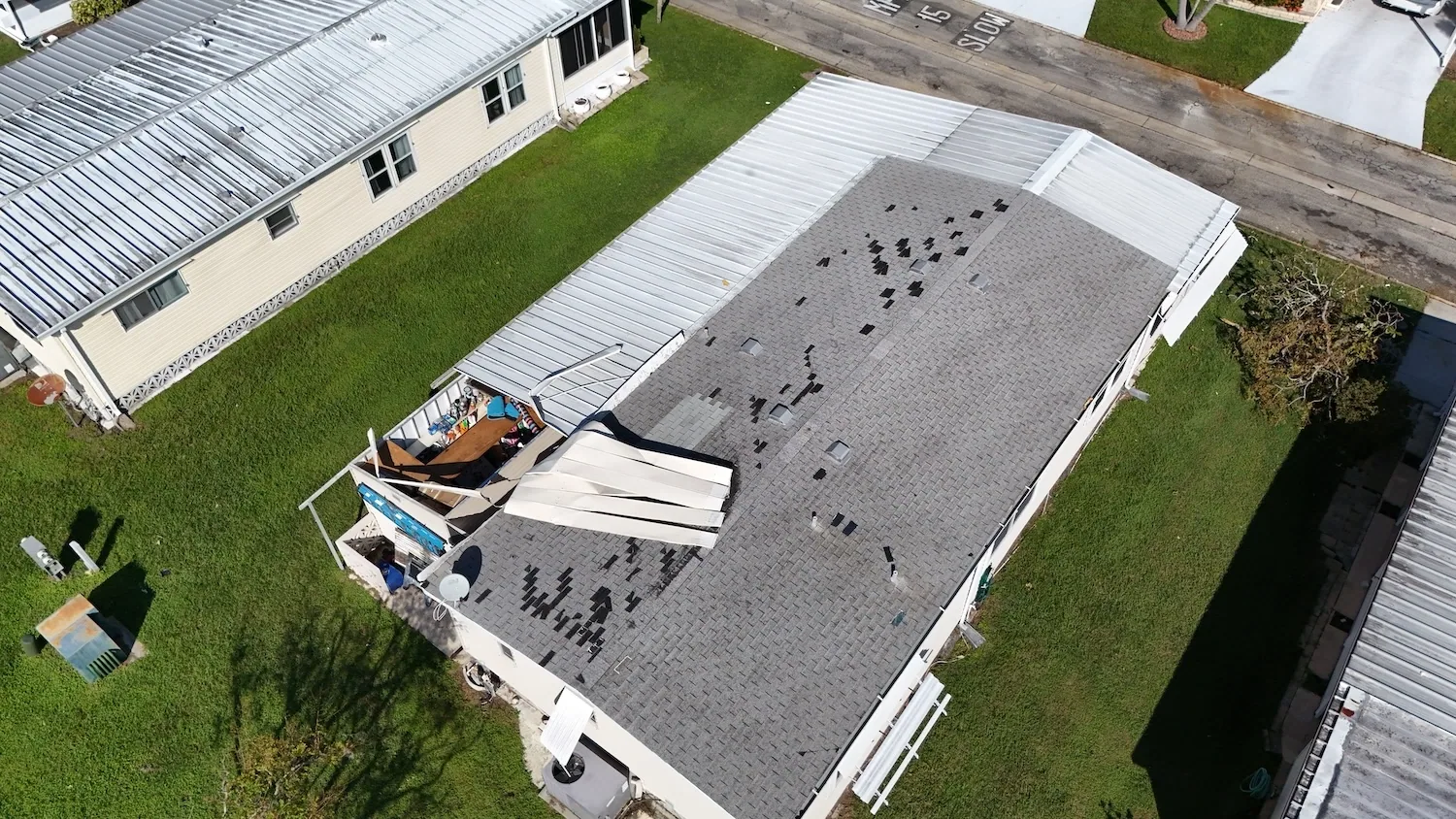
The deck, insulation, and attachment method determine whether a recover or replacement can work. We look for soft board, loose fasteners, membrane displacement, and evidence of prior layers. A replacement estimate separates roof removal from insulation and deck corrections. A cover-board scope may be needed where the base has lost strength, while a recover needs dry, stable material and adequate flashing height. We confirm those conditions before putting another system above the current one.

RubberGard EPDM Roofing

Check roof temperature at the work area

At Salt Lake City International Airport, 1991-2020 normal daily highs reach 94°F in July and normal lows fall below freezing in January and December. We check roof-surface temperature, dryness, and product requirements before applying adhesive or welding TPO, because those field conditions determine the repair sequence.

Winter access may also affect where material can be staged and how the crew reaches drains or edges. West Valley City identifies distribution and trucking uses along the northern SR-201 corridor. A roof near that employment area may have loading lanes to protect during lift placement. Fairbourne Station's planned mix includes civic, retail, office, hotel, and multifamily uses, so shared approaches can require coordination with several building contacts. We establish the access window and daily dry-in line before removing membrane.

For service planning, Fairbourne Station and the north SR-201 industrial corridor represent different operating conditions. The roof system may be the same, but staging, noise limits, and pedestrian or freight routes can differ. We ask what needs to remain open and set a practical work sequence around that answer.

Price what the inspection confirms

Repair cost follows the number of seams, flashing details, access limits, membrane preparation, and any confirmed insulation removal. We describe the visible defect and list what the test cut showed. If the roof is dry and the release stops at a stable boundary, the proposal can stay narrow. If moisture spreads or the deck is damaged, added work gets its own quantity and approval instead of appearing as an unbounded allowance.

Repeated failures, broad shrinkage, or multiple wet locations call for a repair-versus-replacement comparison. We inspect how the field connects to curbs, walls, drains, and perimeter metal. A roof inspection can document those conditions before a capital decision, while condition reporting organizes the photos and open questions by roof section. Closeout records the completed splice, replacement layers, and areas left inaccessible so later maintenance starts from known limits.

Common questions

How do you tell RubberGard EPDM from UltraPly TPO?

We inspect membrane markings, exposed edges, and roof records, then verify the material before selecting a repair. EPDM splices and TPO welds require different preparation. A test area can resolve uncertainty left by old patches or coatings. If the membrane family cannot be confirmed, we state that limit and avoid pricing an unverified tie-in as complete work.

Can a wet area beneath RubberGard or UltraPly be patched?

A surface patch does not correct wet insulation or a weakened deck. We open selected test areas to check the core, board firmness, and layer sequence. Dry, stable material may remain if nearby details are sound. Moisture that continues outward moves the removal limit, and we revise quantities only after the owner approves the expanded opening.

What affects the schedule for EPDM or TPO repair?

The membrane condition, surface temperature, dryness, product installation limits, access equipment, and daily dry-in line all matter. We check conditions at the roof instead of relying on a regional weather normal. Freight deliveries or shared entries can narrow the work window. We set the open section and staging route before mobilization.

When should a RubberGard or UltraPly roof be replaced?

Multiple recurring leaks, widespread seam separation, brittle sheet, or confirmed moisture across test points can justify a broader option. We compare those conditions with drainage, attachment, flashing, and deck findings. Replacement scope lists what is confirmed and what needs testing. We price concealed work separately rather than assuming the full assembly is damaged.

Set the membrane repair limit

ServicesRoof SystemsIndustriesProperty TypesService AreasDamage RepairCapabilitiesManufacturersContactAboutRequest a Roof Assessment555-555-5555
Call555-555-5555