Commercial Snow and Ice Roof Damage Repair in West Valley City, UT

Repair commercial roof damage from snow and ice in West Valley City, UT. We check drains, seams, flashing, and insulation before defining the work area.

Inspect snow and ice roof damage

An ice ridge at a drain can hold meltwater against a seam after the roof around it has cleared. We check the outlet, membrane, flashing, and interior report before deciding whether the repair is drainage, seam work, or wet-layer removal. In West Valley City, UT, the scope starts with observed roof conditions and a safe access plan. Snow depth alone does not show whether the deck or insulation was damaged.

Snow can block drainage, while freeze-thaw can work water into open laps and small cracks. Ice at a wall or curb may hide a flashing gap that only appears after the material thaws. We photograph the area, mark remaining water, and inspect the layers that can be reached safely. If snow removal or structural review is needed, that work is coordinated with the responsible site professionals before roofing repairs proceed.
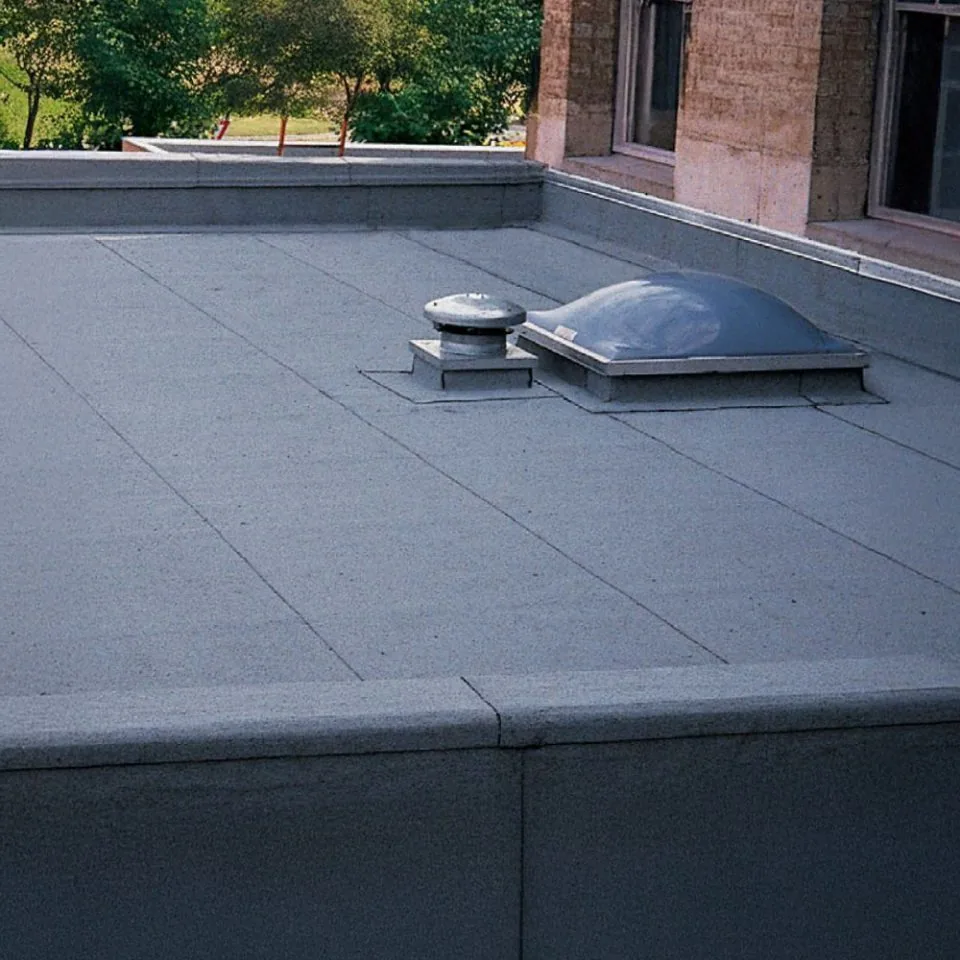
Accumulated snow changes access, visibility, and loading on a roof. We do not treat snow removal as a roofing repair or move material without an approved plan. The facility contact identifies safe access and any structural or snow-management procedure already in place. Once the roof is released for inspection, we check for displaced metal, open seams, deflected areas, and blocked outlets that may direct meltwater under the membrane.

Salt Lake City International Airport station normals for 1991 to 2020 record 51.9 inches of snowfall per year and a January mean of 12.70 inches. Those values support planning for seasonal access and drainage checks. A commercial roof inspection can document damage after the roof is safe to access and visible details can be reviewed.

Commercial Snow and Ice Roof Damage Repair

Clear the water path after thaw

Commercial Snow and Ice Roof Damage Repair

Ice can block a drain bowl, scupper, or overflow path and hold meltwater on the roof. We check the outlet for debris, damaged clamping rings, loose strainers, and membrane gaps. If drainage is restricted, the repair includes the confirmed outlet detail. We also look for water that remains after surrounding areas dry. A recurring pond needs a slope or insulation review, not just a cleared strainer.

The city map assigns mixed commercial and residential uses to selected 3500 South properties. Buildings along that corridor can have different roof layouts and access needs, so the repair stays tied to the inspected roof. A roof visit near 3500 South begins with the property's own drain locations and work window. If standing water persists, ponding water roof repair can address the low area after the outlet is checked.

Inspect laps and flashing after freeze-thaw

Water that enters a small opening can freeze and expand, then leave a wider gap as temperatures change. We inspect membrane laps, sealant lines, pipe boots, curb corners, coping, and termination bars for movement or separation. A crack in a rigid sealant bead may need a rebuilt transition rather than another coating. The repair must connect to clean, dry material and remain serviceable when the adjacent roof moves.

January averages 20.6 days at this station when the daily minimum is 32°F or lower; in December, the comparable average is 7.9 days. We inspect exposed seams and drains after thaw. A roof seam repair can restore an open lap. Where the failure meets a wall or curb, flashing failure repair may be needed to close the transition.

Commercial Snow and Ice Roof Damage Repair

Test for water below the surface

A roof may look dry after thaw while insulation remains wet below the membrane. We note soft areas, staining, displaced boards, and changes in roof level. If concealed moisture would change the scope, an approved test cut can show the assembly at a selected point. We photograph the layers and restore the opening. Findings at one cut apply to that location, so separate areas may need their own review.

If meltwater entered through an open lap or puncture, we trace the path from the interior report to the roof feature. We distinguish the water entry point from the place where moisture finally appeared indoors. The repair can include removal of wet insulation and a compatible membrane tie-in where approved. A roof insulation and cover-board repair can replace affected layers. Any structural concern is referred to the qualified professional responsible for that evaluation.

Phase work around cold-weather limits

Cold, wet, or icy surfaces can change whether a repair material will adhere. We check actual surface conditions and the product requirements before starting. If the roof cannot be prepared and closed safely, we document temporary protection and schedule the permanent repair when the assembly is ready. The work plan names the open area, the dry-in line, and the point when the crew must stop for weather or access.

For an occupied building, interior protection and routes below the roof also matter. At Fairbourne Station, the city plan describes office, retail, civic, hotel, and multifamily uses. That mixed-use context can make work-window coordination important, while the actual building contact sets access. emergency roof response can limit active water exposure while permanent repairs wait for suitable conditions.

Record the winter repair and open items

Closeout photos show the drain, seam, or flashing before work and the finished tie-in afterward. We note whether insulation was tested, what layers were removed, and whether any area stayed inaccessible. A follow-up visit can compare the same roof reference points after another thaw. That record helps the property team distinguish a repaired detail from a new leak path or a separate drainage issue.

West Valley City’s street network includes SR-201 and I-215 as grade-separated routes, with Bangerter Highway among its major arterials. For a roof near the northern SR-201 corridor, the site contact confirms material delivery and access after winter conditions change. A roof condition report can preserve photos and remaining repair priorities. Routine maintenance can check drains before snow and ice block them again.

Commercial Snow and Ice Roof Damage Repair

Common questions

Should snow be removed before you inspect the roof?

The property contact should follow the building’s approved snow-management and structural procedures. We do not move snow without that direction. Once the roof is safe and released for access, we inspect drains, seams, flashing, and visible movement, then document any area still covered or inaccessible.

How can ice cause a roof leak after the snow melts?

Ice can block an outlet and hold meltwater against a seam or curb. Water may then enter through a small opening and travel below the membrane before appearing indoors. We check the drain path and nearby transitions, then test layers when concealed moisture would change the repair scope.

Can a roof be repaired while it is still cold?

That depends on surface dryness, temperature, and the requirements of the repair material. We check field conditions before applying membrane, adhesive, or sealant. If the assembly is wet or too cold for a reliable bond, temporary protection and a return visit may be safer than closing the roof prematurely.

When does snow or ice damage require a structural review?

Visible deflection, deck damage, unusual movement, or concern about snow load needs evaluation by the qualified professional responsible for the structure. We document roof conditions and avoid treating a structural issue as a membrane repair. Roofing work proceeds after the area is cleared for the planned work.

What information do you provide after a winter roof repair?

We record the affected roof section, repaired drain or seam, photos, test locations, and any area that could not be inspected. If temporary protection remains or follow-up is needed after thaw, the closeout names that step. Facilities staff can use the record to compare later reports.

Inspect snow and ice roof damage

ServicesRoof SystemsIndustriesProperty TypesService AreasDamage RepairCapabilitiesManufacturersContactAboutRequest a Roof Assessment555-555-5555
Call555-555-5555