Heat and UV Roof Damage Repair in West Valley City, UT

Repair heat and UV damage to commercial roofs in West Valley City, UT. We inspect membrane, seams, flashing, and insulation before choosing a system.

Inspect heat-aged roof materials

A membrane that has become brittle at a south-facing curb may crack when the flashing is lifted for inspection. The repair depends on how far the surface has changed and whether the layers below remain bonded and dry. We check color change, cracking, seam adhesion, sealant condition, and substrate before choosing a patch, coating, or broader replacement. In West Valley City, UT, the field condition matters more than the roof’s appearance from the ground.

Sun exposure can age exposed membrane, caulk, and walk pads at different rates across one building. A coating can restore a suitable surface, but it cannot correct wet insulation, open seams, or failed attachment below. We mark the affected area, compare it with material that still holds, and identify which layer changes the scope. That keeps a cosmetic change from being priced as an assembly repair without evidence.
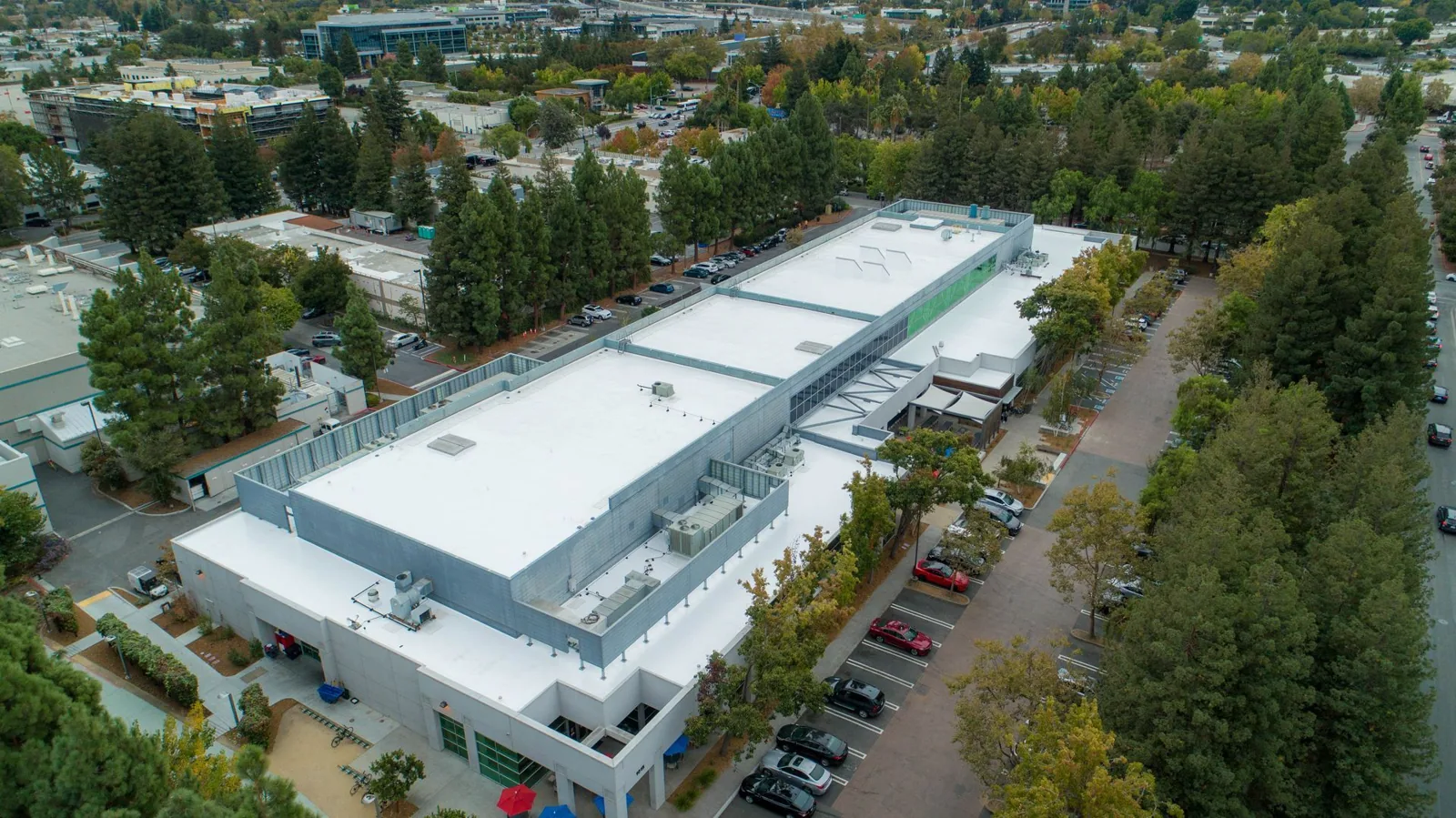
A chalked or faded surface does not by itself prove the membrane has lost integrity. We look for cracks, exposed scrim, splits at laps, brittle corners, and areas where the surface layer has worn through. A probe or adhesion check can show whether a seam still holds. If the sheet is flexible and bonded, a localized restoration may be possible. If cracks reach the reinforcement or substrate, the repair line moves to material that can accept a tie-in.

July averages a 94.0°F normal daily high at Salt Lake City International Airport; August's value is 91.7°F. Minimum-temperature normals fall below freezing in both January and December. We inspect the surface and substrate before selecting repair materials. We inspect the actual membrane before selecting repair materials. A hands-on commercial roof inspection can map exposed areas, seam condition, and test locations.

Heat and UV Roof Damage Repair

Inspect seams and transitions for brittle edges

Heat and UV Roof Damage Repair

Heat-related aging often shows first at a thin edge, lap, or sealant bead. We check whether seams have opened, flashing has pulled away, or the membrane has cracked at a curb corner. The repair has to reconnect the field sheet with the wall or penetration and remain serviceable. If the transition itself has moved, coating over the joint can conceal a defect without restoring attachment.

Fairbourne Station includes office, retail, civic, hotel, and multifamily uses in a mixed-use district. For an occupied property nearby, roof access and staging need to respect the building’s use while materials are prepared. A commercial roof visit near Fairbourne Station still begins with the actual system and access rules. Where laps have split, seam failure repair can restore the joint if the surrounding membrane remains sound.

Check the substrate before coating

A coating can be considered when the membrane is secure, the surface can be cleaned, and the roof is dry. We inspect fasteners, blisters, seams, insulation condition, and drainage before recommending that option. Loose material must be repaired first. Wet or weak layers need removal or another corrective scope because a new surface layer does not strengthen the substrate beneath it.

West Valley City’s plan identifies mixed commercial and residential land uses at selected points along 3500 South. Roofs along the corridor may vary by building type and system, so the repair choice follows field review rather than the surrounding land-use label. A roof coating restoration can be considered after the surface and seams pass inspection. If the flashing has cracked at a curb or wall, flashing failure repair should be completed before the coating work is evaluated.

Heat and UV Roof Damage Repair

Look below hot spots and low areas

Surface aging can overlap with water damage. A low area that stays wet may have compressed insulation, while heat can make an old seam harder to reopen and repair. We inspect drains, scuppers, curbs, and nearby penetrations to see where water sits and where the membrane receives repeated exposure. If hidden moisture would change the recommendation, an approved test cut shows the assembly at that point.

For 1991-2020, precipitation at the Salt Lake City International Airport averaged 15.52 inches per year. We check the roof’s drainage path, membrane, and flashing before setting the repair boundary. A ponding water roof assessment can investigate a low spot that remains wet. We document any insulation or cover board that needs replacement before selecting a coating or recover approach.

Compare restoration with replacement

Restoration may fit when the membrane remains attached, most seams are sound, and the surface can accept a coating or repair layer. Replacement may be more practical where cracking is widespread, insulation is wet, or attachment has failed across several roof zones. We show what was inspected and the condition that separates each option. That helps the owner compare preparation and material work without treating every faded area as a leak.

The city’s northern SR-201 area is identified with trucking and distribution uses. On an operating building there, lift placement, loading access, and staged material can influence timing. A roofing repair near the northern SR-201 corridor needs the site's approved access window. If the assembly cannot support restoration, a commercial roof replacement can be planned by section with a defined dry-in line.

Record the repair surface and limits

Closeout photos show the surface before preparation, repaired seams or flashing, and the finished coating or membrane tie-in. We identify test cuts, areas left untreated, and conditions that remain outside the approved work. If the owner is tracking surface changes, we record roof-zone references that can be checked on the next visit. A clear record separates fading that was observed from the areas where repair was completed.

The city plan describes Fairbourne Station and 3500 South as areas with different mixed-use and commercial settings. That context can shape access, but each roof requires its own maintenance plan and inspection. A roof condition report can preserve photos, priorities, and follow-up items. Staff can use it to plan seam checks before a small crack admits water under the membrane.

Heat and UV Roof Damage Repair

Common questions

Does a faded roof need to be recoated?

Not necessarily. We check whether the membrane is still flexible, attached, and free of open seams or wet layers. A coating can be considered only when the surface and assembly are suitable. If the membrane is brittle through its reinforcement or insulation is wet, a different repair boundary is needed.

How can you tell heat damage from ordinary roof aging?

The inspection looks for brittle edges, cracks, exposed reinforcement, failed seams, and sealant that no longer moves with the detail. We compare affected areas with material that remains flexible and bonded. Those field signs help determine whether repair, restoration, or replacement best addresses the current condition.

Can you coat over cracked seams?

Open seams need to be repaired before any coating is considered. We test the lap, prepare clean dry material, and rebuild the joint with a compatible detail. The roof surface is reviewed after seam work so coating does not bridge a failure that remains underneath.

Will a coating fix wet insulation?

No. Wet insulation or weak cover board needs to be identified and addressed before a coating is applied. An approved test cut can expose layers at a selected point. We document the result, restore the opening, and set the repair limit based on what the test shows.

What affects the timing of heat-damage roof repairs?

Surface temperature, dryness, access, preparation, and the condition of each seam all affect the work window. We check actual field conditions against the repair material requirements. If the roof needs a test, substrate replacement, or equipment coordination, those steps are included before the finishing layer is scheduled.

Inspect heat-aged roof materials

ServicesRoof SystemsIndustriesProperty TypesService AreasDamage RepairCapabilitiesManufacturersContactAboutRequest a Roof Assessment555-555-5555
Call555-555-5555