Commercial Roof Asset Management in West Valley City, UT

Track roof condition across West Valley City sites with building-level records, repair priorities, access notes, and budget decisions tied to field findings.

Put the roof inventory to work

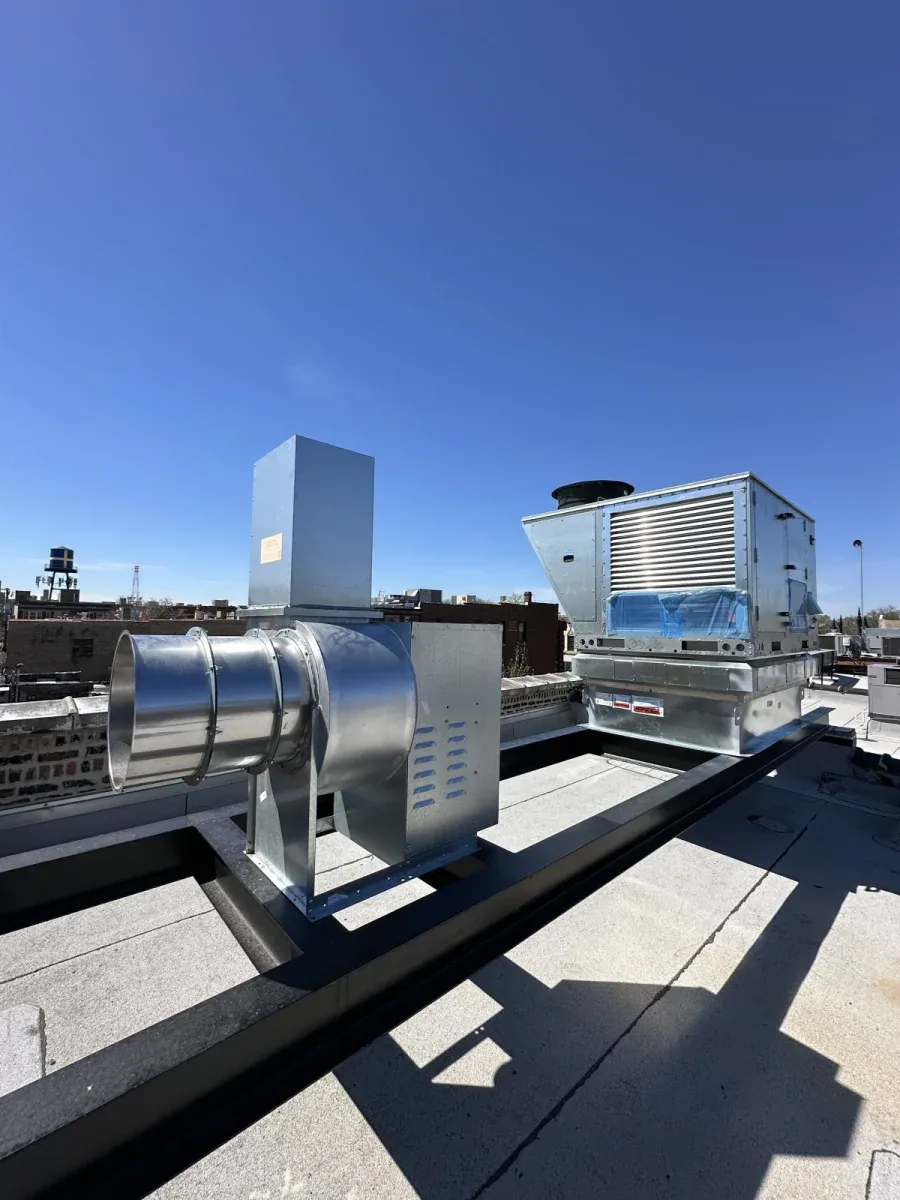
A stack of roof invoices can still leave the next repair decision unclear. We start by identifying each structure, roof section, system, and reported issue. In West Valley City, UT, the northern SR-201 corridor includes trucking, distribution, and light-industrial uses. A portfolio that serves different operations needs separate access notes and roof histories, even when one facilities team coordinates the work.

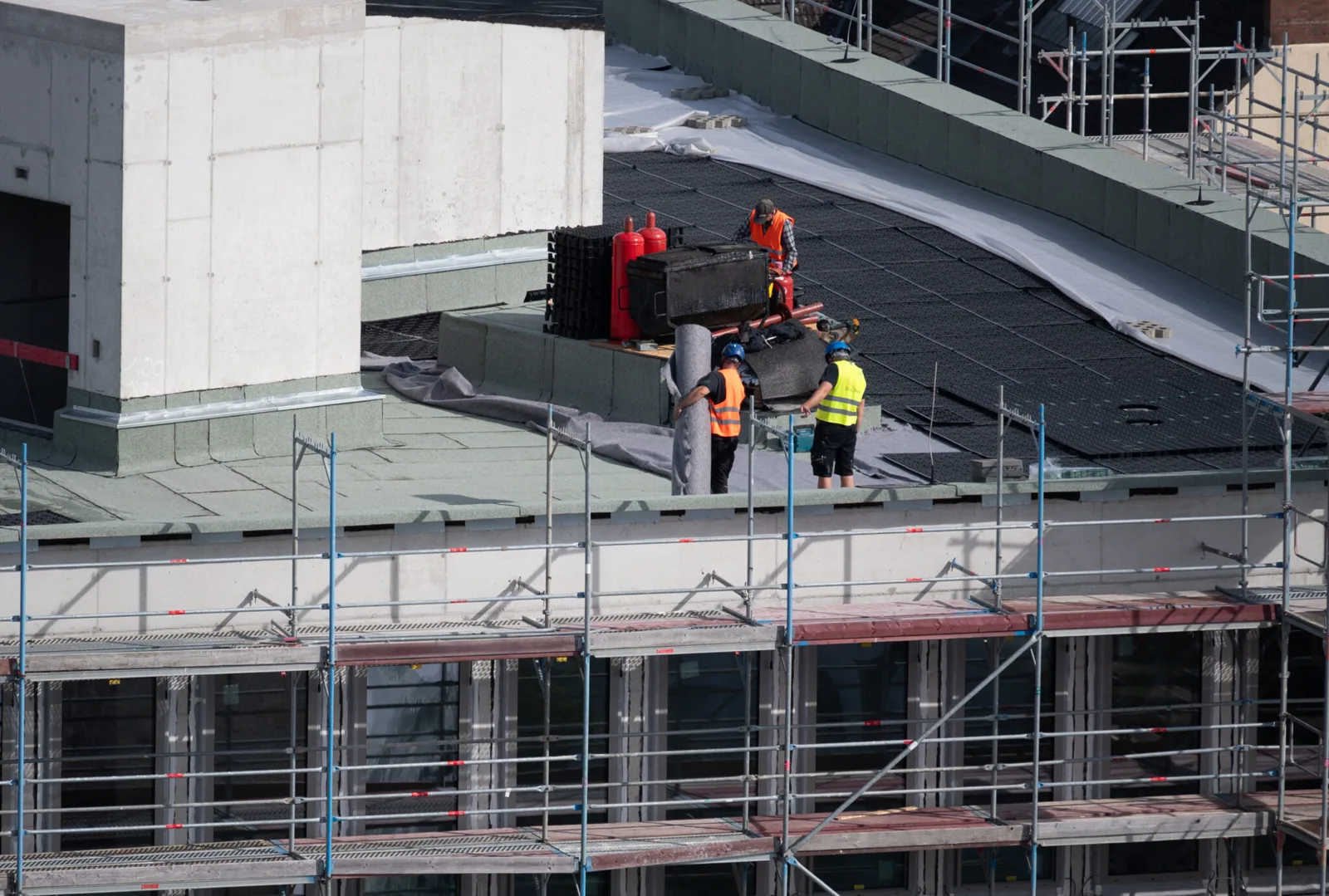
Asset management turns inspection findings into a usable record of what is known, what is due, and what still needs testing. We map drains, seams, curbs, repairs, and areas with restricted access. Each condition receives a location and next action. That keeps an isolated defect from becoming an assumed portfolio-wide problem and gives the owner a basis for setting repair and planning priorities.
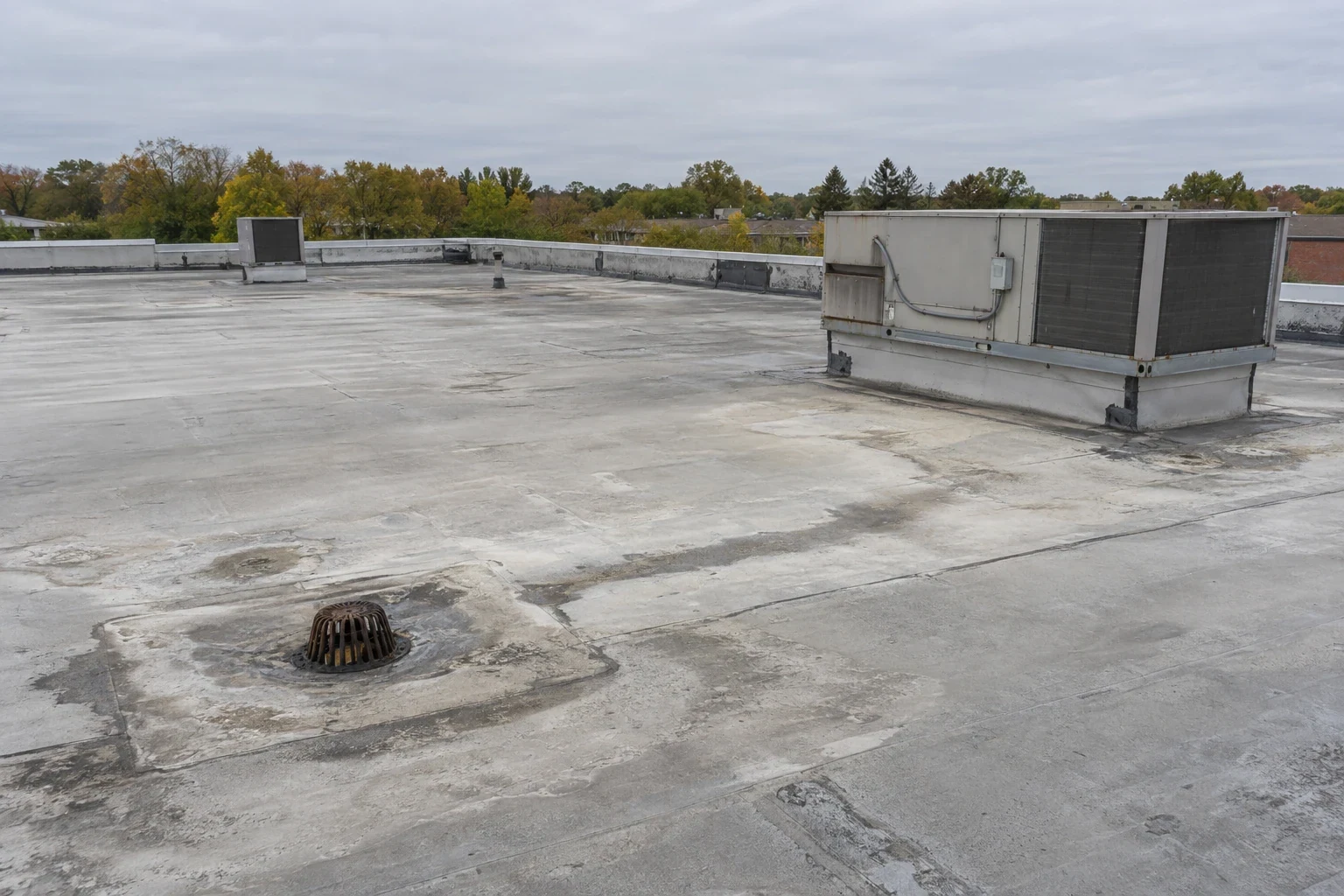
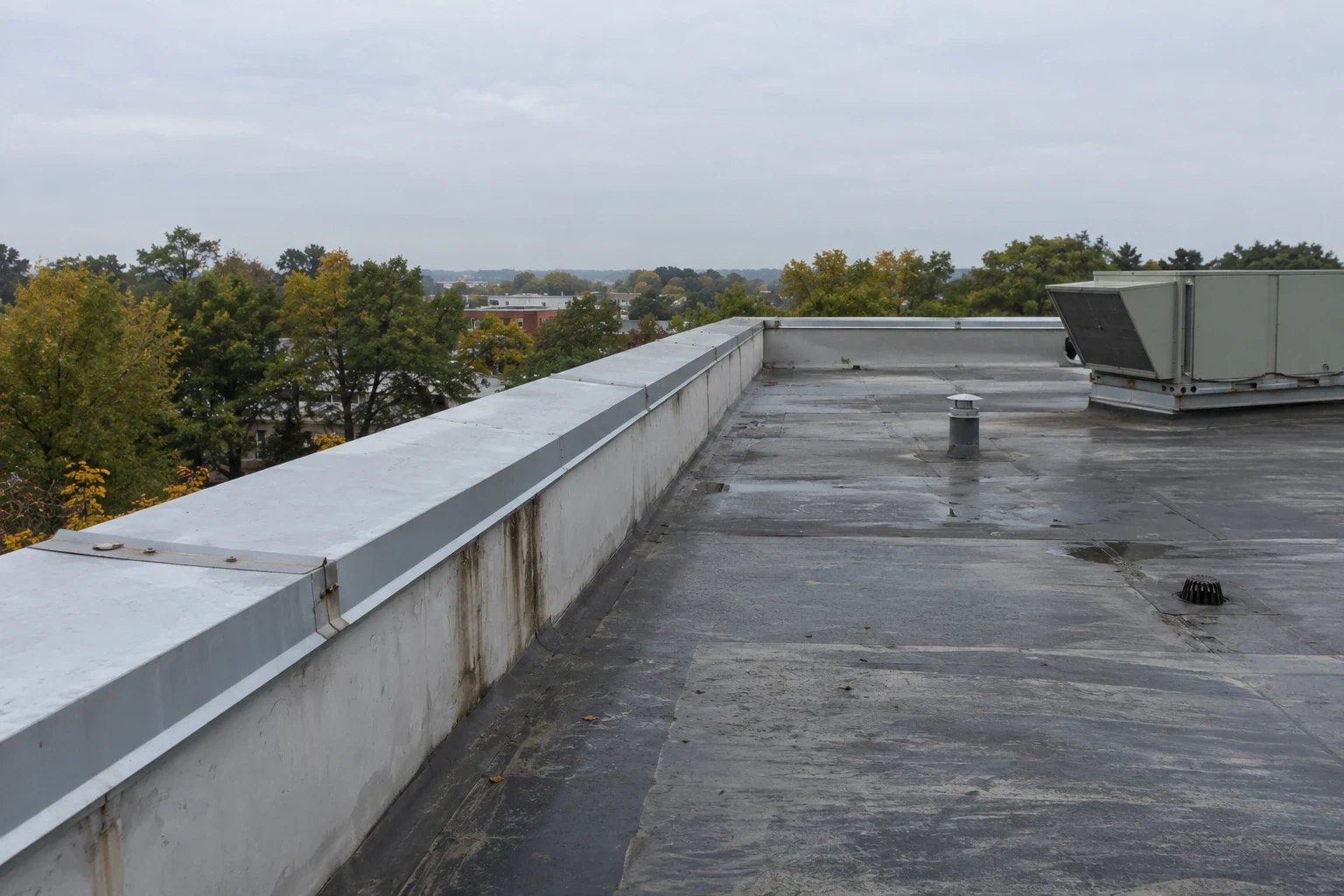
A building name alone is not enough to locate a roof issue. We record the address supplied by the owner, roof section labels, visible assembly, access route, and the systems or rooms below. Where drawings are available, we use them to orient the field review, then confirm what is present. Unknown age, concealed layers, or unverified repairs stay identified as unknown until inspection or testing answers the question.

The city plan treats a business park as a coordinated cluster of offices, light-industrial buildings, research facilities, and support services. Within one property, those uses can bring different access schedules and roof details, so we log each building separately. We keep observations tied to each building rather than carrying a finding from one tenant area into another. A photo-based roof condition record can capture the current state, while coordinated multi-building reviews can organize access across a portfolio.

Commercial Roof Asset Management

Connect repairs to the observed condition

Commercial Roof Asset Management

A maintenance note that says only “leak fixed” leaves the next reviewer without a location or repair boundary. We record the seam, drain, curb, or edge that changed and add photos before and after work. If a test cut exposed a wet core, the record names the test point and confirmed layers. Unopened areas remain outside that finding, so a later decision can distinguish evidence from assumption.

For each roof section, we track open issues, completed corrections, and the next check needed. A recurring seam failure may call for a different repair path than debris at a drain bowl. The owner can compare the prior work with the latest field condition. Preventive roof visits can refresh the record, and a moisture survey can help select test locations when concealed wet material could alter the scope.

Rank issues by consequence and evidence

An open seam over occupied space and a worn surface with no water path do not carry the same urgency. We sort findings by active leakage, blocked drainage, loose components, exposed insulation, and the cost of waiting for another access window. The record states what we saw and what would change the priority, such as a test cut to check whether moisture extends under the membrane.

At the airport station, July's normal daily high is 94.0°F; August's is 91.7°F. January and December normals also include freezing-or-colder minimums. We inspect the roof surface and substrate before choosing work timing. A targeted roof repair can close a confirmed defect before it spreads into a larger boundary.

Commercial Roof Asset Management

Separate near-term repairs from capital work

A portfolio record should show which issues can be corrected now and which need a broader design or replacement decision. We keep repair quantities, test allowances, and uninspected areas distinct. If several sections show repeated seam failures or wet insulation, we compare the confirmed repair boundary with a replacement scope. That comparison includes access, tear-off limits, daily dry-in, and any concealed work that remains unpriced.

Capital timing depends on observed condition and operating constraints, not a single age field. The owner can use a roof funding schedule to compare current repairs with future replacement needs. Replacement planning should identify the assembly, removal boundary, and evidence behind the scope. We update the asset record when decisions are approved so the next budget review starts with completed work and remaining risk, not an outdated estimate.

Include local access in the roof record

The city links its northern SR-201 area to trucking and distribution, with SR-201, Bangerter Highway, and I-215 serving industrial access. A building in that setting may need deliveries and staging coordinated with its own loading routes. We write down the approved gate, lift position, and any hours that restrict access. That information can prevent a future inspection from being scheduled without a usable route.

Fairbourne Station is planned as a mixed-use area with civic, retail, office, hotel, and multifamily development. At any property in the area, we confirm the actual entry, pedestrian routes, and occupied spaces with its contact. The roof record documents those site-specific controls rather than assuming they match the planned district. A corridor-area inspection can be scheduled with loading access in view, while the property contact confirms building-level details.

Give the next decision-maker a clean handoff

One current file should show each roof section, the last observed condition, repairs completed, open recommendations, and access restrictions. We keep photos attached to locations and label whether a finding is confirmed or still needs testing. When a manager changes, the record gives the next person a usable starting point. It also helps contractors price the same repair boundary instead of interpreting a short note differently.

The owner can review open items by building, then ask us to verify a condition that has changed. A warranty document review can be tracked alongside repair records when coverage requirements affect maintenance. We update the portfolio file after approved work and identify the next inspection point. The record remains a tool for decisions, not a promise about concealed materials that have not been opened.

Commercial Roof Asset Management

Common questions

What should a roof asset record include?

We identify each building and roof section, visible system, access route, active defect, prior repair, and next action. Photos tie the record to actual locations. Test findings are labeled separately from areas that remain concealed. This lets an owner sort current repairs, follow-up inspections, and future capital decisions without treating every roof as the same condition.

Can you rank roofs across buildings with different uses?

Yes, after the roofs are inspected and operating constraints are recorded. We compare active water, drainage, loose details, moisture evidence, and how access affects the repair window. A finding at one building does not transfer to another without inspection. The list shows why each item received its place and what evidence could change that order.

How do you handle unknown roof age or hidden layers?

Unknown items remain marked as unconfirmed until records, inspections, or test cuts establish them. We do not infer concealed construction from a visible membrane. When the unknown affects repair or replacement pricing, we recommend the least disruptive test that can answer the scope question and document the result by location.

How often does the portfolio record need an update?

We update it when an inspection finds a change, a repair closes an issue, testing confirms a hidden condition, or access limits change. A preventive visit can also refresh the observed items. The useful interval depends on the roof condition and decisions pending; active leaks or loose components need attention sooner than a stable item being monitored.

Can one roof record support next year's budget?

It can provide current findings, repair costs as approved, unresolved tests, and replacement boundaries for review. We separate confirmed work from planning assumptions. The owner can compare immediate correction with a future project, then update the file when the decision is made. That keeps the next budget discussion tied to present roof evidence.

Put the roof inventory to work

ServicesRoof SystemsIndustriesProperty TypesService AreasDamage RepairCapabilitiesManufacturersContactAboutRequest a Roof Assessment555-555-5555
Call555-555-5555