Commercial Roofing for Public Agencies in West Valley City, UT

Plan public building roof repairs in West Valley City with documented conditions, clear approval points, access coordination, and phased scopes.

Set the agency roof review

A soft area beside a roof drain can change a public repair from a maintenance ticket into a removal request. We check the membrane, insulation, and outlet before setting the work limit. In West Valley City, UT, public facilities may serve residents, staff, and contractors through the same access route. We document the condition by roof zone so the agency can review confirmed work and the approval point for anything concealed.

A public owner needs a scope that connects field evidence to schedule, access, and funding decisions. We record photos, test locations, and drainage conditions in plain terms. A commercial roof inspection can distinguish a local repair from a larger project and show what would require additional authorization.
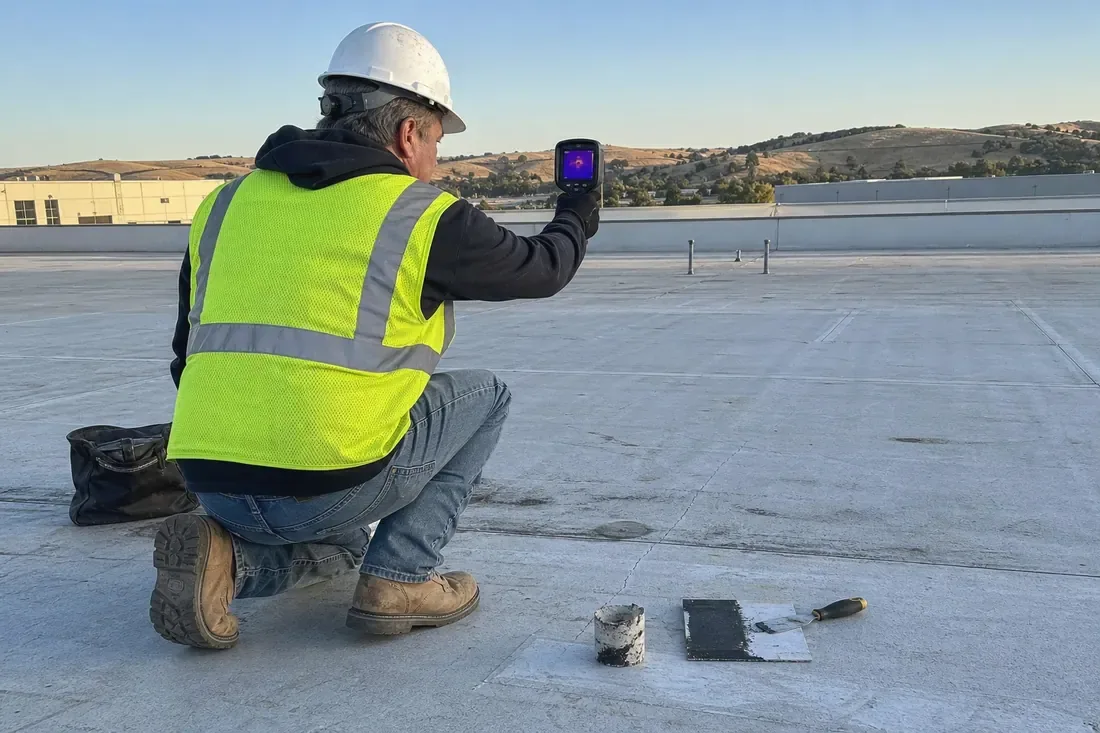
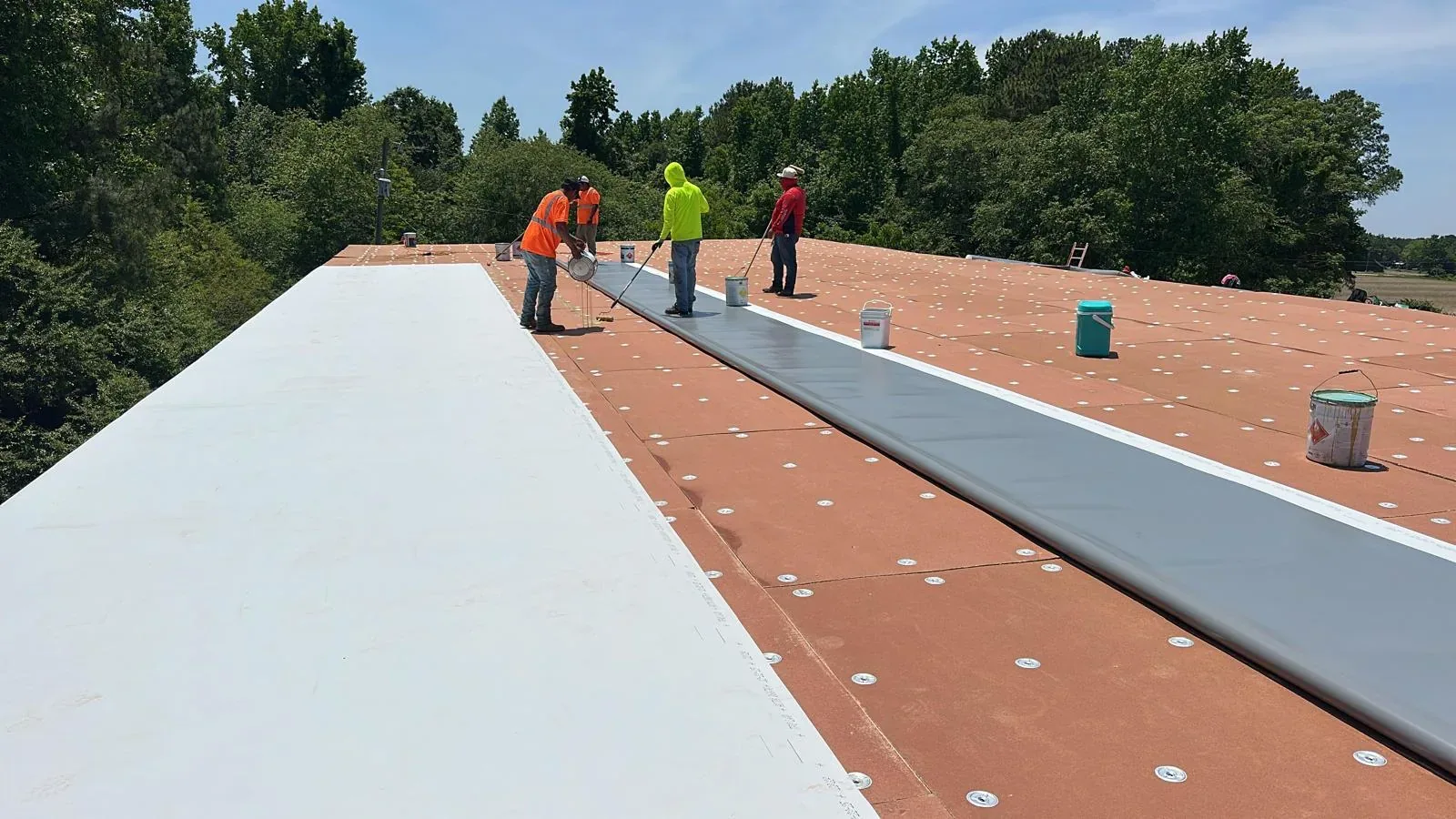
A repair request should identify what failed and where the work stops. We mark the affected seam, penetration, drain, or edge, then separate confirmed replacement from possible deck repair. If a test cut is needed, the estimate names the condition it will resolve. The agency receives a decision point before the crew expands the roof opening or changes the approved price.

The state’s 2024 IBC and IECC adoption became effective July 1, 2026 under Utah Code 15A-2-103, while state and local amendments remain part of the framework. We review applicable project requirements and the permitting path with the owner before finalizing the assembly. A replacement scope can keep code review, deck questions, and field work as distinct items in the approval package.

Public Agencies

Keep public entrances and routes open

Public Agencies

A lift beside a lobby or service entrance can interrupt more than roof access. We map pedestrian routes, fire lanes, deliveries, and debris removal before staging. The facility contact confirms which doorway must stay open and when a short closure is acceptable. If an alternate path is needed, it appears on the work plan before materials arrive. Each roof shift ends with the opening protected and the route checked.

Fairbourne Station is identified as West Valley Central’s light-rail station area and an opportunity area for planned change. The district includes civic and public space among its uses, alongside retail, office, hotel, and multifamily development. That setting makes public movement part of local access planning, while each agency building has its own visitor and staff routes. For a public-building project near Fairbourne Station, we mark the roof-access route and pedestrian path before staging materials.

Document what the roof can support

We inspect seams, curbs, flashing transitions, drains, and edges before recommending patch, recover, or replacement. If insulation feels soft or moisture readings extend beyond a reported leak, a test cut can confirm the layers. The report marks where sound substrate begins. A local repair stays local when the surrounding membrane is attached and dry; broader moisture changes the removal limit and cost.

West Valley City’s plan defines business parks as groupings of office buildings, light-industrial facilities, research centers, and support services. Public agencies may own different facility types across a service area, so condition records should describe the actual roof rather than the land-use category. A roof condition report can tie photos and recommendations to each building. The asset manager can compare work without carrying one site’s finding into another.

Public Agencies

Set work timing against local conditions

Salt Lake City International Airport station normals put July and August daily highs at 94.0°F and 91.7°F. We check roof surface and substrate conditions against product limits before adhesive or coating work and keep the exposed area within the shift’s dry-in capacity. The daily log records conditions that change the sequence.

January’s mean snowfall is 12.70 inches within a 51.9-inch annual normal recorded at the Salt Lake City International Airport station. We inspect bowls, low areas, and loose metal before selecting a winter work window. A preventive roof visit can document these details before an active leak requires an unplanned response.

Coordinate trades and occupied work

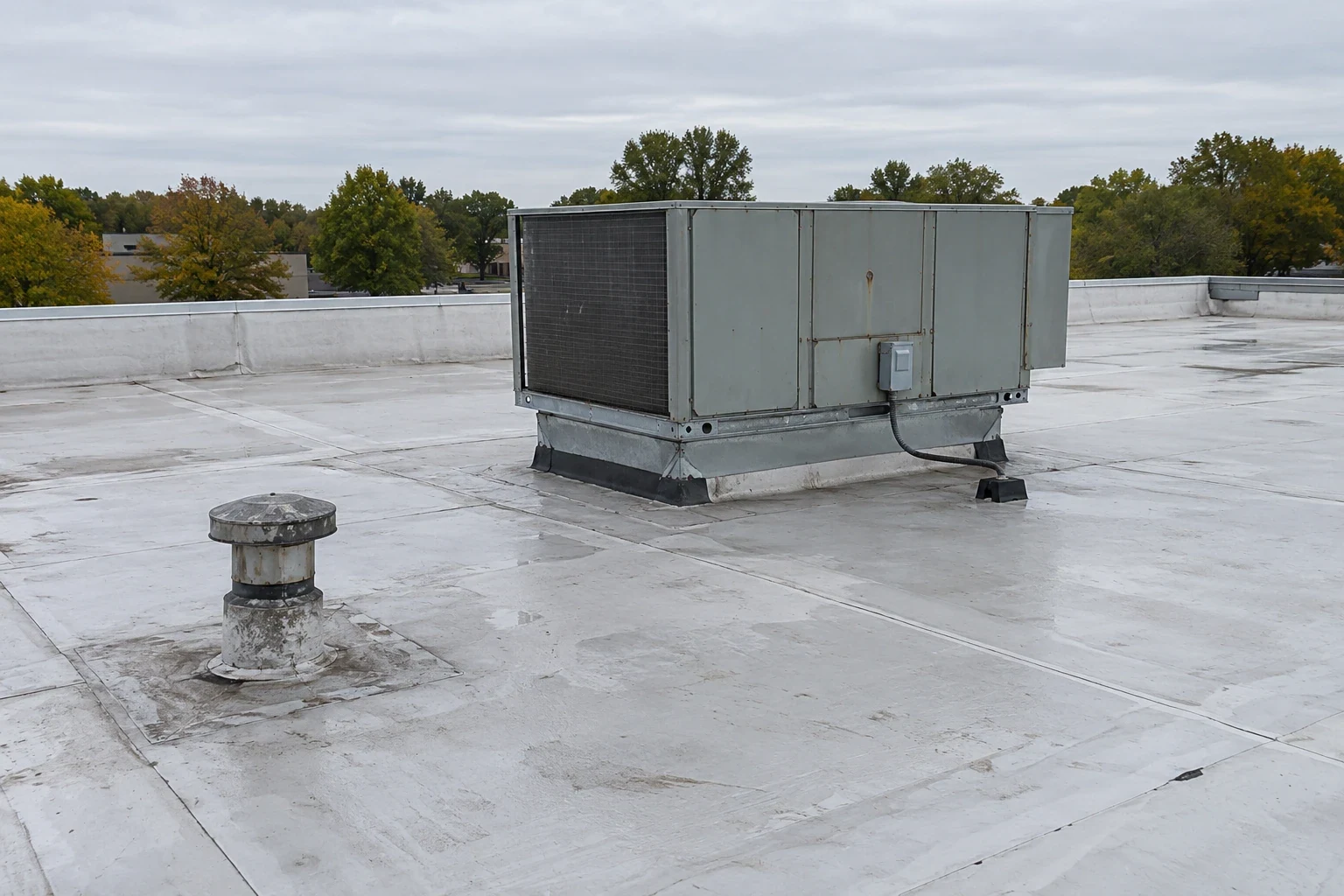
Rooftop equipment may require an electrician or mechanical contractor before a curb can be opened. We identify the unit, set a protection line, and confirm who disconnects and restarts it. For an occupied building, we coordinate noise, access, and the rooms below. Any change caused by exposed deck or wet insulation returns to the agency for review before the crew proceeds beyond the agreed scope.

The city identifies 3500 South as a major arterial and links activity centers to transit through the Green Line and UTA Intermodal Hub. The TRAX Green Line, UTA Intermodal Hub, and 3500 South transit corridor link activity centers with employment areas. We confirm the actual facility gate, parking, and public entrance before staging. We photograph the approved staging route with the work plan. A general-contractor roof coordination plan can clarify trade handoffs on a larger project, while the agency retains its own approval path. We identify the party that can approve added removal and the contact who releases the area after inspection. If a public meeting or scheduled service affects the site, the facility can reserve that window before lifts are set. The daily record notes any delay and the roof condition left secure.

Leave a record for the next budget cycle

Closeout should show the roof area repaired, material installed, drain work, photos, and any item still open. We identify the accepted work boundary and note where concealed conditions remain untested. That record helps facilities connect later leak reports to the repair. A roof capital plan can carry those findings into the next funding review without treating an unknown as a confirmed replacement need.

Public projects may involve multiple reviewers and occupied users. We make the roof location, condition, schedule effect, and approval point easy to identify in the handoff. For agencies managing several buildings, a multi-building roof register can group the records while keeping each facility separate. The owner receives the same marked findings used by the field crew, not a summary detached from the actual roof.

Public Agencies

Common questions

What should a public roof repair proposal show?

It should identify the roof zone, confirmed defect, repair limit, access conditions, and any concealed work that needs approval. We attach photos or a marked plan to the recommendation. If a test cut may alter the price, the proposal names that decision point before work begins.

How do you handle conditions found after removal starts?

We secure the exposed area, document the condition, and stop at the approved boundary. The agency receives the added scope and its schedule effect for review. Work expands only after the owner approves the change, so the original repair and later discovery remain distinct.

Can a public building remain open during roof repairs?

We map entrances, pedestrian routes, fire access, and rooms below the active work zone. The agency identifies any service hours or public access limits. We set each day’s dry-in boundary and protect the opening before leaving. A route change is documented before the crew blocks an entrance.

How should an agency compare repair with replacement?

Compare the area of wet insulation, repeated seam or curb failures, attachment, remaining sound roof, and access cost. We mark those findings by zone and separate confirmed work from potential removal. The two scopes should show how schedule, protection, and deck review differ.

What records should facilities keep after reroofing?

Keep the accepted scope, marked roof map, photos, material information, test results, approvals, and deferred items together. We note the work dates, access limits, and conditions that remain open. That gives facilities a baseline for maintenance and future funding requests.

Set the agency roof review

ServicesRoof SystemsIndustriesProperty TypesService AreasDamage RepairCapabilitiesManufacturersContactAboutRequest a Roof Assessment555-555-5555
Call555-555-5555