Solar-Ready Commercial Roofing in West Valley City, UT

Prepare a West Valley City commercial roof for solar with verified condition, attachment, drainage, and access details before array installation begins.

Review the roof before the array layout is final

A roof that needs replacement can become harder to reach once solar racks cover it. Before an array is installed, we map seams, drains, curbs, and repair history. We verify roof temperature and membrane condition before solar tie-in work adds another layer of equipment. The decision starts with the roof's remaining serviceable condition.

Solar readiness does not mean every roof needs a new membrane. It means the assembly, attachment plan, access paths, and future repair needs are understood before panels arrive. We identify open conditions, record test results, and coordinate the roofing boundary with the array layout. A hands-on roof inspection can establish what needs correction first. A worn surface can still have a sound deck beneath it.
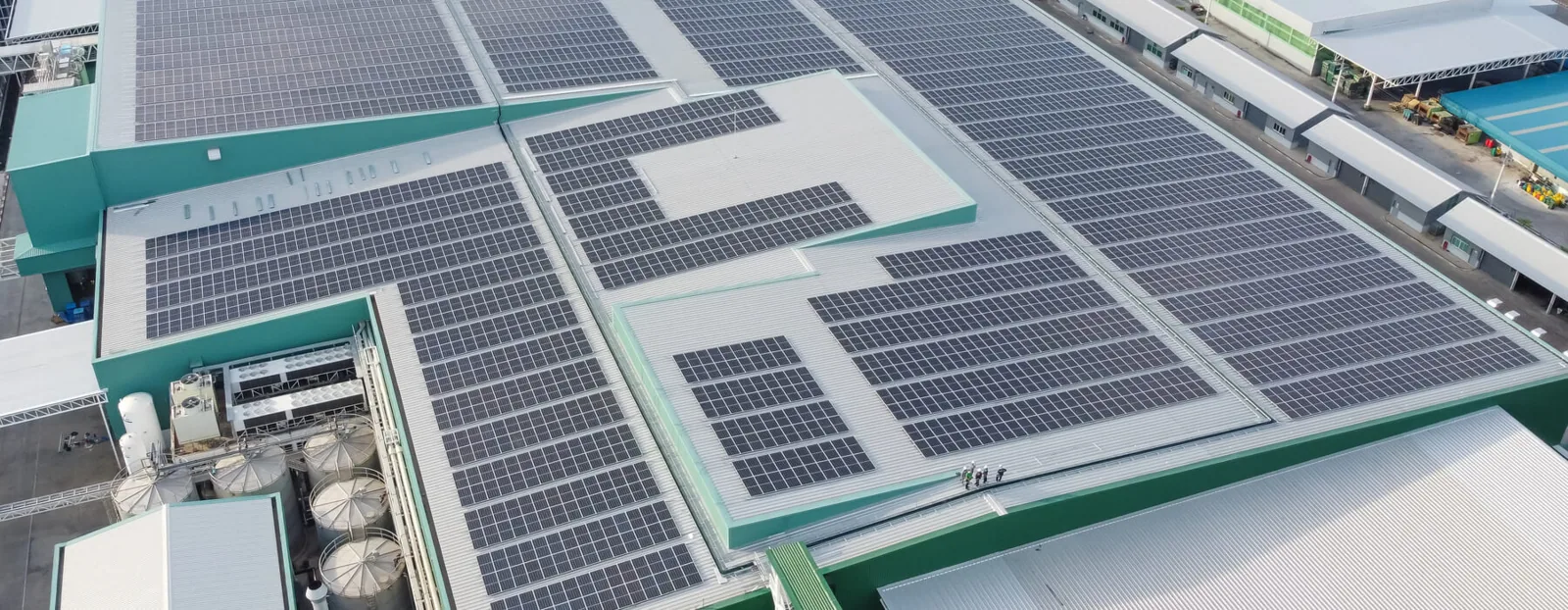
Loose seams, soft insulation, and ponding areas are harder to inspect beneath an array. We mark those conditions and check the roof layers before approving a layout. A test cut can show moisture below a membrane that still looks intact. We also review the deck and attachment history. The owner gets a clear line between ready areas and repairs that should happen first.

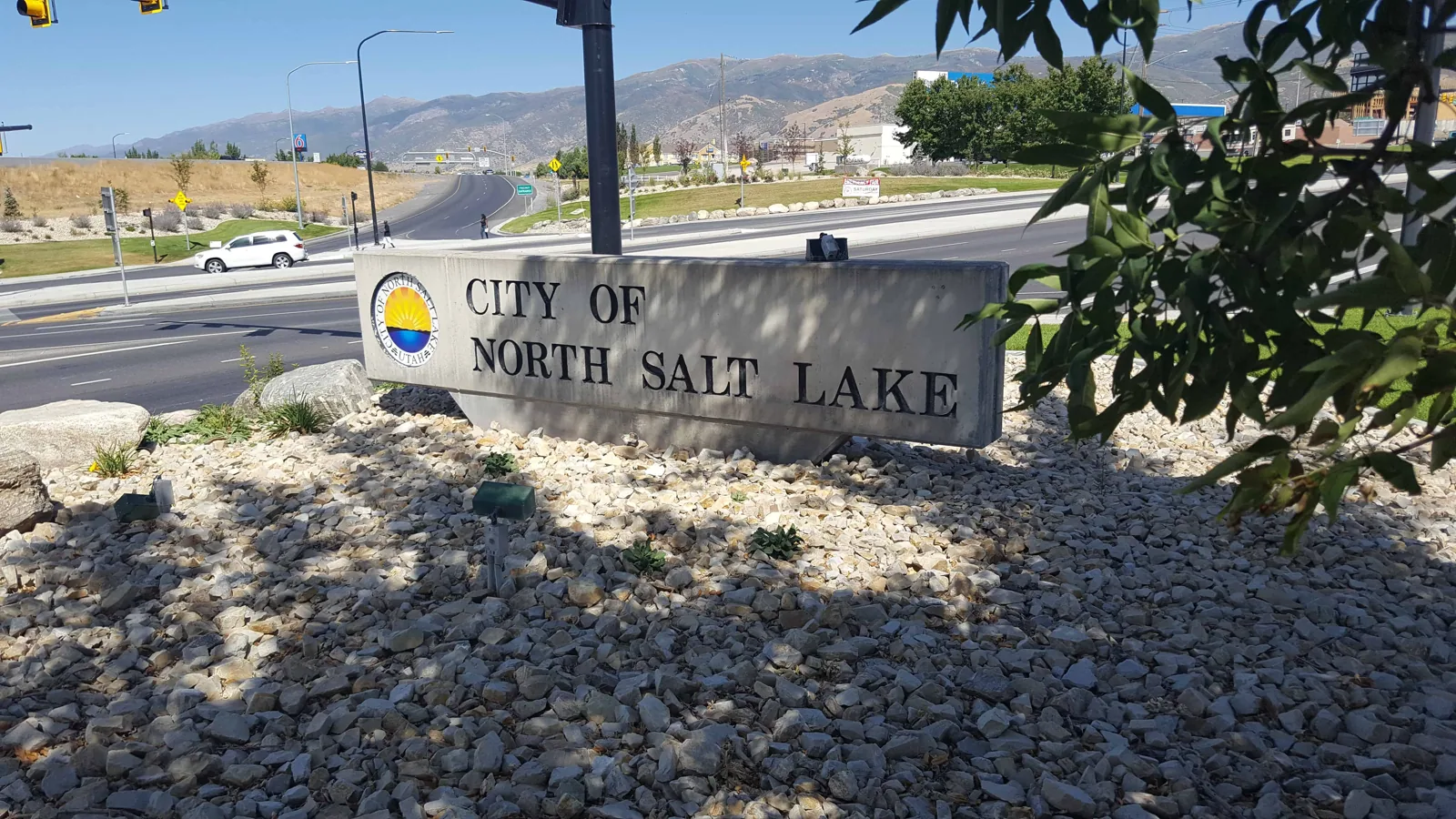
West Valley City's northern SR-201 corridor supports trucking and distribution activity. A commercial roof in that area may need lifts and panels staged without interrupting loading. We mark access lanes, drain paths, and equipment clearances with the facility contact. The North SR-201 industrial corridor should inform delivery timing, while the roof's actual condition sets the array-ready boundary. An attachment map can help avoid unnecessary membrane punctures.

Solar-Ready Commercial Roofing

Align roof life with array planning

Solar-Ready Commercial Roofing

Solar panels can outlast the roof beneath them. If the membrane is near the end of its useful life, replacement before installation may avoid removing equipment later. We inspect seams, flashing, insulation, and drainage, then compare repair and replacement options. The plan should show which work happens before the array and which work remains accessible after it is installed.

Roof age alone does not decide the sequence. A dry, attached assembly with repairable details may be retained. Widespread wet insulation, poor attachment, or a deck issue can change the call. We document findings and confirm the proposed array loads with the project engineer. A replacement scope should account for mounting zones, pathways, and future service access before the new membrane is covered. Soft areas need a defined treatment before access narrows.

Check the attachment and load path

Rack feet can concentrate force on a small area. We review the proposed attachment method, roof assembly, and structural information with the design team. Penetrating mounts need compatible flashing and a secure tie to the structure. Ballasted systems still add weight and may limit drainage or access. The roofing detail should follow the selected system and the verified design loads.

The work plan identifies who installs the mounts and who closes the membrane around them. We coordinate mockups or first-install checks before the array repeats across the field. A TPO roof may use compatible penetration details when the design supports them. The same review applies to curbs, conduit supports, and transitions near roof edges. Delivery routes and crane positions belong on the same plan.

Solar-Ready Commercial Roofing

Keep service paths and drains clear

Rows of panels can narrow the route to drains and mechanical equipment. We review the layout against drain bowls, scuppers, roof hatches, and service clearances before installation. Walk paths should allow inspection and repair without stepping across delicate flashings. If the array blocks a drain or hides a curb, the owner may face a larger removal scope during maintenance.

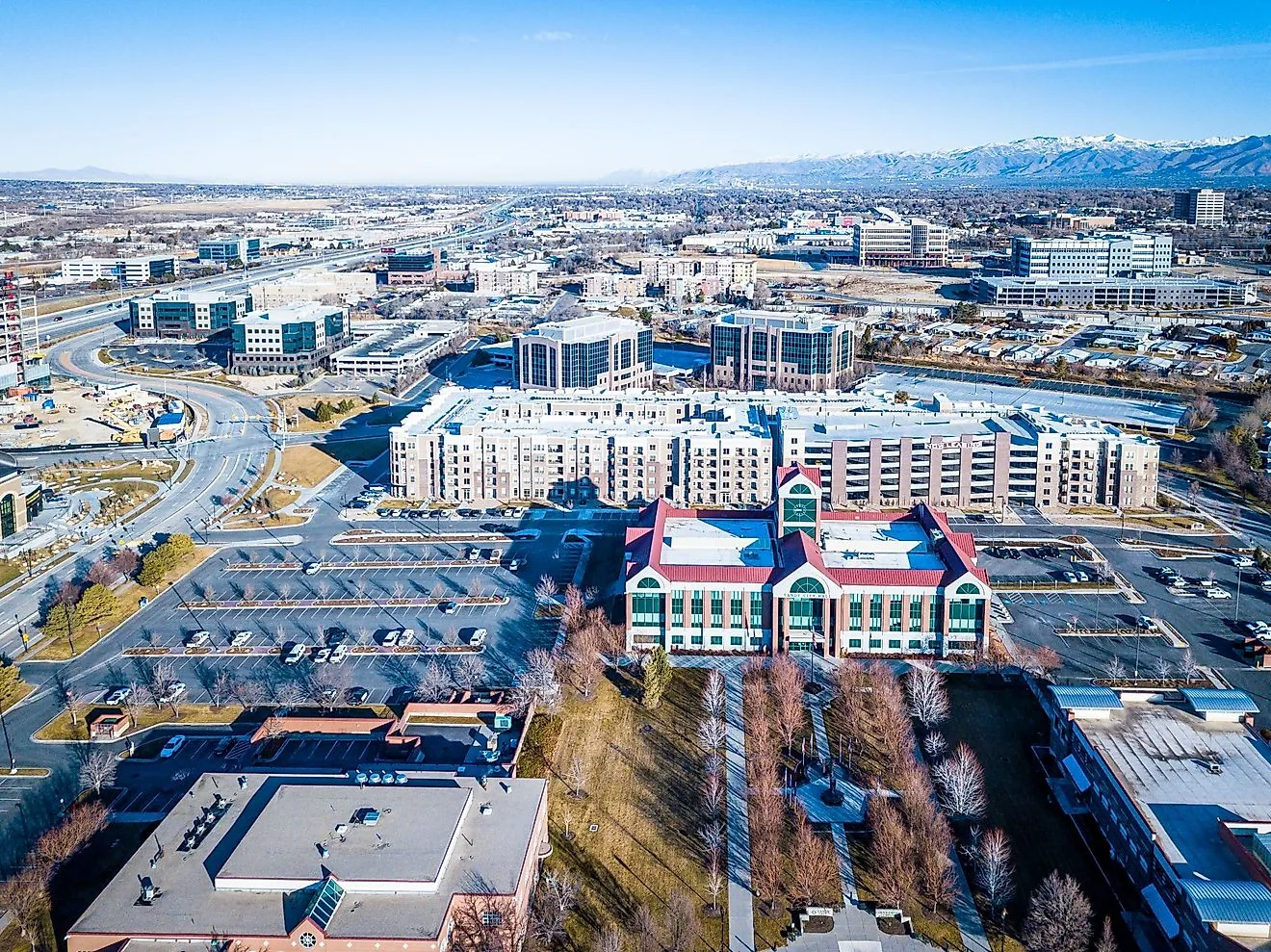
Fairbourne Station includes office, hotel, medical-office, retail, multifamily, and public uses. A mixed-use property may have different roof access needs for tenants, building engineers, and solar technicians. We mark routes that keep service access separate from panel rows. The office building roof plan should keep drains and equipment reachable after the array is in place. We note which access panel rows leave for future repairs.

Set the order before crews mobilize

Roof repairs, membrane replacement, electrical work, and rack installation need a defined sequence. We set the dry-in boundary and identify which trade owns each penetration. The schedule should hold an inspection before mounts are covered or panels block the seam. If an unexpected wet area appears, crews pause at a safe limit and revise the affected portion of the array plan.

Heat affects both roof surfaces and worker timing. Salt Lake City International Airport’s 1991-2020 normals list July and August daily highs of 94.0°F and 91.7°F. We check surface temperature and product instructions before applying membrane or flashing materials. Work windows, material staging, and cooling breaks should be set before the roof is opened for coordinated installation. The report can also track drain paths and edge metal.

Keep a record for later roof work

Before panels cover the roof, we photograph seams, drains, curbs, and test locations. We record repairs, attachment details, and areas left outside the roofing scope. The solar layout should be stored with that record. Later inspections can then locate the roof detail without assuming a panel row can be moved without coordination.

We also set expectations for access after installation. The owner should know who can isolate electrical equipment and who may remove or reset panels during roof repair. A roof condition report can preserve the pre-array baseline. At Fairbourne Station, occupied uses make that access plan relevant to building operations as well as roof care. The final layout should match reviewed structural information.

Solar-Ready Commercial Roofing

Common questions

Should the roof be replaced before solar panels go on?

We compare membrane condition, repair history, insulation moisture, and expected maintenance needs with the proposed array plan. If major roof work is likely during the panel life, doing it first may avoid later removals. A sound assembly may be retained when details and attachment suit the design. The inspection record shows which condition drives the sequence.

Who is responsible for sealing solar attachments?

The project documents should name the trade that installs each mount and completes the membrane detail. We coordinate the approved flashing with the roofing system and inspect a first installation before work repeats. Electrical and structural responsibilities remain with their qualified design and installation teams. The closeout should identify the final detail and its location. We record the mount type, flashing product, and inspection hold. The array schedule should leave time for roofing review before panels cover each detail.

Can panels go over a roof with isolated leaks?

A leak should be traced and repaired before the array blocks access. We inspect the membrane, nearby seams, drains, and insulation, then mark the repair boundary. If moisture extends beyond the visible area, the scope may need expansion. The owner can compare those findings with the panel layout before approving installation.

What access should remain after the array is installed?

Keep routes to drains, hatches, curbs, and mechanical equipment clear enough for inspection and service. We compare the layout with the roof plan and flag areas where panel rows restrict access. If a future repair requires array removal, the owner should know who coordinates that work and how the affected area is isolated.

What should the roofing scope include before solar work starts?

The scope should show roof repairs, membrane or flashing details, test results, approved attachment zones, and areas excluded from work. It should also identify the trade responsible for each penetration. We record the pre-array roof condition and hold an inspection before panels conceal the completed details.

Review the roof before the array layout is final

ServicesRoof SystemsIndustriesProperty TypesService AreasDamage RepairCapabilitiesManufacturersContactAboutRequest a Roof Assessment555-555-5555
Call555-555-5555