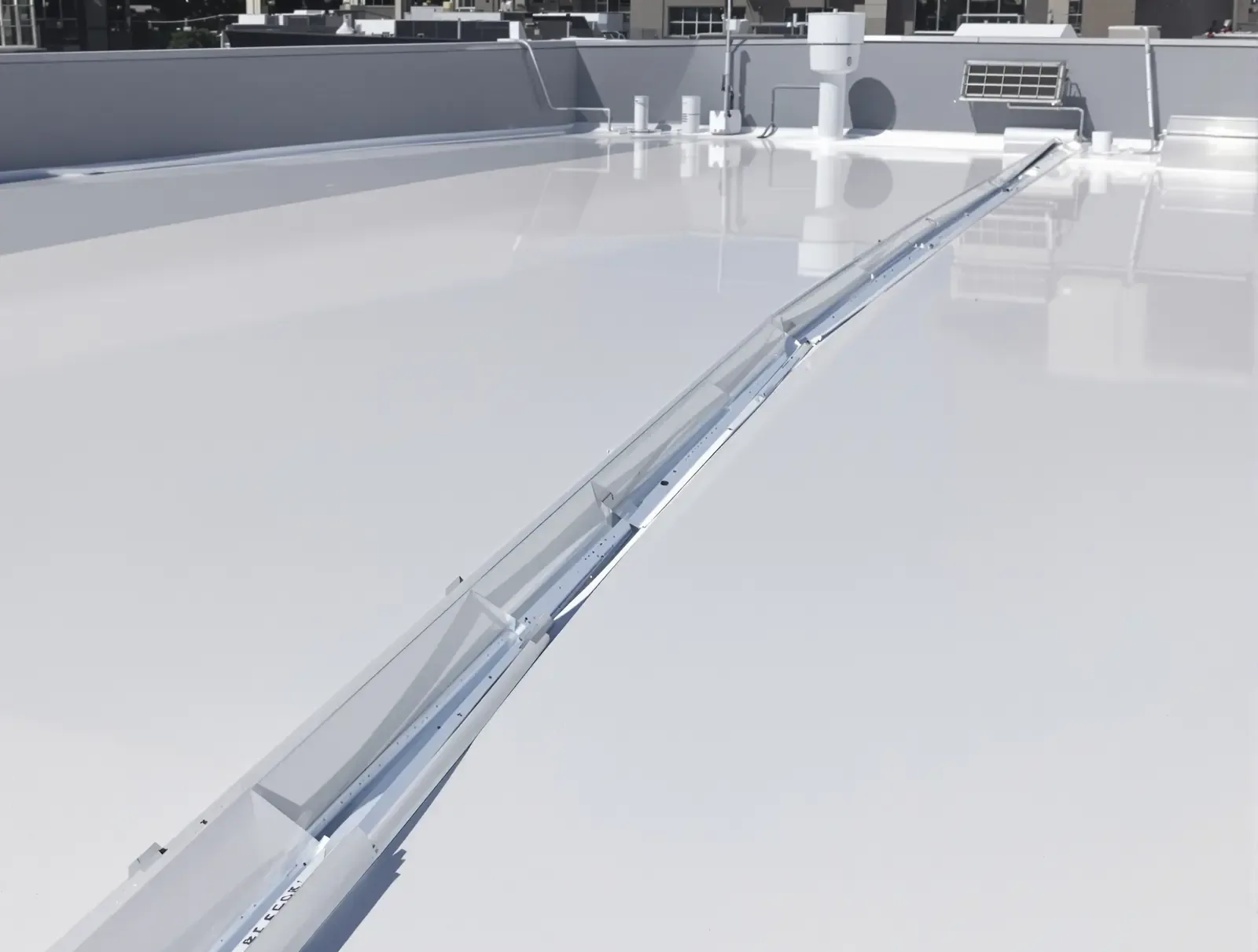
Army Installation Roofing in West Valley City, UT

Scope Army installation roof repairs and replacement near West Valley City, UT. Coordinate controlled access, depot activity, testing, work phases, and records.

Set the Army roof work boundary

A corroded edge cleat can stay a local repair if the metal deck and adjoining membrane are sound. A wet core or loose termination can move the boundary several feet and add replacement material, disposal, and dry-in time. On Army installations, that field decision must fit access approvals and the building schedule. In West Valley City, UT, our scope starts with the named roof zone, the authorized contact, and the details that can be inspected.

At Tooele Army Depot, ammunition logistics extend from production through demilitarization in support of joint forces. The depot has 267 buildings, 1,108 earth-covered magazines, two rail classification yards, 2.8 million square feet of storage capacity, and 43,000 acres. The project contact identifies the structure and controlled work area. We inspect the assembly, document visible defects, and separate known repair work from concealed conditions that require an approved test cut.
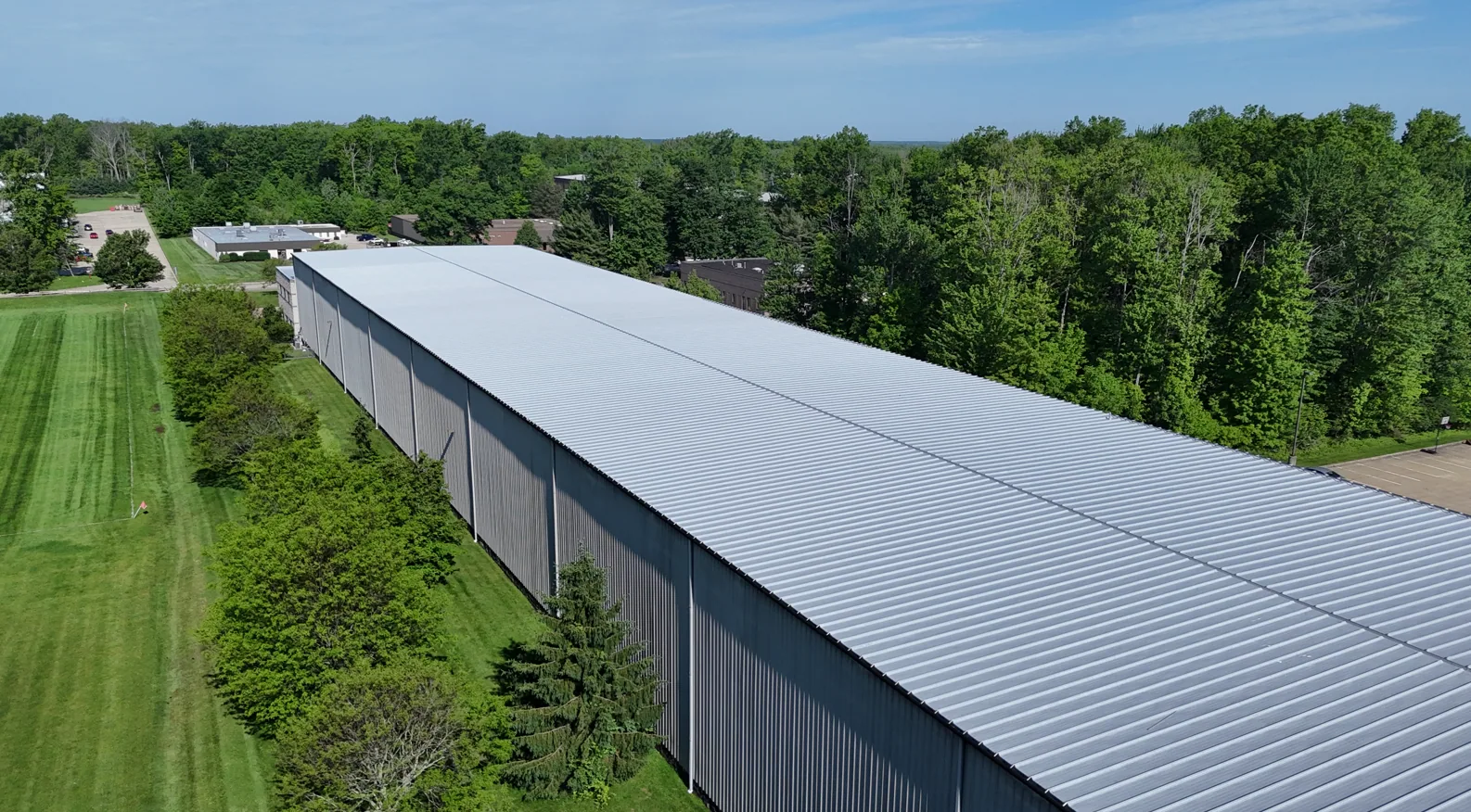
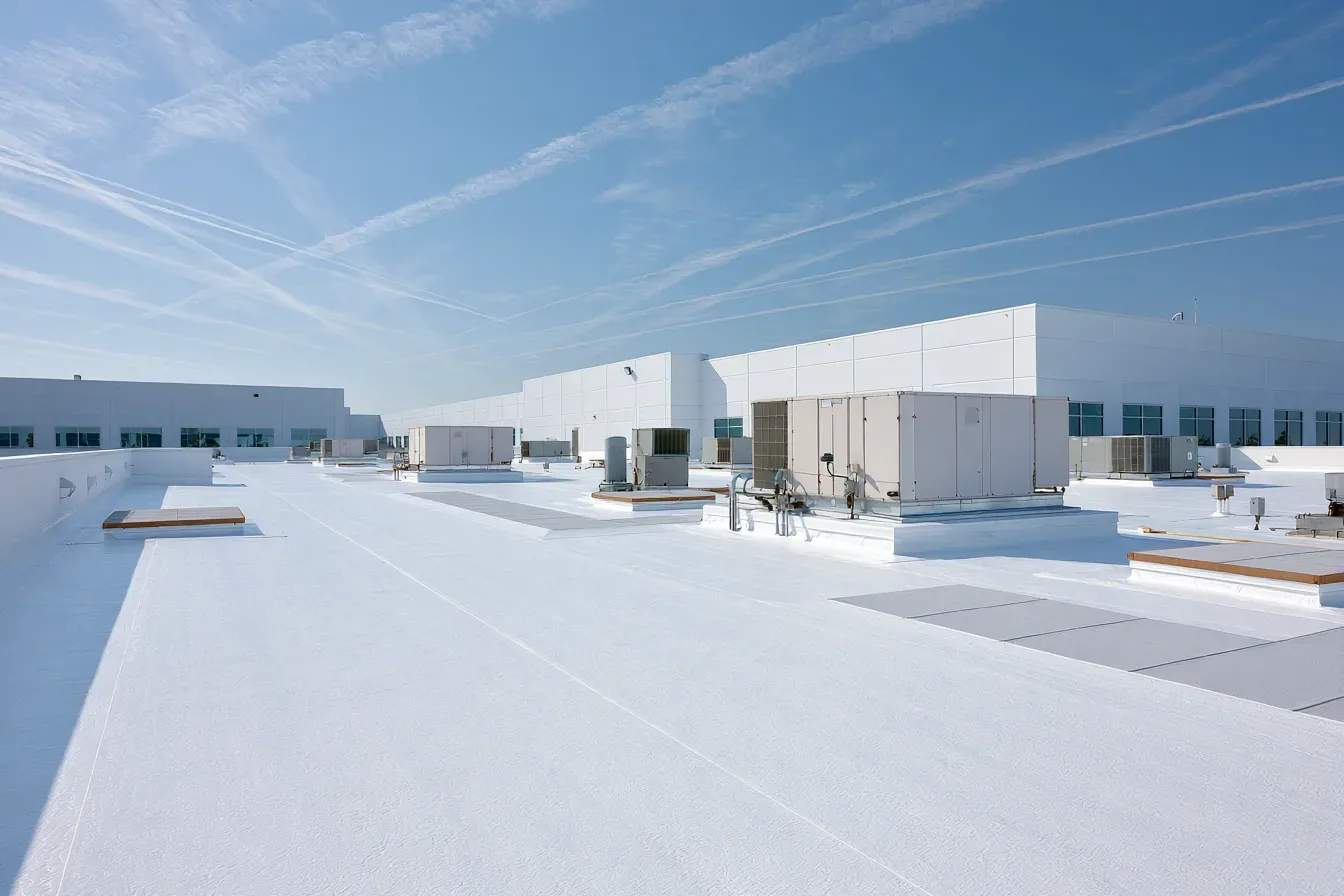
A depot roof scope needs a building identifier, roof map, and contact who can approve entry. We confirm escort requirements, badges, vehicle routes, tool controls, and limits on photography before a crew arrives. Those procedures can reduce productive time in a shift, so they belong in the schedule. If only one roof bay is released at a time, our sequence follows that boundary and closes the surface before moving on.

For each depot or storage roof, we plan material staging and debris removal with the authorized site representative, keeping approved service routes clear. A military warehouse or depot roof scope can document one building’s drains, seams, and penetrations without treating nearby structures as identical. The work map should be clear to the crew and facilities staff.

Army Installation Roofing

Check layers before moving the tear-off edge

Army Installation Roofing

A blister or open lap may cover a narrow defect, but surface appearance does not show whether the insulation below is wet. We inspect field seams, perimeter transitions, penetrations, drains, and the roof deck where accessible. If a test cut is approved, we record each layer and close the opening with compatible materials. Sound substrate can keep a repair boundary tight; wet or deteriorated layers can require a larger removal line.

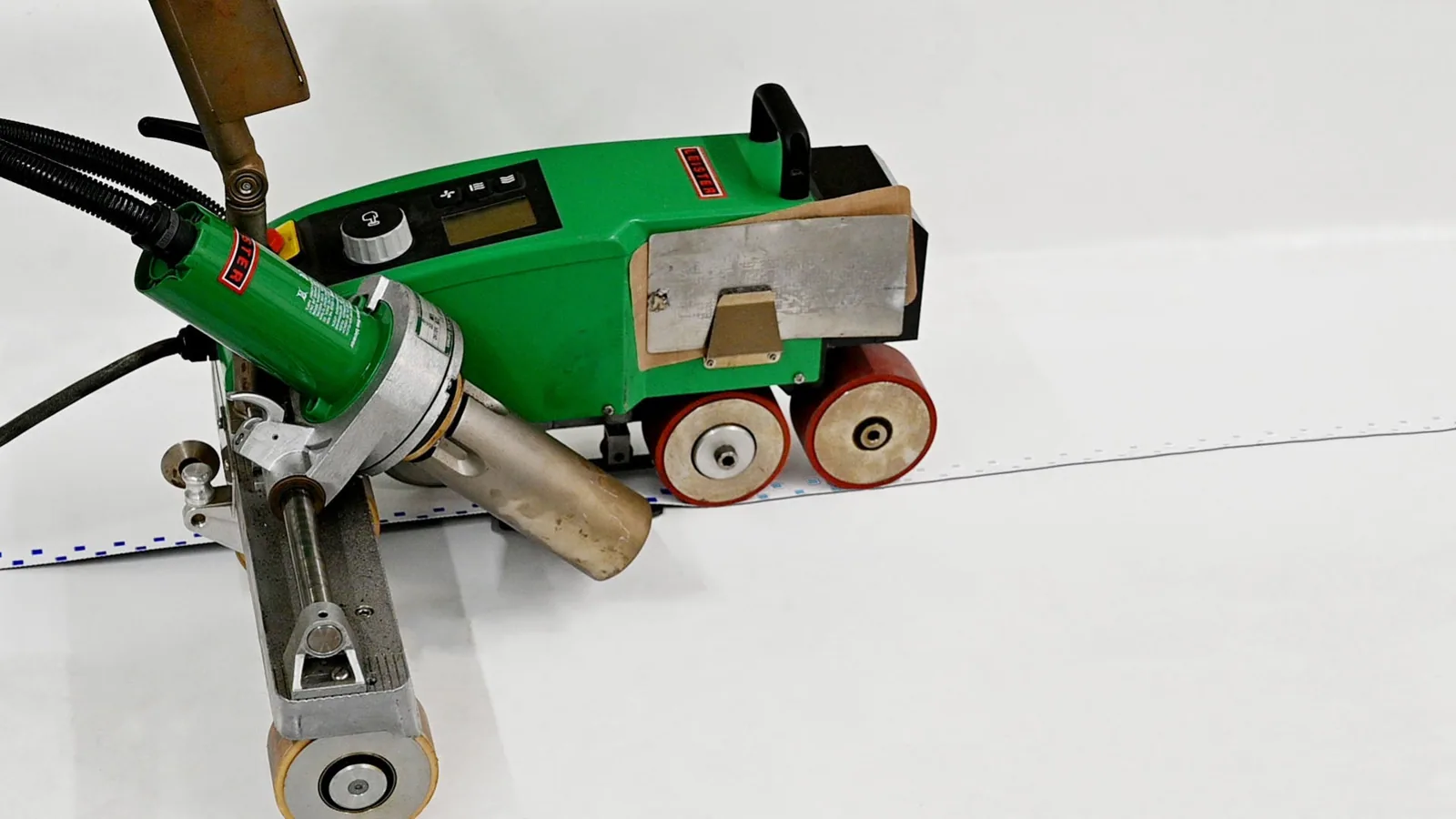
One building may have additions or repairs that differ from an adjoining roof. We mark the location of each test and do not extend a result across an untested section. A commercial roof inspection can document the accessible assembly and conditions that still need confirmation. When the repair point ties into TPO, an existing TPO roof system calls for compatible membrane and seam work, not a generic patch.

Keep storage and rail access in the plan

Roof removal can produce debris, dust, and short-term exposure below the work. We ask the facility contact what is stored under the roof area, which paths must stay open, and when a lift or container can be placed. Any opening receives a defined dry-in line and a close-of-shift check. If stored material must move, that task is assigned to the responsible site team before the roofing crew starts tear-off.

The site representative identifies the work zone and routes that must stay available. Our field review documents the roof assembly and access limits for that structure, then places debris handling and material movement inside the approved map. A phased reroof plan can keep the daily open area tied to the available work window. We set a stop point for each shift, protect each cut edge, and photograph temporary cover before releasing the work zone.

Army Installation Roofing

Coordinate escorts, trades, and inspection holds

Mechanical units, vents, power conduits, and communications hardware can interrupt the membrane. We identify which trade controls each system and schedule roofing around any isolation or shutdown. The roofing crew rebuilds the flashing and tie-in; the responsible trade moves or reconnects its equipment. If an inspection must happen before a layer is covered, we include that hold point in the daily sequence and leave enough time to restore the roof.

Camp Williams serves as a range-control location and a site for military identification-card services. If a project is proposed there, we confirm that installation’s access contact, release window, and work-area limits. For an Army roof project, a base roofing sequence has similar controls but still follows that site’s own approvals. The scope records the installation-specific contact and release path.

Compare local repair with a larger project

A localized repair can work when surrounding material is bonded, the substrate is dry, and the flashing can tie into a stable surface. Repeated seam failure, wet insulation, or damage across separated roof areas may favor replacement planning. We show the observed boundary and identify the condition that changes the recommendation. If removal reveals more damage, work pauses at the agreed limit while the added area is photographed and priced for approval.

Specifications may require particular membrane, insulation, fastening, testing, or closeout details. When the project documents invoke Unified Facilities Criteria for roofing, those criteria guide submittals and installation details. A commercial roof replacement includes a planned dry-in sequence and defined inspection points. If only selected roof zones are confirmed, the scope keeps those zones distinct from future work that has not yet been tested.

Leave a record for the next shift

Closeout should let the next facilities contact see exactly what changed. We photograph prepared surfaces, completed seams, terminations, and the repair boundary. The report lists test cuts, any concealed condition found, and roof areas excluded from the work. If access prevented inspection of a section, we name that limit so it does not get mistaken for a completed repair.

SR-201 and I-215 are grade-separated highways in West Valley City, and Bangerter Highway is a major arterial. For material delivery, the installation representative confirms the actual gate and route. A commercial roof inspection in Tooele still begins with its own authorized access review. After repair, planned roof maintenance can recheck drains, seams, and exposed transitions.

Army Installation Roofing

Common questions

How do you plan roofing work at an Army depot?

The site contact confirms the building, release window, entry procedure, escort, delivery route, and limits on tools or photography. We then sequence inspection, removal, and dry-in within the approved area. If those rules change shift length, the work plan states how much roof can be exposed and closed each day.

Does a leak in one depot building indicate a problem elsewhere?

No. Each roof can have a different assembly, repair history, and drainage pattern. We inspect the reported zone and record the result by building and roof section. Additional structures need separate review before their conditions or repair quantities can be included in a scope.

What happens if a test cut finds wet insulation?

The exposed layers are photographed and the removal limit is reassessed. We show the added area and explain how it affects material, disposal, and the dry-in sequence. Work beyond the approved boundary waits for authorization, so hidden damage is not treated as known quantity before it is uncovered.

Can you roof around depot handling or rail activity?

The facility contact identifies routes and activity windows that must stay available. We place staging, containers, and deliveries only where the approved plan allows them. If a roof section crosses a restricted route or operating zone, the schedule needs a release window before the crew opens that area.

What is included in the roof closeout record?

Photos show the repair location, finished details, and tie-in to existing material. The record also identifies test openings, concealed conditions, incomplete access, and any area left outside the approved scope. That lets facilities staff match a later report to the work that was actually completed.

Set the Army roof work boundary

ServicesRoof SystemsIndustriesProperty TypesService AreasDamage RepairCapabilitiesManufacturersContactAboutRequest a Roof Assessment555-555-5555
Call555-555-5555